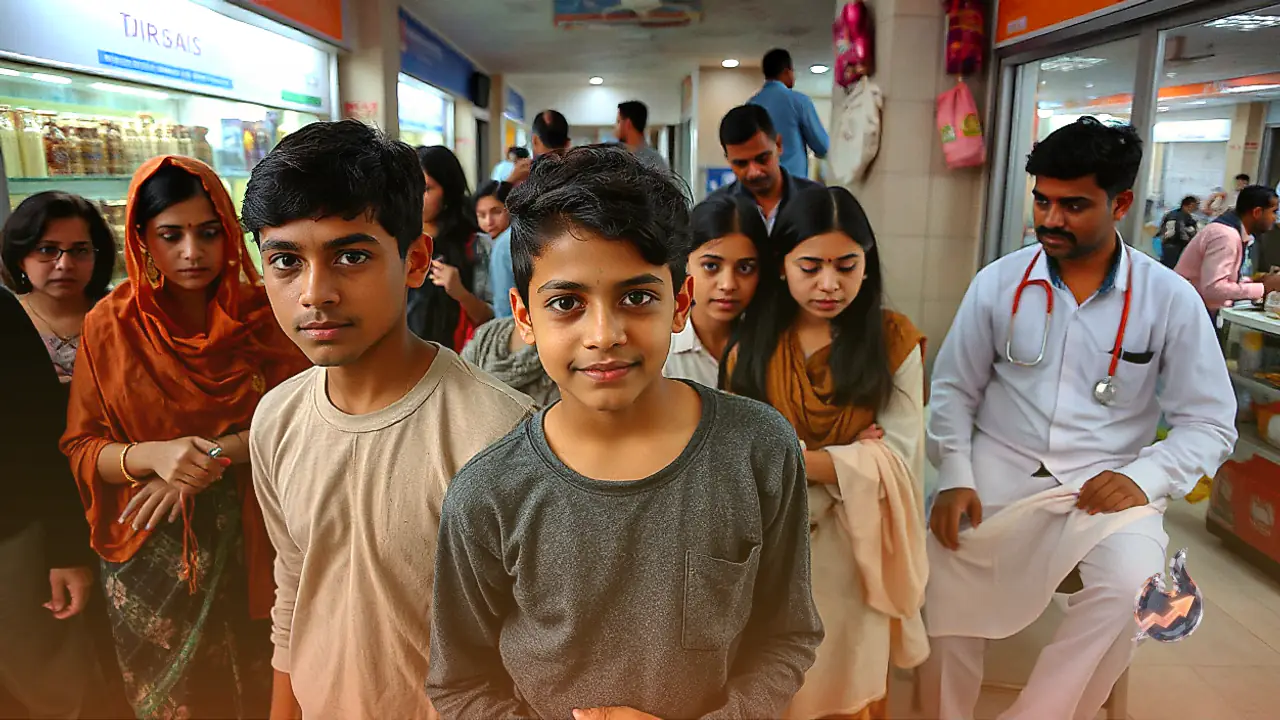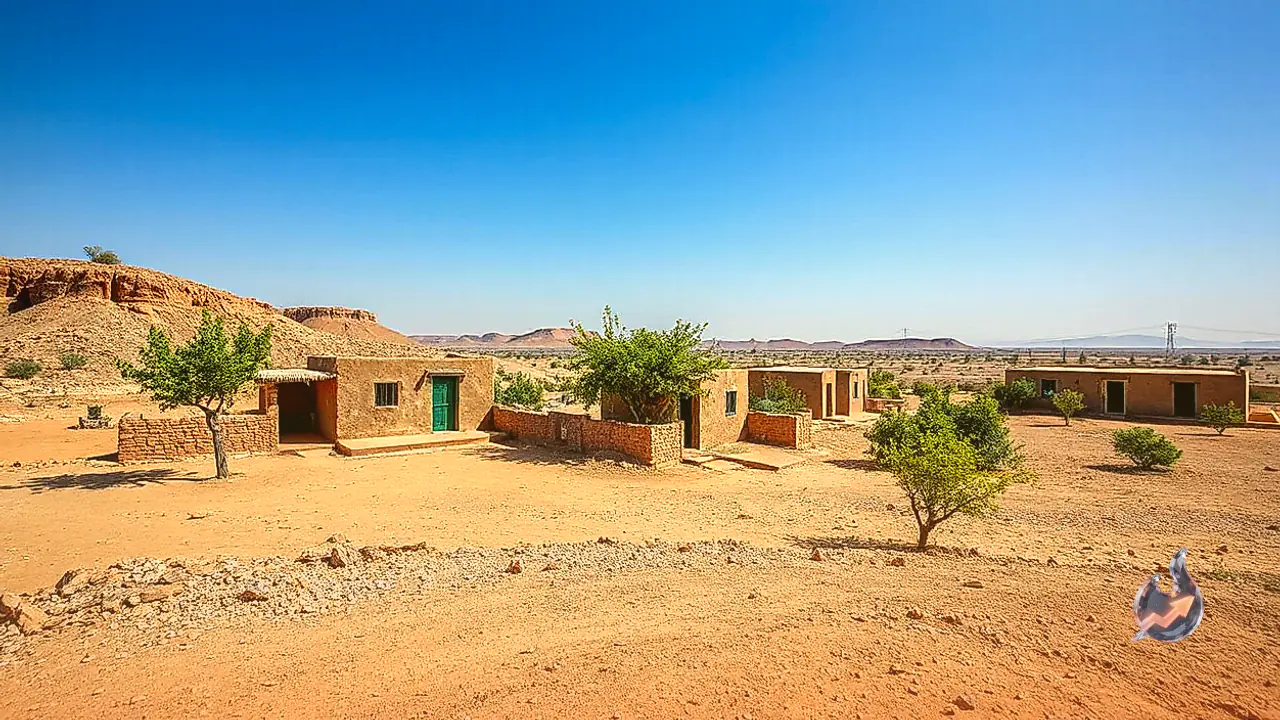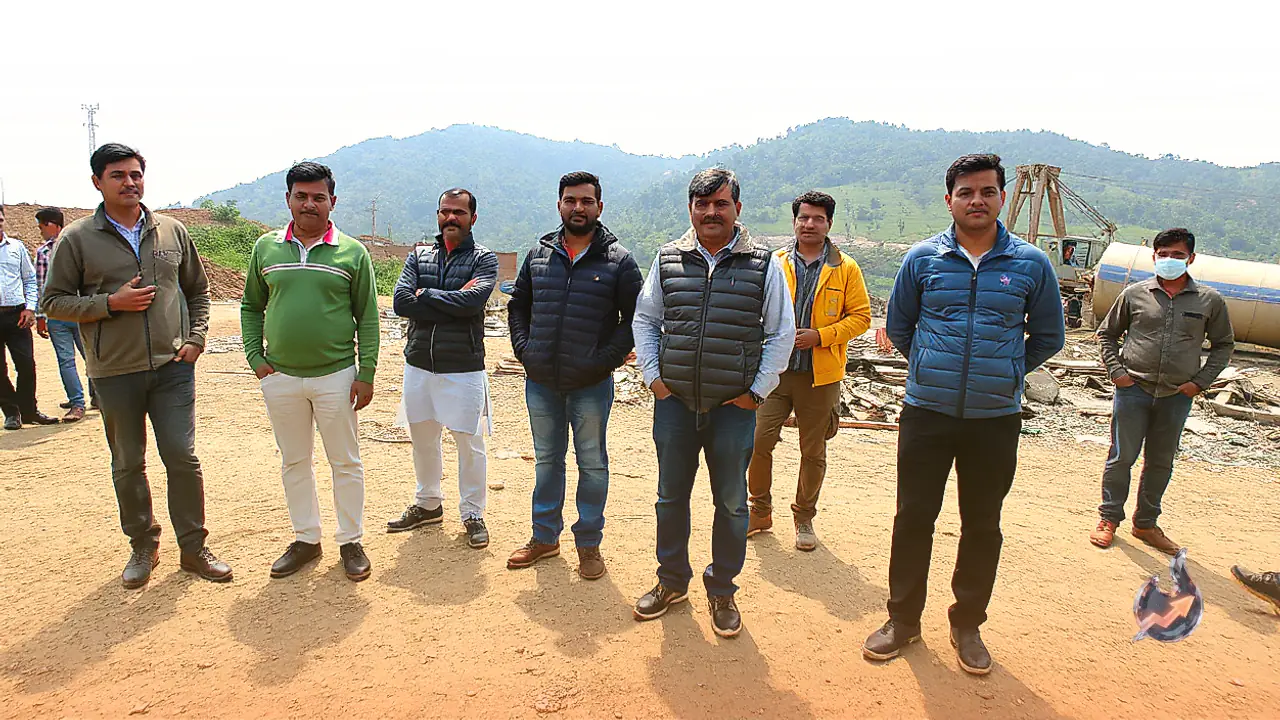
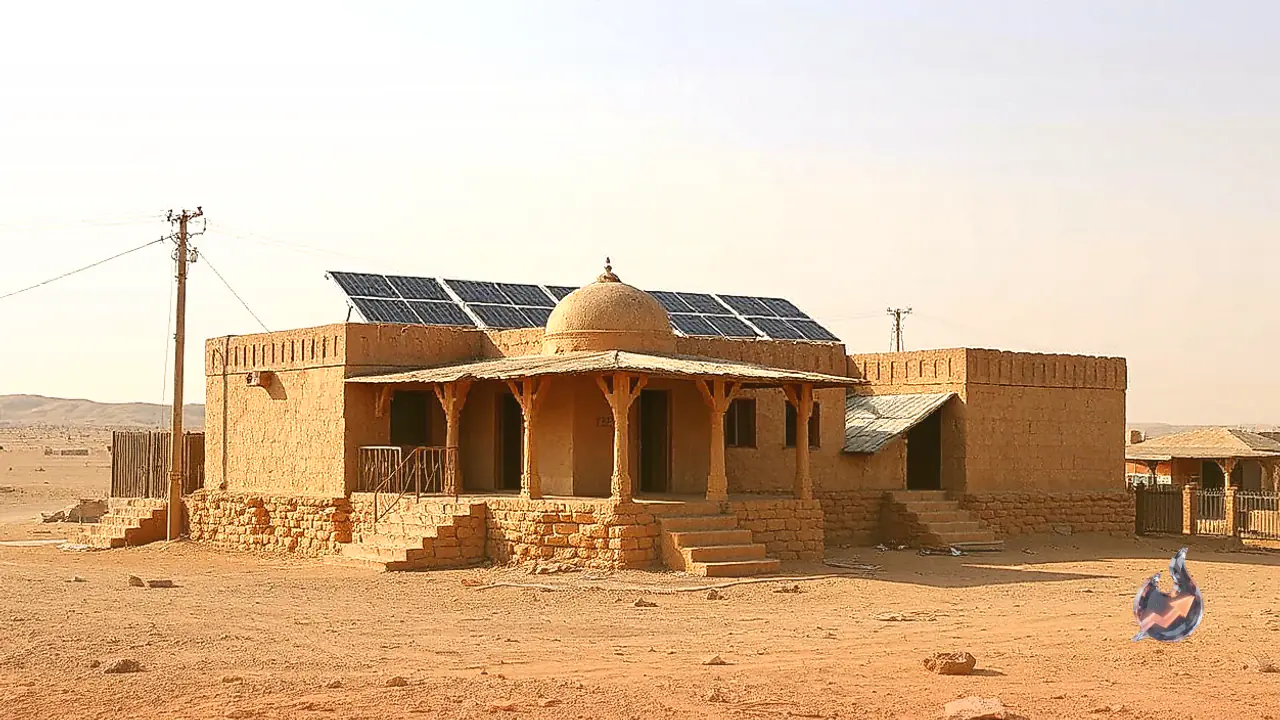
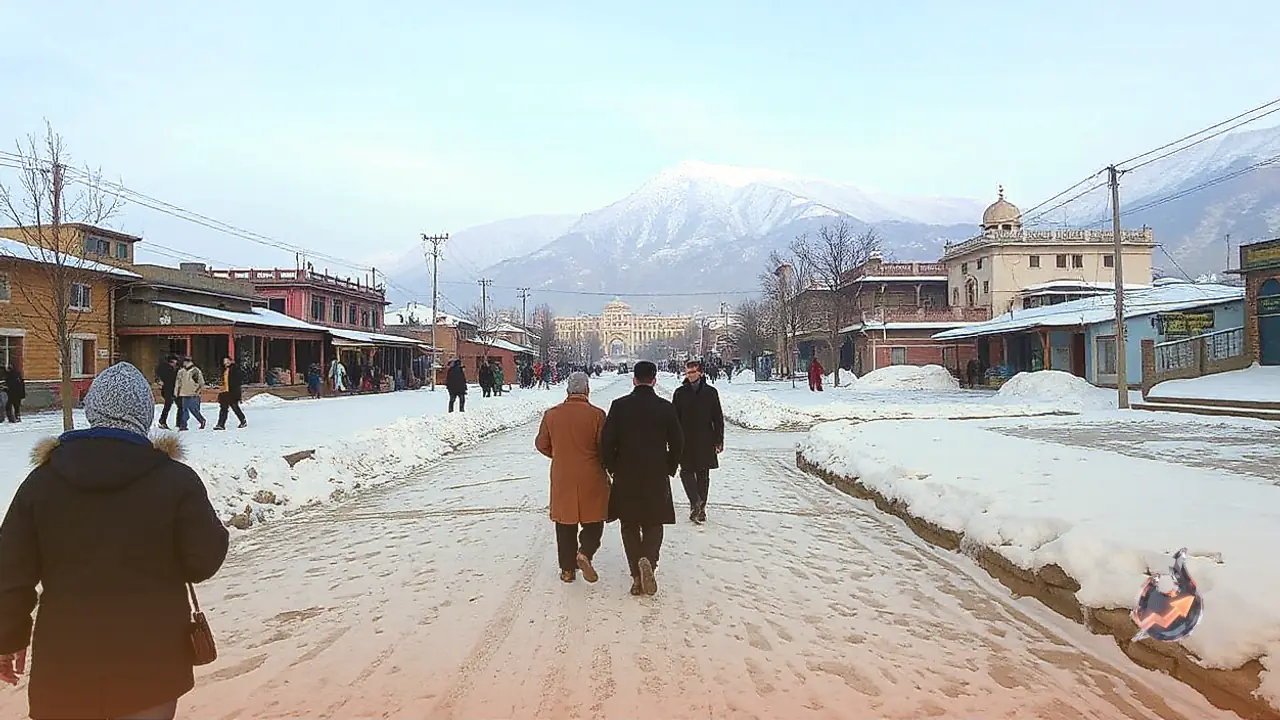


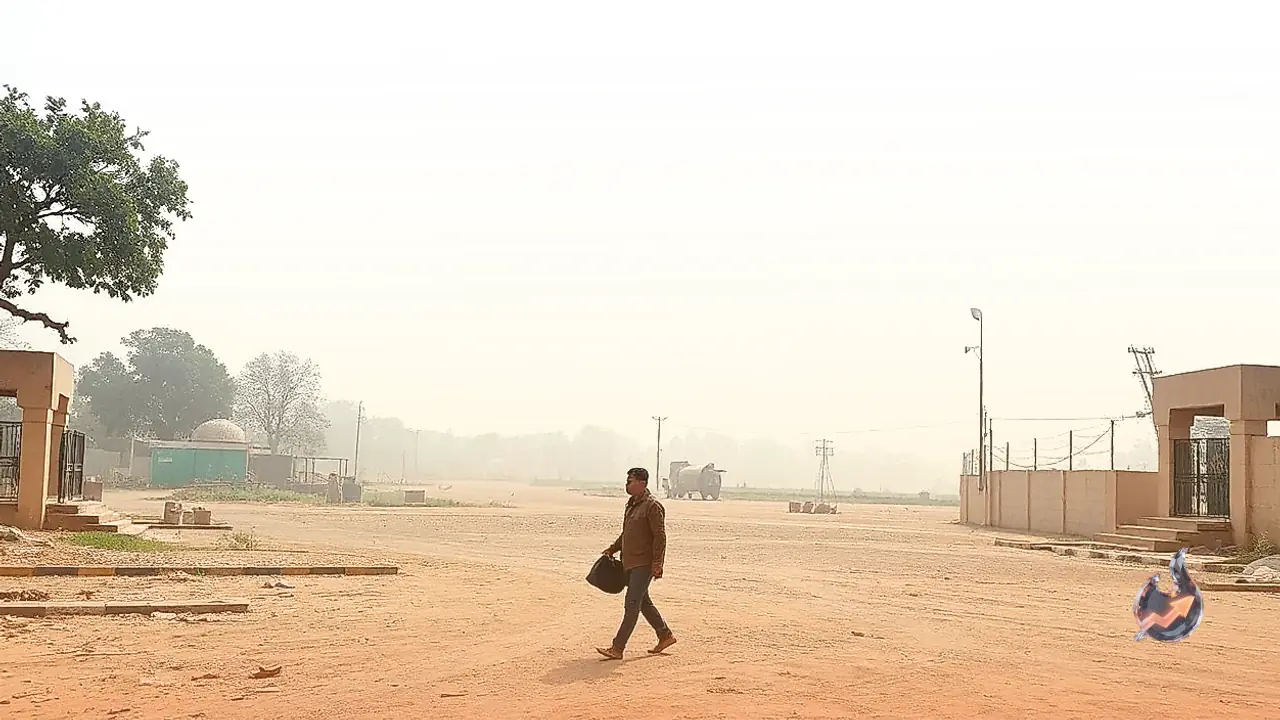














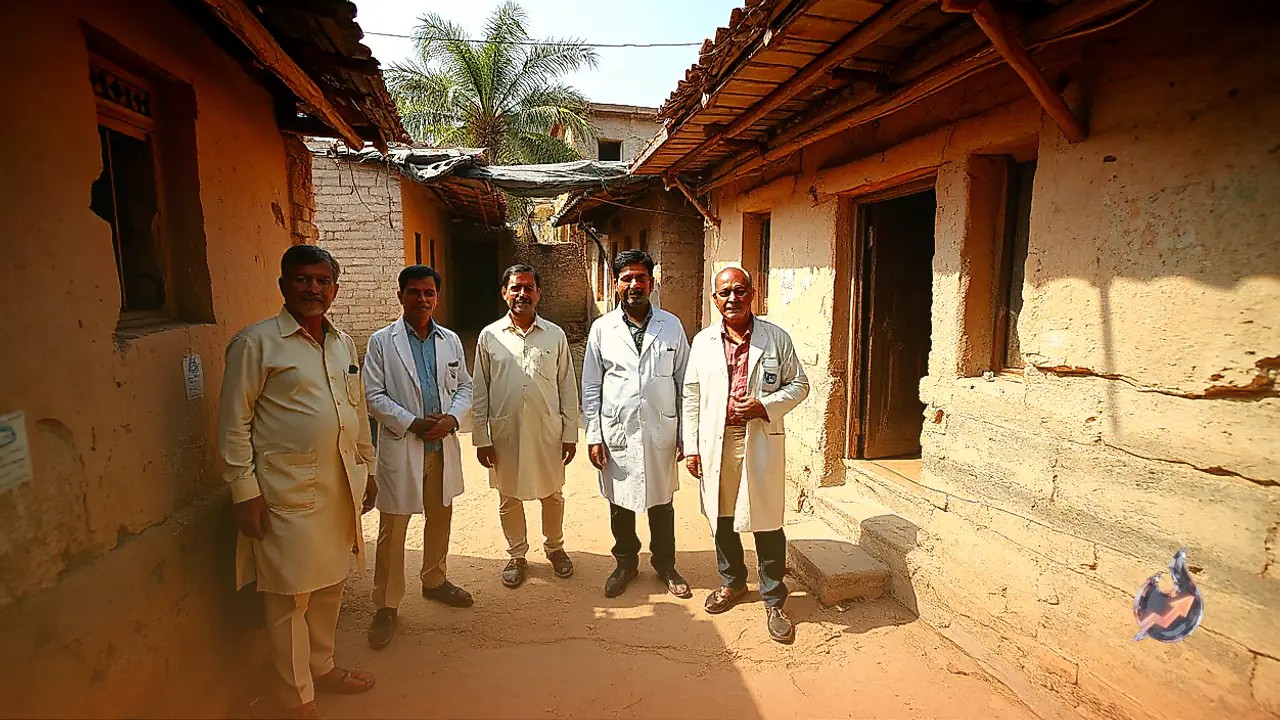

Located in the Jhunjhunu district, the 417-year-old village of Ghardana Khurd is celebrated not only for its rich heritage but also for its remarkable achievements in education, medicine, sports, and national service. Accommodating a population of nearly 11,000 people, this vibrant rural settlement boasts more than 100 doctors, earning it widespread recognition as a dedicated village of physicians. Beyond the medical field, this soil has nurtured Olympians, Mount Everest conquerors, acclaimed wrestlers, senior administrative officers, and valiant soldiers who laid down their lives for the nation.
Founding Roots and Educational Journey
The historical village was established on the auspicious day of Bhadrapad Badi Ashtami in Vikram Samvat 1665 by Ghadshiram Rao. Spanning over four centuries of existence, the settlement has successfully maintained a balance between its deep-seated traditions and steady modern progress. Modern medical education took root here in 1967 when Vijay Singh Rao became the very first doctor from the locality. His milestone achievement ignited a powerful wave of educational awareness among the local youth, paving the way for the hundred-plus medical professionals practicing today.
Valiant Soldiers Who Made the Ultimate Sacrifice
Ghardana Khurd holds a proud place in military history for its extraordinary contributions to national defense. During the First World War, Bakhtaram Jhajharia, Naib Subedar Arjunram, and Gopal served with distinction. Subsequently, during the Second World War, Jayanarayana, Richhpal, and Chatararam made the ultimate sacrifice for the country. Even after independence, young men from the village continued to join the armed forces in large numbers. Chandiram lost his life in the 1962 war, and Dilip Singh fell during the 1971 conflict. Furthermore, Kuldeep Singh Rao achieved martyrdom in the tragic 2021 Coonoor helicopter crash alongside the country's first CDS, General Bipin Rao.
Glory on the Sporting Arena
Apart from medicine and military service, the youth of this village have scaled incredible heights in the world of sports. Mahasingh Rao was honored with the prestigious Dronacharya Award for his exceptional contributions to wrestling and athletic training. The deep-rooted sporting culture of the village was vividly displayed on January 14, 1975, when renowned wrestling coach Guru Hanuman visited, prompting a historic traditional wrestling bout. Continuing this legacy, Sapna Poonia represented India in the 2016 Rio Olympics, while Asha Jhajharia brought immense pride to the region by successfully scaling Mount Everest in 2017.
Historic School and Connections to Leadership
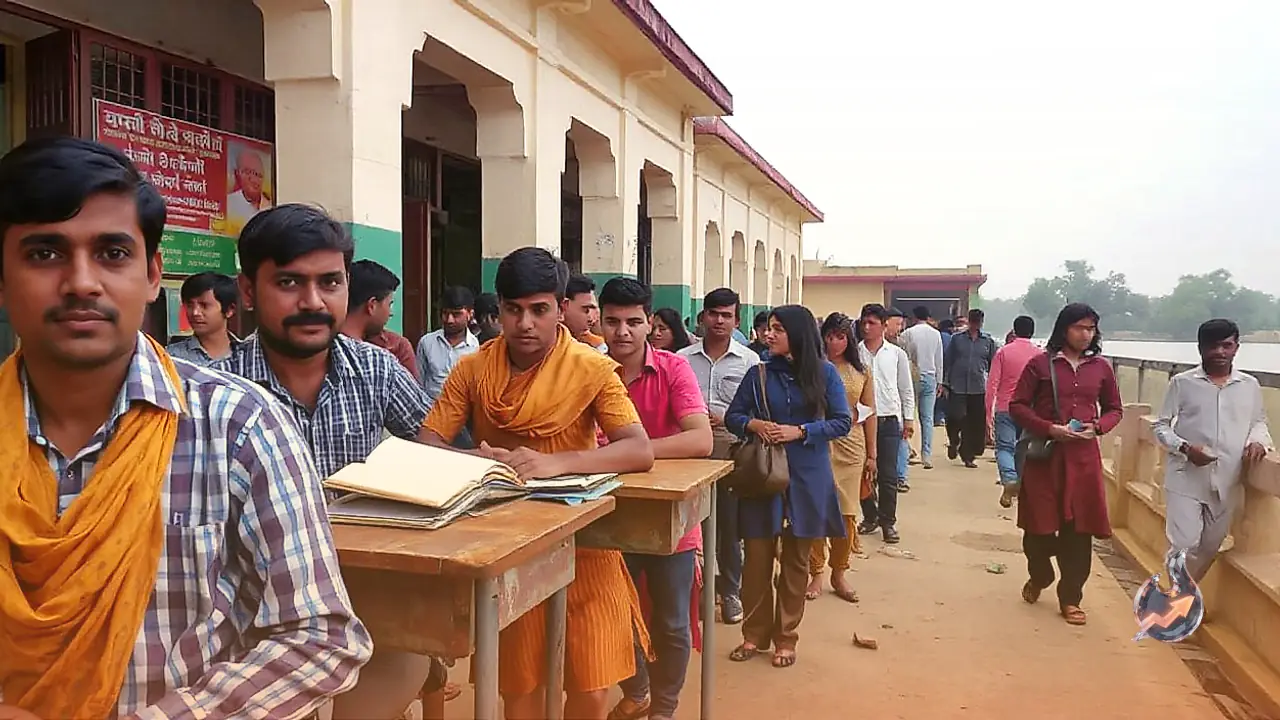
Educational infrastructure in the village began in 1942 with the establishment of a primary school by the Birla Trust. Growing steadily over the decades, the institution was upgraded to a middle school in 1945 and a secondary school in 1966, before being further elevated into a Mahatma Gandhi Government School in 2019. India's Vice President, Jagdeep Dhankhar, received his early education at this very institution. The school has produced numerous IAS and RAS officers, engineers, and doctors. To support the continuous development and infrastructural upgrade of the school, local residents contributed roughly 1.5 crore rupees through community participation.
Unique Traditions and Community Harmony
Ghardana Khurd is equally defined by its deeply cherished local traditions. A central landmark known as Paras holds immense reverence among the villagers. Before departing with a wedding procession, the groom traditionally bows at this sacred spot to seek blessings. Similarly, local women observe the custom of veering their faces out of respect when passing by the site. In earlier times, village elders would gather at this very location to resolve community disputes and hold panchayat sessions. To this day, residents convene here to settle matters through mutual consensus. According to local educationist Vijaypal Singh, the people of Ghardana Khurd have consistently embraced modern progress and education while ardently preserving their ancient heritage, allowing this 417-year-old settlement to carve out a distinct identity across multiple fields.