















The identity of any village is shaped not merely by its geographical boundaries or population size, but by its enduring traditions, notable achievements, and the contributions of its people. Titanwar village in the Jhunjhunu district encapsulates several such distinctive traits. Its soil resonates with an innate spirit of patriotism, paired with a relentless drive to carve out a successful identity in trade through hard work and honesty. Defending the nation, six brave sons of this village have made the ultimate sacrifice of laying down their lives. At the same time, several prominent merchants originating from this village have established their business footprints in major commercial hubs like Hyderabad, Maharashtra, Andhra Pradesh, and Kolkata, particularly dominating the trade of rice, mustard oil, and soybeans. Another prominent landmark of the village is a roughly 750-year-old Badrinath temple, built by King Suryamal of Uttarkashi along the lines of the original Badrinath Dham in Uttarakhand.
Origins and Demographic Profile
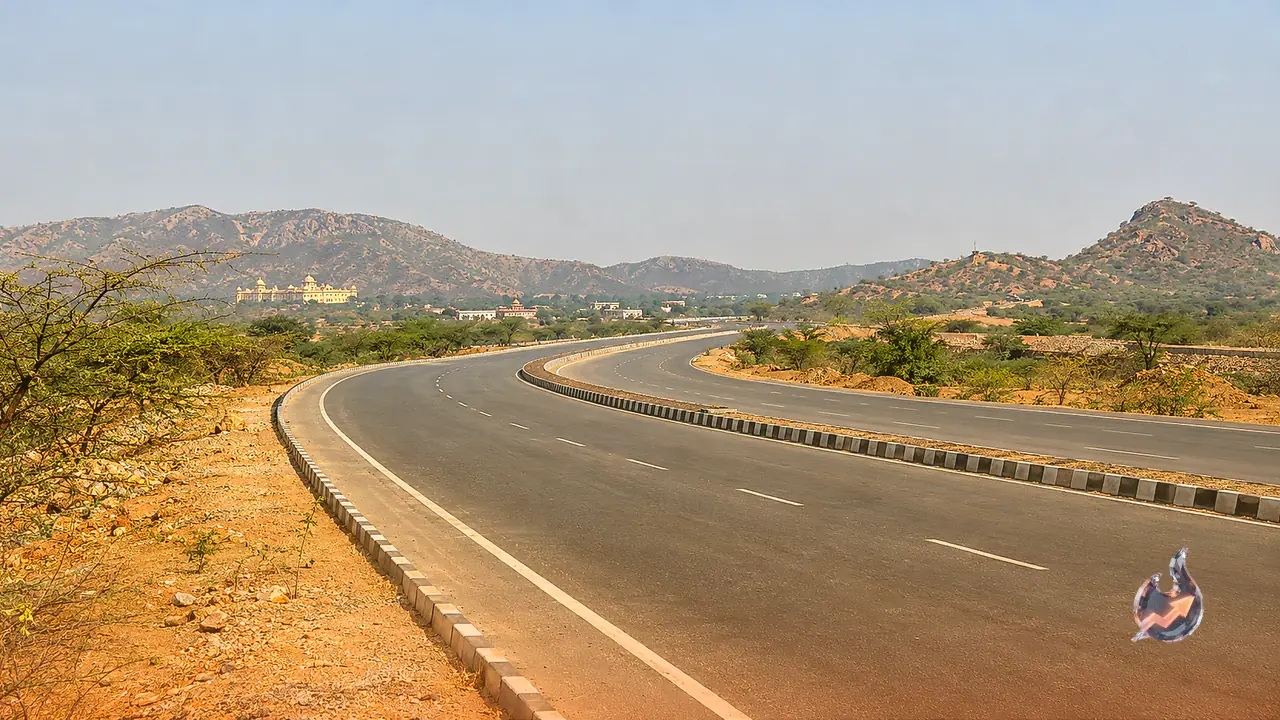
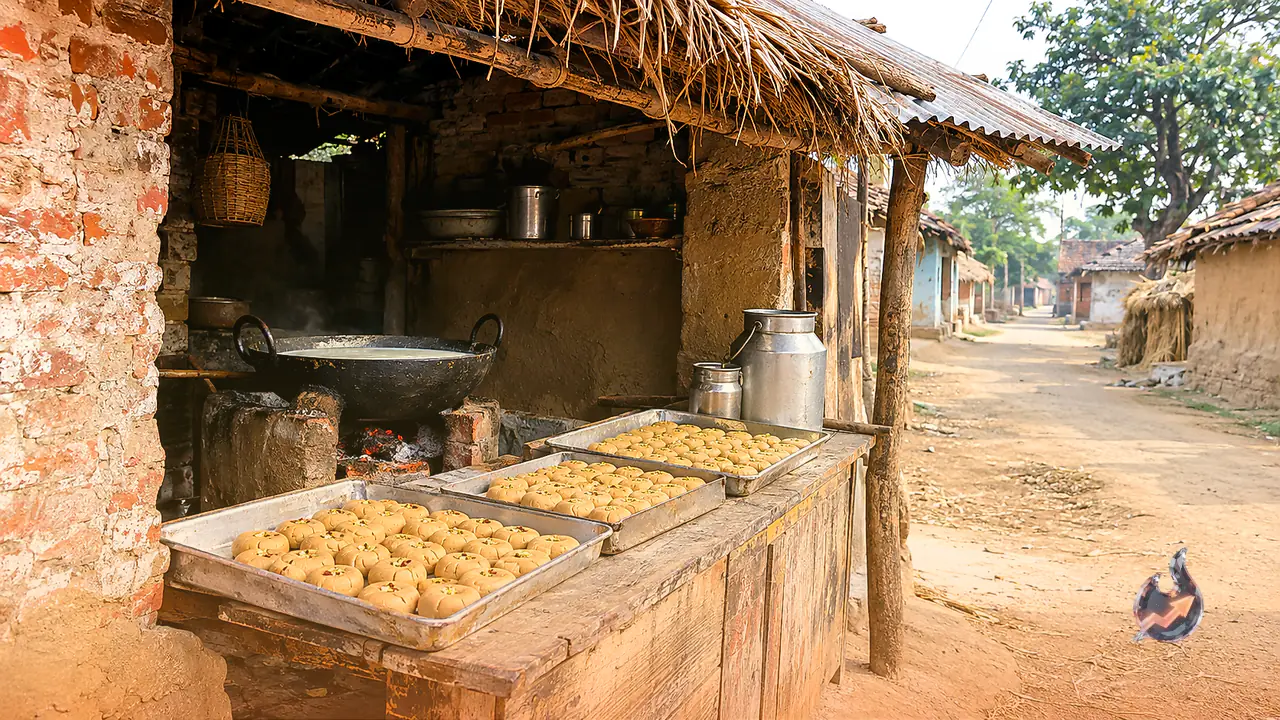
According to local residents, a person named Titaram established this village in the year 1750 AD, after whom the settlement came to be known as Titanwar. Over the passage of time, the village has forged a distinct identity across education, military service, commerce, and community welfare. Spanning a population of roughly 5,500 residents, the village boasts a high literacy rate of approximately 90 percent. Situated about 25 kilometers away from the district headquarters, the local economy relies primarily on agriculture and employment. Roadways serve as the main medium of transportation connecting the village to outside areas.
Six Valiant Soldiers Made the Supreme Sacrifice
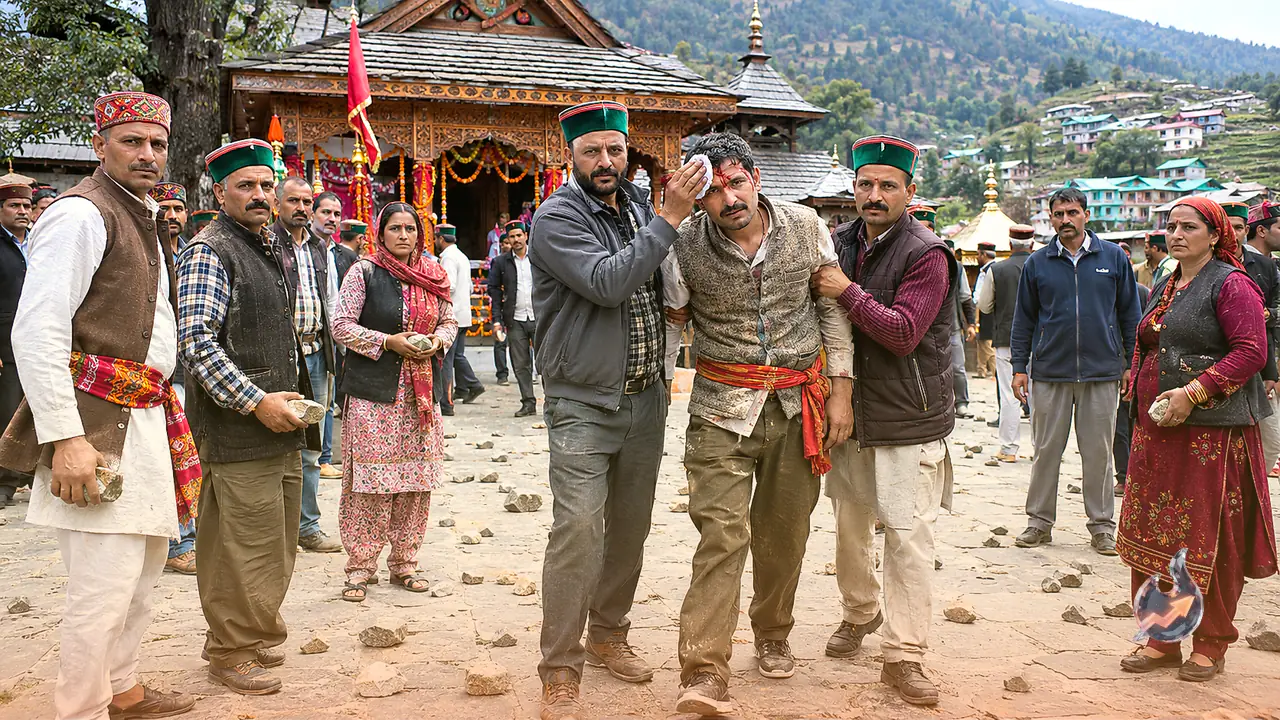
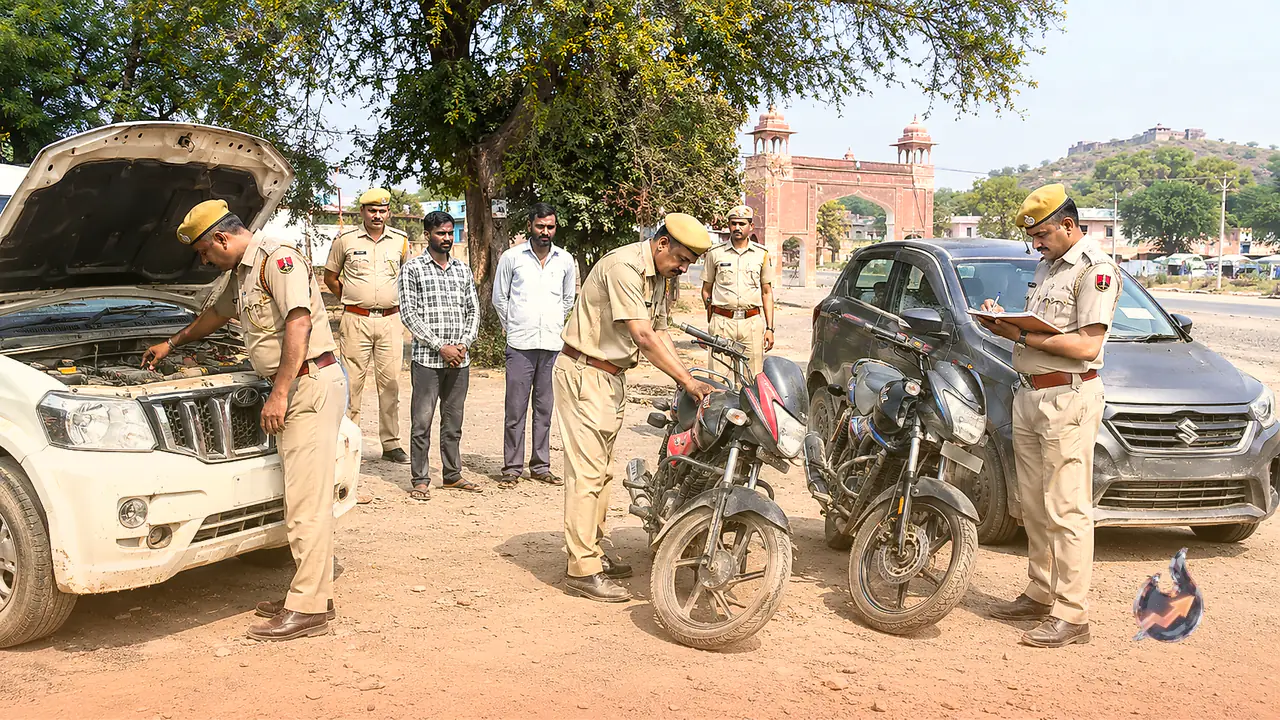
Titanwar is widely recognized as a village of soldiers, with its youth exhibiting a profound attachment to military service and nation-building. Safeguarding the country's borders, six heroic sons of the soil sacrificed their lives. Mamraj attained martyrdom during the 1971 India-Pakistan war. Subedar Shripad Singh made the supreme sacrifice during the Kargil War. Sampat Lal was martyred in a Naxalite attack, while Balveer Singh laid down his life during a terrorist ambush in Arunachal Pradesh. Commando Mahasingh and Pawan lost their lives while serving as commandos in Sri Lanka, and Naib Subedar Dharampal Singh perished while defending the country in Sikkim. The supreme sacrifices made by these brave soldiers remain a perennial source of immense pride and inspiration for the entire village, serving as stellar role models of courage and dedication for the younger generation.
Trading Footprint Stretching From Hyderabad to Kolkata
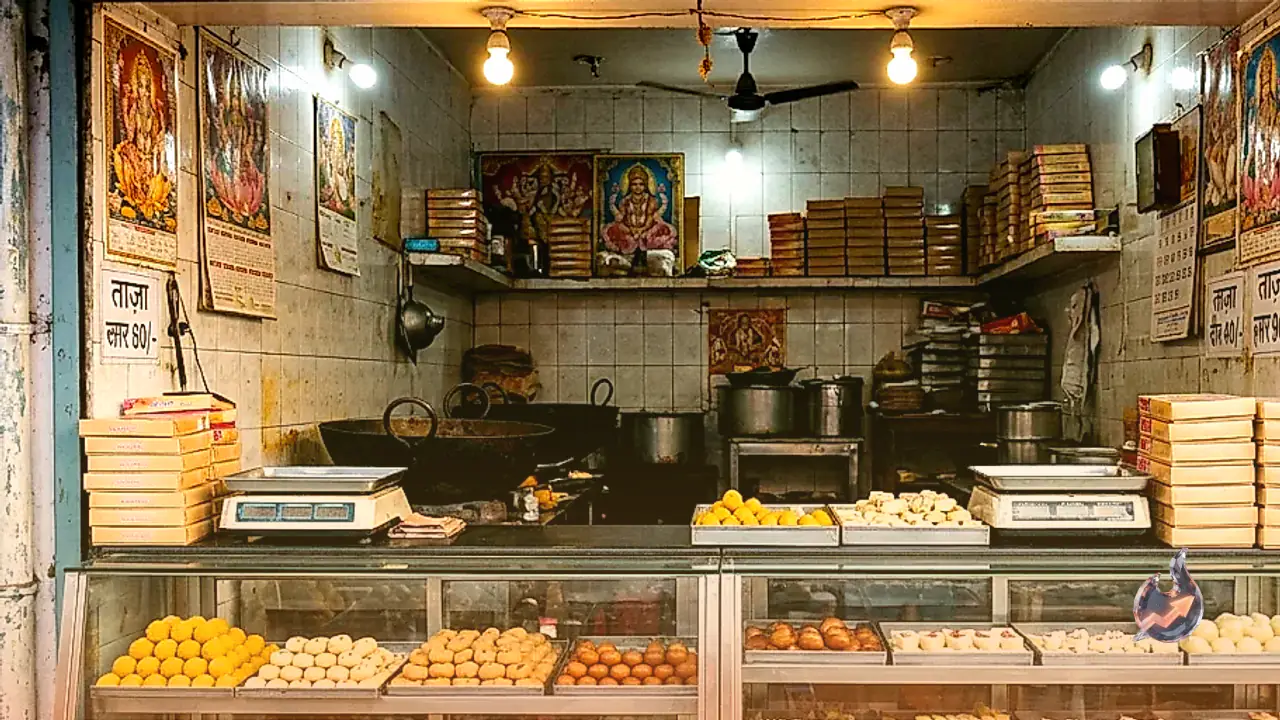
Beyond military service, the people of Titanwar have also left an indelible mark in the sphere of business by venturing into different parts of the country. Families and merchants originating from the village have set up extensive commercial enterprises in major trading centers such as Hyderabad, Maharashtra, Andhra Pradesh, and Kolkata. They have carved out a formidable reputation in the trade of commodities like rice, mustard oil, and soybeans. Venturing out of their native village to establish successful enterprises across various states, these individuals have achieved remarkable financial success while bringing immense glory to their homeland.
A 750-Year-Old Badrinath Temple Built by an Uttarkashi King
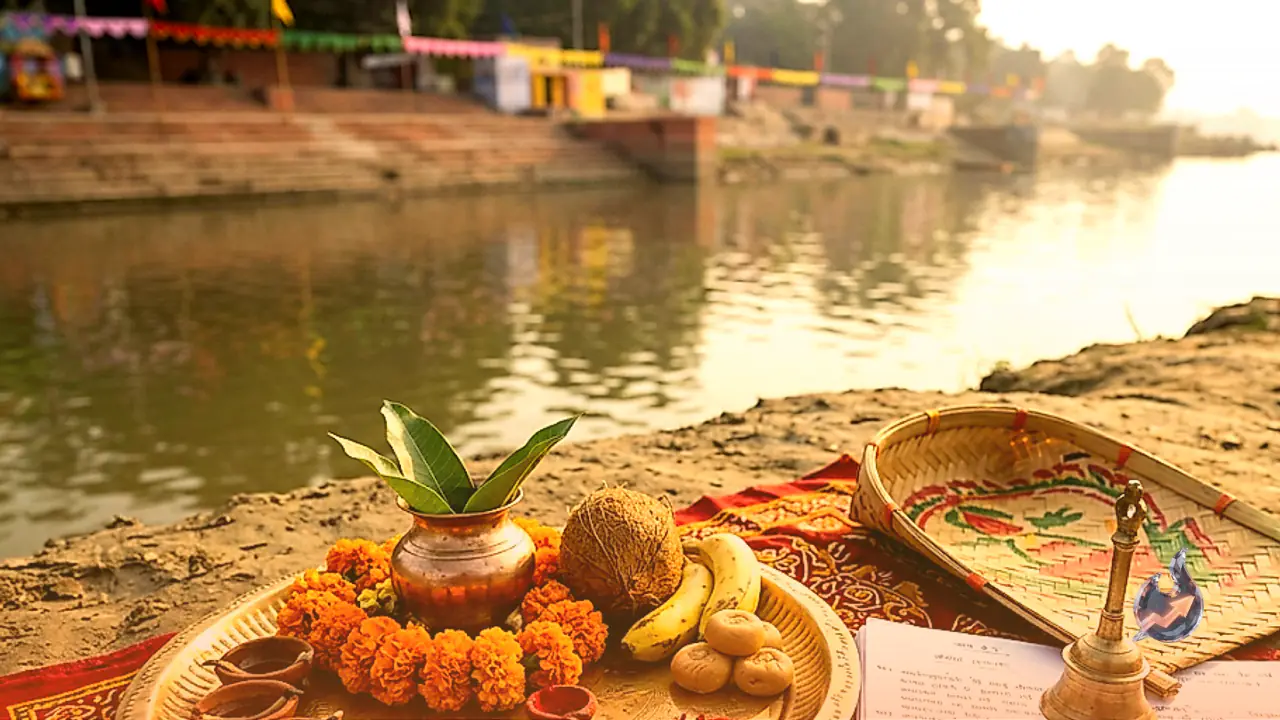
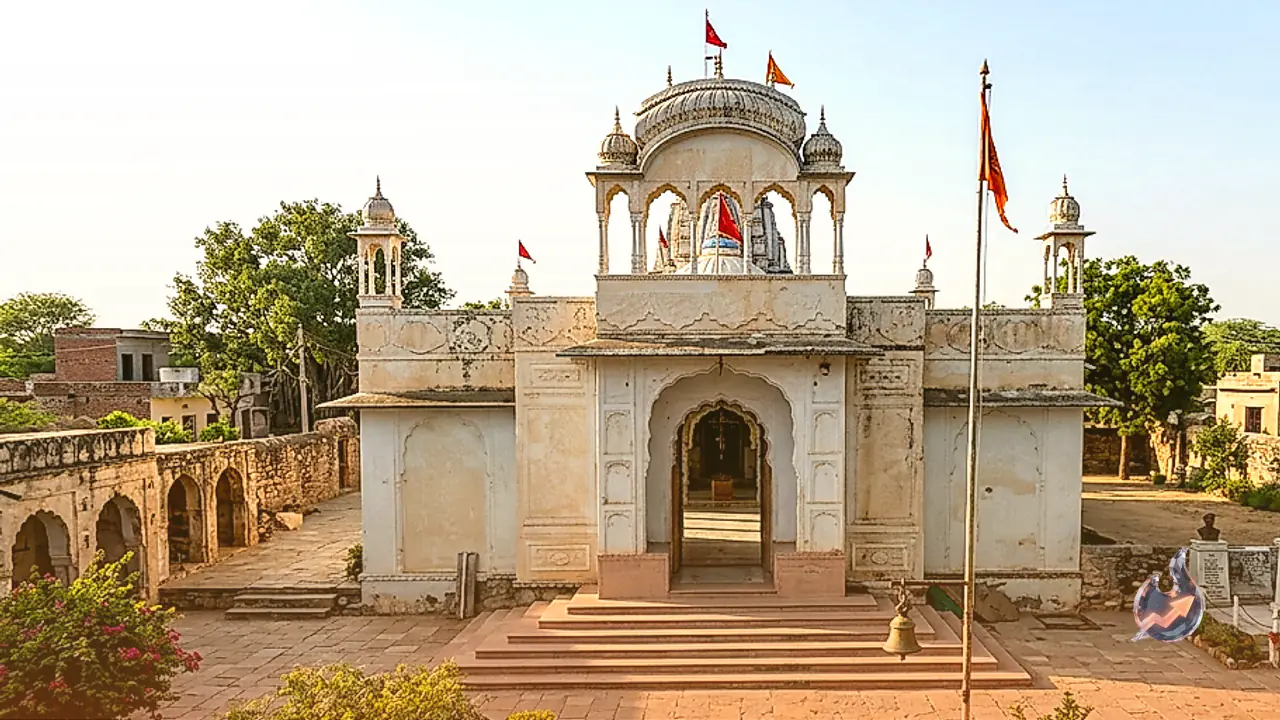
Situated in the Anokhala ki Dhani locality of Titanwar, the ancient Badrinath temple forms the religious and historical core of the village. Local lore states that roughly 750 years ago, King Suryamal of Uttarkashi commissioned the construction of this Lord Badrinath temple, mirroring the architecture and sanctity of the sacred shrine in Uttarakhand. Nestled near the Anokhala Johad, the temple plays host to special prayer ceremonies and rituals held annually on the auspicious occasion of Akshaya Tritiya. Traditions and beliefs tied to this sacred site have been passed down across generations, drawing devout pilgrims from far and wide for worship.
Philanthropists Drive Local Development and Social Welfare
The overall development and social welfare initiatives in Titanwar have greatly benefited from the generous contributions of local philanthropists. According to former teacher Durgadutt Sharma and former sarpanch Omprakash Mehla, the village's prominent Goenka family has invested approximately 30 lakh rupees into various infrastructure projects, including the renovation of the Gopinath temple, a guest house, a school building, toilet construction, and the boundary wall of a sports ground. Additionally, local benefactors Sawarmal and Mahesh Raj have extended vital support for building the Primary Health Centre (PHC) building, donating land, and constructing community rest houses and traditional wells. A strong spirit of mutual community cooperation is deeply embedded in the village culture, where a community guest house is provided free of cost to economically weaker families for organizing weddings and social functions. Assistance is readily extended to those in financial distress whenever required. The village philanthropists firmly believe that the prosperity and recognition bestowed upon them by society must actively benefit the grassroots development of their native land and its underprivileged residents.
New Gram Panchayat Status Sparks Development Hopes
Under administrative reorganization, the Mehla Titanwar ki Dhani revenue area of Titanwar has been officially designated as a new Gram Panchayat, incorporating the settlement of Neem ki Dhani within its jurisdiction. The formation of this new panchayat is expected to accelerate local administrative workflows and speed up the execution of developmental schemes. Residents are hopeful that this institutional upgrade will pave the way for an expansive upgrade of basic infrastructure and civic amenities across the village and its surrounding hamlets.