



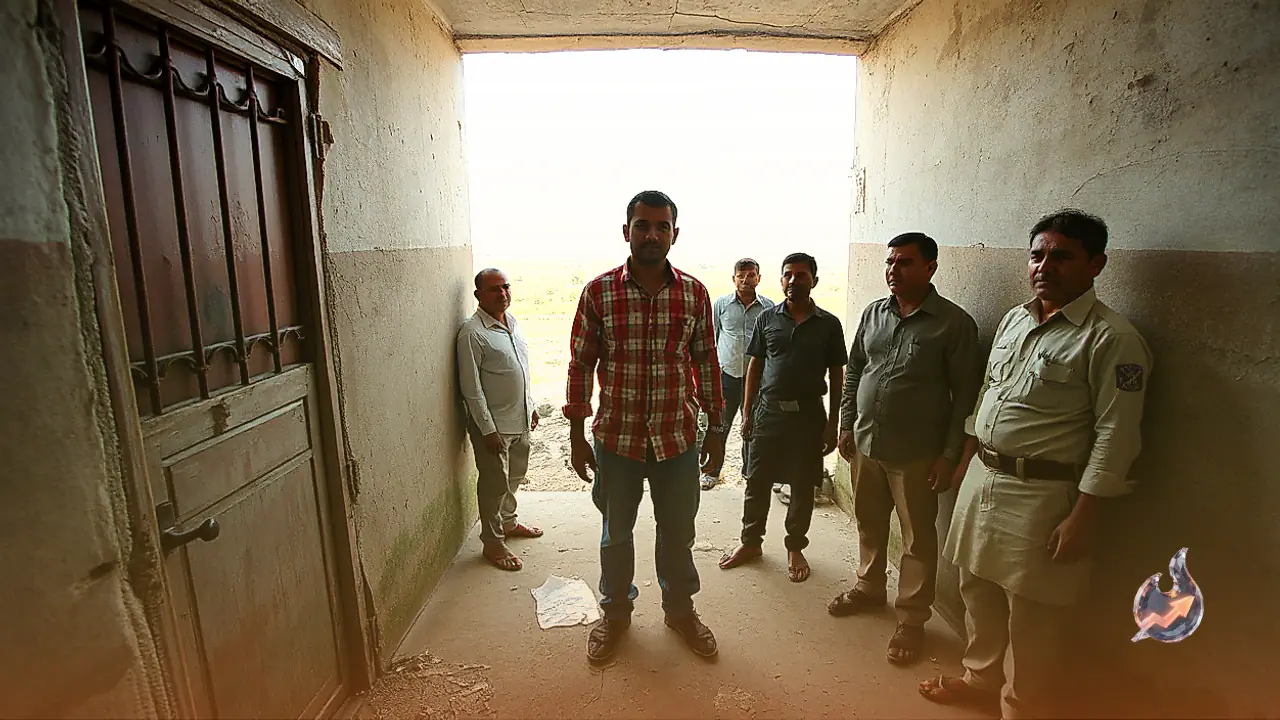
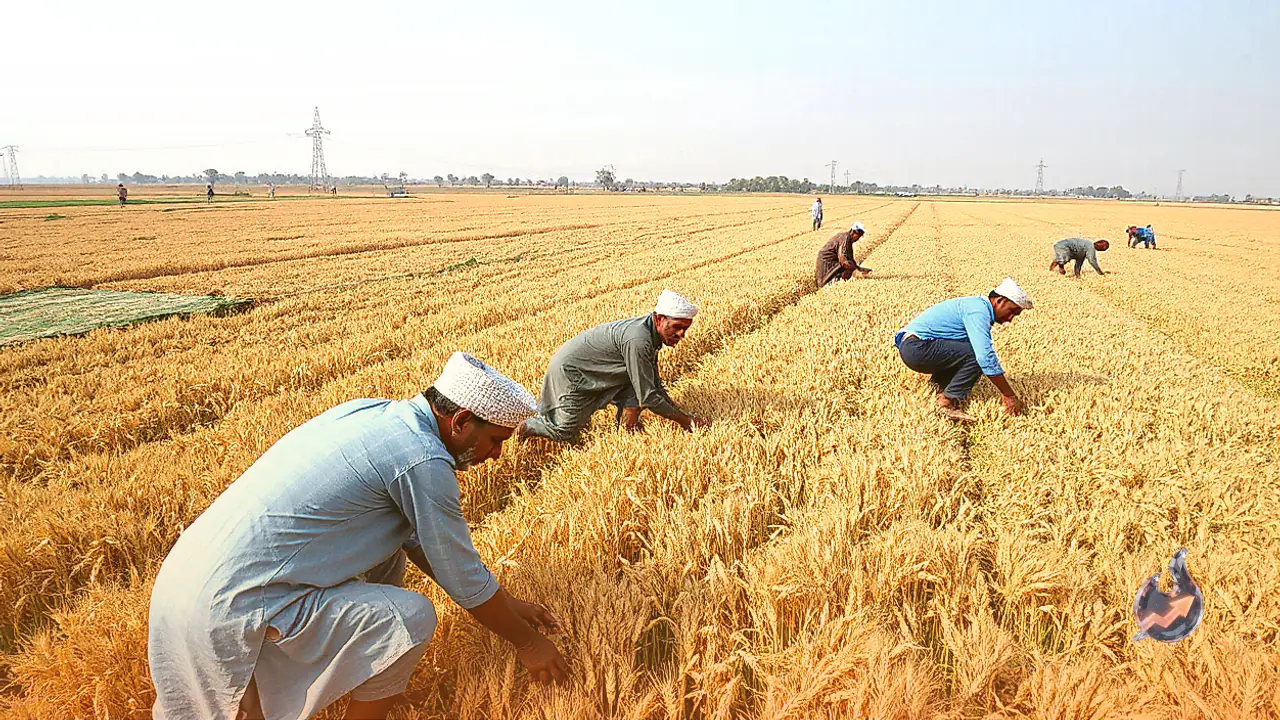














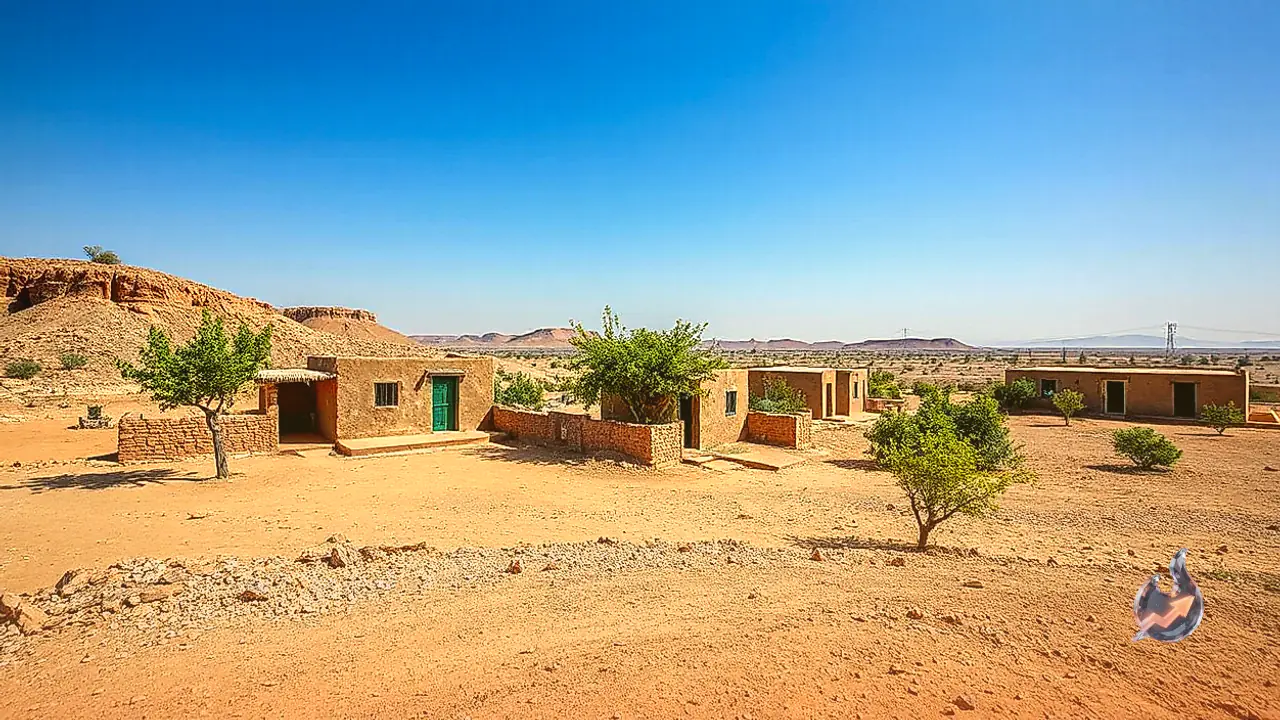

In Derod village near Chidawa in Jhunjhunu district, a landscape that was once defined by dry scrub and barren earth is now covered in lush greenery. This remarkable transformation is not the result of a government scheme, but rather the fruits of intense labor and collective effort by the local community. Roughly 7500 saplings planted three years ago within the village cremation ground have now matured into full-fledged trees. What makes this achievement notable is a distinctive one-liter-per-plant technique adopted by the villagers to nurture the saplings. This experiment in sustaining plant life under severe water scarcity has proven remarkably successful, inspiring residents of neighboring villages to replicate the method.
Initial Struggles and Clearing the Barren Terrain
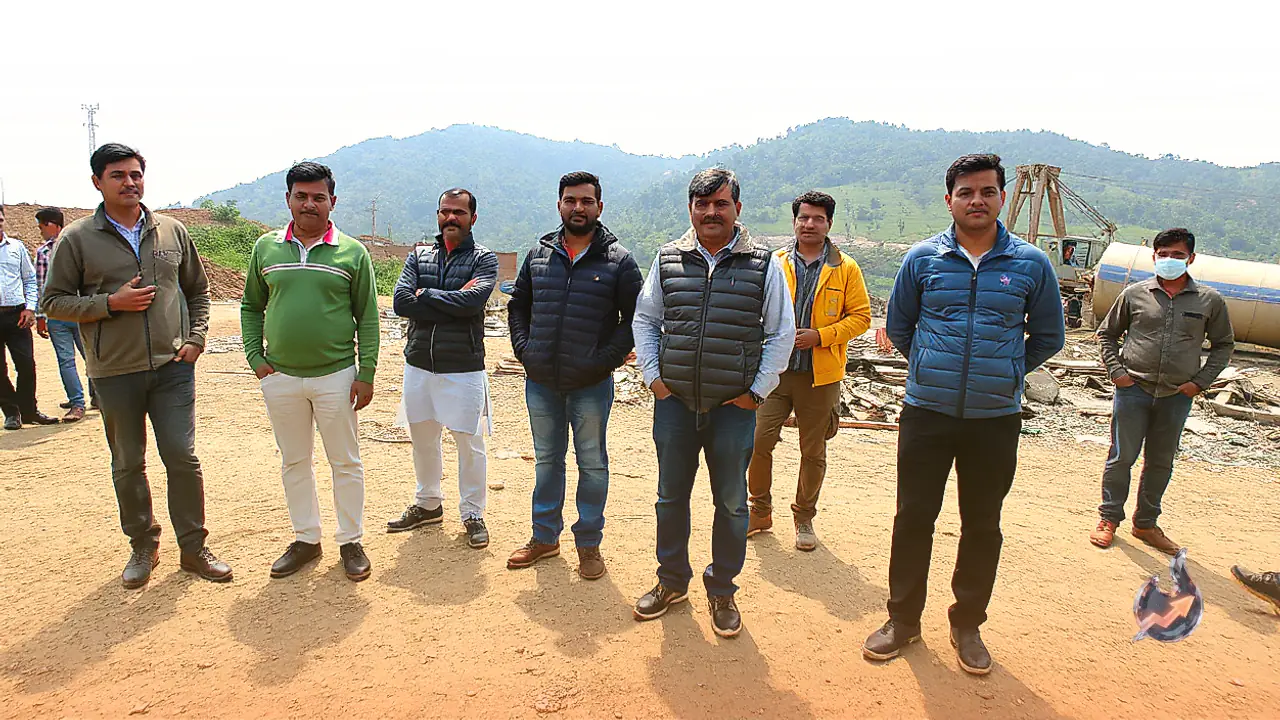
Three years ago, the cremation ground in Derod was entirely desolate, prompting the need to introduce greenery to the space. A local resident named Anup Nehra stepped forward to take charge of the initiative, uniting with fellow villagers and peers to formulate a concrete plan. In March 2022, with financial support from local philanthropists and community members, the uneven ground was first leveled. Following this, boundary walls and wire fencing were constructed to safeguard the planned plantation. After nearly two months of preparatory groundwork, the community decided to proceed with the sapling plantation during the monsoon season.
Adopting Special Techniques for Water Scarcity
While planting saplings in a desert region is relatively straightforward, keeping them alive amidst acute water shortages presents a formidable challenge. To find a viable solution, the residents of Derod reached out to Sundaram Verma, a progressive farmer hailing from Danta Ramgarh in Sikar district. They consulted him to learn about the specific watering method and executed the plantation under his expert guidance. Under this approach, plants receive limited water initially and are subsequently allowed to grow relying on the moisture trapped in the soil from rainfall. This eliminates the need for frequent manual irrigation and requires meticulous attention to soil preparation.
Scientific Tillage and Sapling Care
Approximately 15 days after the monsoon rains cease, deep tilling is performed to clear away unwanted weeds, which softens the soil and allows rainwater to seep deep underground. A second round of tilling is conducted in September to remove newly sprouted grass, ensuring that the moisture retained in the earth benefits the growing plants directly. Pits measuring roughly one and a half feet deep were dug for the plantation, maintaining a distance of about 10 feet between each sapling. The plants were carefully tended to for the first 20 days, after which they were left to thrive on natural soil moisture.
Widespread Success and Inspiration for Nearby Areas
According to Sarpanch Manju Devi, this technique was implemented in Derod for the very first time. In the early stages, the scorching summer heat raised fears that the saplings might wither, but the villagers maintained continuous care under the mentorship of farmer Sundaram Verma. The outcome of this collective dedication is that nearly 7500 saplings have grown safely and healthily. Today, people from surrounding villages visit the cremation ground to study the method firsthand. Derod's experiment has emerged as a shining example for afforestation efforts in arid and water-scarce regions.