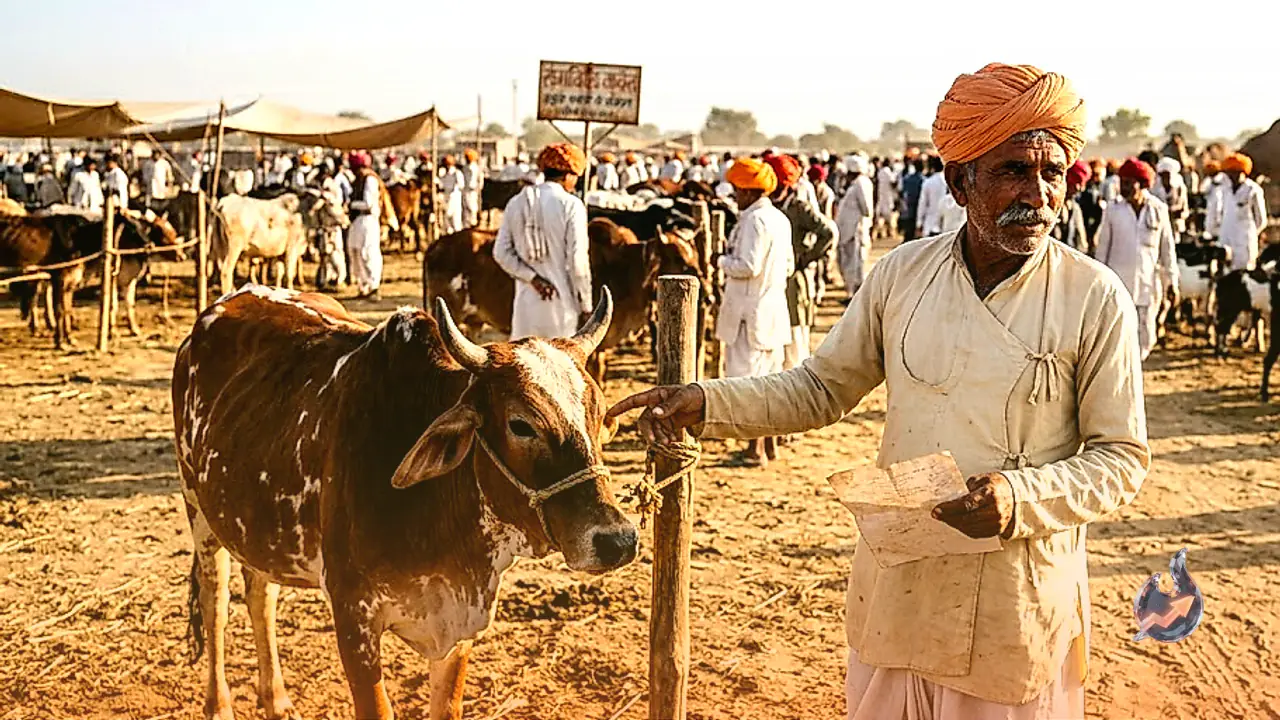























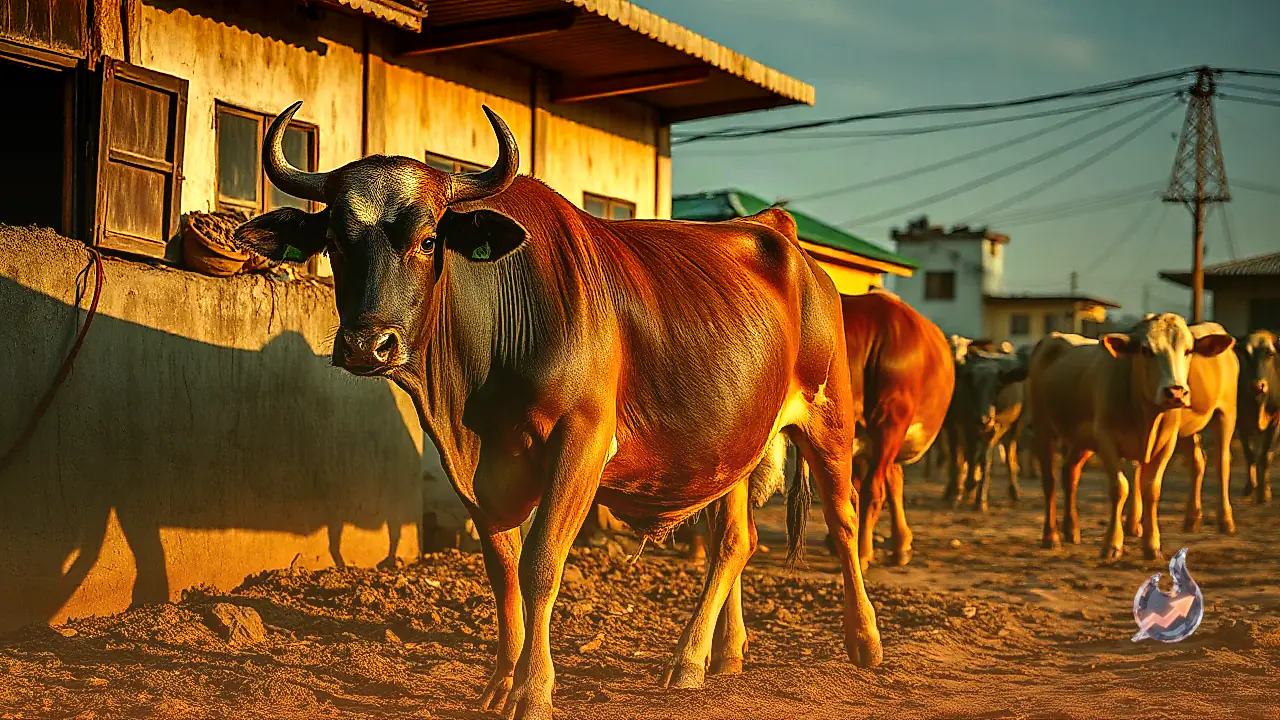

A minor oversight while purchasing dairy livestock can quickly turn into a financial setback running into thousands of rupees. Relying solely on the claims made by the seller often leads to disappointment, making an independent and thorough physical examination of the cow or buffalo essential. Key indicators such as actual milk yield, udder symmetry, dental age, body conformation, and general temperament must be evaluated carefully before striking a deal.
Three-Session Milking Trial and Udder Inspection
Never conclude a purchase based on a single milking demonstration. The most reliable method to confirm true milk potential is to personally milk the animal over three consecutive intervals. For instance, extract the milk on the first evening, the following morning, and once again on that second evening. This provides an accurate average yield. Alongside the output, inspect the udder and teats with great care. All four quarters and teats should be evenly proportioned, positioned at proper distances from each other, and free of defects. Gently palpate each teat to ensure there are no hard nodules, swelling, or signs of inflammation that could point to chronic infections.
Evaluating Milk Veins and Lactation Stage
A prominent indicator of high dairy capacity lies along the belly of the animal. Examine the milk veins running from the lower abdomen toward the udder. When these veins are thick, raised, and exhibit a tortuous or zigzag pattern, it is universally recognized as a hallmark of a high-yielding animal. In contrast, cattle with straight, faint, or thin veins typically have lower milk producing potential. In addition to vascular structure, the lactation order matters significantly. Acquiring a cow or buffalo in its second or third calving stage is generally regarded as ideal, as the animal is at its peak productive maturity.
Determining Age Through Teeth and Gauging Temperament
The lower jaw offers clear evidence regarding the true age of livestock. Opening the animal's mouth to check the incisors is standard practice. An animal possessing four to six permanent teeth is considered young and in its prime. Excessively worn down, broken, or missing teeth reveal advanced age, which frequently correlates with declining milk yields. Temperament is equally vital for daily management. Gently stroke the animal along its spine and touch the teats. If the cow or buffalo exhibits extreme nervousness, kicks, or resists an unfamiliar handler, it will likely present severe handling and milking challenges in the future.
Body Conformation, a 20-Step Gait Test, and Female Calves
A well-built dairy animal displays a distinct wedge-shaped profile, appearing narrower in the front shoulders and wider across the rear hips. Its hide should be supple, thin, and glossy, with bright, clear eyes and a moist muzzle. Always untie the cattle and walk it for 15 to 20 paces to observe its movement. This short walk immediately uncovers any hidden lameness, stiffness, or defects in the hooves, which should neither be overgrown nor misshapen. Finally, check that the dung is normal, and if possible, choose an animal accompanied by a female calf, providing a valuable young replacement for the dairy holding over the coming years.