


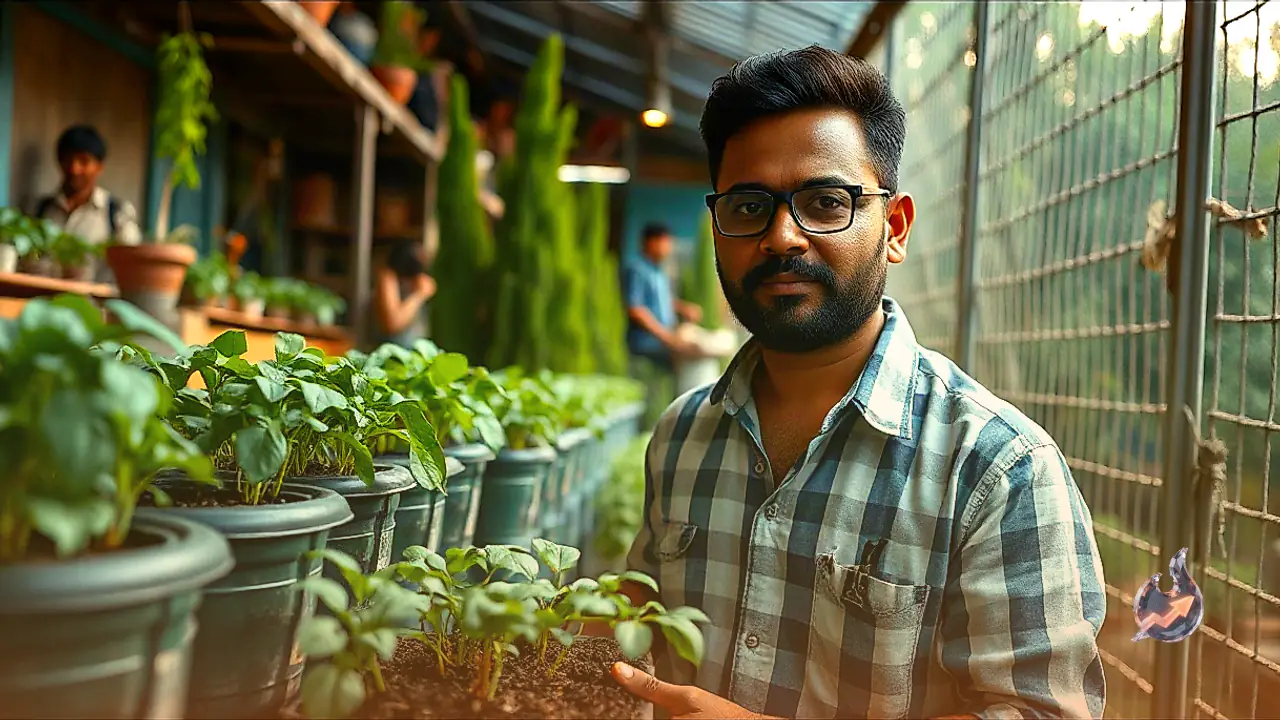



















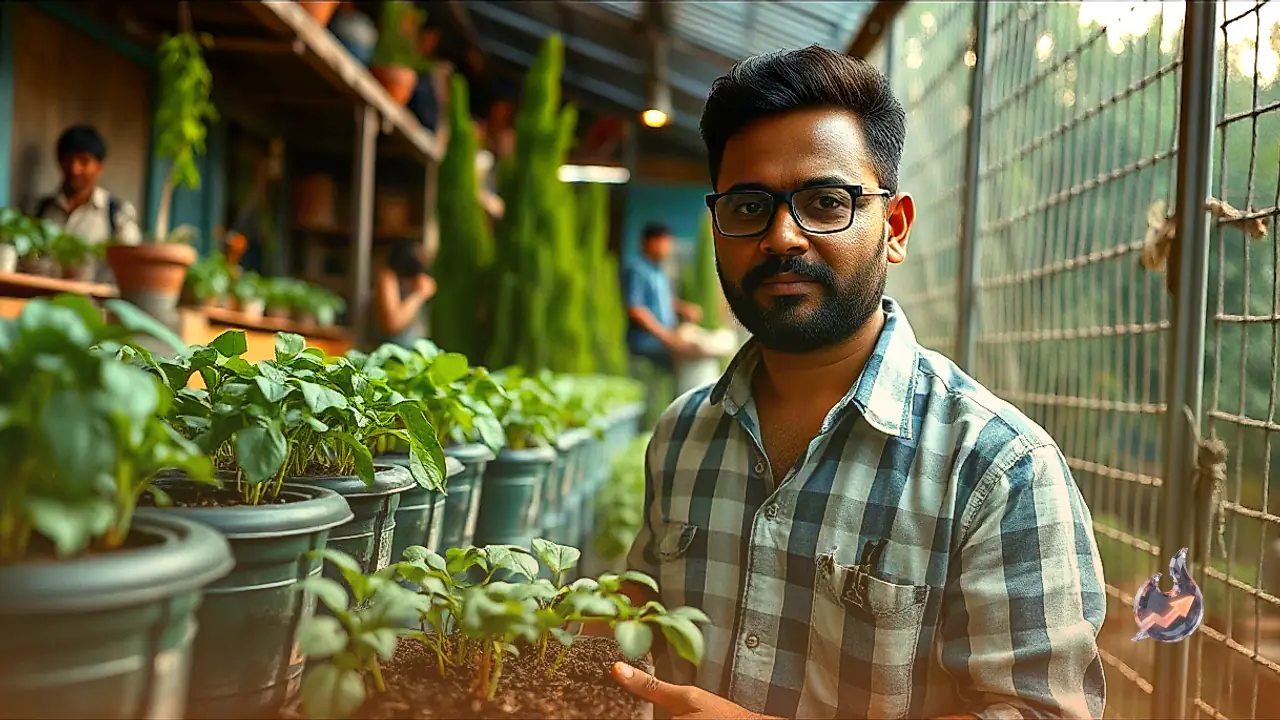

For homeowners and gardening enthusiasts looking to grow their own food, September marks a crucial window of opportunity. Taking the right steps with planting and transplanting during this period ensures a steady supply of fresh produce throughout the upcoming winter, significantly cutting down on regular trips to the vegetable market. Anas, an agriculture expert based in Dehradun, points out that the climatic conditions in September are particularly supportive of early plant development, while also naturally minimising the risks associated with pests and seasonal crop diseases.
Top Vegetable Choices for September Sowing
Selecting suitable varieties is the foundation of a rewarding winter kitchen garden. According to Anas, crops such as fenugreek, French beans, broccoli, cauliflower, and beetroot can be successfully sown during this month. Gardeners can also include cucumber, as household demand for it remains high and consistent throughout the season. These vegetables form a staple part of daily meals, and September provides just the right balance of temperature to stimulate their initial shoot and root growth.
Raising Seedlings Before Final Transplanting
Rather than dropping seeds directly into garden beds or permanent containers, starting with nursery seedlings offers far better results. Anas explains that sowing seeds in compact seed trays or starter pots allows close monitoring during the fragile germination phase. Once the young plants grow a few inches tall and establish strong stems, they can be safely moved to larger garden plots or spacious containers. Raising seedlings indoors or in shaded nursery trays is straightforward and dramatically boosts the survival and growth rate of the plants after transplanting.
Potting Mix Essentials: Cocopeat, Perlite, and Vermiculite
A loose, nutrient-holding growing medium is essential to give young roots the best possible environment. Anas recommends preparing a lightweight potting mix by blending cocopeat, perlite, and vermiculite together. This combination keeps the medium airy, preventing compaction and ensuring roots receive an uninterrupted supply of both oxygen and moisture. The enhanced aeration plays a pivotal role in accelerating root establishment during the earliest growth stages.
When the nursery seedlings are sturdy enough for final planting, they should be transplanted into the kitchen garden along with this prepared potting mixture. To protect young roots and stems from dampness-related fungal infections, growers can also apply an appropriate fungicide as needed to keep the saplings healthy.
Low Pest Incidence and Favourable Weather
The seasonal transition in September creates a supportive setting where destructive garden pests and plant illnesses are naturally far less prevalent. Anas notes that this reduced threat level gives autumn-sown greens an uninterrupted run to establish their foliage. By raising nursery stock on time and transplanting saplings with care, home growers can look forward to an abundant harvest of homegrown vegetables right across the cold months.