





















In a historic transformation across the Naxal-affected belts of Chhattisgarh, regions once gripped by red terror are witnessing a peaceful resurgence. A striking example of this shift unfolded in Arlampalli village, located in the Sukma district, where local residents and security forces recently gathered for a community outreach event. The atmosphere of fear that once dominated these remote forest terrains is gradually giving way to stability, marked by the unfurling of the national flag in former extremist strongholds on Independence Day and the establishment of regular development initiatives by the Chhattisgarh Police.
From Terror Courts to Peace Assemblies
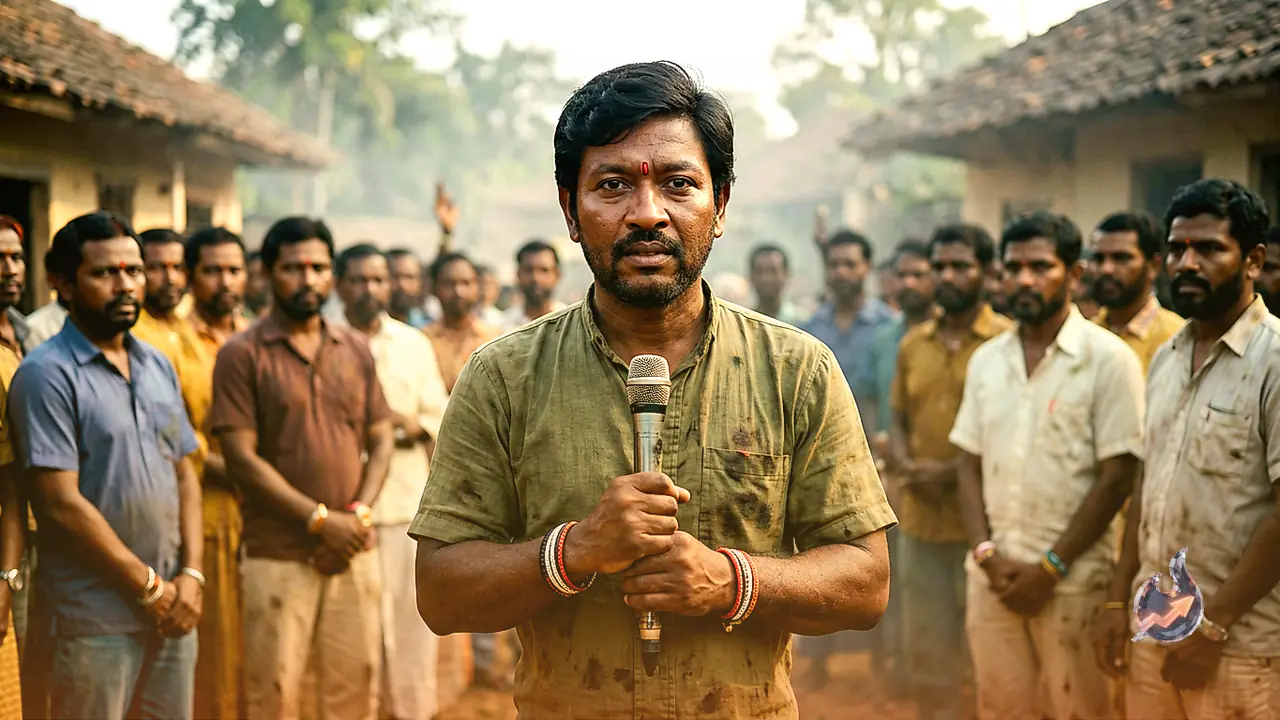
For decades, villages like Arlampalli endured severe hardship under the shadow of armed extremist groups. Naxalites frequently convened public courts, known as Jan Adalats, to impose arbitrary rules, issue threats, and punish villagers who resisted their ideology. Changing this dynamic, the Chhattisgarh Police organized a community gathering titled Shanti Ki Chaupal in Arlampalli. The initiative aimed to replace the legacy of intimidation with open dialogue, police outreach, and civic development programs, providing a platform for villagers to share their past struggles and present aspirations.
The 1990 Ordeal of Former Sarpanch Sodhi Handa
During the peace assembly, former village Sarpanch Sodhi Handa recounted a harrowing incident from 1990 that highlighted the hostility of extremist groups toward education. At the time, Sodhi Handa was a student pursuing his 12th-grade education and participating in a local public awareness campaign in Kistaram. This awareness drive was initiated by Late Mahendra Karma to rally rural communities against extremist violence. Sodhi Handa and several fellow youths were actively supporting the movement when insurgents targeted them during a night rally.
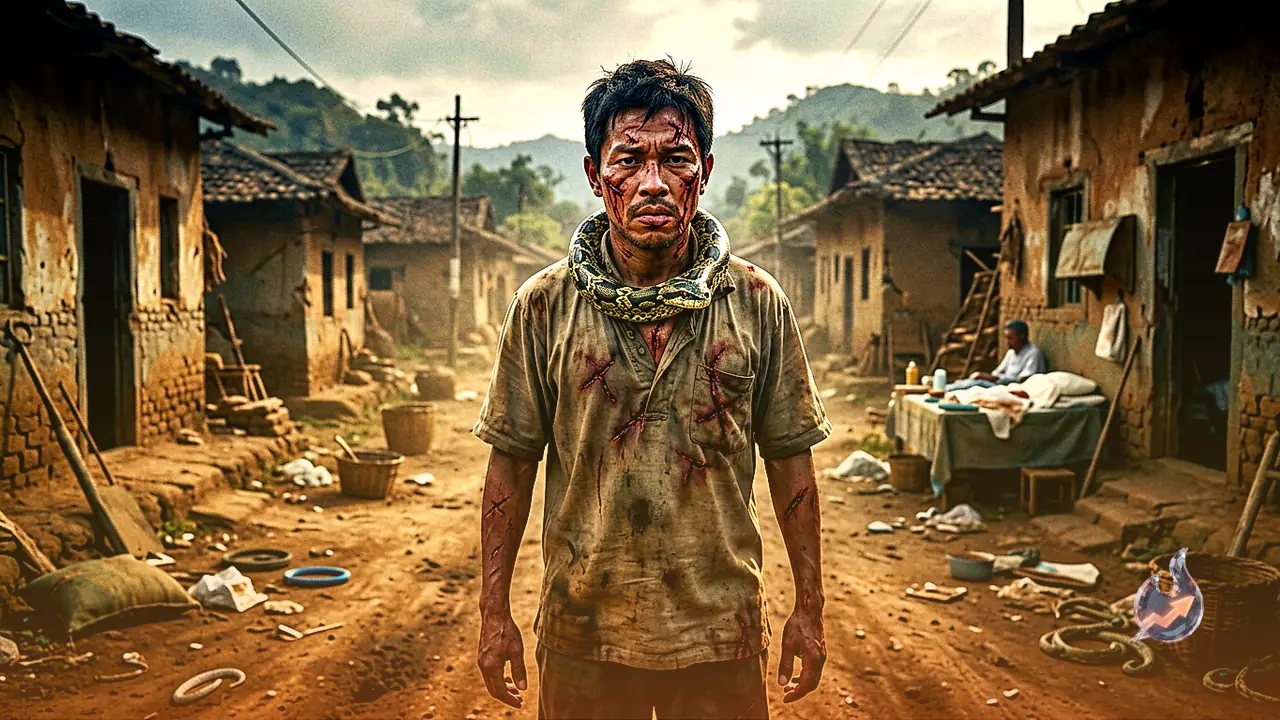
Fearing that educated villagers would understand legal frameworks and oppose their oppressive tactics, the insurgents targeted Sodhi Handa specifically to halt his academic progress. Extremist cadres declared that an educated young person would create obstacles for their organization. To ensure he could no longer study or write, they brutally fractured both of his hands. Recalling the tragic assault, Sodhi Handa stated, "They feared that higher education would make me understand their rules, so they broke both my hands in class 12." Although the violence permanently ended his formal education, he survived the brutal assault and remained deeply committed to his community.
Community Resilience and Protecting Local Schools
Beyond personal targeted attacks, the insurgents also sought to destroy essential civic infrastructure to keep rural populations isolated. Extremist groups repeatedly attempted to demolish the historic Arlampalli school building along with the village Panchayat Bhavan. However, the residents of Arlampalli demonstrated extraordinary courage by standing united against the attackers. Led by local elders and community members, the villagers refused to allow the destruction of their educational facilities. Because of their collective determination, both the school and the Panchayat Bhavan remain standing intact today.
Restoring Public Trust and Security
The sustained presence of law enforcement and administrative authorities in remote pockets of Sukma has significantly boosted public morale. Villagers in Arlampalli note that regular police patrols and administrative outreach have instilled a sense of protection that was absent for decades. The transition from fear to security has enabled local children to attend school without threat, while development welfare schemes gradually reach the interior parts of the district. The story of Sodhi Handa and Arlampalli serves as a testament to the resilience of tribal communities in Bastar and the ongoing efforts to bring lasting peace to the region.