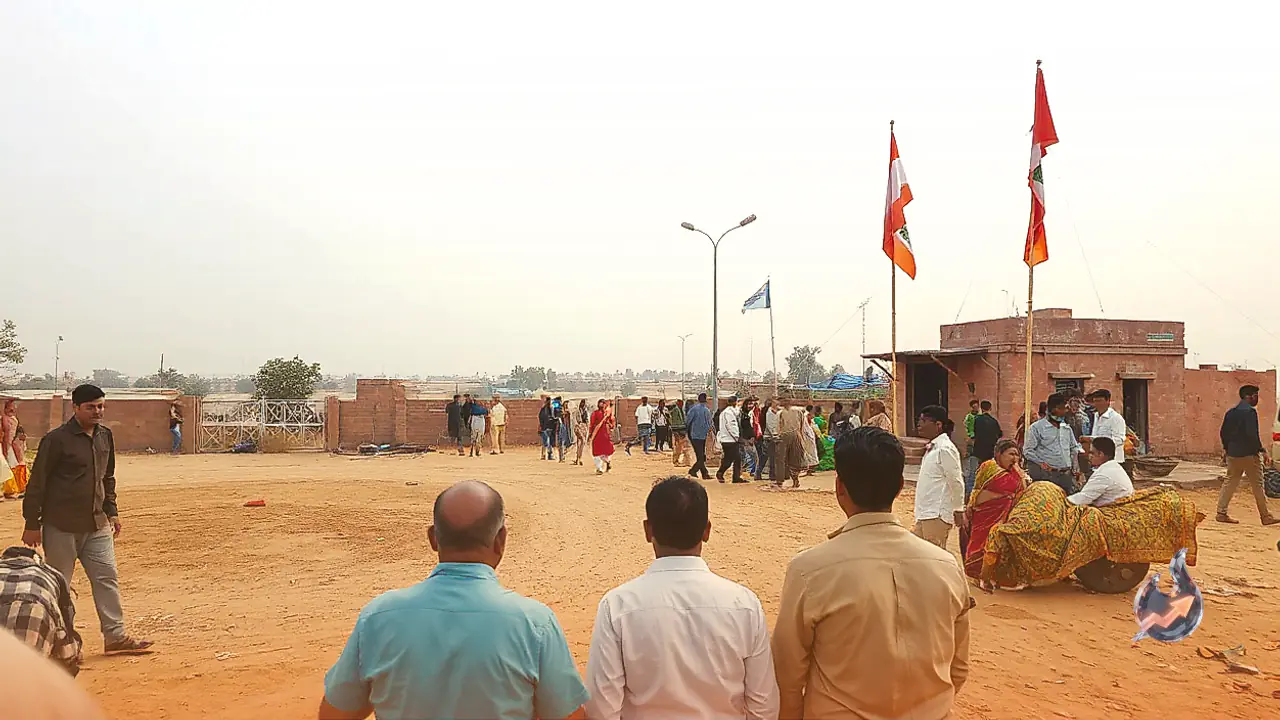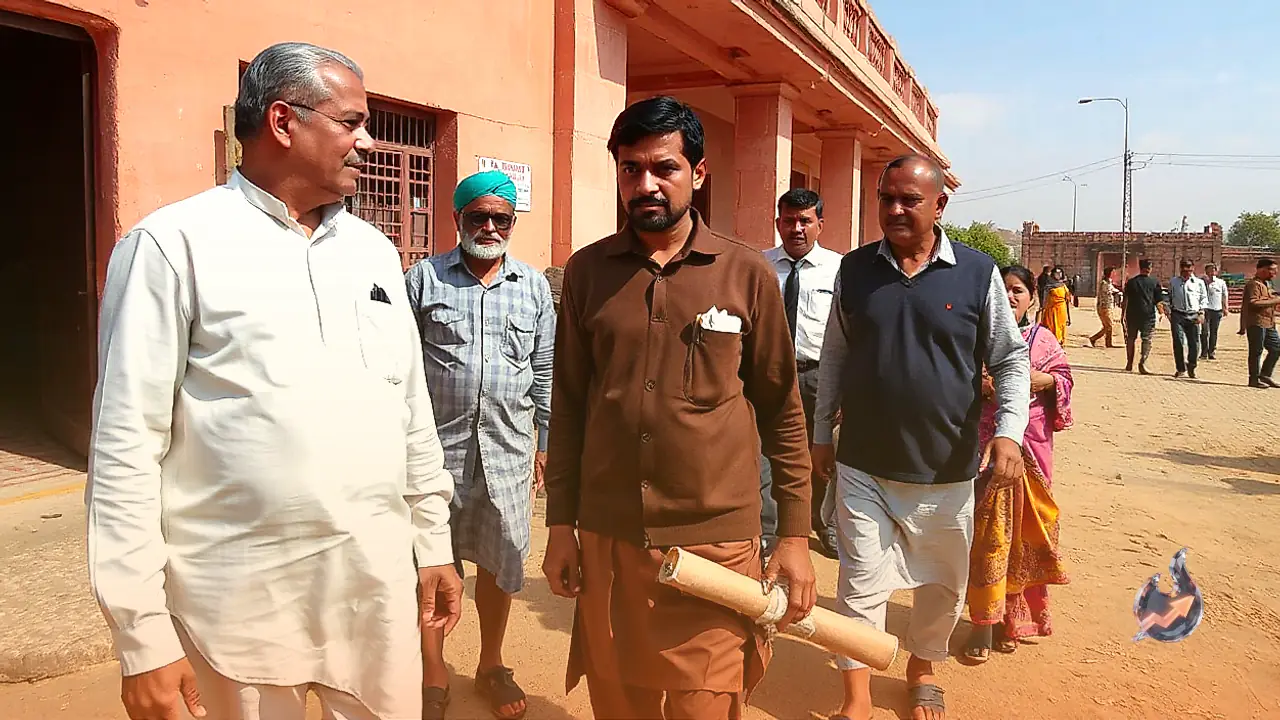

A major infrastructure expansion is underway at the Mukundara Hills Tiger Reserve in Kota, Rajasthan, aimed at boosting wildlife conservation and eco-tourism in the region. The Darrah enclosure, which currently spans 82 square kilometers, is slated for a massive expansion to reach 200 square kilometers. Under the Earth Project, an ambitious proposal worth approximately Rs 20 crore has been submitted to the state government to fund this initiative. Once the proposal receives formal approval, an additional 118 square kilometers of new forest land will be integrated into the enclosure. This expansion will officially establish it as the largest tiger enclosure in the country. The core objective behind this extensive scaling up is not only to establish a secure and natural habitat for tigers but also to develop new amenities and fresh safari opportunities for wildlife tourism.
Enclosure Expansion and New Fencing Infrastructure
T. Mohan Raj, Chief Conservator of Forests (CCF) for Wildlife, explained that the forest tract stretching from Danta to the Kalisindh River will be incorporated into the new enclosure. This expanded zone will feature natural boundaries on two of its sides, bordered by the Kalisindh River on one flank and the Aahu River on the other. To secure the remaining perimeter, authorities will install approximately 15 kilometers of new fencing. This robust barrier will effectively prevent the unauthorized entry and movement of outsiders and domestic cattle. While the existing Darrah enclosure spans 82 square kilometers, the blueprint to enlarge it to 200 square kilometers will grant tigers a much larger natural expanse for roaming, breeding, and hunting. The current enclosure is already larger than the roughly 64 square kilometer enclosure at the Gandhi Sagar Sanctuary in Madhya Pradesh, and this upcoming expansion will cement Mukundara's status as India's premier tiger enclosure.
Ecological Recovery and Growth in Herbivore Populations
The original 82 square kilometer enclosure at Mukundara was established back in 2018. Since gaining this protected status, the area has witnessed marked improvements in local vegetation, grasslands, and plant life. The steady development of natural grasslands has consequently driven an increase in populations of chinkara and other herbivorous wildlife species. This ecological boost ensures a reliable and adequate prey-base to sustain the resident tigers. Officials believe that enlarging the enclosure will substantially lower the likelihood of territorial fights among tigers. Furthermore, the newly acquired space will build the carrying capacity to comfortably house more than 10 tigers.
Plans to Grow the Tiger Population and Relocate Big Cats
The Mukundara Tiger Reserve is presently home to 7 tigers, comprising 6 adults and a single cub. To strengthen the local tiger population, the forest department is preparing to introduce new tigers and tigresses into the reserve. Officials are exploring relocation options from Maharashtra as well as the Sariska and Ranthambore reserves. According to officials, a final decision regarding these transfers will be finalized only after a thorough assessment of tiger movement patterns and prevailing environmental conditions in the area.
Chambal River Water Lifting and Strategic Water Points
Infrastructure has also been upgraded to guarantee a dependable water supply for wildlife during the harsh summer months. In alignment with the Chief Minister's budget announcement, arrangements have been made to lift water from the Chambal River at four distinct locations. High-powered 15 HP motors have been installed at individual sites in Borawas and Kolipura, alongside two units deployed within the Jawahar Sagar range. These motors lift water to elevated hillside storage tanks with capacities ranging between 100,000 and 110,000 liters. From these reservoirs, water is channeled down to designated water points as needed. These facilities are currently utilized by a variety of wildlife species, including tigers, chinkara, sloth bears, and leopards.
Safari Tourism Growth and Registered Jeeps
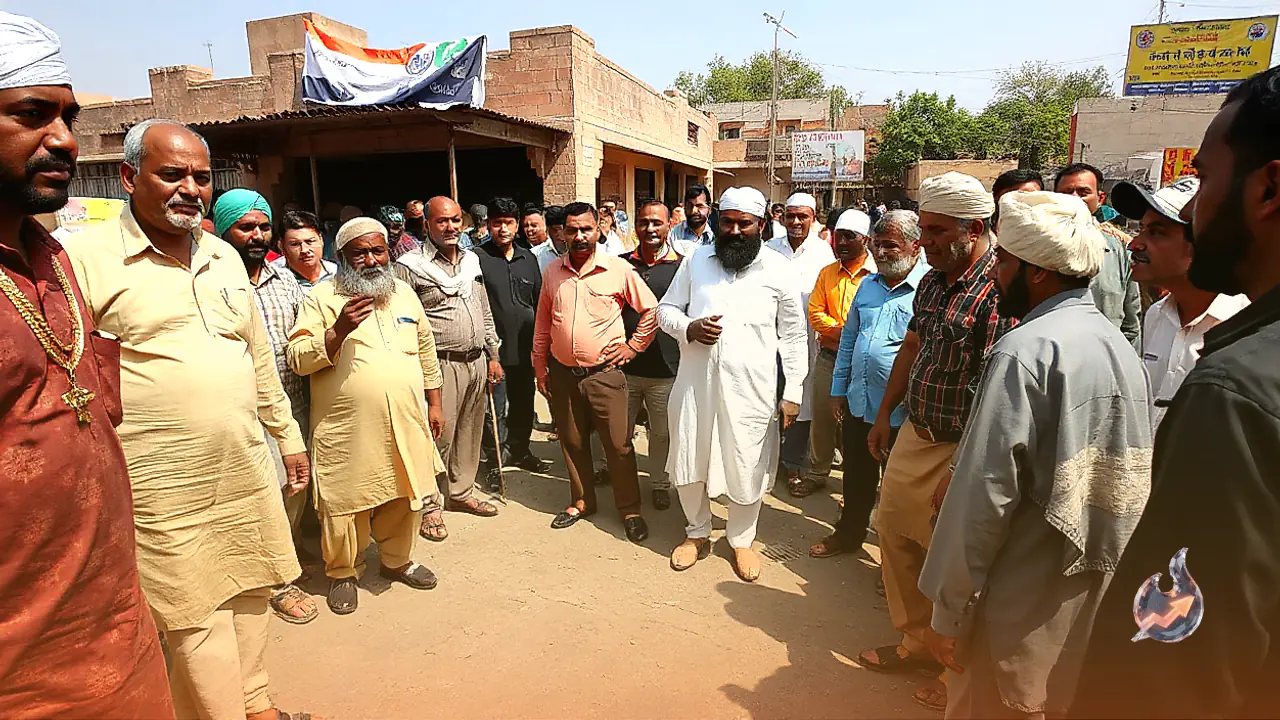
Tourism operations within Mukundara are steadily gaining momentum. A total of 21 jeeps have now been officially registered for operations within the Darrah enclosure. Demand is robust, with all registered jeeps fully booked during holiday periods. To streamline and organize the safari experience, the forest department organized a one-day orientation workshop for jeep drivers. The training covered proper tourist etiquette, comprehensive knowledge of local wildlife, and vital safety precautions to observe during jungle safaris. Once the enclosure expansion is completed, authorities will be able to map out new safari routes. This development is expected to significantly stimulate eco-tourism across Kota and the broader Hadoti region while simultaneously generating fresh local employment opportunities tied to the tourism sector.