

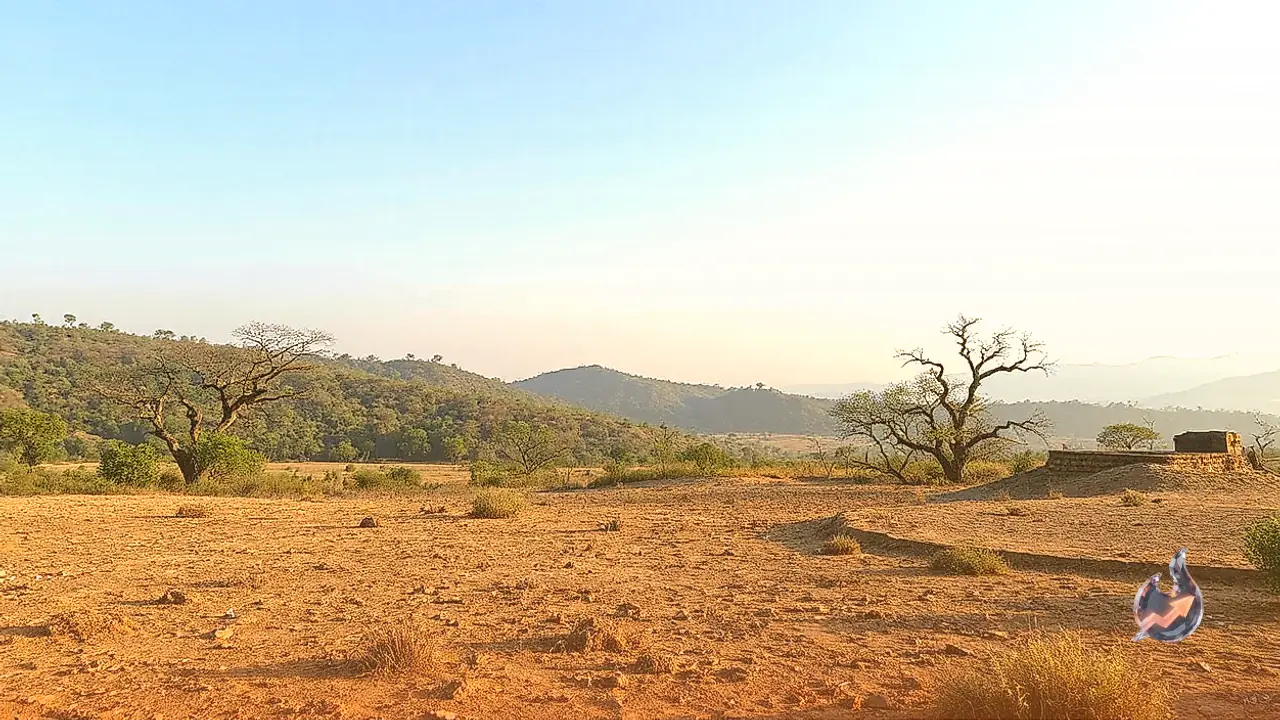

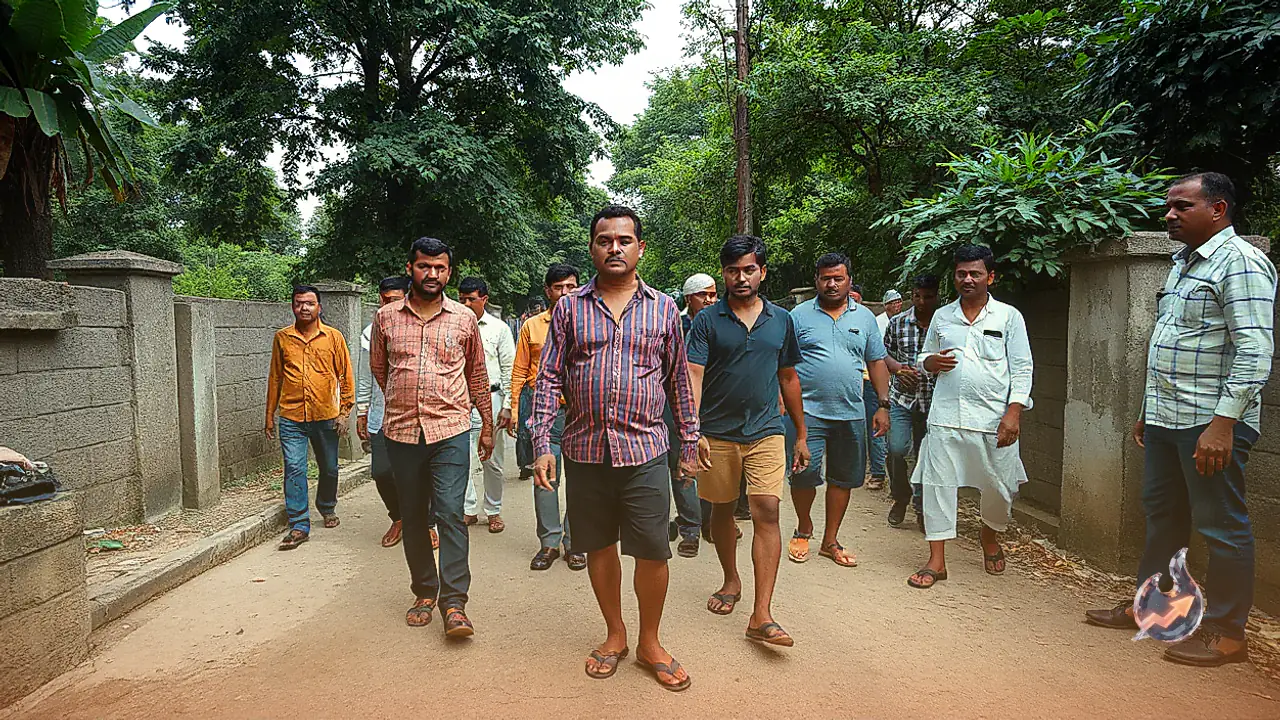
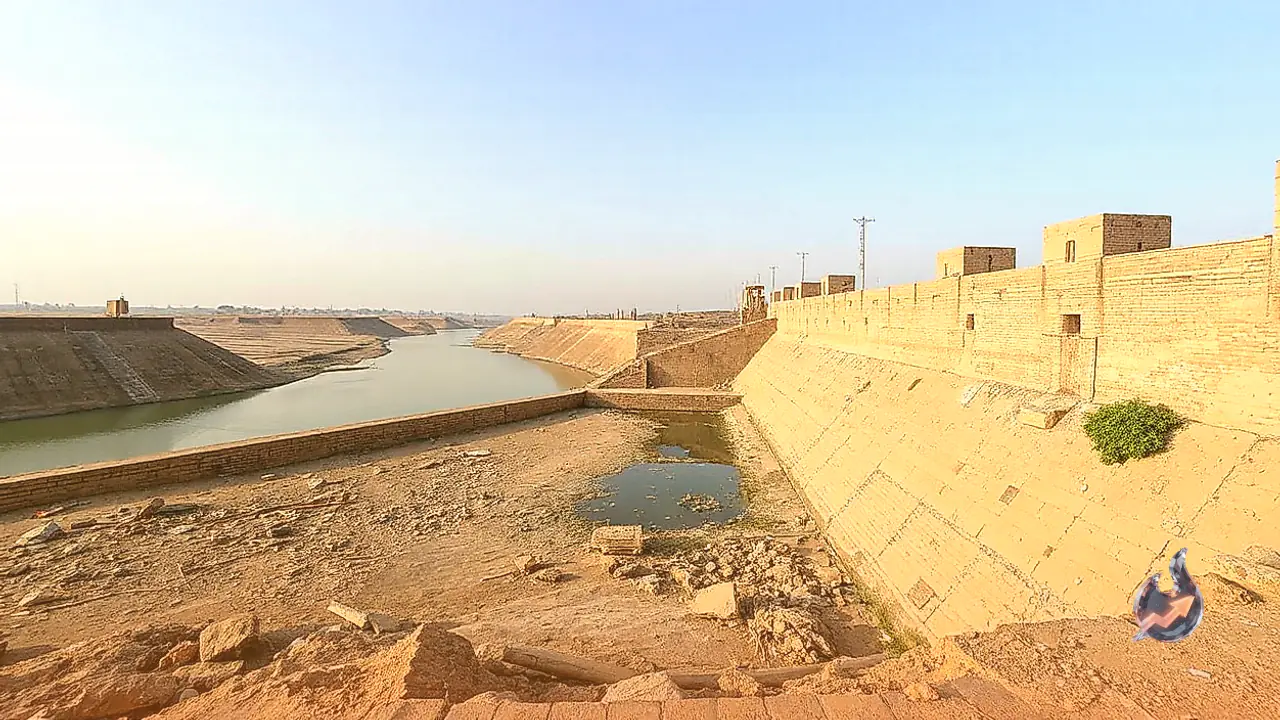














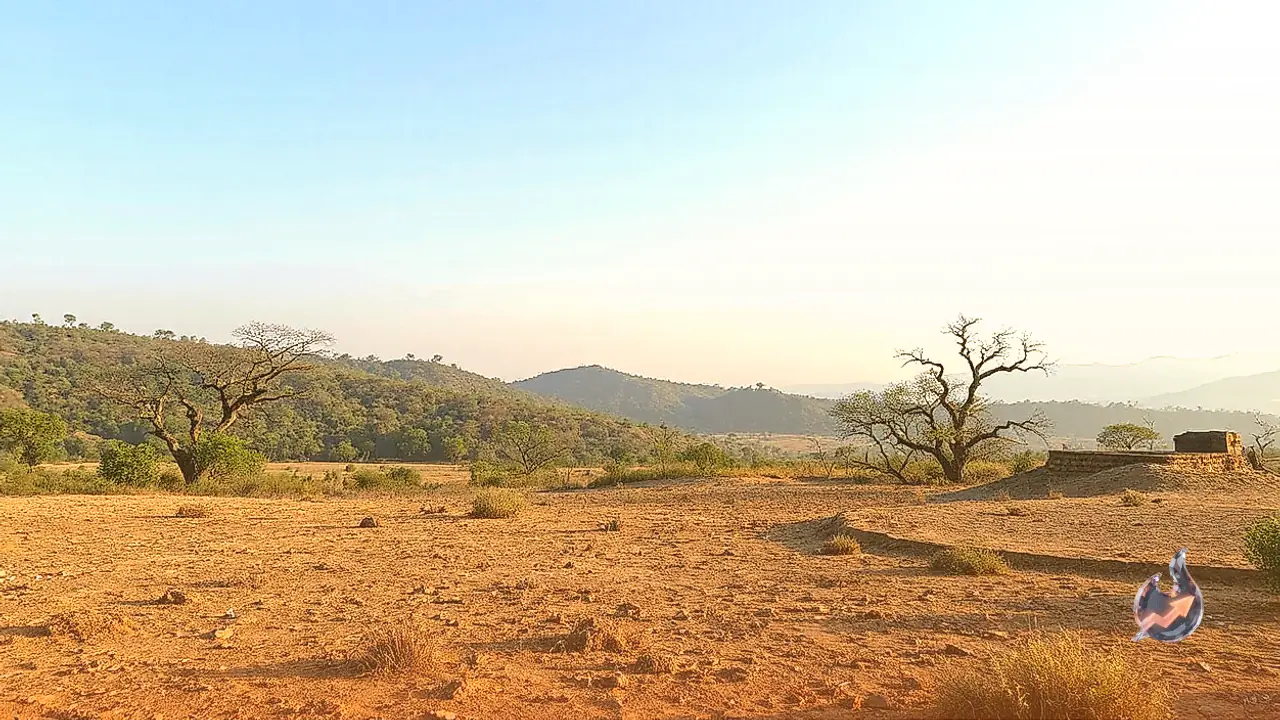

Nature lovers and wildlife enthusiasts planning a visit to the Hadoti region will soon be able to reserve their jungle safari slots at the Mukundra Hills Tiger Reserve in Kota through an online platform. The Rajasthan Forest Department has granted official authorization to transition the ticketing framework from an offline process to a fully digital booking mechanism. Technical preparations for the platform are in their final stage of completion, and forest authorities confirm that the facility will be accessible to the general public during the month of November.
Integration with Government Online Booking Management System
For the past year, safari entries at Mukundra Hills Tiger Reserve were managed exclusively through offline booking counters. To improve visitor convenience and streamline operations, the Forest Department conducted continuous efforts to digitize the system, culminating in the recent formal approval. Safari slots for Mukundra Hills will now be processed through the official Online Booking Management System (OBMS) portal of the Rajasthan government, bringing it in line with the systems functioning at the Sariska Tiger Reserve and the Ramgarh Vishdhari Tiger Reserve. Division Forest Officer S. Muthu stated that the new system will allow domestic and international tourists to reserve their safari tickets up to two months prior to their intended date of travel. Under this advance booking protocol, tourists wishing to undertake a safari in January can secure their bookings as early as November.
Official Guidelines and Advisory Against Fraudulent Platforms
With the shift toward digital operations, forest authorities have issued an explicit caution to travelers regarding fake websites and online financial scams. DFO S. Muthu advised all prospective visitors to carry out their transactions solely through the verified portal of the Rajasthan Forest Department or the official OBMS management system, emphasizing that tourists should carefully verify that the domain name in the web address includes "rajasthan.gov.in". Additionally, completing the online reservation process will require tourists to sign in with a valid SSO ID and submit credentials from a recognized identity card, such as an Aadhaar card, a Voter ID, or a Driving License.
Expectations of Tourism Growth in the Hadoti Region
Wildlife expert and environmental enthusiast Banwari Yaduvanshi noted that the winter months spanning from December through February are widely regarded as the peak season for wildlife tourism in Rajasthan. Cooler weather during these months significantly improves the chances of sighting tigers in their natural habitat. The introduction of an online booking portal is expected to resolve scheduling difficulties for long-distance visitors and international tourists, who previously faced uncertainty due to on-the-spot offline ticketing. Local business operators, hospitality vendors, and wildlife guides across Kota and the surrounding Hadoti region anticipate that this digital initiative will provide a substantial boost to local tourism and economic activity.
Tiger Population, Current Safari Routes, and Future Expansions
Interest in the reserve has seen a steady rise, with figures showing that around 1,500 tourists explored the Dara safari route in August, followed by another 1,500 tourists in September. At present, Mukundra Hills Tiger Reserve is home to a population of 7 tigers, consisting of 2 adult males, 4 adult females, and 1 male cub. Currently, tourists are experiencing frequent tiger sightings along the buffer zone's Darrah route, accessed through the Moru Kalan Gate. To distribute visitor traffic and enhance safari options, the Kota Forest Department is developing a total of five buffer routes. Key additions include the Daulatganj route near Kota city and the Naagni route located in Chittorgarh district, where visitors often spot leopards. In addition, forest officials are finalizing arrangements to initiate core zone safaris in the Rawatbhata area shortly.