

















In Hindu tradition, the sacred thread known as moli or kalava holds profound religious significance. The age-old tradition of tying this thread on the wrist during worship, religious rituals, and auspicious ceremonies remains indispensable, with celebrations like Diwali considered incomplete without it. However, few people ponder how this sacred thread reaches the wrist, how long it takes to make, and the immense labor involved. In Bikaner, a unique sacred thread manufacturing enterprise is setting an inspiring example of religious faith, communal harmony, and women entrepreneurship.
Modest beginnings and a two-decade journey
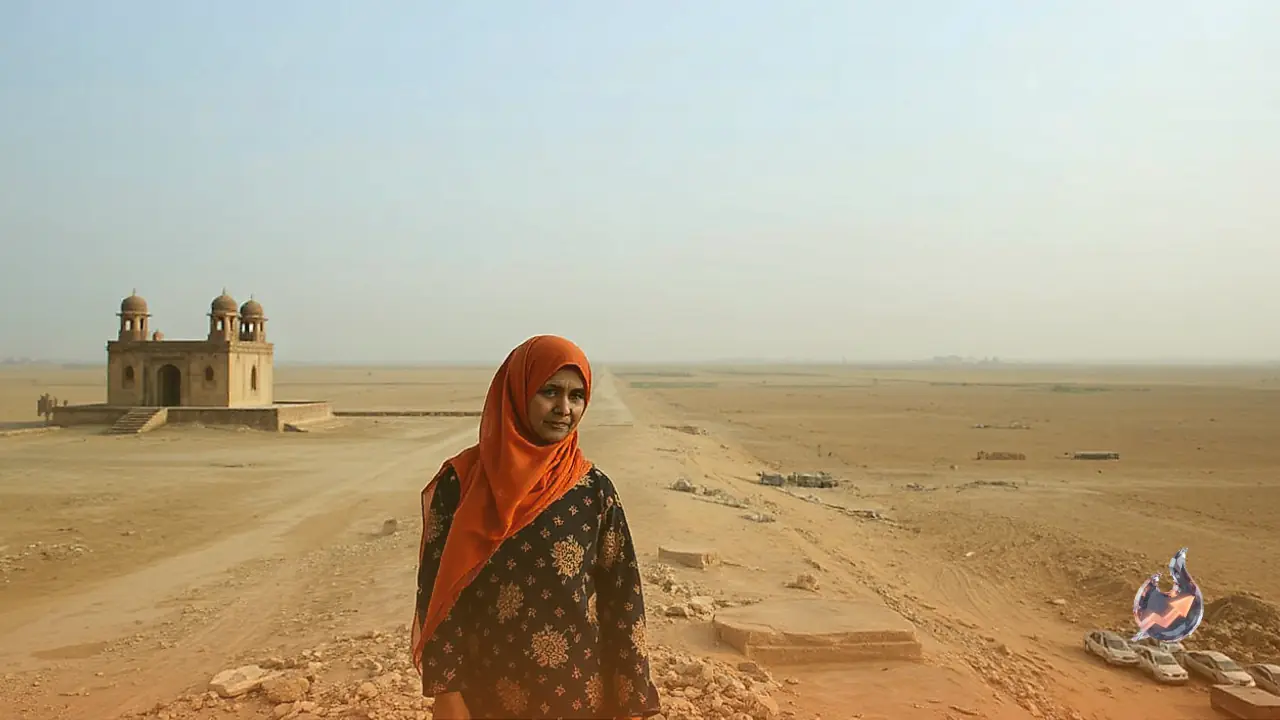
Bikaner-based entrepreneur Krishna Khatri has been associated with the sacred thread manufacturing business for nearly 20 years. She initially launched this enterprise with a meager capital of just 10,000 rupees. According to her accounts, her father-in-law had originally started this venture on a small scale, but due to irregular supplies of raw materials, operations had to be shut down multiple times. Recognizing the potential and supporting her family's needs, she revived and scaled up the business in the year 2011. Through steady dedication and accumulated experience, the enterprise expanded significantly, and today Bikaner's sacred thread reaches markets across numerous states nationwide.
Hindu and Muslim women working in unity
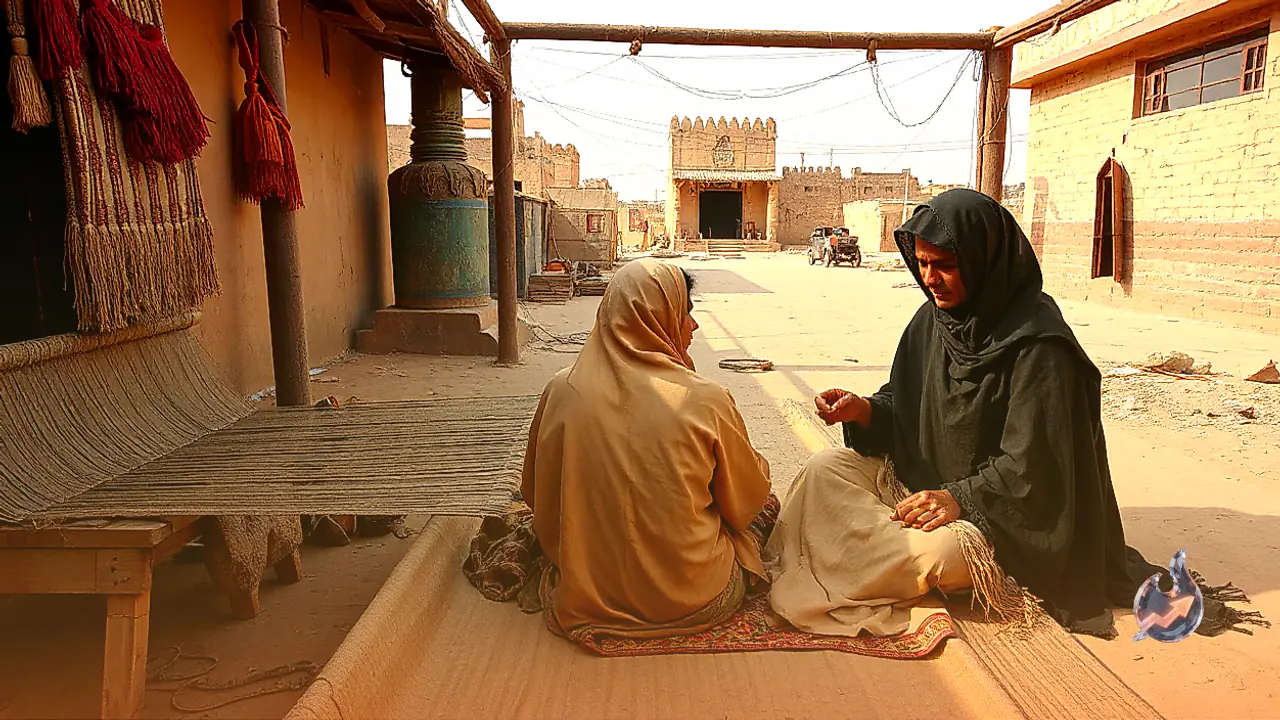
The most remarkable and touching aspect of this business is that the workforce includes women from the Muslim community. The sacred thread that Hindu families tie around their wrists with utmost devotion during religious rituals is crafted collectively by Hindu and Muslim women working side by side. This collaborative initiative presents a living example of India's composite culture, where livelihood and mutual cooperation transcend boundaries of faith and belief.
The intricate and lengthy production process
The making of the sacred thread involves a fascinating process that takes about 8 to 10 days to complete. Initially, raw yarn is organized into skeins. Following this, the dyeing process is carried out to impart vibrant colors. Once dyed, the yarn is left to dry under the sun for approximately two days. After complete drying, machines are utilized to wind the thread into spools. Subsequently, the final bundles of the sacred thread are formed, labeled appropriately, and packed for dispatch to the market. Throughout this elaborate manufacturing sequence, the material passes through the hands of roughly ten workers.
Production scale, pricing, and monthly earnings
To ensure high standards, top-quality raw yarn and colors are procured from outside sources for production. Presently, the unit produces nearly 400 kilograms of the sacred thread every day. The finished product is retailed in the market at a rate of approximately 280 rupees per kilogram. Bundles are prepared in varying sizes to suit different consumer requirements. Through the successful operation of this enterprise, Krishna Khatri generates a monthly income of around 50,000 rupees, providing stable economic support.
Surging nationwide demand during festive seasons
While production remains steady year-round, demand witnesses a massive surge during festive periods such as Diwali. Because this thread is essential for religious rituals, Laxmi worship, and other auspicious events, workload intensifies significantly during these months. The sacred thread manufactured in Bikaner is not restricted to Rajasthan alone but is supplied to several other states across the country, including Gujarat, Madhya Pradesh, Assam, Manipur, Uttar Pradesh, and Delhi.