
























To keep homes green and aesthetically pleasing, people these days prefer growing various indoor plants. Among these, the snake plant stands out as a top choice because it requires minimal maintenance and thrives easily indoors. Its long, upright, and sword-like leaves make it distinctly different from other plants, featuring striking green and yellow stripes that look quite attractive. In both the hilly and plain regions of Uttarakhand, people easily grow it in their homes, balconies, verandas, and offices. Bageshwar-based gardening enthusiast Richa Joshi explains that the snake plant even releases oxygen during the night.
Unique Biological Process and Characteristics
Normally, most plants take in carbon dioxide during the day through photosynthesis, but the snake plant utilizes a special process known as CAM. Through this mechanism, it absorbs carbon dioxide even during nighttime hours. When it receives sufficient light during the day, it releases oxygen through light-driven processes. This unique trait makes it one of the most popular indoor plants to keep in a bedroom. Its foliage effortlessly enhances the empty corners of a house, and it can be planted in anything from small containers to large decorative pots. Furthermore, the plant can survive in low-light environments, although optimal growth occurs when it receives good illumination.
Care Guidelines and Air Purification Claims
The greatest advantage of the snake plant is that it does not demand heavy maintenance. It can remain lush and green for extended periods with very little water. According to Richa Joshi, many people also consider it an air-purifying plant. Laboratory studies have shown that snake plants possess the capability to reduce certain air pollutants, though the actual impact of plants on cleaning indoor air in ordinary households remains limited. When planting this greenery, one must use soil with excellent drainage capabilities. The pot must have a drainage hole at the bottom to prevent water logging.
Watering Rules and Maintenance Tips
The plant should be placed in a spot that receives gentle natural lighting. Overwatering the snake plant can cause its roots to rot, which means water should only be given again after the soil has completely dried out. During the winter season, the requirement for watering drops even further. Richa Joshi advises that the leaves of the snake plant should be wiped periodically with a clean cloth to prevent dust accumulation. As the plant grows, new offshoots emerge from the roots, which can be separated and replanted in independent pots to propagate new plants.
The Myth Behind the Name and Safety Precautions
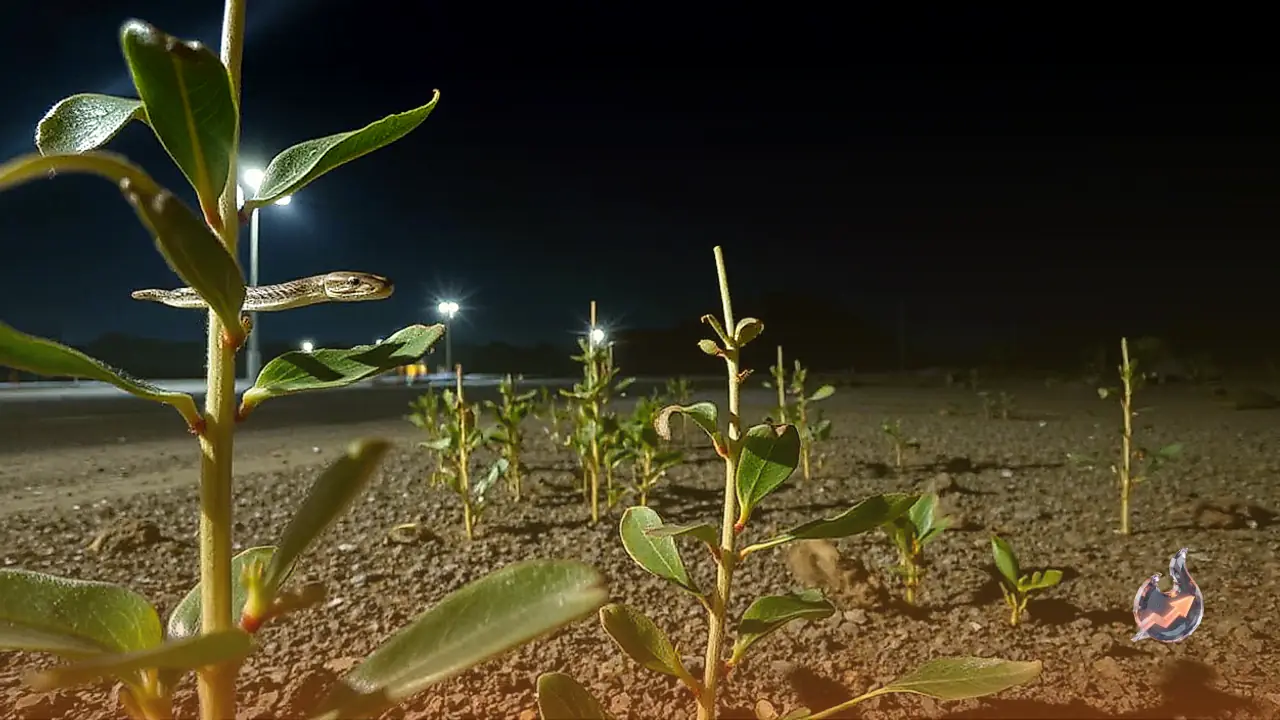
A common misconception persists among people that growing a snake plant inside the house attracts actual snakes, but there is no scientific evidence to support this claim. The plant actually derived its name from the snake-like patterns and texture present on its leaves. However, it is worth noting that the plant can be mildly toxic to household pets. Therefore, it is best to keep it safely out of reach of young children and pets to avoid any accidental ingestion or irritation.