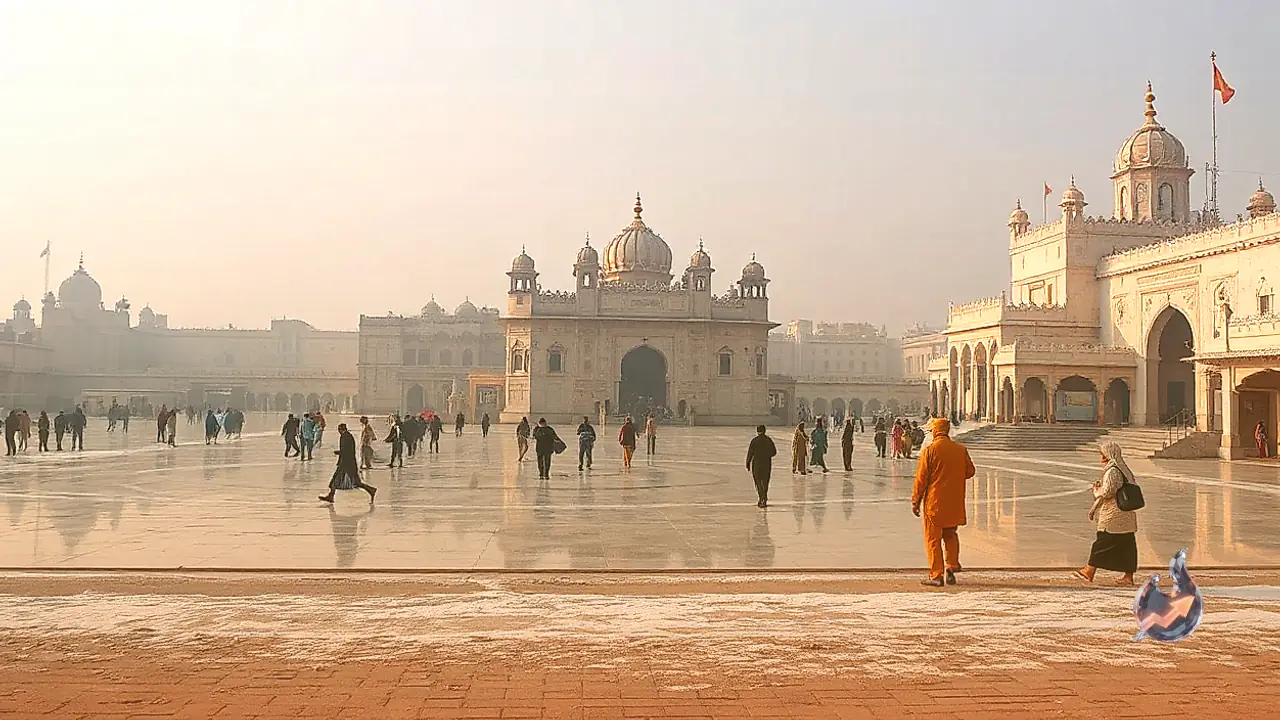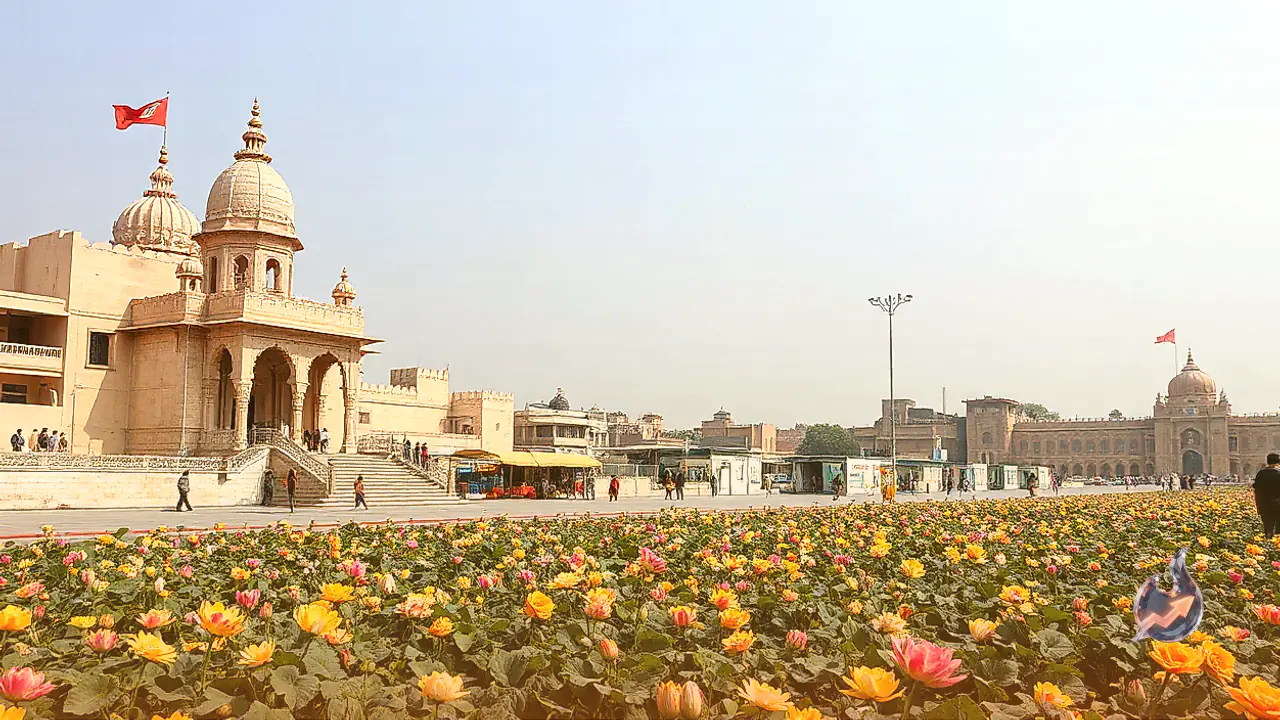

Across the country, prominent Sufi shrines are commonly recognized by the grand domes built directly over their tombs, but Nagaur in Rajasthan houses a historic dargah that breaks this architectural norm entirely. The resting place of Hazrat Hamiduddin Nagauri Chishti is distinguished by the complete absence of a dome over the tomb itself. This striking simplicity sets the shrine apart from almost every other Sufi memorial in the nation. The unique structural design, the ancient Buland Darwaza, and the deep roots connected to early Sufi traditions together narrate a story of a heritage that has endured for centuries.
The Life and Spiritual Journey of the Saint
The life of Hazrat Hamiduddin Nagauri Chishti was defined entirely by the core tenets of the Sufi tradition, profound simplicity, and rigorous spiritual discipline. Historical accounts place his birth in the year 589 Hijri, which corresponds to 1113 CE, and note that his original name was Muhammad. After receiving his foundational Islamic education at home, he pursued further learning under the guidance of Hazrat Shamsuddin Halwai. Seeking deeper spiritual enlightenment, he traveled to Ajmer and spent approximately one year in the direct service of Khwaja Moinuddin Chishti.
Spreading the Sufi Message in Nagaur
During his time in Ajmer, he received bay'at and khilafat from Khwaja Gharib Nawaz. Acting upon the explicit instructions of his master, he subsequently journeyed to Nagaur to dedicate his life to the propagation of the Sufi message. He spent his remaining years living a life of extreme austerity, personal sacrifice, and boundless compassion toward all living creatures. Because of his profound influence and long stay, Nagaur secured a deeply revered position in the historical lineage of Indian Sufi saints.
Construction of the Buland Darwaza Under Tughlaq Rule
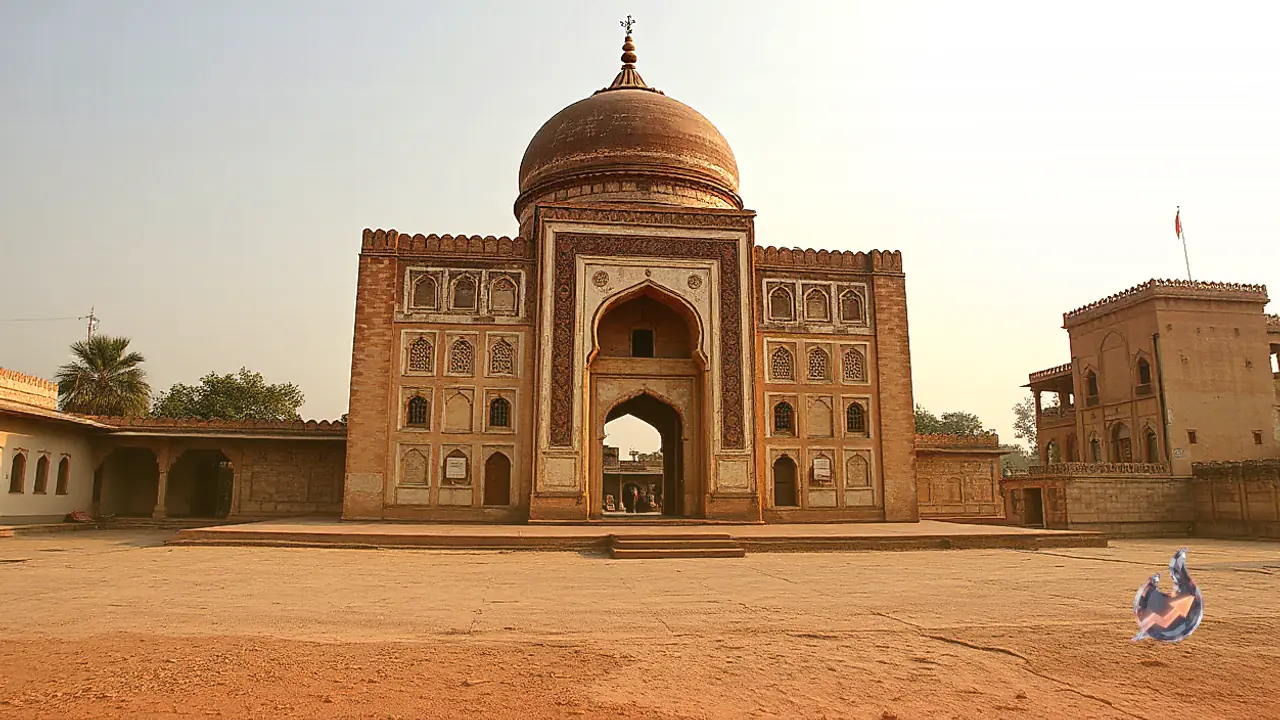
Another major architectural highlight of the shrine complex is its historic Buland Darwaza. This monumental gateway was constructed during the reign of Sultan Muhammad bin Tughlaq on 15 Shaban 730 Hijri, corresponding to the year 1339 CE. Standing at approximately 687 years of age, the gate offers a remarkable glimpse into the architecture and building techniques of that era. As visitors step into the complex, this grand entrance immediately commands attention. In sharp contrast to the elaborate decoration found in many other major shrines, the absence of a dome above the actual burial chamber lends the site a remarkably distinct structural character.
A Timeless Symbol of Simplicity and Heritage
This shrine in Nagaur serves far more than just a center for religious devotion; it stands as an irreplaceable pillar of the city's ancient history and rich Sufi cultural fabric. On one hand, it preserves the spiritual legacy tied directly to Khwaja Gharib Nawaz, while on the other, it displays the tangible history of the Tughlaq period through its magnificent gateway. The dome-less tomb combined with centuries-old architectural remnants cements its status as a defining cultural landmark of Nagaur.