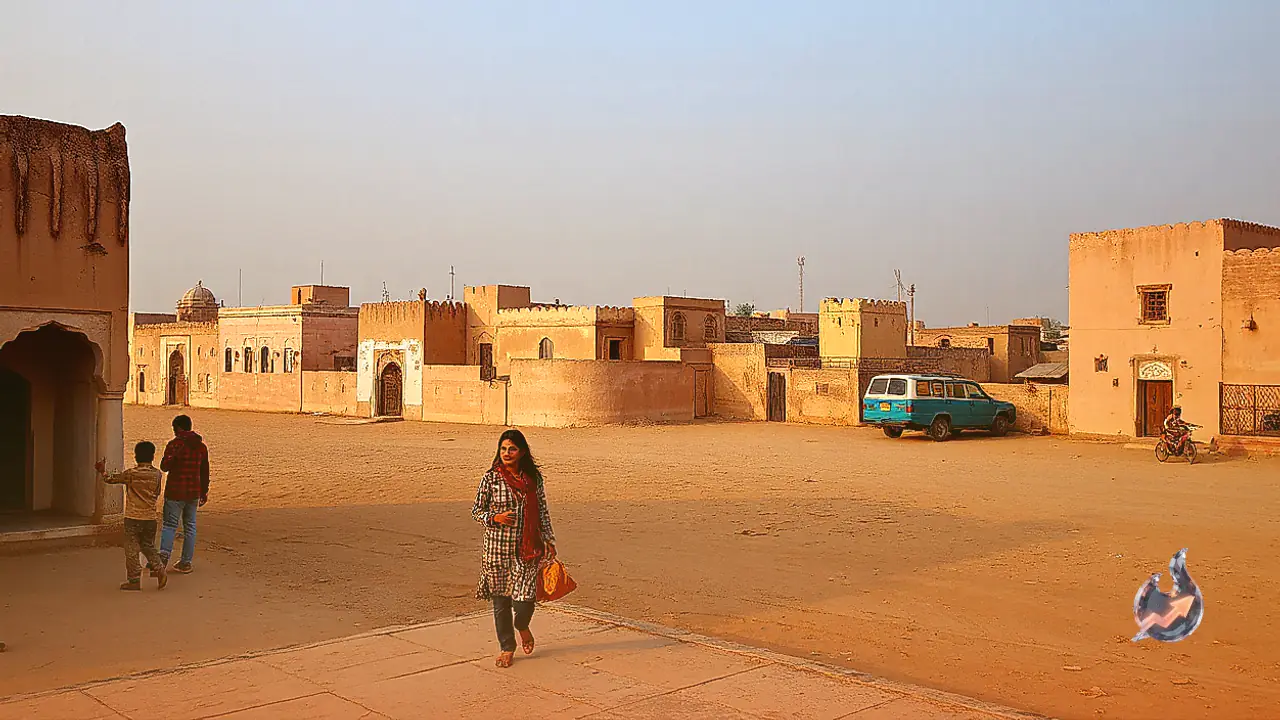

















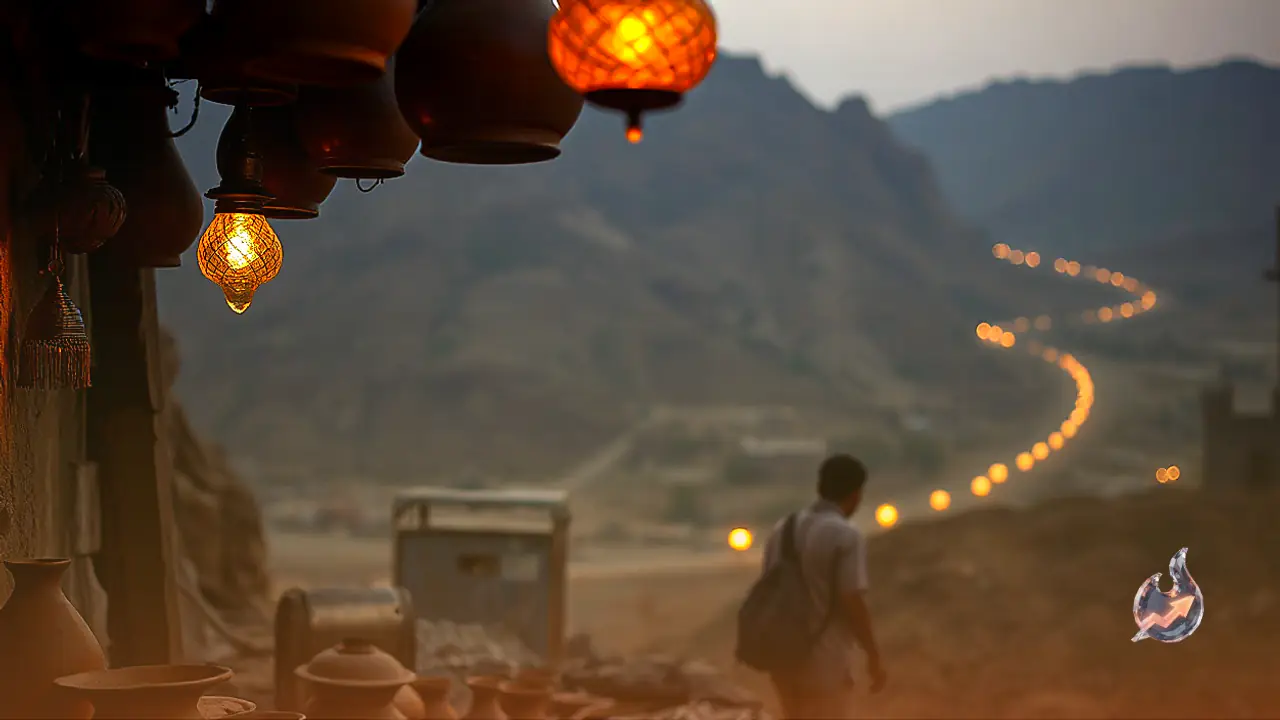

As festive celebrations draw near, traditional potters who spend weeks shaping clay on spinning wheels find themselves confronting a severe economic slowdown. The rapid rise of factory-made foreign decorative lighting has severely undermined demand for classic earthen oil lamps across the markets of Pali in Rajasthan. Thousands of carefully crafted lamps remain stacked in temporary stalls, while the footfall of patrons seeking indigenous pottery continues to dwindle during what is traditionally the busiest selling window of the year.
The Renowned Clay Craft Heritage of Pali
Rajasthan's Pali district holds a well-established reputation throughout the country for its cultural heritage and skilled artisanal traditions. Handcrafted products made from local clay, including renowned drinking kulhads and everyday kitchen vessels, have consistently maintained strong popularity not just in neighborhood stalls but across distant domestic and overseas markets due to their durability and refined craftsmanship. When it comes to traditional festive illuminations, the finely molded earthen lamps shaped by Pali artisans have long been regarded as an essential hallmark of festive authenticity.
Imported Illumination Dims Market Prospects for Potters
While specialised vessels like kulhads continue to find wider reach, the core seasonal product that sustains these families during major festivities is losing ground rapidly. The influx of inexpensive, mass-produced foreign fairy lights and electric novelties has created significant financial pressure for hardworking pottery communities. Families that dedicate day and night to manual wheelwork in the lead-up to the celebrations are now left waiting in local squares for shoppers who increasingly bypass earthen alternatives. Craftsmen stress that choosing clay lamps extends far beyond ritual compliance, serving as a critical direct lifeline for the households whose livelihood depends entirely on ancestral techniques.
Sellers Endure Protracted Slump in Seasonal Stalls
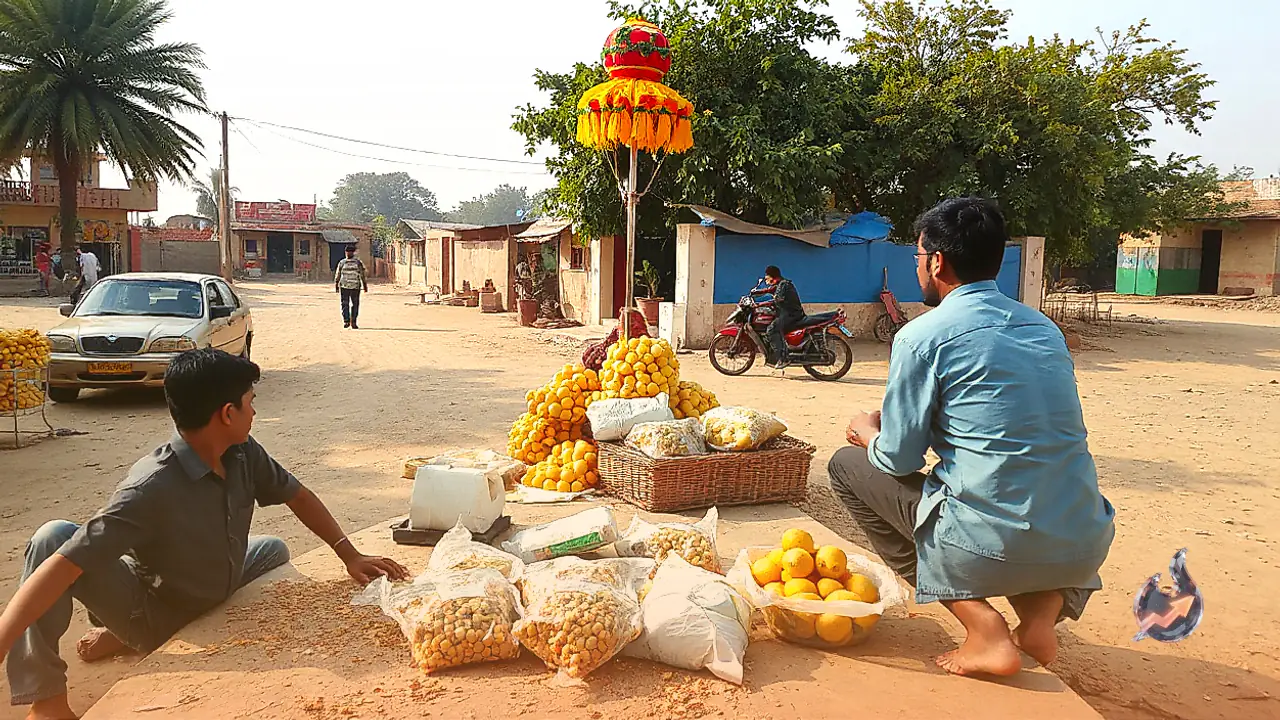
Describing the harsh conditions on the ground, lamp vendor Ruki Devi noted that she has kept her outdoor stall open for 9 to 10 days with almost no customer turnout. She observed that modern shoppers appear heavily drawn to imported decorative novelties, passing over handmade earthen wares entirely. Ruki Devi pointed out that earnings in the trade have shriveled, while the fragile nature of unbaked and fired clay means that any transit damage translates directly into out-of-pocket losses. Spending consecutive days without meaningful transactions during the peak festive countdown poses a distressing challenge for vendors depending on seasonal cash flow.
Calls for Community Backing and Indigenous Purchases
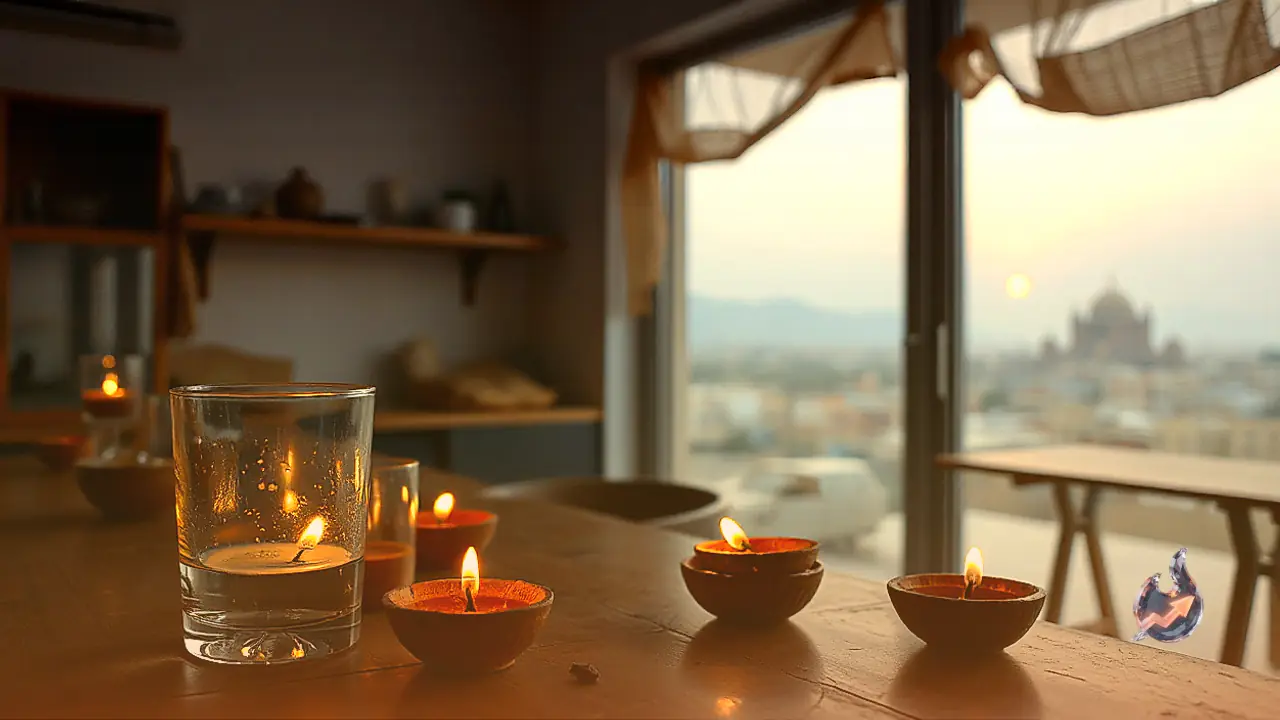
In response to the visible slump facing local stalls, several conscious residents are stepping forward to urge a return to homegrown goods. Local buyers maintain that genuine celebration cannot be replicated by synthetic automated lighting, emphasizing that the true ambiance of the festival comes solely from the flame of traditional clay lamps created by indigenous craftspeople. Observers also point out the contradiction of public opposition to imported merchandise alongside ongoing purchases of foreign festive ornaments that undermine local heritage. With pottery clans painstakingly crafting representations of Goddess Lakshmi alongside ornamental diyas across successive generations, community advocates are urging families to direct their festive budgets toward local artisans to ensure that economic relief reaches these vulnerable households.