



















Across the country, households celebrate Diwali by worshipping Goddess Lakshmi to seek prosperity, yet the city of Bikaner in Rajasthan observes this festival through an extraordinarily distinct cultural tradition. In Bikaner, the ritual offerings arranged for Lakshmi puja prominently feature the desert fruit known locally as matira. Women perform dedicated ceremonial prayers for the matira, presenting it to deities as an essential seasonal fruit or ritufal. Cultivated in the heart of the desert landscape, this fruit serves not merely as a culinary staple but stands as a revered emblem of Bikaner's historical folklore, local customs, and regional identity.
Harvest Cycles Drive Seasonal Market Surges Ahead Of The Festival
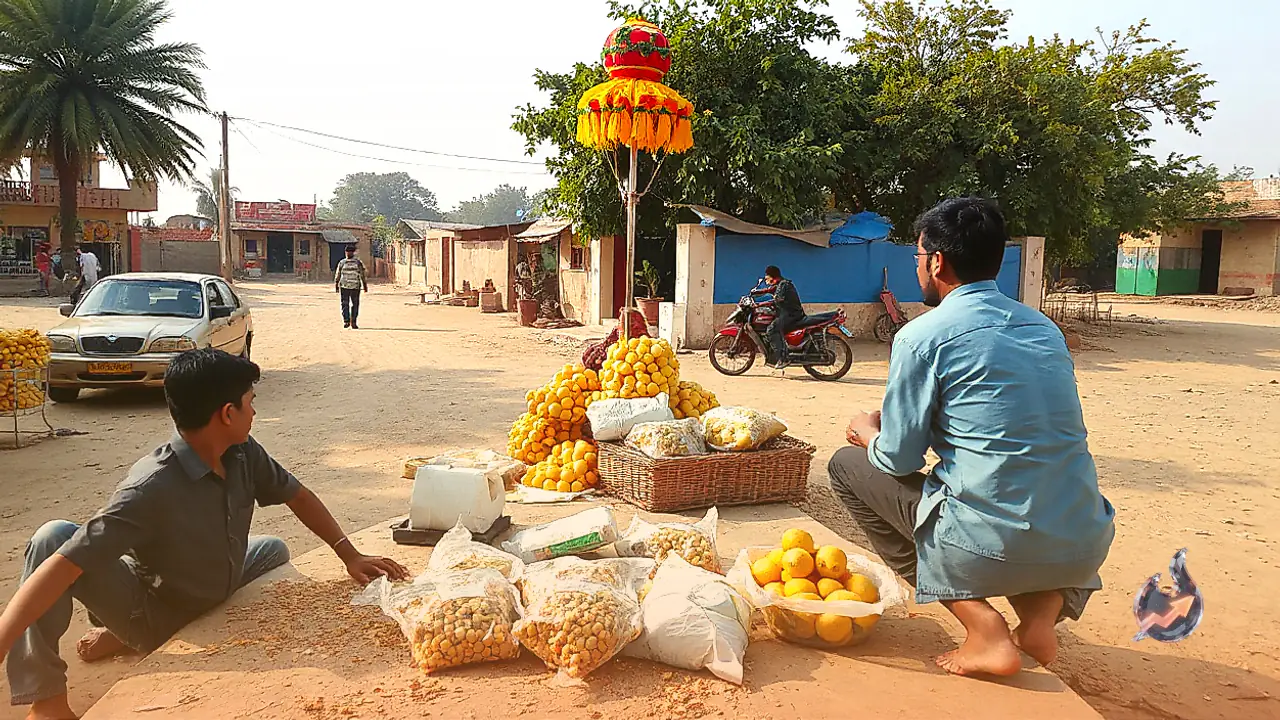
The harvest season for matira coincides directly with the weeks surrounding Diwali across the rural expanses of Bikaner. Consequently, local markets witness a substantial influx of the fruit as farmers bring their fresh yield to town. Older residents recall that during earlier eras, alternative fruits were rarely accessible in the desert belt during this particular time of the year. Due to severe logistical isolation, locally harvested matira served as the sole dependable fresh produce available for religious rituals. What began as a practical reliance on indigenous agriculture gradually solidified into an unbroken cultural custom, one that the modern community continues to observe with profound spiritual reverence.
Symbolic Ties To The Moon And Beliefs In Nectarous Elements
Kishan Nath, a local expert conversant with traditional practices, explained that the custom of purchasing and worshipping matira on Diwali rests upon longstanding regional beliefs. In historical periods, matira remained the primary fruit yielding abundantly during this climatic transition. Within local lore, the fruit is regarded as a terrestrial symbol of the moon. Popular belief holds that matira possesses a rare capacity to absorb and preserve life-giving nectarous properties. For this specific metaphysical reason, households assign it a designated place of honor during the primary Lakshmi puja conducted on Diwali night.
Cultivation In Rajasar And Regional Distribution Networks
According to Kishan Nath, agricultural communities across several rural sectors of Bikaner district, particularly in Rajasar, actively cultivate matira. Local farmers follow the practice of sowing matira seeds alongside their primary staple crops. The prevailing seasonal climate supports a bountiful yield across the desert soil. The fruits harvested from these tracts are distributed well beyond native village bazaars, traveling to urban centers and neighboring districts to meet commercial demand. During the ongoing festive window, several diverse varieties of matira have arrived across market stalls.
Companion Planting Influences Sweetness Across A Two-Month Market Window
The natural sweetness of a matira is heavily influenced by the specific agricultural companion crop it grows beside. Local agriculturalists note that matira cultivated alongside moth bean and pearl millet crops turns out noticeably sweeter than produce grown adjacent to cluster beans, commonly known as guar. As a direct result, consumer demand leans heavily toward fruits sourced from moth and millet fields. Sales register a steep surge in the days leading up to Diwali, and the fruit sustains a consistent market availability lasting roughly two months.
Aligning Regional Flora With Shodashopachara Sacred Rituals
In accordance with established scriptural tenets, Hindu worship accords deep significance to the Shodashopachara methodology. This classical liturgical system utilizes sixteen distinct ceremonial offerings to honor divine entities. A key injunction within this structure requires devotees to offer customary naivedya alongside fresh, regionally available fruits corresponding to the specific season. Bikaner's regional community seamlessly integrated the desert matira into this scriptural guideline. Consequently, during Diwali, the matira transcends ordinary agrarian produce, standing as an enduring testament to localized faith, desert resilience, and shared community heritage.