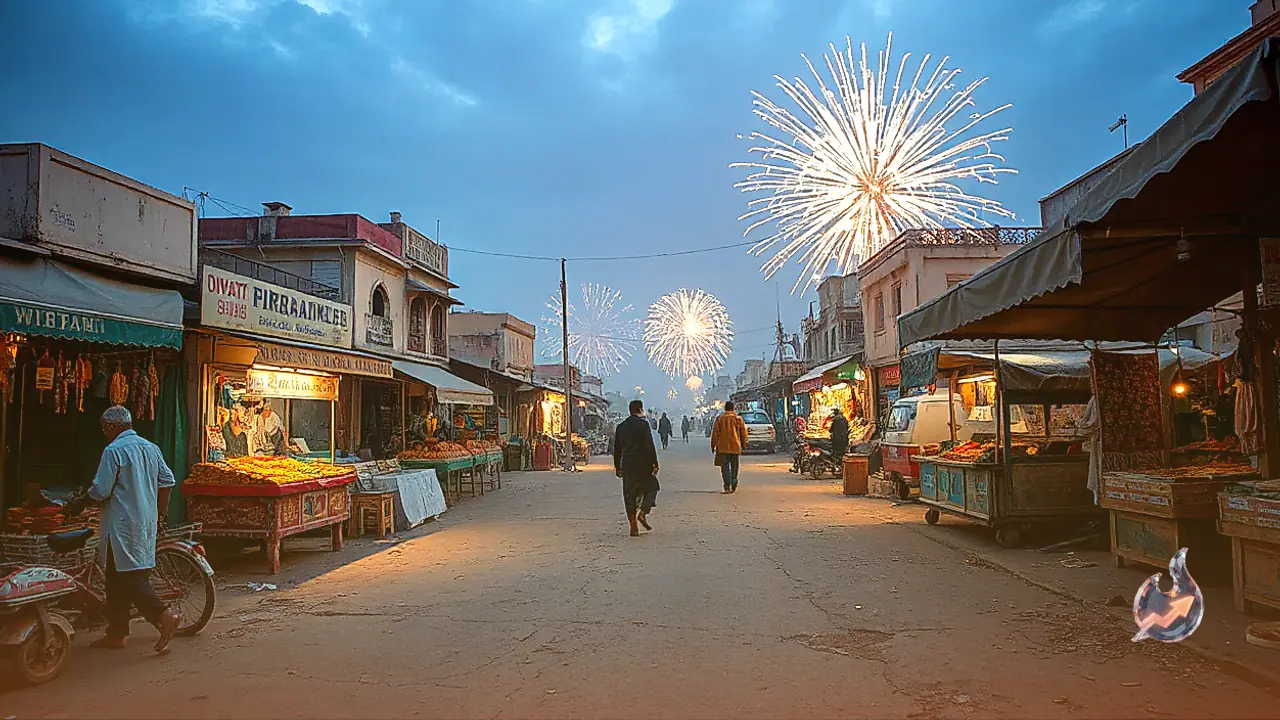


















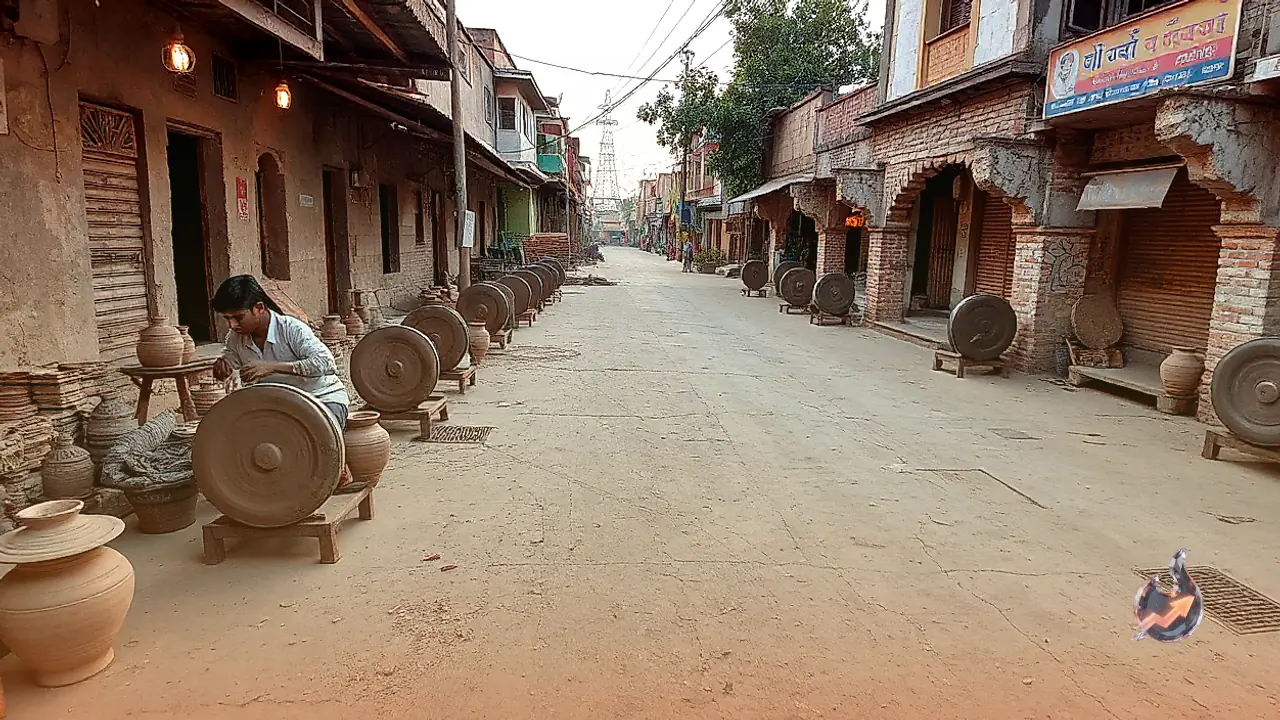

With the festival of lights drawing near, markets across Pratapgarh and surrounding regions are witnessing an energetic surge in festive shopping. While colorful strings of electric bulbs, Chinese lights, and contemporary decorative illumination are visible in every corner, the enduring value of traditional earthen lamps, deeply rooted in Indian cultural heritage, remains steadfast. Across rural settlements and urban neighborhoods, potters have accelerated the spin of their wheels. From preparing the raw clay and shaping delicate vessels to sun-drying and kiln-baking them for local stalls, the intensive seasonal cycle has begun in earnest, bringing renewed optimism to artisan households.
Sustained Family Craft and Year-Round Dedication
For the potter community, Diwali represents far more than an ordinary holiday season; it is the vital window where a full year of labor translates into financial viability and artistic recognition. Long workdays begin at dawn and continue into the evening, engaging entire households in specialized tasks. While seasoned elders blend and knead the clay to the right consistency, master artisans sit before the wheel, guiding soft mounds into balanced, hollow shapes with practiced precision. These damp lamps are then carefully arrayed under the sun to dry before undergoing the heat of the kiln. Children often work alongside their parents, assisting with drying and stacking, turning the seasonal rush into a shared family effort where every shaped lamp embodies resilience, skill, and livelihood aspirations.
Artistic Innovations and Women Self-Help Groups
Although modern domestic decor has increasingly incorporated wax candles and imported synthetic lights, traditional earthen lamps continue to hold an irreplaceable position during religious ceremonies and auspicious rituals. To keep pace with contemporary consumer tastes, artisans have expanded their craft beyond the basic circular lamp. Markets now display intricate designs, including lotus-shaped clay lamps and pieces finely sculpted with the likenesses of Lord Ganesha and Goddess Lakshmi. In several areas, women self-help groups have actively stepped forward to embellish these earthenware products with creative finishes and hand-painted details, adding visual appeal while expanding economic avenues for local women.
Ecological Safety and Vital Support for Native Artisans
Beyond spiritual symbolism, earthenware lamps stand out as an exceptionally sustainable lighting choice. Being composed entirely of unprocessed natural clay, they leave behind no non-biodegradable waste, safely decomposing back into the soil after use without harming the surrounding ecosystem. Choosing to line verandas, courtyards, and entryways with the gentle glow of clay diyas during Diwali is more than an aesthetic ritual. It directly supports local handmade economies, ensuring that age-old artisanal skills survive in an era dominated by mass manufacturing.