




















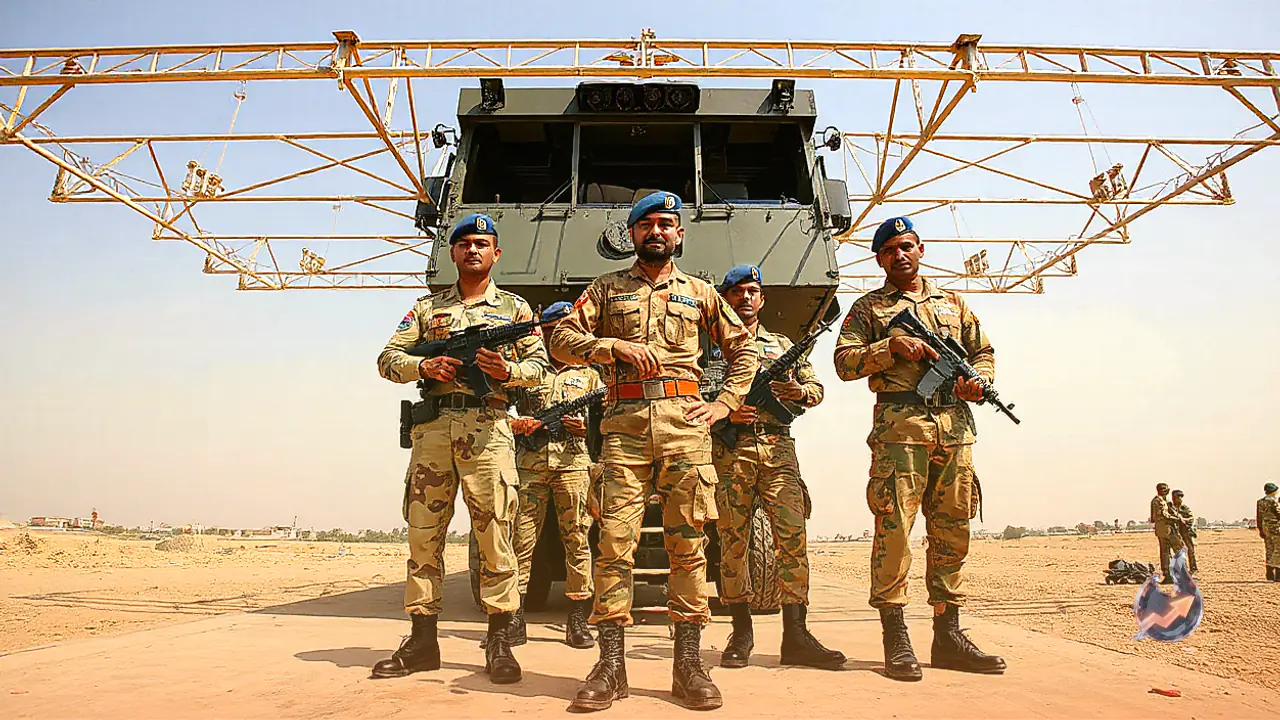

Indian armed forces are undergoing structural transformations to adapt to modern warfare scenarios where indigenous technological competence forms the backbone of tactical operations. Addressing a meeting of the Parliamentary Consultative Committee for the Ministry of Defence in Jaisalmer on October 3, Defence Minister Rajnath Singh outlined the trajectory of national security reforms. He emphasized that technological capability has become an inseparable dimension of contemporary conflict, necessitating domestic innovation and systemic restructuring.
Specialized Formations and Operational Restructuring
The three services have progressively revised their operational frameworks and organisational configurations to match rapid changes in battlefield requirements. In the Indian Army, specialized units such as the Asani, Bhairav, and Shaktiban platoons have been established and are demonstrating operational effectiveness in meeting evolving mission profiles. Concurrently, the Defence Research and Development Organisation (DRDO) has initiated multiple cutting-edge projects, advancing the testing of novel weapon platforms, missile architectures, and tactical systems required for mission readiness.
Fiscal Allocations for Military Modernisation
Recognizing that modernization depends entirely on stable capital backing, sustained budgetary enhancements have been directed toward defence procurement. For the financial year 2026-27, the total national defence budget has expanded to 7,85,000 crore rupees. Out of this comprehensive allocation, 2,19,000 crore rupees have been set aside exclusively for capital acquisitions and modernisation programs. The administrative focus remains on catering to force requirements while fostering domestic equipment manufacturing and bolstering the domestic industrial ecosystem, with the armed services prioritizing their critical operational requirements.
Exponential Growth in Manufacturing and Export Outflows
The drive toward indigenous manufacturing has yielded measurable outcomes across industrial output and export volumes. In the financial year 2014-15, domestic defence output was valued at 46,429 crore rupees, which expanded to a record 1,78,000 crore rupees by the financial year 2025-26. A parallel expansion has materialized in overseas sales. Defence export figures, which stood at below 2,000 crore rupees in 2014, have surged to approximately 40,000 crore rupees. Clear targets have been outlined for future growth, aiming to scale domestic defence production to 3,00,000 crore rupees and cross 50,000 crore rupees in defence exports by the year 2029.
Private Enterprise and MSME Integration
The domestic defence ecosystem has expanded beyond traditional public sector undertakings to include micro, small, and medium enterprises (MSMEs) alongside major corporate entities. Policy initiatives have established equal market access for non-state manufacturers, creating a dynamic multi-tiered supply chain. Highlighting this collective nationwide framework, Rajnath Singh commended the technical prowess being displayed across private industrial operations, noting that shared public-private participation has redefined domestic defence manufacturing capabilities.
Eliminating Strategic Import Dependencies
Concluding his address, the Defence Minister clarified that the core national agenda extends far beyond the transactional procurement of advanced foreign platforms. The overarching goal is the creation of a resilient defence apparatus that innovates operational solutions tailored specifically to domestic military requirements. Expanding the domestic industrial base ensures that strategic dependencies on external suppliers are dismantled, safeguarding national autonomy during geopolitical uncertainties.