





















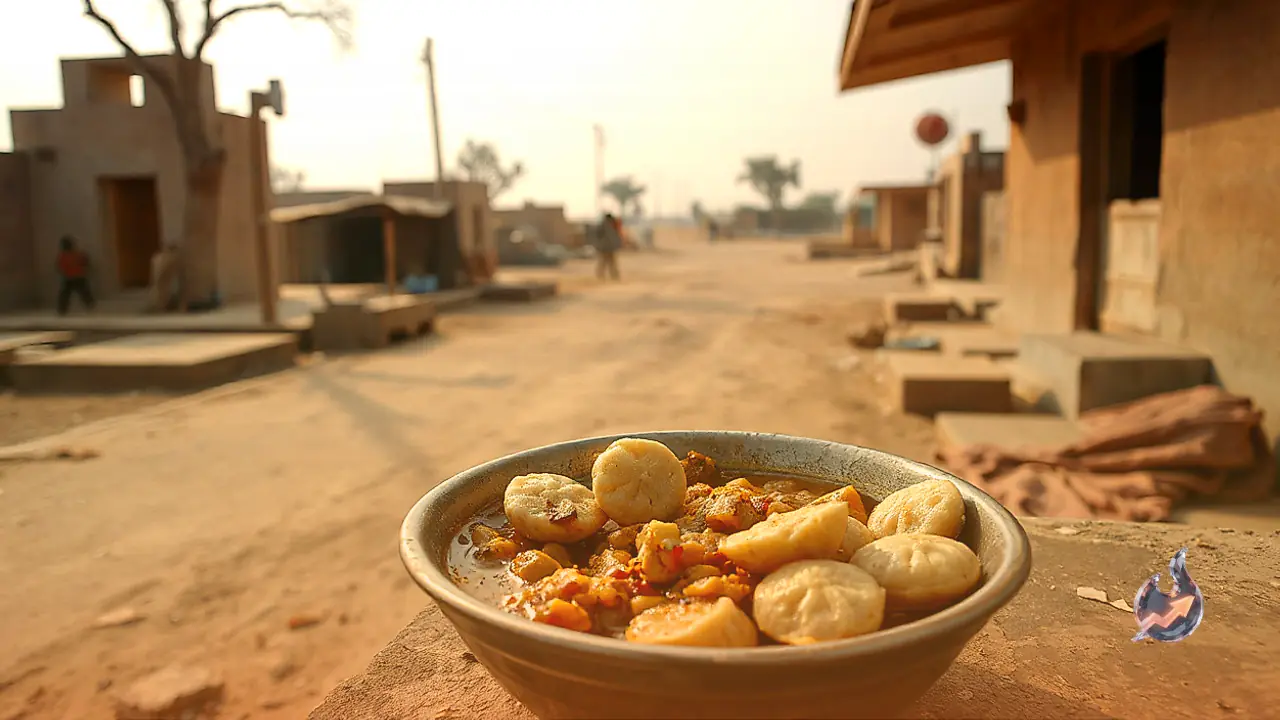

With the arrival of the winter season, households across various regions naturally transition toward preparing diverse, comforting, and nourishing meals. While leafy greens experience a surge in demand during these colder months, traditional regional delicacies from Rajasthan retain a permanent place in local culinary preferences. One such standout recipe is mangodi sabzi, frequently referred to in various areas as badiyan ki sabzi. Crafted primarily from sun-dried lentil dumplings, fresh garlic, green spring onions, and everyday kitchen spices, this preparation delivers an exceptionally rich flavor profile.
A primary advantage of this traditional recipe lies in its simplicity, requiring neither an extensive grocery list nor hours of strenuous labor in the kitchen. Preparing mangodi sabzi begins by taking dried lentil dumplings and crushing them into smaller segments using either hands or a rolling pin. Concurrently, fresh leafy green onions, green chilies, and fresh coriander leaves are finely chopped and kept ready. Additionally, a handful of garlic cloves are peeled and thoroughly crushed, as garlic plays a central role in defining the distinctive taste of the dish.
Step-by-Step Preparation of Traditional Rajasthani Mangodi Sabzi
The cooking process starts by heating cooking oil in a pan. Once the oil reaches an adequate temperature, the crushed mangodi pieces are added and roasted over medium heat until they turn a light golden brown. Care must be taken to prevent the dumplings from burning, ensuring they achieve a light, crispy texture through proper roasting. Subsequently, the crushed garlic mixed with a small amount of water is introduced into the pan. Salt is added according to personal preference, followed by standard household spices. Finely chopped green onions and green chilies are then tossed in, and all the components are stirred thoroughly.
Sufficient water is poured into the mixture to allow the hardened dumplings to soften and absorb the rich flavors of the spices. The preparation is left to simmer, requiring a wait of two to three distinct boils until the dumplings attain a tender consistency and soak up the aromatic seasonings. Finally, a generous garnish of freshly chopped coriander leaves is added on top. This concludes the process, yielding a flavorful and zesty plate of traditional Rajasthani mangodi sabzi.
Enhancing the Experience with Bajra Roti
Mangodi sabzi serves as an outstanding local food option during the winter season, offering warmth and robust nutrition. It can be served piping hot alongside conventional wheat rotis or the traditional regional bajra roti. The distinct aroma of roasted garlic, the crisp bite of green onions, and the depth of home-style spices elevate the meal significantly. Requiring minimal ingredients and a straightforward cooking method, this classic Rajasthani recipe is a reliable way to infuse everyday dining with authentic rural flavors.