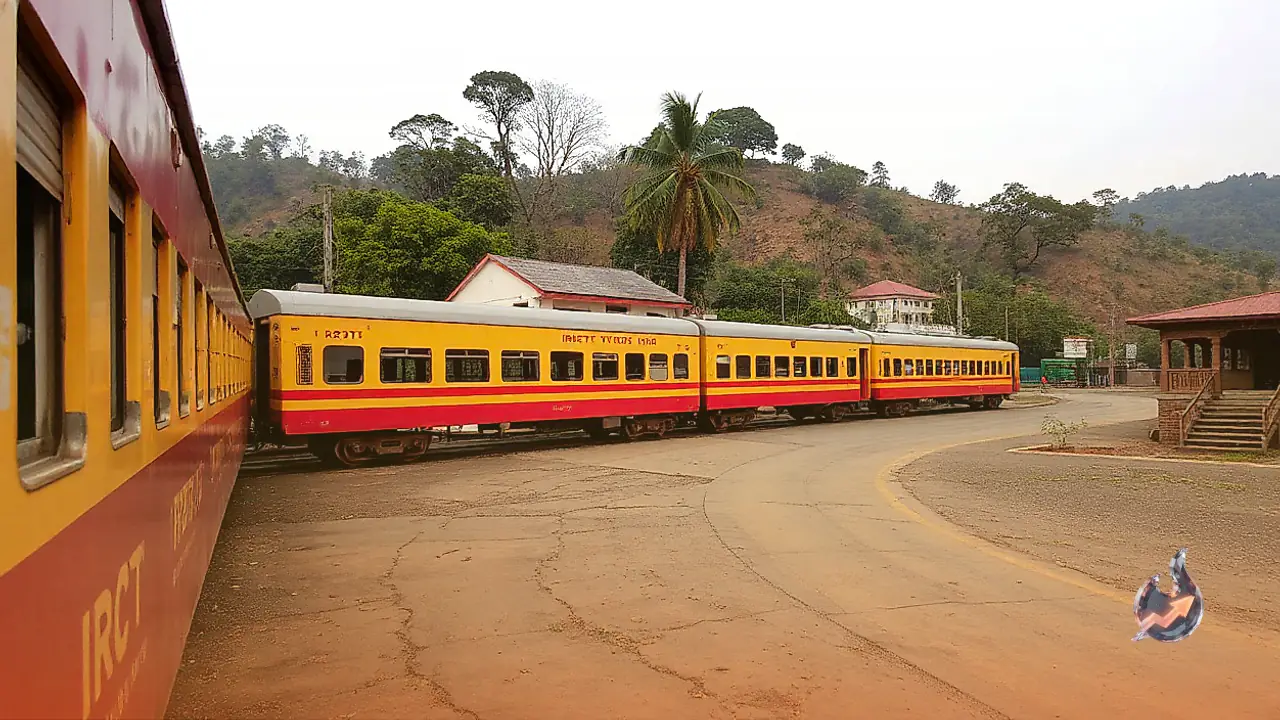






















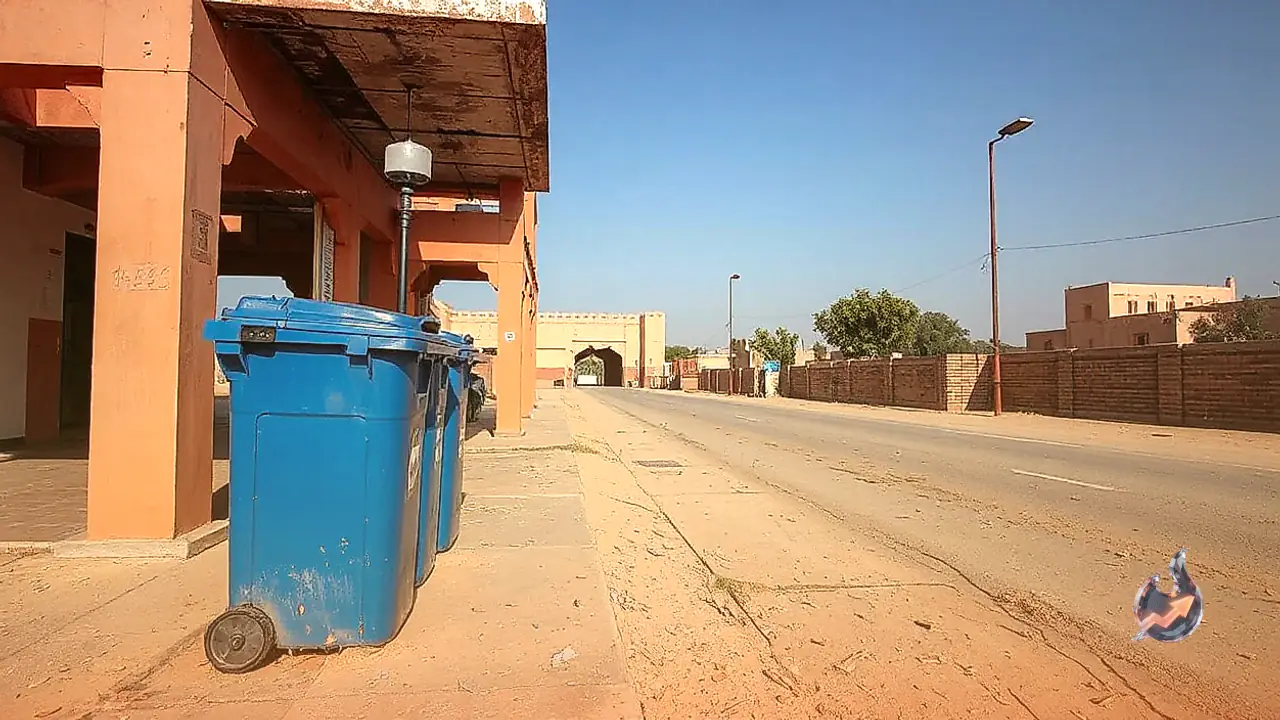

Indian Railways is turning to modern digital infrastructure to keep station platforms spotless and improve sanitation workflows. Under North Western Railway, the Jodhpur division has initiated the rollout of high-tech waste bins across Jodhpur Railway Station, which falls under the busy NSG-2 operational classification. As part of this drive, smart dustbins boasting a 240-litre storage capacity are being positioned across the station premises. The system is designed to streamline waste collection, expedite disposal routines, and eliminate unsightly refuse buildup around high-footfall passenger areas.
Automated Sensors and Real-Time Alerts
The core innovation behind these modern bins lies in integrated fill-level sensors that continuously track accumulated garbage volume. The moment a bin approaches its maximum capacity threshold, the system automatically triggers a real-time notification to supervisory staff and cleaning teams. Having immediate visibility over fill rates allows sanitation workers to clear the bins well before any overflow occurs. This proactive maintenance cycle helps maintain pristine walking areas across busy platforms, preventing scattered litter during peak operational hours.
Internal Compactor Multiplies Storage Capacity
A notable mechanical feature of these units is an in-built compaction mechanism that presses down discarded materials to optimize internal space. By mechanically compressing loose trash, each bin can accommodate significantly more waste than ordinary dustbins of equivalent dimensions. Railway officials note that this compaction process expands effective operational capacity by roughly 5 to 8 times compared to conventional refuse receptacles. Consequently, maintenance teams do not need to empty each receptacle repeatedly throughout the day, saving valuable labor hours and boosting station efficiency.
IoT Platform and GPS Tracking Integration
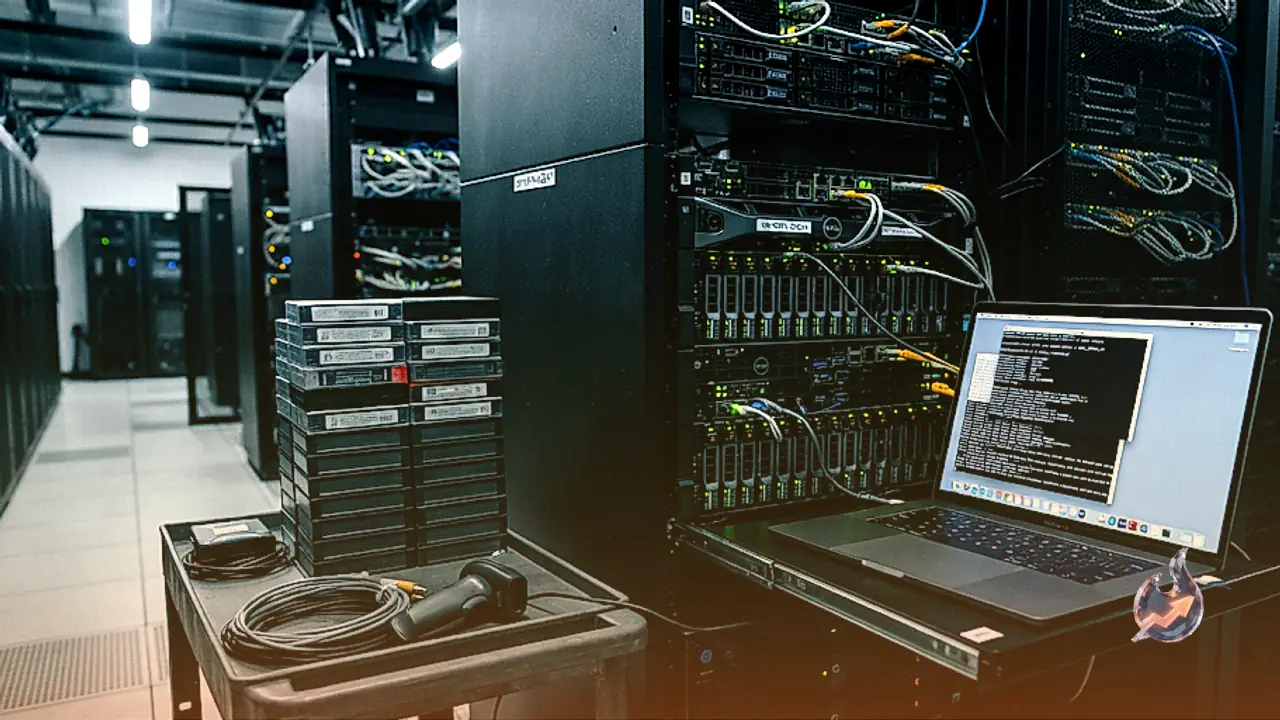
The smart disposal infrastructure pairs physical hardware with advanced Internet of Things (IoT) monitoring systems alongside precision GPS tracking. Through an integrated digital dashboard, supervisors can observe the live fill levels and operational status of individual units across the station grounds. This granular visibility helps sanitation squads dispatch clearing personnel along optimized routes based on actual need rather than rigid schedules. Furthermore, the units are built with heavy-duty exterior casings specifically designed to withstand harsh weather conditions, including intense seasonal heat and dust.
Divisional Focus on Passenger Comfort
Divisional Railway Manager Anurag Tripathi noted that sustaining elevated cleanliness benchmarks remains an operational priority across regional rail transit hubs. Introducing sensor-backed bins transforms waste collection from a reactive routine into an organized, technology-led operation. By coupling real-time data with efficient physical compression, the station administration aims to provide daily commuters with a cleaner, healthier, and aesthetically pleasant transit environment.