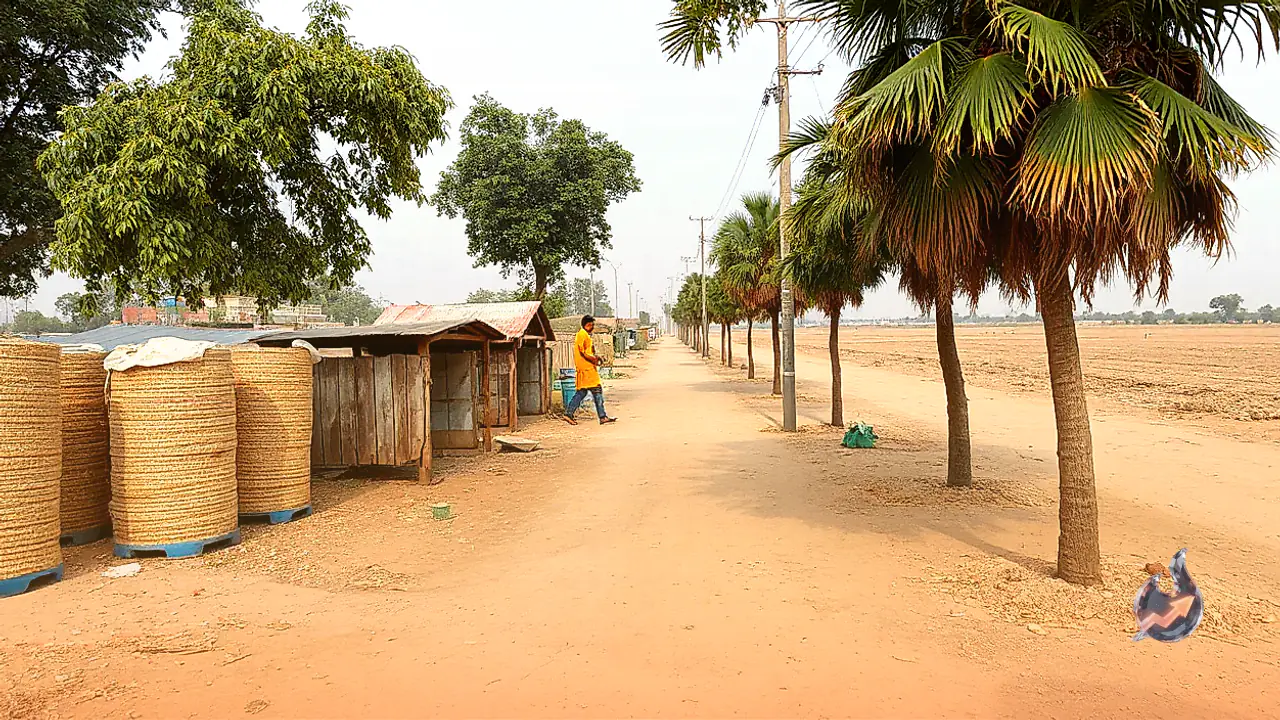















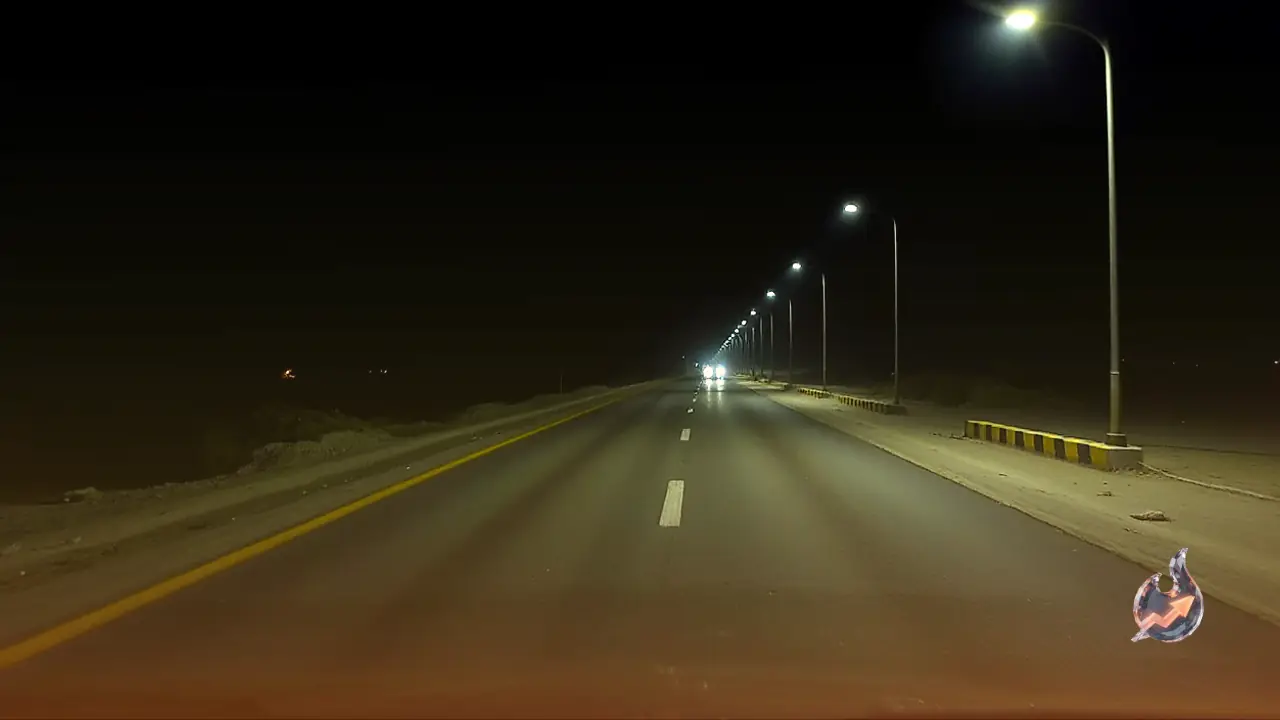

The approximately 10-kilometer road connecting Sumerpur railway station and Jawai Bandh in Pali has turned into a major hazard for travelers. Not a single street light works along this entire stretch, making nighttime travel exceptionally perilous. Commuters and local residents live in constant fear while using this route, as the region is well-known for active wildlife movement.
Natural habitat of leopards and wildlife
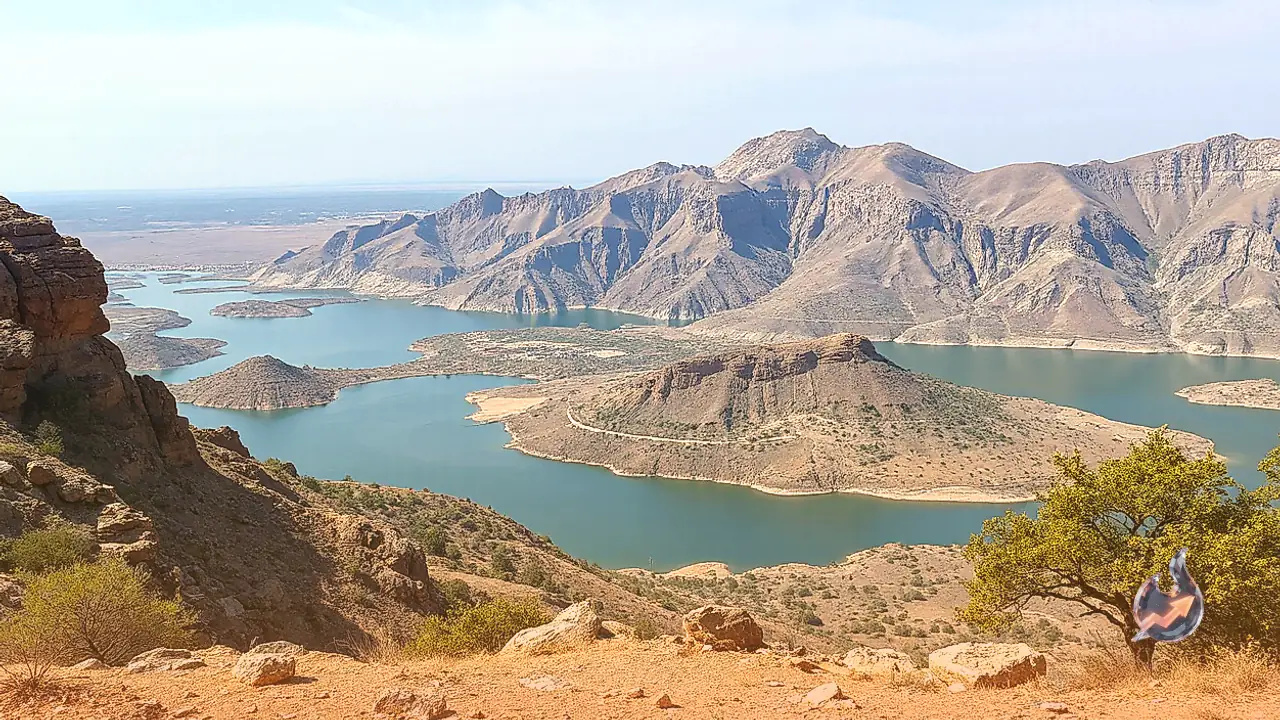
Jawai Bandh and the surrounding hills serve as the natural habitat for leopards and various other wild animals. After dark, these creatures frequently venture toward main roads in search of food and water. Due to the complete absence of illumination on this route, drivers and pedestrians cannot spot animals from a distance, raising the risk of sudden encounters and severe accidents.
Daily movement of thousands of passengers
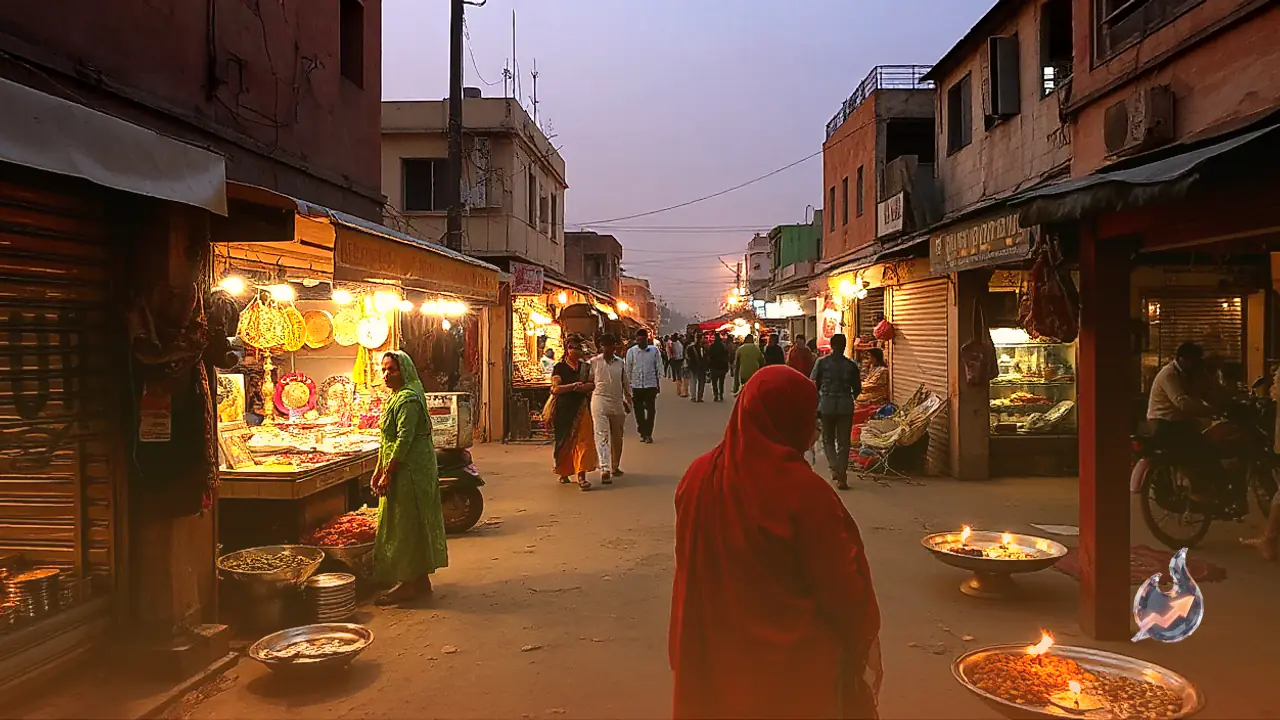
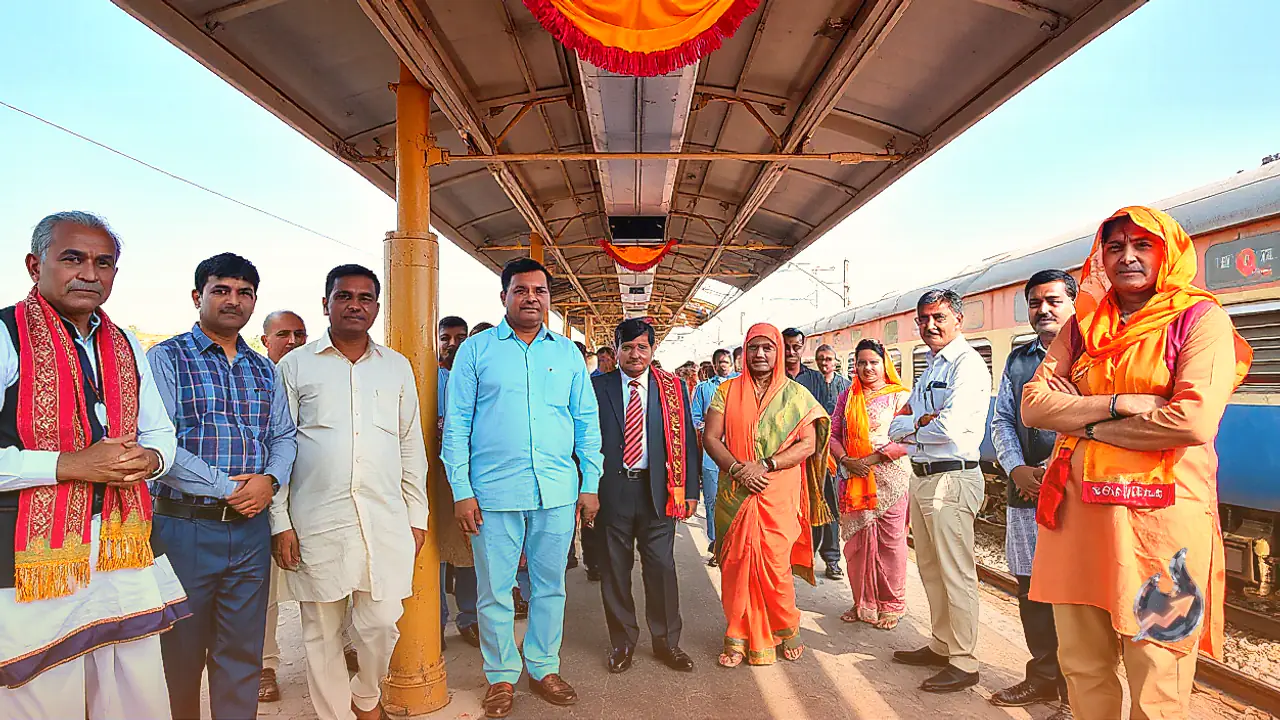
Thousands of local villagers, business owners, office workers, and tourists travel through Sumerpur railway station every day. To catch late-night or early-morning trains, passengers have no choice but to navigate this dark and desolate path. The lack of proper lighting compounds the threat of wildlife attacks, alongside the lingering fear of criminal incidents taking advantage of the darkness.
Public outrage over administrative silence
The persistent darkness and associated risks have fueled deep anger among local residents, drivers, and railway passengers toward the administration. Locals point out that the absence of street lights on such a busy and vital route highlights severe administrative apathy. Community members have demanded that high-mast lights and street lights be installed across the entire corridor immediately without waiting for a major tragedy to strike.
What makes Jawai a global attraction?
Located in Pali district, Jawai is globally celebrated for its unique natural landscape and is often regarded as India's leopard capital. The region is famous for the remarkable coexistence between humans and leopards, with the big cats inhabiting massive granite caves and hills alongside the local Rabari community and their livestock. Additionally, Jawai Bandh stands as a major water reservoir in western Rajasthan, attracting migratory birds and crocodiles during the winter months. Wildlife enthusiasts, photographers, and tourists flock here for open gypsy leopard safaris and the serene environment, making proper lighting along the railway station route a critical safety necessity.