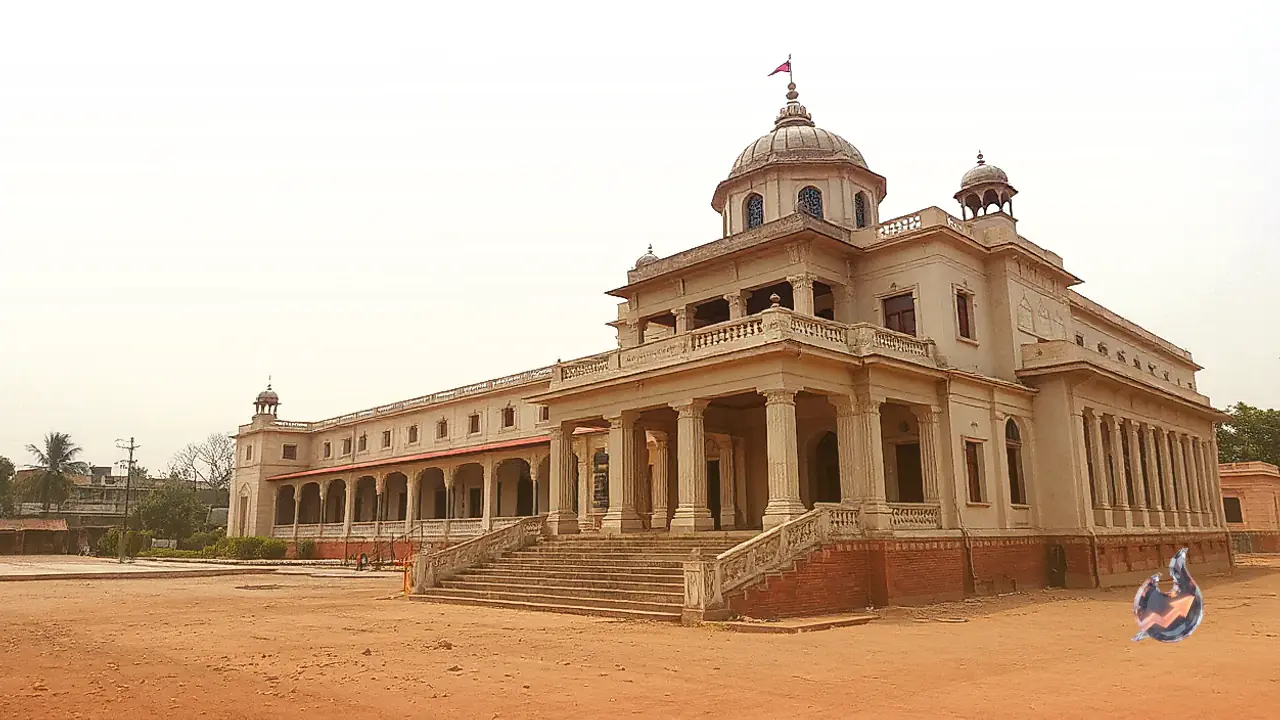
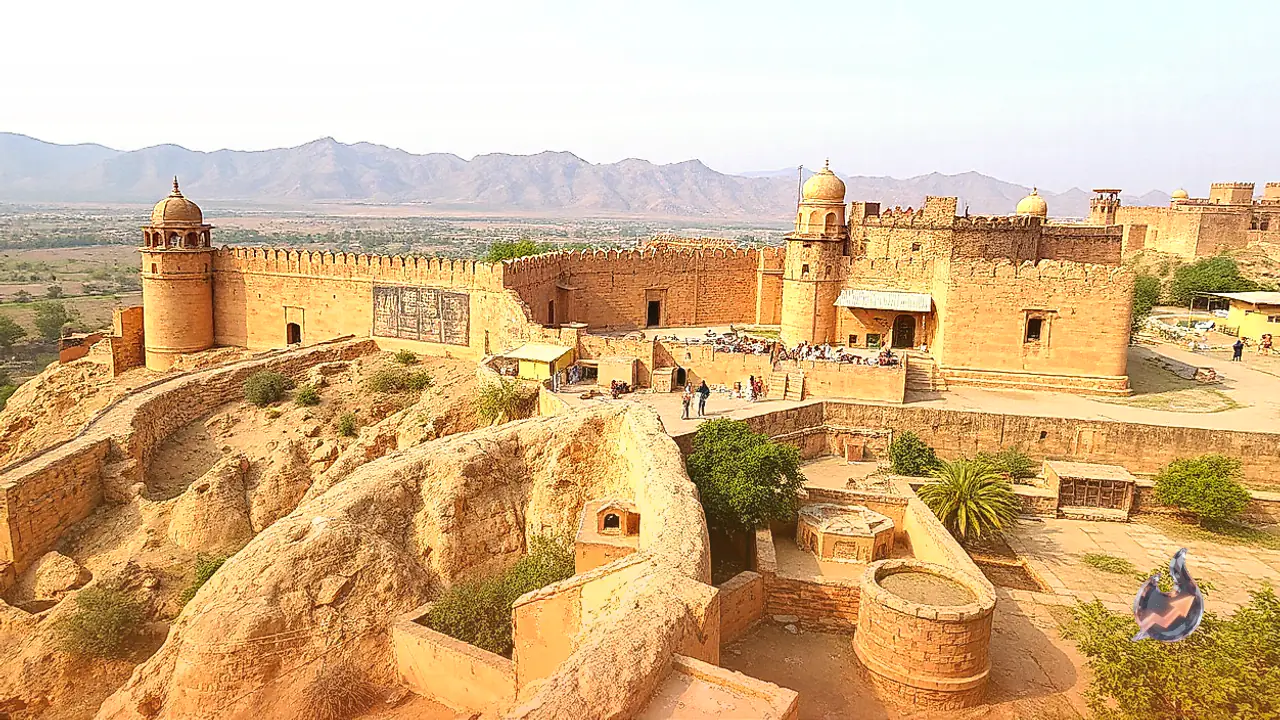
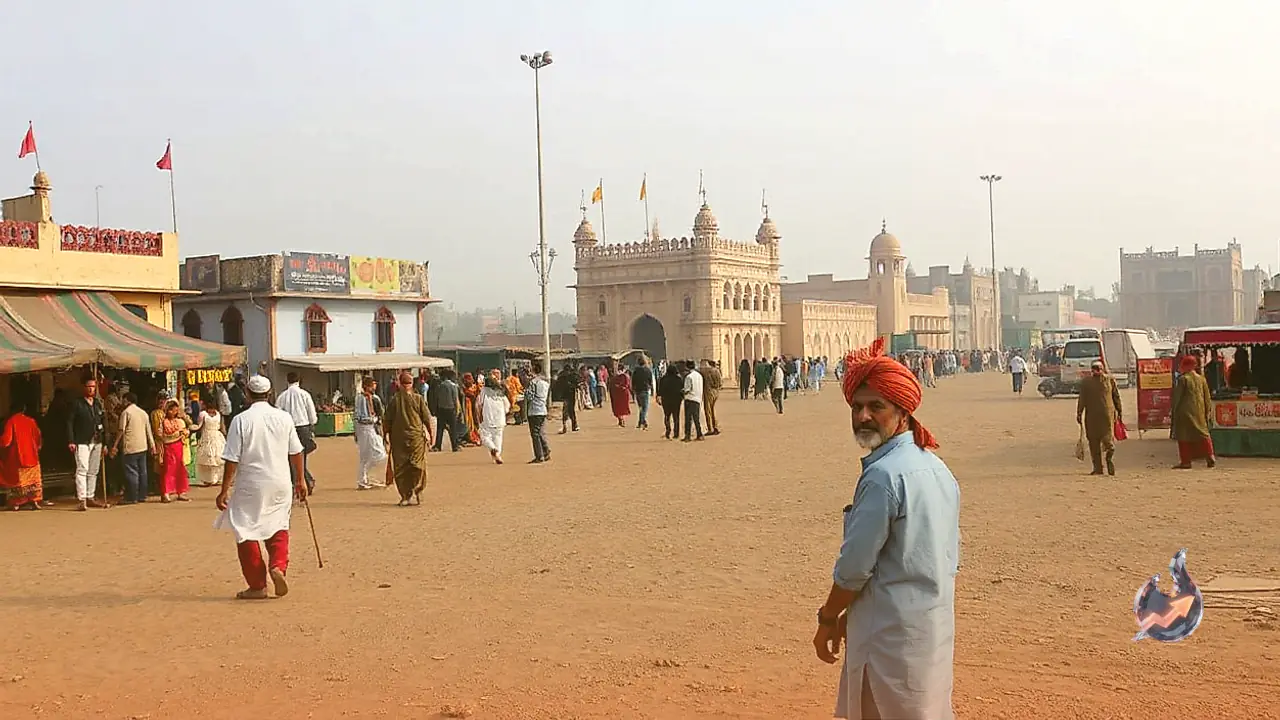
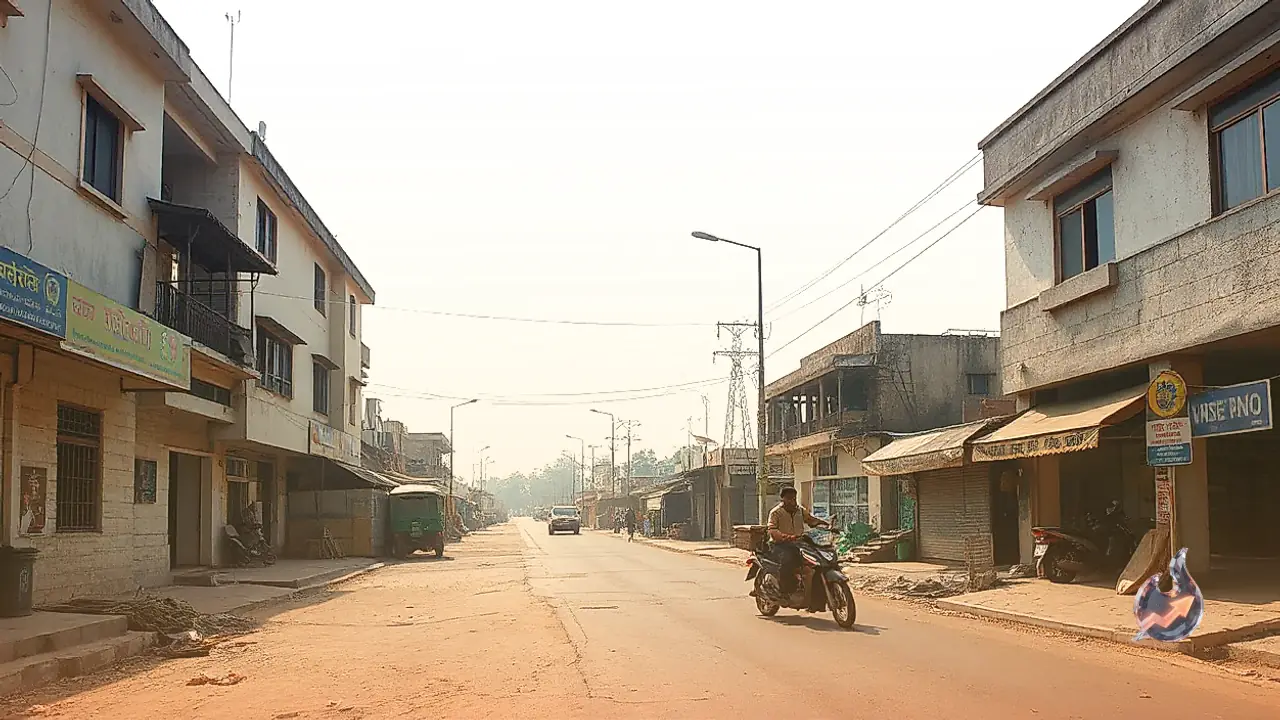















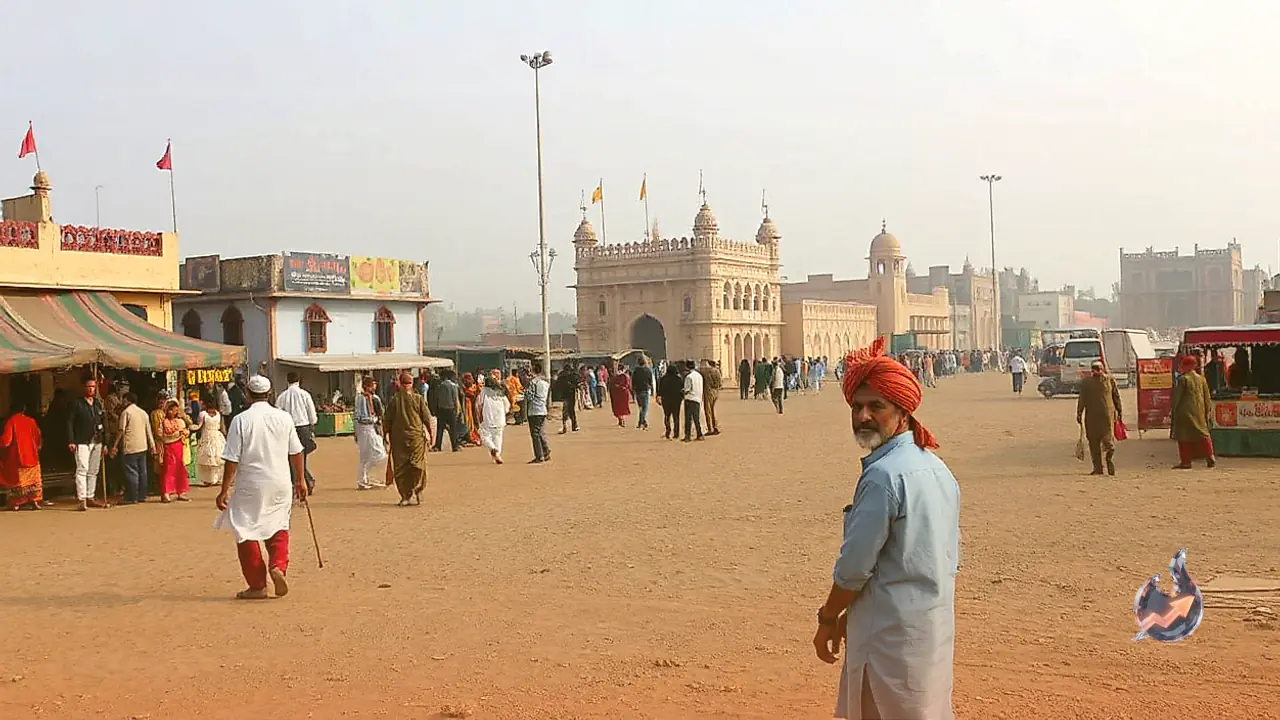

Situated in the main market of Kishangarh within the Ajmer district, a 125-year-old Balaji temple holds deep religious and cultural significance. The grand tradition surrounding this sacred site traces its origins back to the era of the First World War.
A Royal Vow and the Birth of a Tradition
Historical accounts indicate that Maharaja Madan Singh of Kishangarh visited this very shrine before departing for World War I. He offered prayers and took a solemn vow that if he returned victorious from the battlefield, he would initiate a grand annual fair at the location. Upon coming back safely after his triumph, the ruler fulfilled his promise by establishing an annual fair, a practice that continues to this day.
From a Simple Platform to 210 Villages
Temple priests recount that during the reign of Maharaja Madan Singh, the deity of Balaji was manifested simply as an elevated platform. Before leaving for the war, the ruler made his pledge right at this spot. Following his successful return, he issued official orders to spread the news of the fair across all 210 villages of the Kishangarh sub-division. Since then, the fair has been organized annually on Bhadwa Sudi Teras with immense devotion and enthusiasm.
Parikrama and Feats of Strength
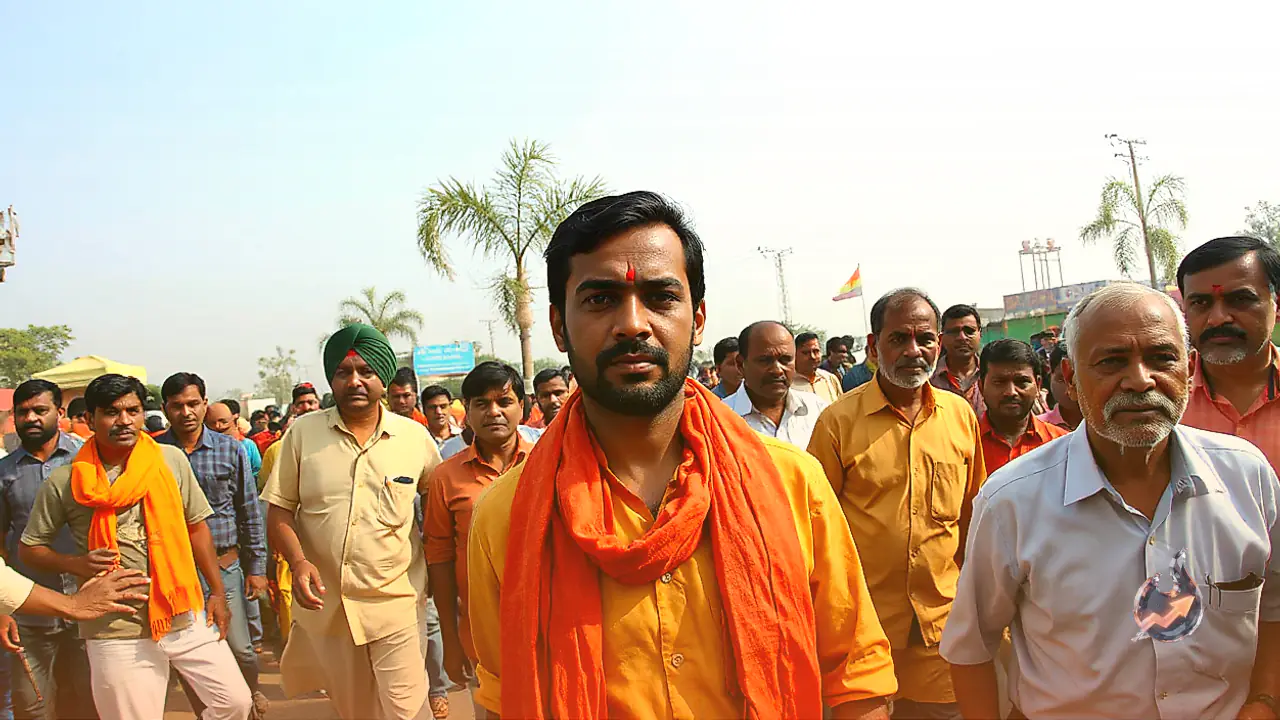
In earlier times, the celebration featured distinct customs. Residents from the 210 villages of the sub-division would arrive carrying traditional lahariya to seek blessings from Balaji. The major highlights of the gathering back then were the ritual circumambulation of the temple and traditional tests of physical strength. Groups from various villages participated in the parikrama, and the team that completed the circuit first earned the foremost position, followed by others in sequential order.
The Continuing Legacy of Lahariya
The era placed a strong emphasis on mutual brotherhood, unity, and physical endurance. After completing the parikrama, devotees would get a lahariya tied in the name of Balaji, a ritual that eventually became the defining identity of the festival. While the logistical management of the event evolved over the decades, the custom of tying lahariya remains a living reminder of the region's rich historical heritage.
From the Royal Court to the Sub-Divisional Officer
Temple priests explain that initially, the royal court of Kishangarh oversaw the tying of lahariya for devotees. Over time, this responsibility transitioned into the administrative domain. Today, the Sub-Divisional Officer of Kishangarh, often regarded as the prime citizen of the region, carries forward this ongoing tradition. The current generation represents the sixth lineage of the same family serving the temple, following a generational line that includes Govind Das, Johri Das, Moti Das, Bheru Das, Banwari Lal, and Brijesh Kumar.