





















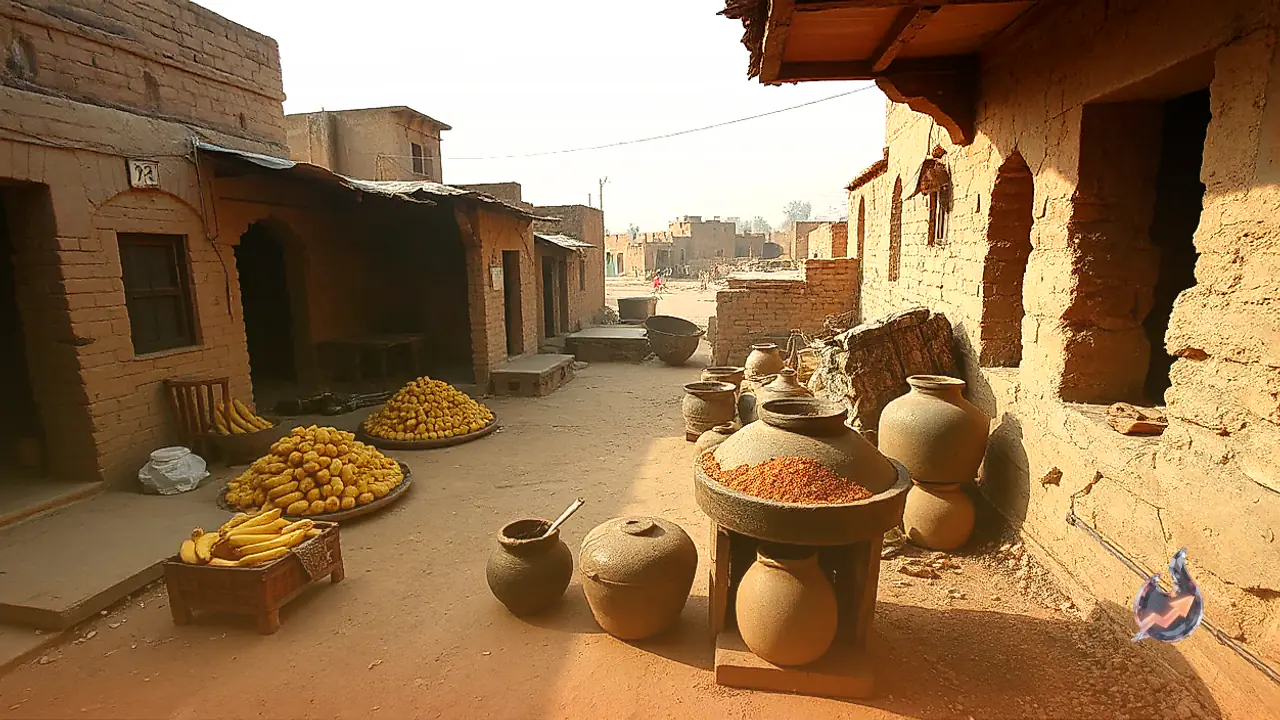

While modern metropolitan kitchens have increasingly adopted non-stick cookware, gas ranges, and induction cooktops, numerous rural households in India continue to preserve age-old culinary customs. In the countryside of Rajasthan's Pali district, families often bypass modern conveniences to cook hearty delicacies directly connected to nature and traditional earthenware. The rustic fragrance, gentle warmth, and earthy undertones imparted by clay vessels and burning timber remain unmatched by any high-tech appliance. A shining example of this enduring heritage is the traditional matki banana halwa of Pali, a dessert prepared not in an oven or stainless-steel pan, but inside an ingenious hearth fashioned from an ordinary clay water pot.
Transforming An Earthen Pot Into A Traditional Hearth
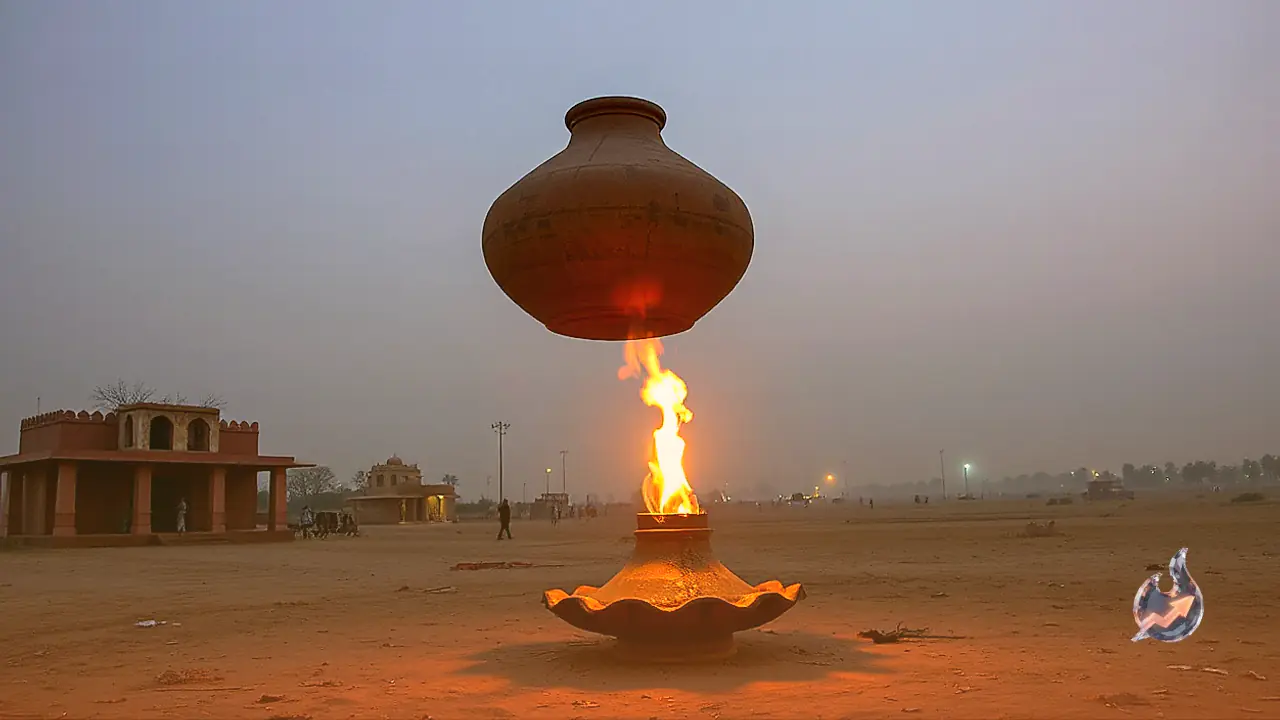
The construction of this rustic outdoor stove demonstrates remarkable rural ingenuity. The process begins by selecting a sturdy, aged terracotta pitcher known as a matki. A designated portion near the base or front side of the pitcher is carefully chipped away to form a substantial aperture. This opening serves as the fire mouth, allowing dry branches, twigs, and dried cow dung cakes to be fed into the hollow belly of the vessel. Atop the upper mouth of the matki, a wide, shallow earthen pan or handi is firmly seated.
When kindled through the lower entrance, the matki behaves precisely like an indigenous tandoor or slow oven. The terracotta walls trap and distribute heat uniformly around the vessel above. This provides an exceptionally gentle, steady flame that prevents delicate ingredients from scorching while coaxing out their deepest flavors over several uninterrupted minutes of simmering.
Ingredients Required For Authentic Preparation
Preparing this royal yet wholesome sweet dish relies entirely on pantry staples that carry rich nutritional value, requiring no artificial colors or additives
- Ripe Bananas: 4 to 5 large-sized bananas, thoroughly ripe and naturally sweet
- Pure Desi Ghee: 3 to 4 tablespoons of clarified butter made from cow or buffalo milk
- Sweetener: Jaggery or ground sugar to taste, with crushed traditional jaggery strongly preferred for its deep amber shade and rich earthy notes
- Nuts: 2 tablespoons of mixed cashews, almonds, and pistachios, evenly chopped
- Dairy: Fresh full-cream milk or solid milk fudge known as mawa to impart a thick, creamy consistency
- Cardamom: A pinch of freshly ground green cardamom powder to provide an inviting floral aroma
Step-By-Step Technique For Roasting The Pulp
The culinary journey commences by peeling the ripe bananas and mashing them thoroughly inside an earthenware bowl using a wooden churner or heavy spoon until an even puree forms without large lumps. Meanwhile, a generous portion of pure desi ghee is heated inside the shallow clay handi resting atop the matki stove. As soon as the fat reaches frying temperature, the sliced almonds, cashews, and pistachios are tossed in and gently sauteed until they achieve a crisp, golden-brown hue. Once toasted, they are quickly scooped out and set aside.
The mashed banana mixture is then tipped directly into the lingering hot ghee. Over the tranquil embers burning inside the pot below, the fruit pulp is stirred continuously with a wooden spatula. Slow and deliberate roasting causes the fruit sugars to caramelize, gradually transitioning the puree from pale cream to a glossy golden brown. Eventually, the glistening ghee begins separating from the edges of the fruit mass, signaling that the raw moisture has evaporated.
Blending Milk, Jaggery, And Aromatic Spices
Once the banana paste is thoroughly browned and aromatic, fresh whole milk or crumbled mawa is stirred into the pan. The contents must be agitated rhythmically over the gentle fire until the liquid reduces and binds tightly with the fruit base into a dense, fudge-like consistency. At this juncture, crushed jaggery or fine sugar is folded into the simmering mixture. As the jaggery melts, it yields a lustrous dark brown tone and complements the natural banana essence. Finally, the reserved fried nuts and green cardamom powder are folded through, and the mixture is allowed to rest over low heat for an additional 2 to 3 minutes to lock in every aromatic note.
Earthy Aromas And Timeless Countryside Appeal
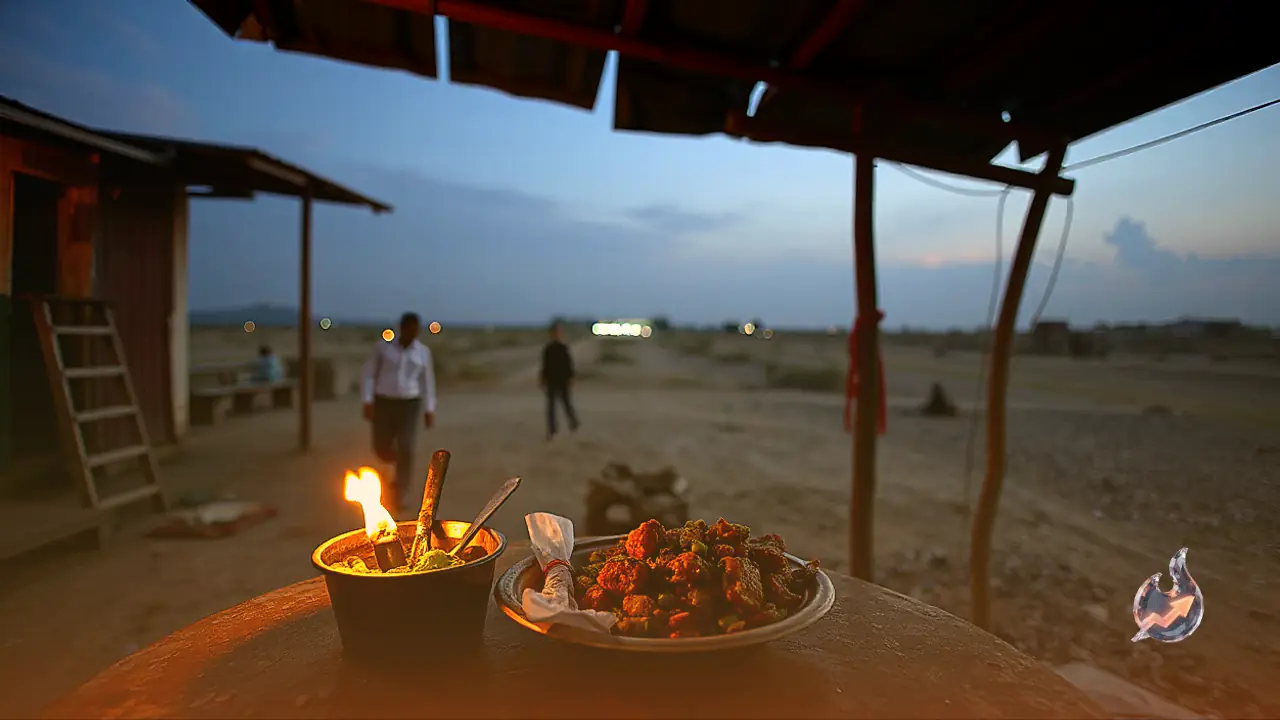
The distinctive character of this halwa stems directly from the porous clay cookware and the slow wood fire. Clay distributes heat without scorching sugars, allowing the natural minerals of the earth to enhance the dessert. Simultaneously, faint whiffs of aromatic woodsmoke permeate the sweet, producing an unmistakable rustic perfume that modern culinary gadgets cannot replicate. Served piping hot in simple earthenware bowls, this Pali specialty stands as a flavorful testament to the timeless wisdom of traditional village gastronomy.