


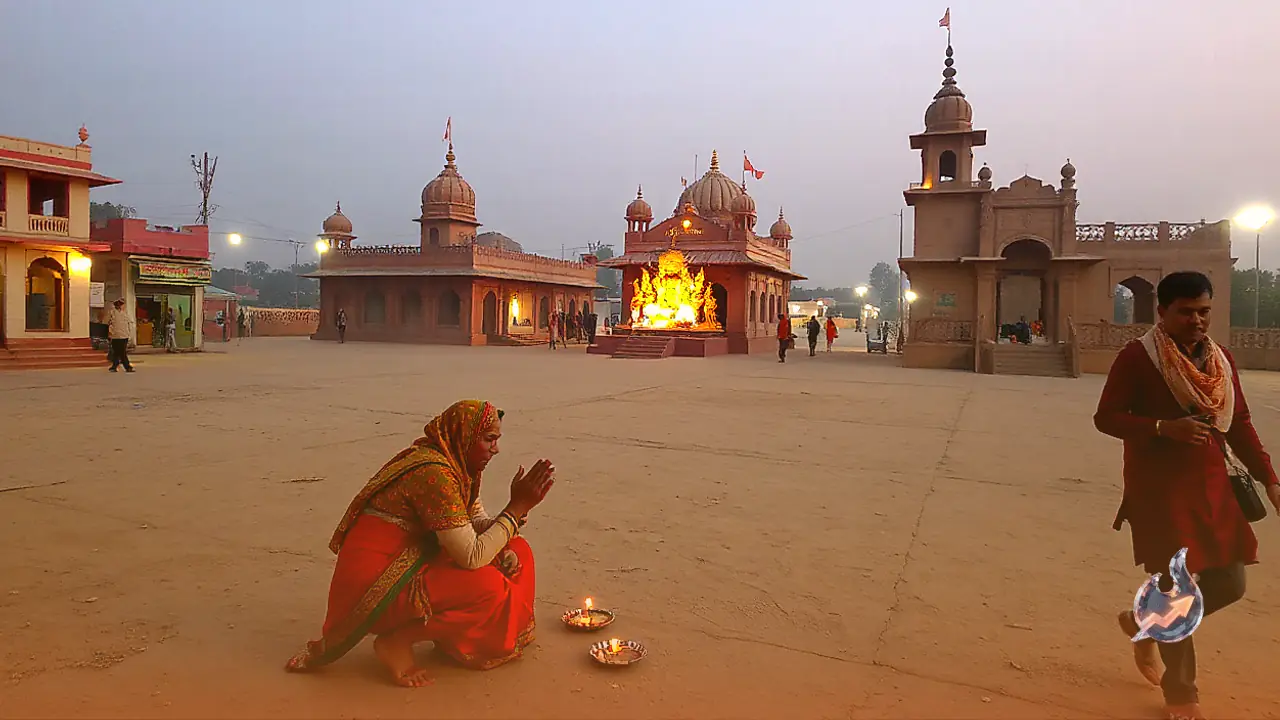














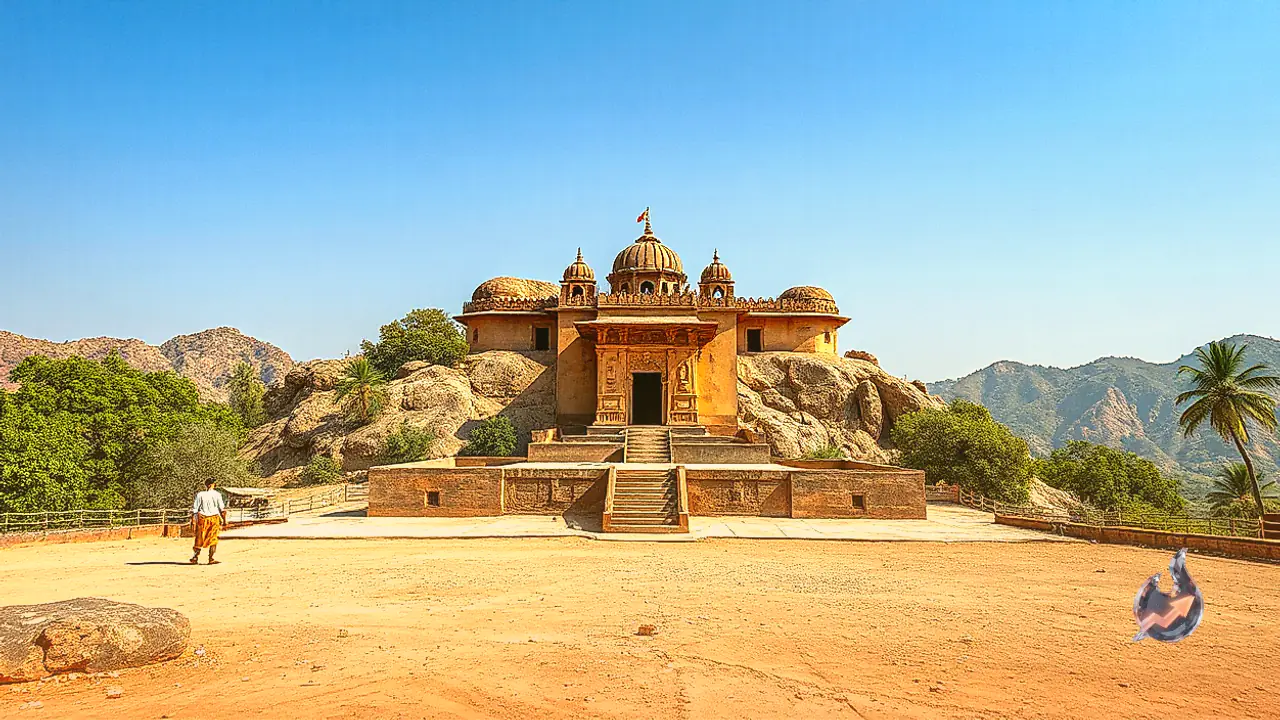

Deeply tied to the traditions of Diwali, which marks Lord Rama returning to Ayodhya after fourteen years of exile and the triumph of righteousness over unrighteousness, is a lesser-known historic destination in Rajasthan where Lord Rama once bathed with his brothers. Located in Sirohi district within the hill station of Mount Abu, the natural Ram Kund sits amidst the Aravalli forests roughly one kilometer away from the Sarveshwar Raghunath Temple near Nakki Lake. Mount Abu is widely regarded as the ancient place of education for Lord Rama. At Gaumukh in Mount Abu stood the ashram of Maharshi Vashishtha, the family guru of Lord Rama. Tradition holds that while studying at the ashram of Maharshi Vashishtha, Lord श्रीराम and his brothers frequently visited this water body to bathe.
Journey to Ram Kund and Its Local Significance
Reaching this remote water body requires navigating through rugged and unpaved terrain. An ancient cave is nestled nearby, housing a small Ram temple within its interior. The water inside this pond is held in high spiritual reverence. Local devotees believe that applying the water from this kund to the body can cure skin ailments. Because of the presence of wild animals in the surrounding forest, visitors are advised to travel to Ram Kund strictly during daylight hours and preferably in groups for safety. Given its proximity to Nakki Lake, the temple and its surrounding natural features remain a key attraction for tourists and pilgrims visiting Mount Abu.
Seven Centuries of History at Sarveshwar Raghunath Temple
The Sarveshwar Raghunath Temple situated along the banks of Nakki Lake boasts a history spanning seven hundred years. Local devotee Prakash Kumar noted that what sets this temple apart, nestled amid picturesque natural scenery, is the unique depiction of Lord Rama. Unlike most shrines, the deity here is not accompanied by Sita and Lakshmana but instead appears entirely in a solitary ascetic form. This distinctive trait sets the shrine apart from conventional temples dedicated to the deity. In the fourteenth century, Jagadguru Ramanandacharya laid the foundation for this sacred site. The idol of Lord Rama installed inside the inner sanctum is regarded as swayambhu, meaning it manifested on its own. The temple is additionally considered the birthplace of the tapsi branch of the Ramanandi sect, with sadhus and saints continuing to perform worship and serve the deity to this day.
Exquisite Architecture and Visiting Hours
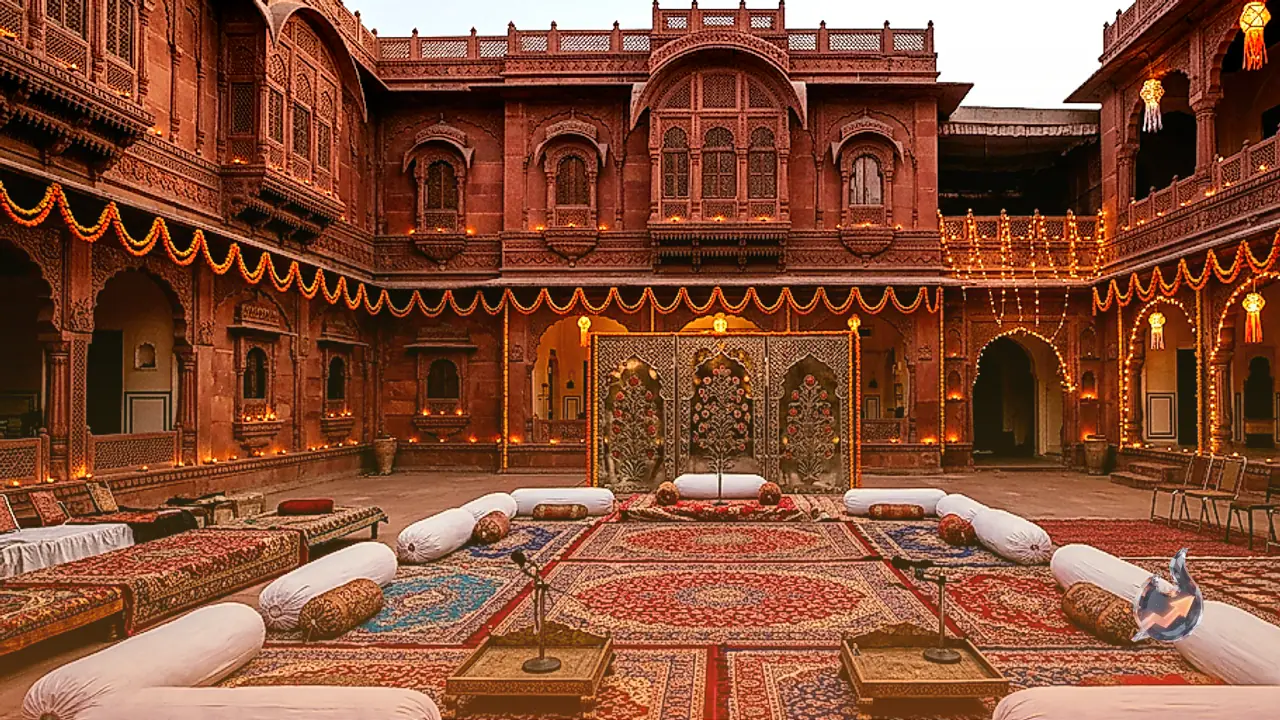
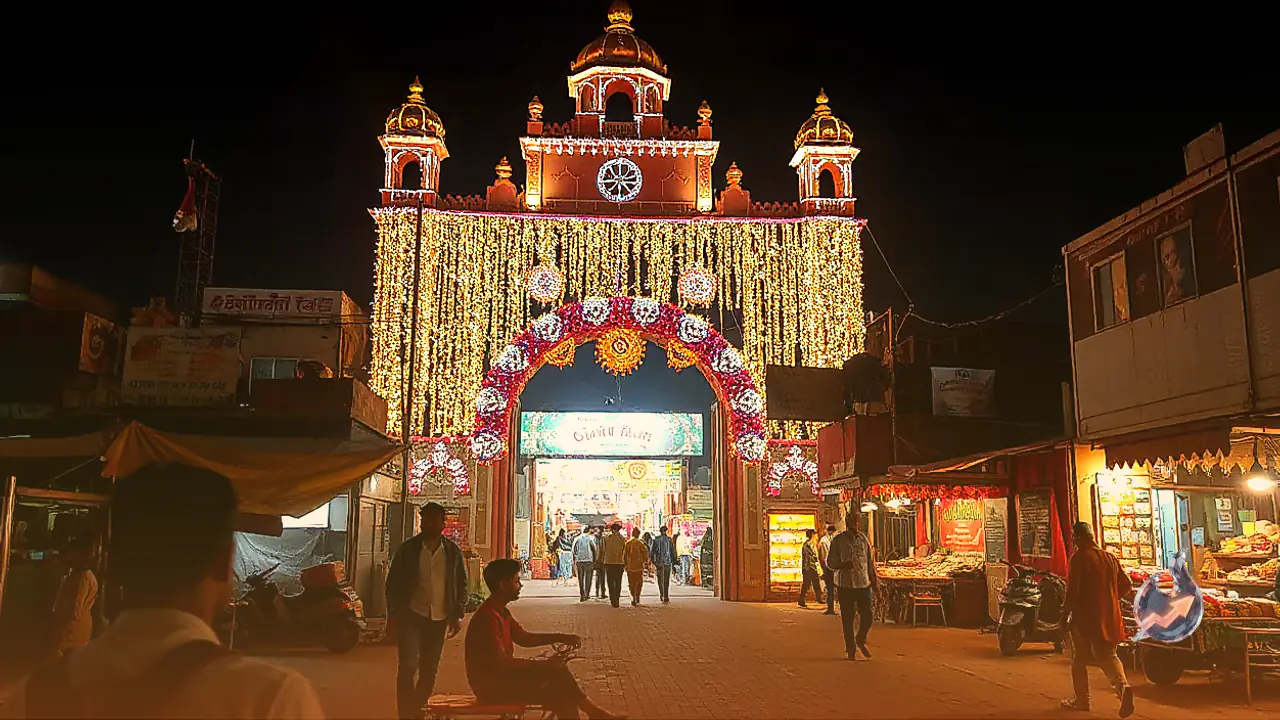
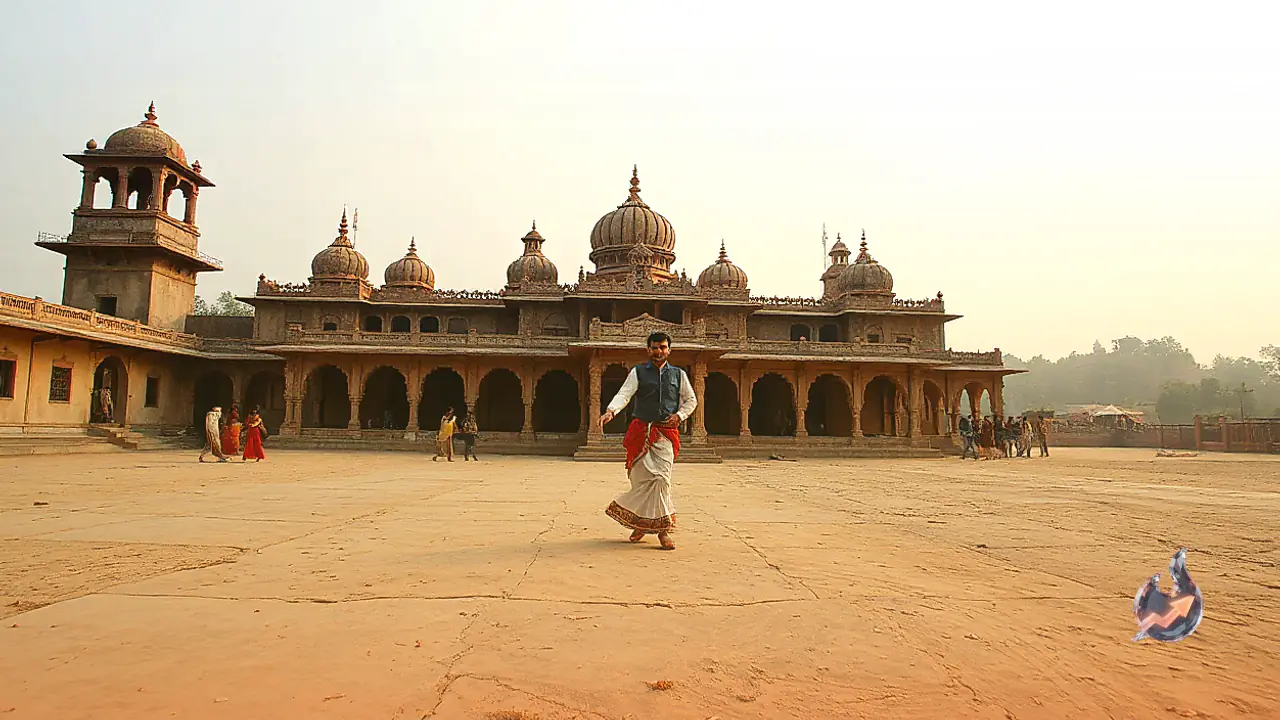
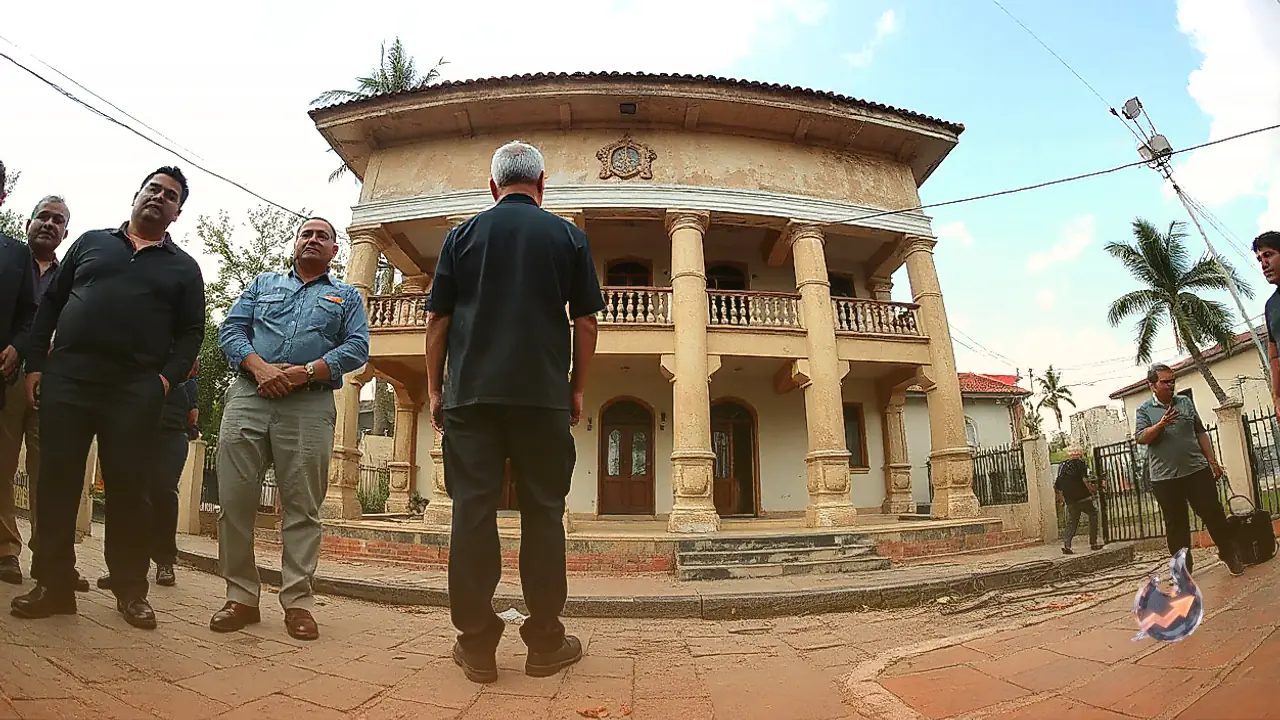
The intricate architecture of the temple also serves as a major draw for travelers. From the exterior, the structure resembles a grand palace, flanked by massive towers on either side of the grand entrance that enhance its visual grandeur. Colorful wall murals depicting Vishnu gatekeepers Jaya and Vijaya, alongside Hanuman and Garuda, serve as prominent visual highlights. Visitors can offer prayers and seek blessings daily between 6:00 AM and 12:00 PM, and again from 5:00 PM to 9:00 PM. Special religious rituals, fire sacrifices, and community feasts are organized on the auspicious occasion of Ram Navami.