














Railway projects that aim to inject new momentum into the infrastructure of Rajasthan can find a vital anchor in the Mavli Junction to Marwar Junction rail route. This endeavor is much more than simply converting an old meter-gauge track into a modern broad-gauge line; it represents a comprehensive effort to establish a fresh corridor for tourism, commerce, and passenger traffic nestled between the regions of Mewar and Marwar. Once this extensive project reaches full completion, the journey between Udaipur and Jodhpur is expected to shrink dramatically from roughly 7 hours down to approximately 4 hours. In addition to this major time-saving benefit, officials claim that the physical rail distance between the two destinations will be reduced by nearly 250 kilometers.
A Scenic Route Winding Through the Aravalli Hills and Historic Sites
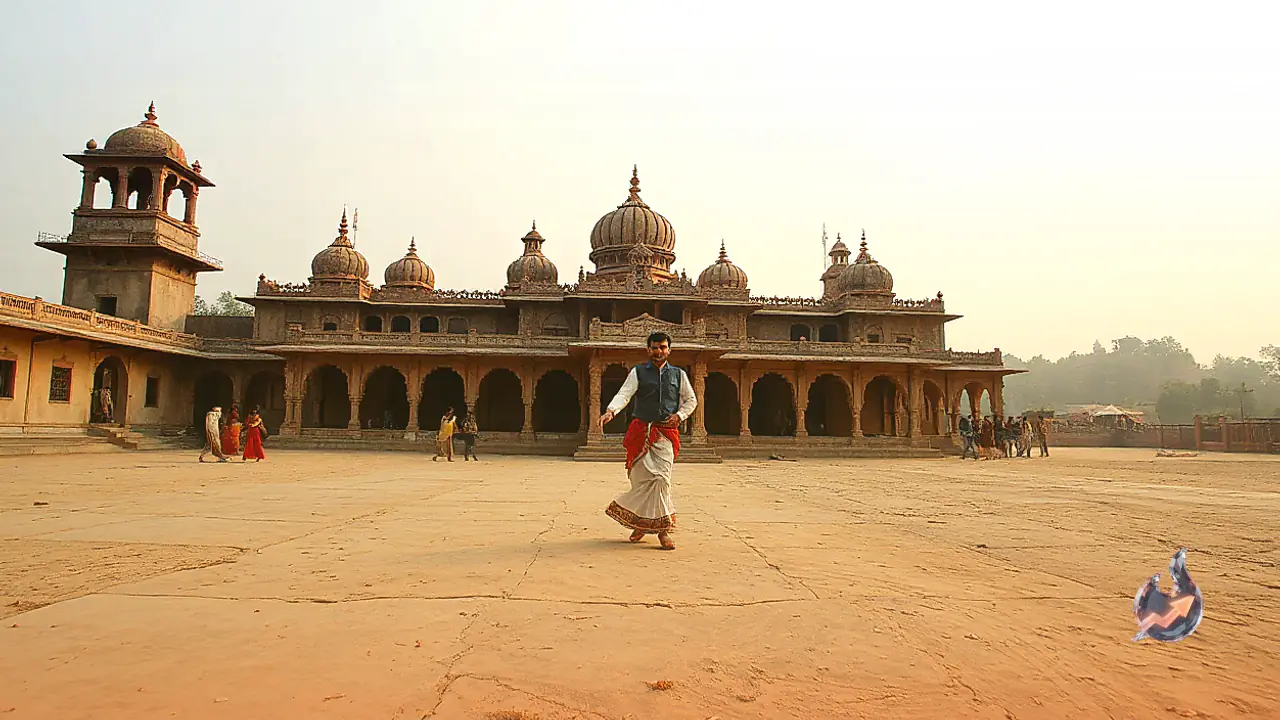
A standout characteristic of this railway project is that the tracks will snake directly through the picturesque landscape of the Aravalli hills, valleys, and numerous historically significant areas. Upgrading this pathway will vastly improve accessibility to prominent tourist hotspots such as the Kumbhalgarh Fort, Devgarh, and the Todgarh-Raoli Wildlife Sanctuary. Consequently, this expansion of the railway network will not merely serve to save time for everyday commuters; it possesses the immense potential to completely revitalize the tourism map and spur industrial activities across Rajasthan.
The Rail Corridor is Being Developed in Two Distinct Phases
The comprehensive task of establishing robust rail connectivity between Mavli and Marwar is moving forward in two sequential phases. Under the first phase, conversion work is actively underway on an 82 to 85-kilometer-long rail section stretching from Nathnagar or Nathdwara to Devgarh Madaria. An estimated investment of around Rs 969 crore is being funneled into this specific segment, and more than 95 percent of the work for this phase has already been successfully finished. The railway administration has even conducted a successful speed test on this track, clocking speeds of up to 121 kilometers per hour. Key railway stations situated along this particular section will include Kankroli, Bejanal, Soniyana Mewar, Kunwariya, Lavasardargarh, Amet, Kuwathal, and Devgarh Madaria.
This substantial upgrade will provide residents residing in Rajsamnd and surrounding areas with a superior and dependable alternative to connect seamlessly with the wider national rail network. Meanwhile, the second phase of the project is proposed to cover the stretch from Devgarh Madaria to Marwar Junction, spanning a length of approximately 72 to 75 kilometers. The Union Ministry of Railways has already granted formal approval for the Final Location Survey of this section. To facilitate this, Union Railway Minister Ashwini Vaishnaw had previously sanctioned a dedicated budget of Rs 12 crore. However, construction work concerning this second phase still awaits final administrative approval.
Breathing New Life Into a 90-Year-Old Historic Railway Route
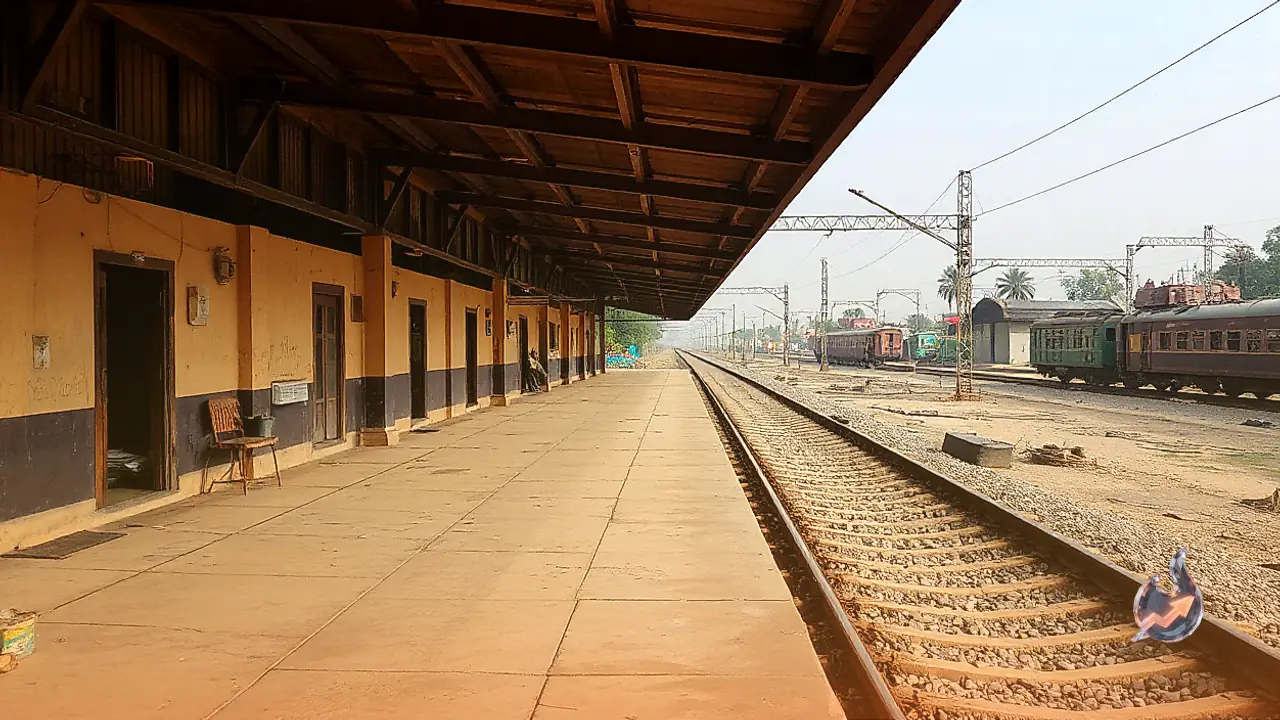
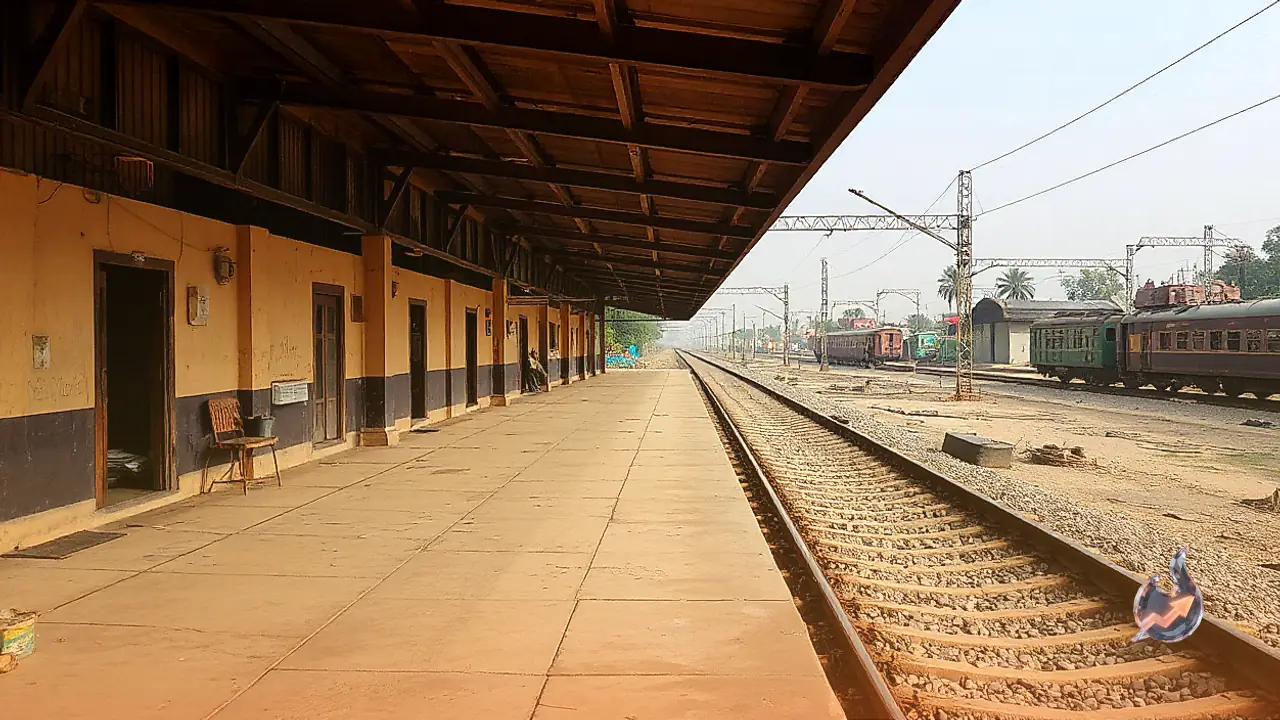
An intriguing aspect of this infrastructure initiative is its deep historical roots, as the original Mavli-Marwar rail route was constructed back in 1936 during the era of British rule. For many decades, the Mavli-Marwar passenger train operated across this terrain utilizing the narrow meter-gauge tracks. Now, authorities are actively working to transition this vintage rail link into an advanced broad-gauge network. Once converted, the route will pave the way for the smooth operation of high-capacity trains, thereby strengthening direct railway connectivity between Mewar and Marwar. Currently, passengers traveling from Udaipur to Jodhpur are forced to navigate a lengthy and time-consuming rail detour, but the upcoming direct link is projected to slash transit durations down to roughly 4 hours.
Unlocking Vast Potential for Both Tourism and Industrial Growth
The broader impacts of this railway project extend far beyond basic passenger transport. Traversing the valleys of the Aravalli range, this route will serve as a vital connective tissue for numerous historical landmarks and natural wildlife destinations throughout Rajasthan. Travelers will find it significantly easier to visit celebrated attractions like the Kumbhalgarh Fort, Devgarh, and the Todgarh-Raoli Wildlife Sanctuary. On the commercial front, the thriving marble and granite industries centered in Rajsamnd and Udaipur are poised to reap substantial rewards from this enhanced rail connectivity. Easier freight transport will make the shipping of industrial goods both smoother and more cost-effective, which in turn will fortify alternative supply routes leading toward the Delhi-Mumbai Industrial Corridor and the various ports located in Gujarat.
Local advocacy groups, particularly the Mewar Rail Vikas Parishad, have spent nearly 15 years relentlessly lobbying for the expansion and modernization of this rail line, especially across the Devgarh Madaria to Marwar Junction stretch. Parishad President Prakash Mandot has held direct meetings with Railway Minister Ashwini Vaishnaw to urge an expedited decision on the matter. According to the demands put forward by the council, there is a strong push to route the proposed rail link through areas such as Lasani, Tal, Bhim, Jawaja, Bali, Taragarh, Cobra, and Kalabar, ultimately connecting it all the way to Haripur station. Additional appeals have been made to execute gauge conversion along the route traversing Khamli Ghat, Phulad, Todgarh, and Siriyari straight from Devgarh Madaria down to Marwar Junction.
The Railway Board completed a comprehensive survey of this specific rail segment back in 2023 and duly submitted its findings, while the North Western Railway has also presented its official report, though the project continues to await its ultimate green light. The council strongly believes that beyond benefiting the local population of Rajasthan, this rail link will offer valuable travel advantages to passengers originating from southern states including Kerala, Karnataka, Tamil Nadu, and Andhra Pradesh. Ultimately, the Mavli-Marwar broad-gauge project stands to bring a transformative shift to the regional railway infrastructure of Rajasthan, simultaneously giving a fresh impetus to tourism, industrial expansion, and local connectivity.