






















The district of Jalore in Rajasthan is home to a remarkable cluster of Hanuman temples, each defined by distinct oral traditions, historical antiquity, and rare architectural traits. From sacred idols believed to have emerged spontaneously from the subterranean earth to sanctums that have deliberately remained without a roof across centuries, these spiritual sites continue to draw sustained devotion from residents and traveling pilgrims alike.
Alasan Village Shrine Marks Three Centuries of Devotion with a 35-Foot Idol
Located in Alasan village within Jalore, one prominent Hanuman temple carries a heritage of faith spanning approximately 300 years. Traditional accounts recount that during an era of severe famine, an idol of Hanuman surfaced directly from the ground beneath a local Jaal tree. Recognizing the occurrence as divine, the local villagers joined hands to construct a dedicated temple on that very ground. Today, a towering 35-foot statue of Hanuman inside the premises serves as a prime focal point for visitors. Devotees travel from considerable distances to offer prayers here, holding the firm conviction that genuine vows made at this altar are faithfully fulfilled.
Eight Centuries Without a Roof at the Pataleshwar Temple in Kaniwada
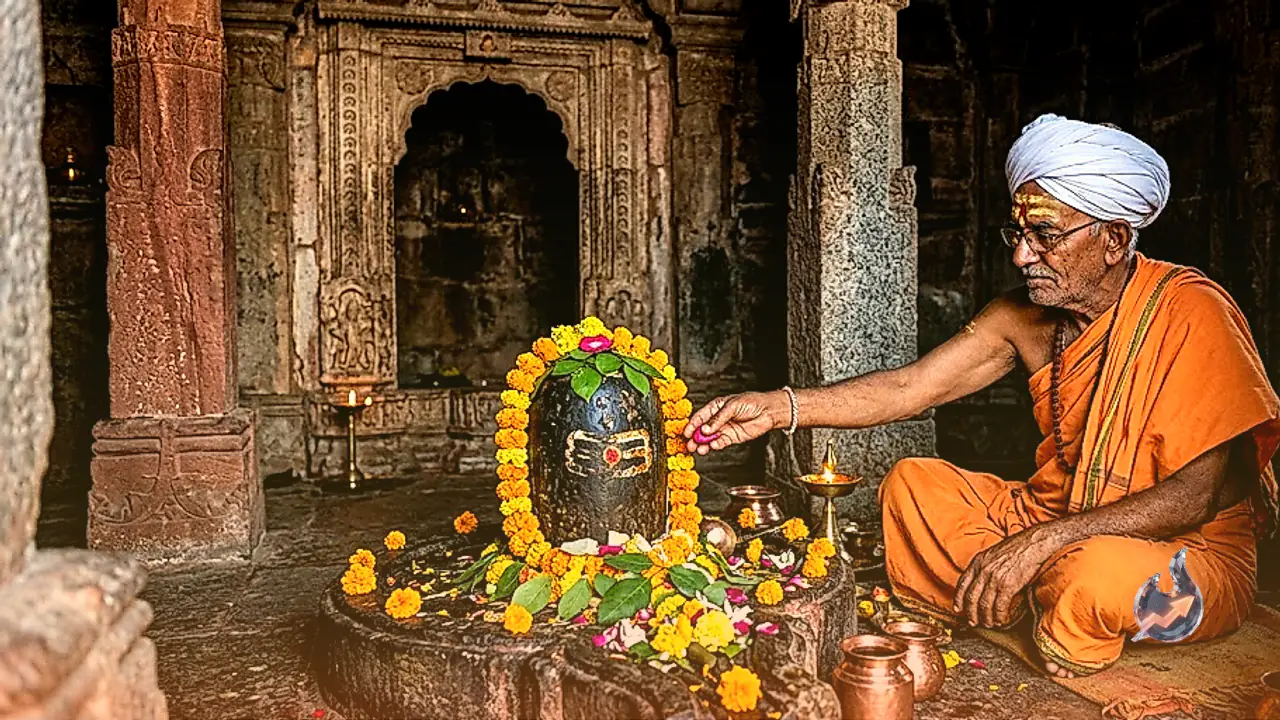
Roughly 10 kilometers away from Jalore city stands the ancient Pataleshwar Hanuman temple in Kaniwada. Unlike conventional shrines where idols are formally installed by human hands, local tradition holds that the deity emerged independently from deep within the earth. As explained by the temple priest, this self-manifestation led to the name Pataleshwar, cementing a lineage of reverence preserved across successive generations. While the temple's roots trace back nearly 800 years, the deity stands beneath the open sky without any roof overhead to this day. Special ornamentation takes place every Tuesday and Saturday, drawing large crowds of devotees who undertake arduous foot pilgrimages to seek blessings.
Dravidian Architectural Influence on the Sayla Highway
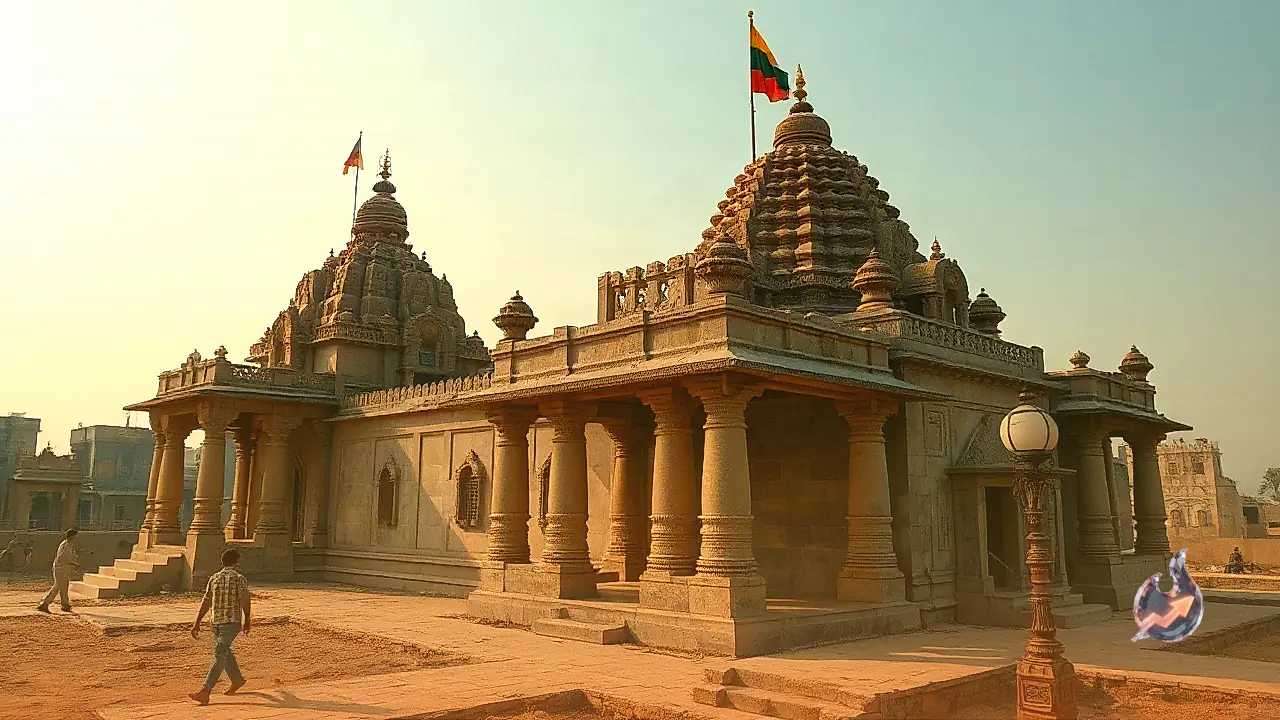
Situated roughly 35 kilometers from Jalore along the arterial route of Sayla town, another Hanuman temple immediately catches the attention of travelers. Its aesthetic structure distinguishes it from standard north Indian shrines, having been meticulously crafted by skilled artisans brought in from Tamil Nadu who employed authentic Dravidian techniques. The resulting south Indian architectural motifs give the building an unmistakable visual presence that sets it apart in the desert region.
Awakened Presence of Balaji and the Mahabharata Connection Across District Borders
Another revered Balaji temple in Jalore commands widespread public reverence due to its distinctive worship traditions. Local residents maintain that Balaji resides here in an active, awakened state where devotees arrive continuously to place their personal petitions. Notably, the spiritual custom here involves worshiping Balaji in an entirely unconfined and independent posture.
Adding to this sacred geography is another notable shrine situated approximately 45 kilometers outside Jalore. This site features a rare dual boundary: one of its main entrance gates opens toward Jalore district, while the opposite entryway leads into Sirohi district. According to local lore, the Pandavas paused and rested at this location during the Mahabharata era. Reverence for the spot runs so deep that passing private motorists and state roadways buses routinely halt for a brief pause, allowing commuters to offer their respects before resuming their journey.