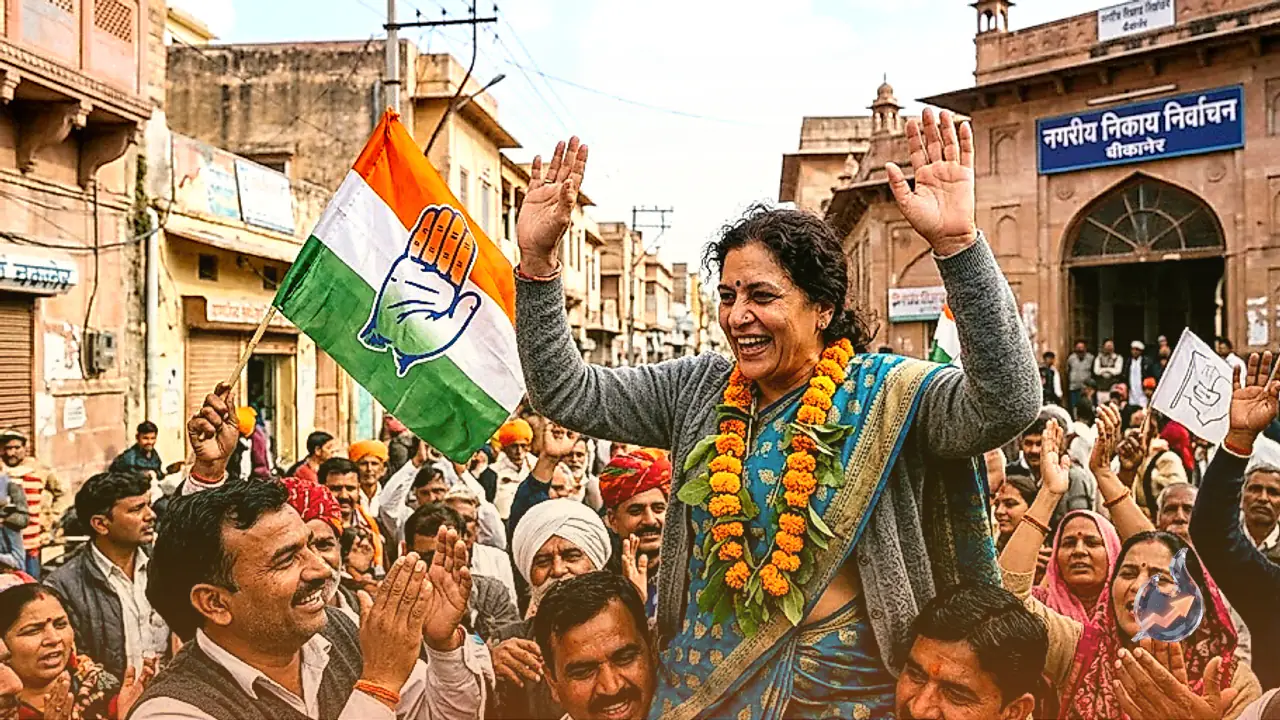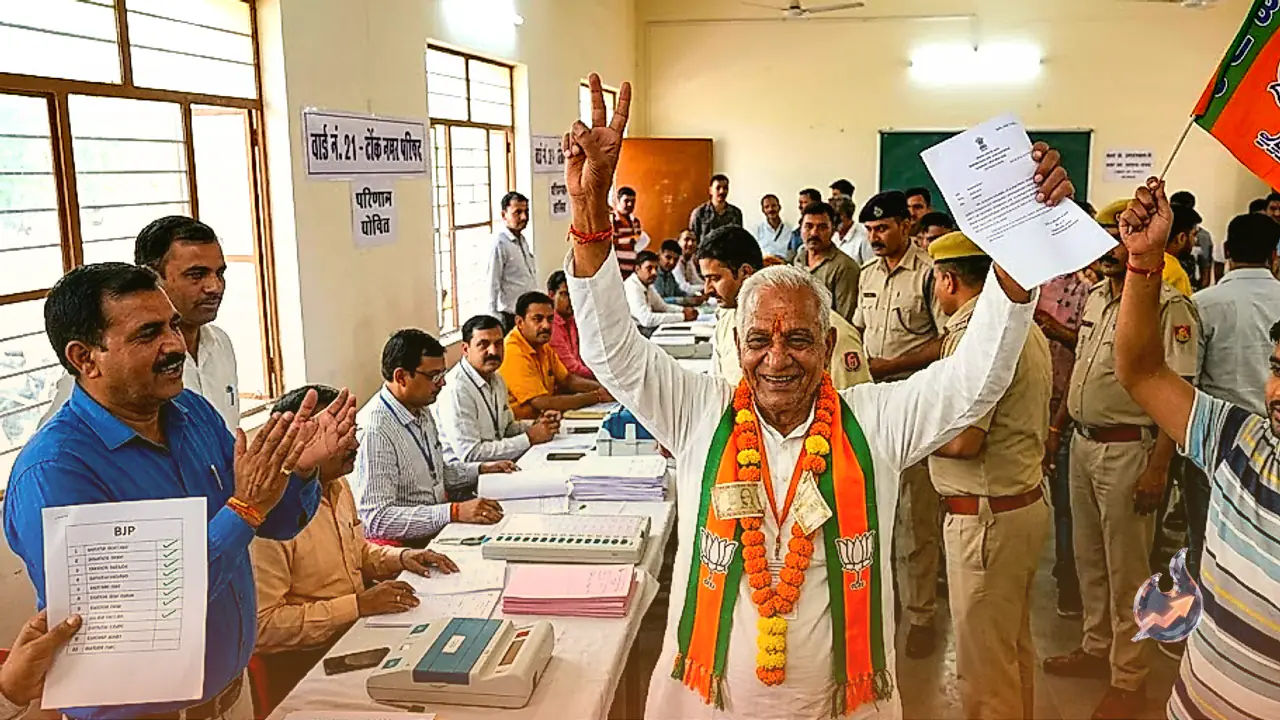


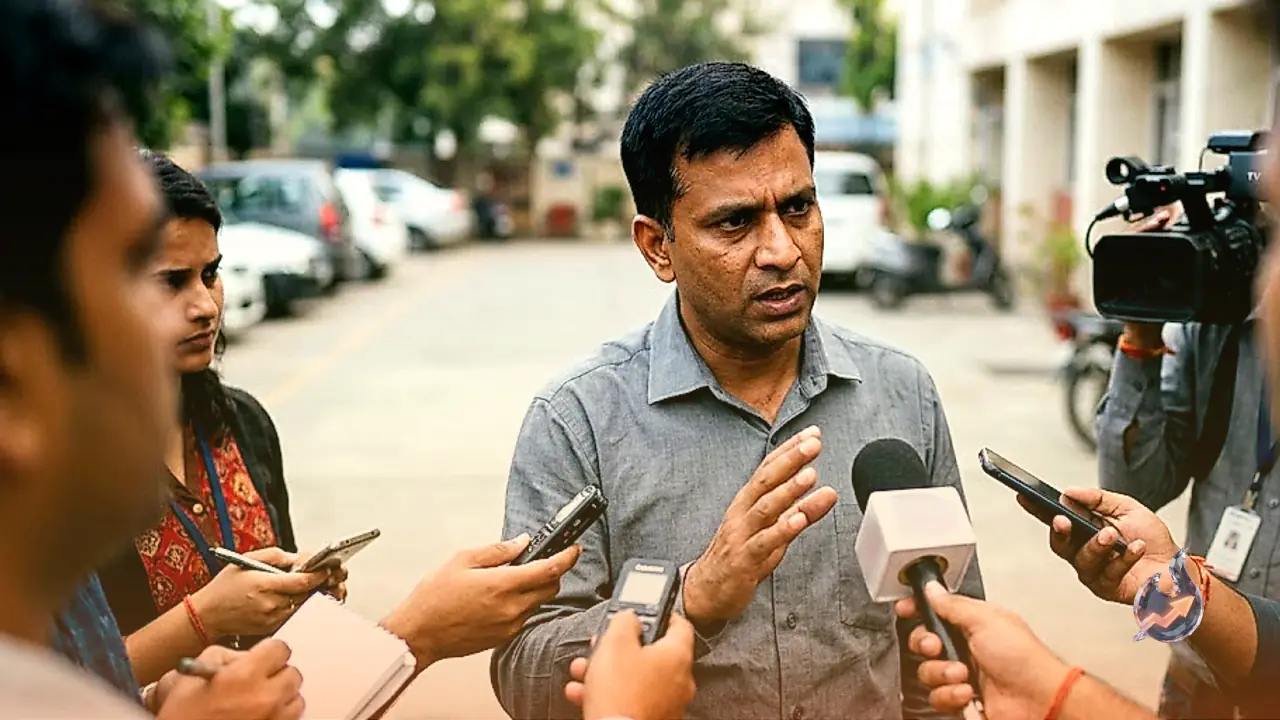

















The counting of votes for 10,244 wards across 309 urban local bodies in Rajasthan has concluded with a resounding success for the Bharatiya Janata Party. The ruling party has established its dominance by winning more than 4,171 wards, leaving the opposition Congress restricted to just 3,597 wards. By securing clear majorities or strong leads in major municipal corporations including Jaipur, Kota, Udaipur, and Bhilwara, the party has once again demonstrated its solid backing among urban voters across the region.
A Decisive Turn for Leadership
This electoral outcome extends far beyond a routine local body contest, serving instead as a crucial turning point for the intricate political equations within the state unit and the political career of Chief Minister Bhajan Lal Sharma. Ever since the party leadership handed the chief ministerial post to a first-time legislator following the 2023 assembly elections, various political circles and sections of media had been abuzz with speculations regarding the longevity of the administration.
Urban local elections are widely regarded as a direct report card on grassroots issues and the day-to-day performance of the government. By capturing over 4,000 wards, the party has sent out a clear message that public acceptance and support for the Chief Minister are steadily expanding at the ground level. Following this comprehensive mandate, the central leadership is expected to grant even stronger backing to the administration.
Shifting Power Dynamics Within the Party
Observers note that Rajasthan politics has historically witnessed an unspoken power struggle between factions aligned with former leadership and those representing the new order. Early on, critics often labeled the current leadership as weak, anticipating that any poor performance in municipal polls would be blamed directly on the Chief Minister to exert pressure. Instead, this electoral triumph firmly establishes him as a mass leader capable of delivering crucial wins, forcing dissenting voices to recalibrate their approach and align with the current hierarchy.
Organizational Synergy and Voter Trust
The entire electoral campaign placed immense pressure on the combined leadership of the party organization and the state machinery to deliver results. Despite some localized setbacks in specific areas like the home district of the state party president, the broader organizational grip remained firm across the state. Even in the face of various promises and claims made by the opposition regarding legacy welfare schemes, the urban and middle-class electorate of Rajasthan has continued to stand firmly behind the development agenda.
Laying the Groundwork for Future Polls
The strong performance in these municipal elections provides a major advantage for the upcoming formation of mayoral and chairperson boards, while also laying a solid foundation for the 2028 assembly elections. Nevertheless, the victory also comes alongside nuanced signals, such as independents winning over 2,200 wards and asserting considerable influence in the Chief Minister home district of Bharatpur, indicating that localized grassroots discontent has not been entirely eradicated. Ultimately, the overall results have cleared away the clouds of uncertainty and internal friction, allowing the administration to move forward with renewed confidence.