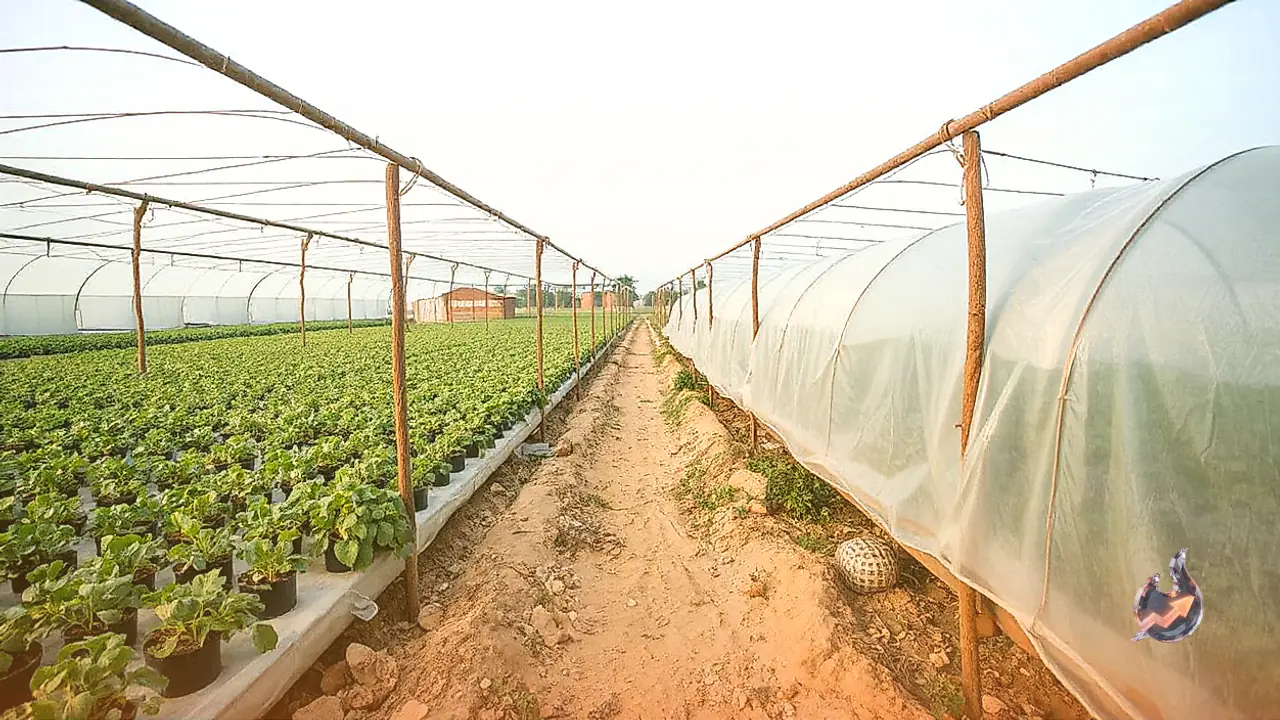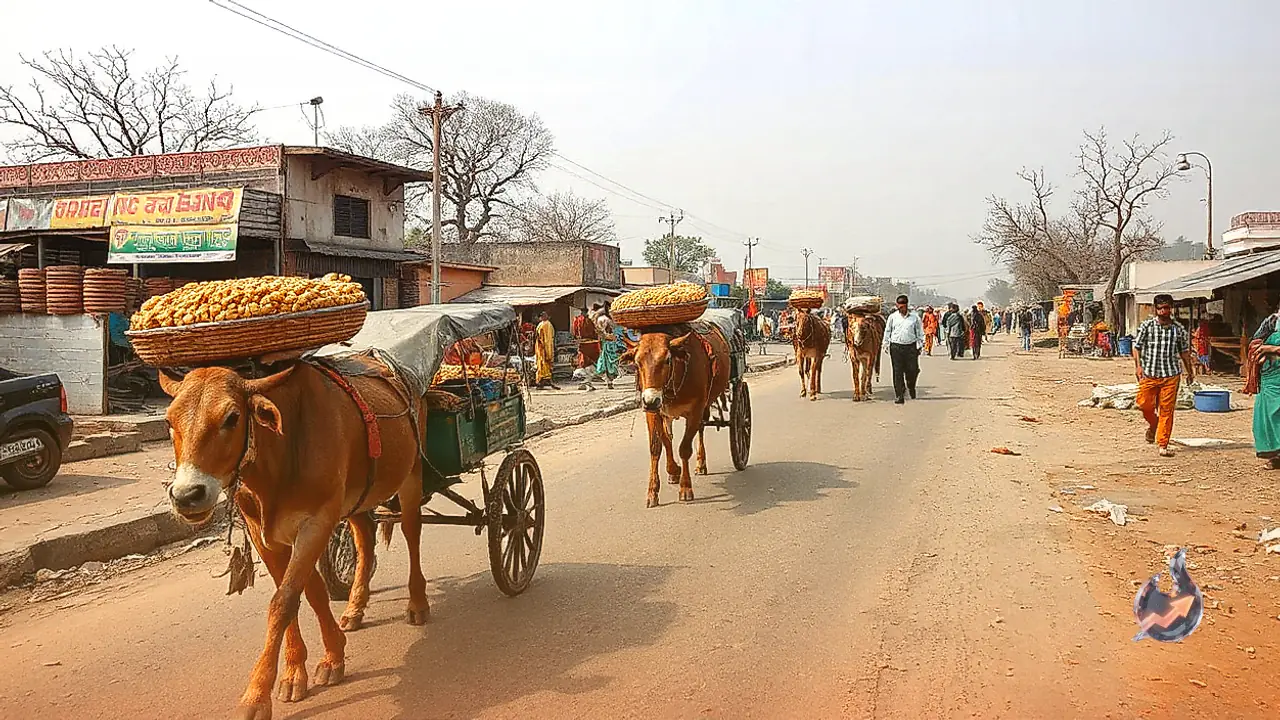

























Unfavorable weather patterns in Sikar have triggered a fresh inflation challenge stretching directly from agricultural fields to ordinary household kitchens. During the kharif season, erratic weather conditions adversely affected the production of major crops including cluster beans, pearl millet, green gram, and moth bean. With lower yields harvested in the fields, supply availability in local markets dwindled sharply, subsequently pushing crop prices upward. This inflationary pressure is no longer confined to wholesale trading yards alone, as everyday necessities like pulses, flour, and edible oils have also become costlier. Families are forced to loosen their purse strings significantly higher than before while purchasing food provisions, particularly during the festive season.
Current Market Rates for Kharif Crops in Sikar
Recent price surges across kharif crops over the past fortnight in the Sikar market have completely altered trading dynamics. Green gram prices have climbed as high as 8500 rupees per quintal. Meanwhile, pearl millet is trading between 2200 and 2500 rupees, moth bean ranges from 6025 to 7500 rupees, and cluster beans are selling between 7000 and 7800 rupees per quintal. Groundnut prices have also sustained high levels, oscillating between 8500 and 10000 rupees per quintal. Reduced market arrivals and limited availability of superior quality produce are regarded as the primary drivers behind this upward price momentum.
Compromised Grain Quality Hits Farmers Hard
Despite rising market quotations, not all farmers are reaping the financial benefits of this price boom. Beyond the overall drop in agricultural output caused by adverse weather, the physical quality of the harvested grains has also suffered. Farmers possessing clean, lustrous, and premium-quality produce are securing better returns, whereas those with substandard grains and lower-grade yields are compelled to sell at depressed prices. Lacking adequate storage infrastructure and facing immediate cash requirements for household expenses, cultivators are unable to hold back their produce. Consequently, despite surging market rates, farmers find themselves grappling with a severe double whammy.
Direct Impact on Domestic Kitchen Budgets
The escalation in kharif crop prices is intensely rippling through the broader food grain market, making pulse purchases increasingly expensive as items like moong and moth turn dearer. Simultaneously, price pressures stemming from edible oils and wheat flour continue to strain household budgets heavily. According to grain merchants, ongoing market scarcity and a shortage of premium produce are keeping prices elevated. This burden weighs most heavily on families whose major share of monthly earnings is dedicated to grocery and kitchen expenditures. The drop in production has systematically disrupted traditional market equilibrium.
Merchant Perspectives and Future Outlook
Wholesale grain merchant Subhash Boobna explained that lower production figures throughout the kharif season severely impaired market arrivals. The availability of superior-quality crops remains distinctly scarce, triggering unexpected price spikes that directly influence essential daily foodstuffs. Unless the overall production output and market arrival scenario witness marked improvements, inflationary pressures within the marketplace are expected to persist. In short, the adverse impact of erratic weather has traveled straight from the farmer's field to the common citizen's plate, keeping current kharif market quotations firmly elevated.