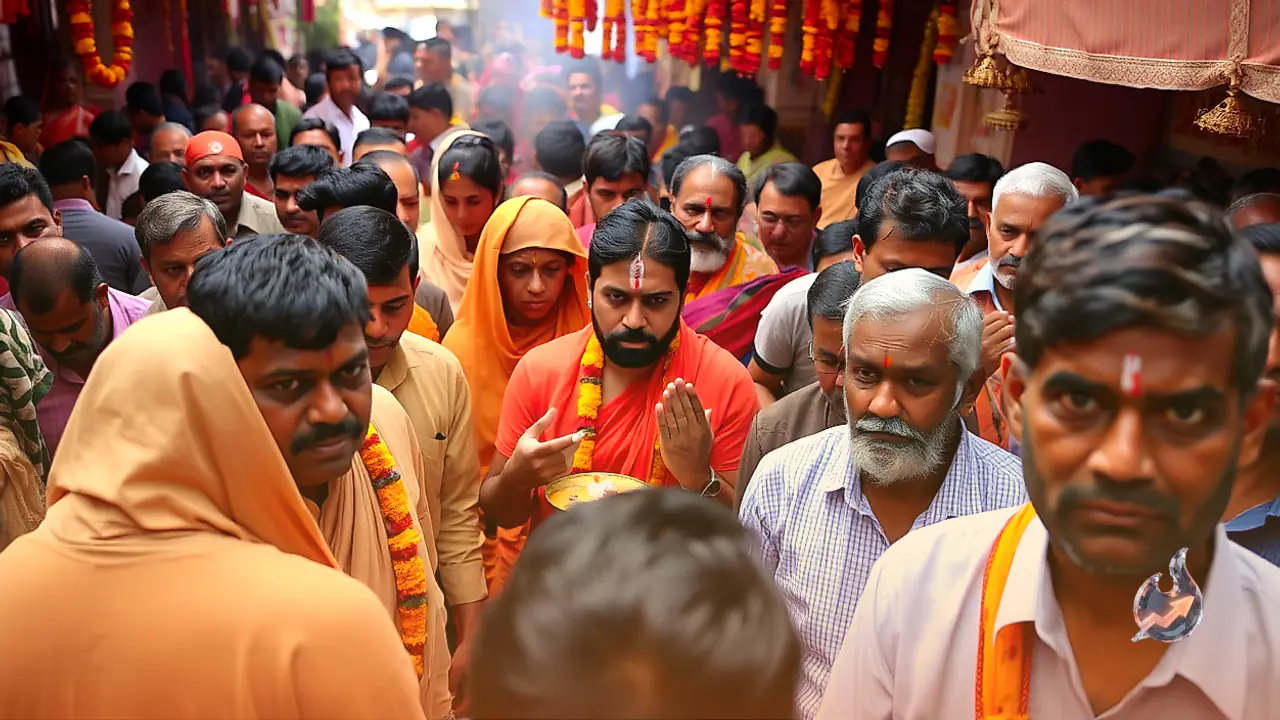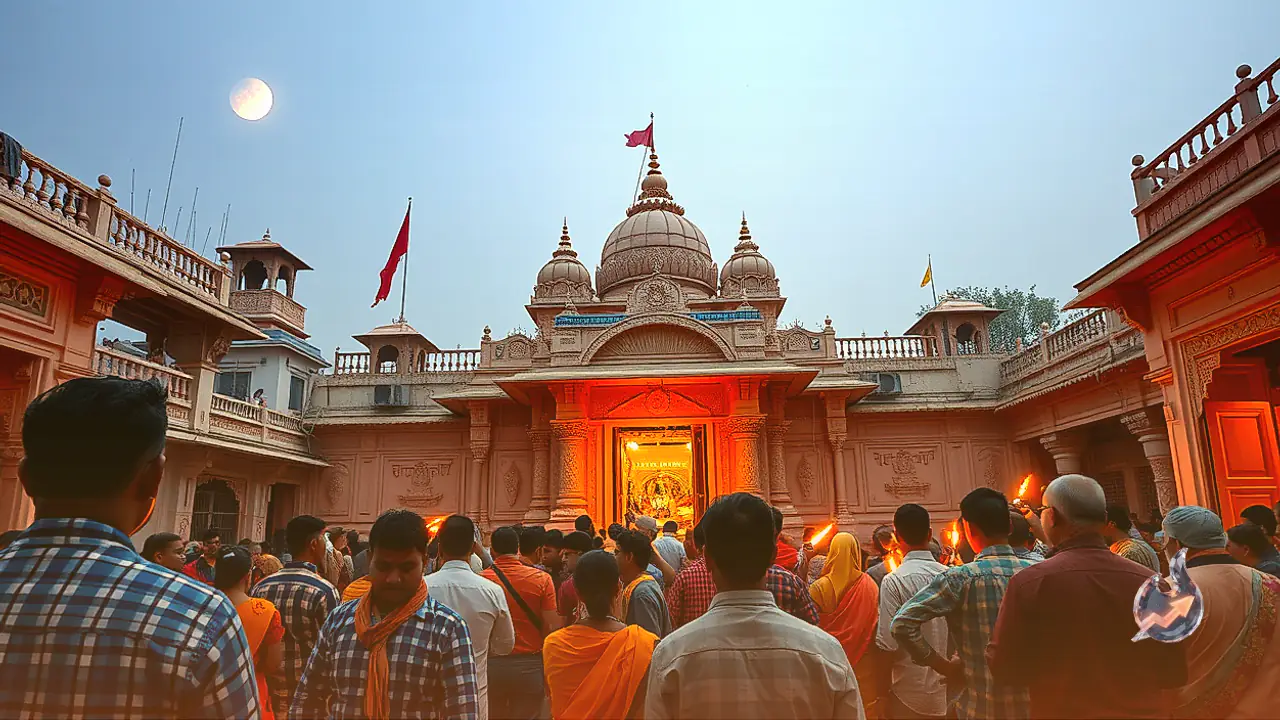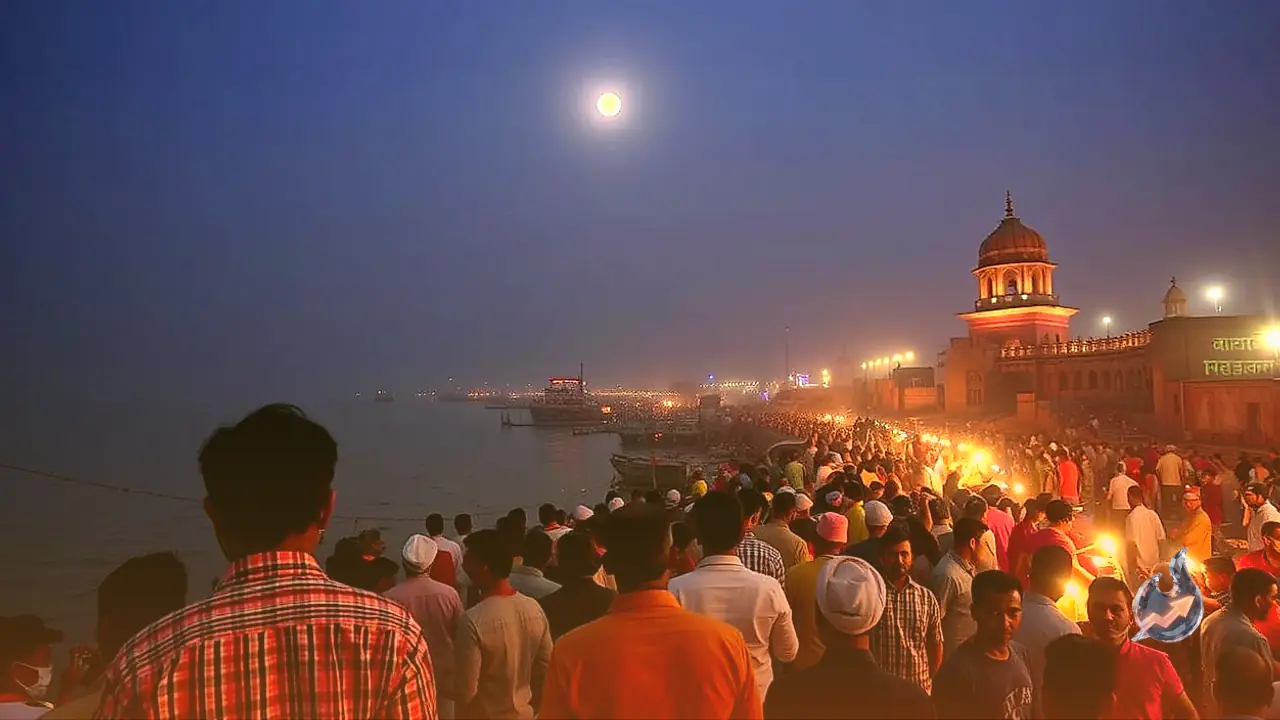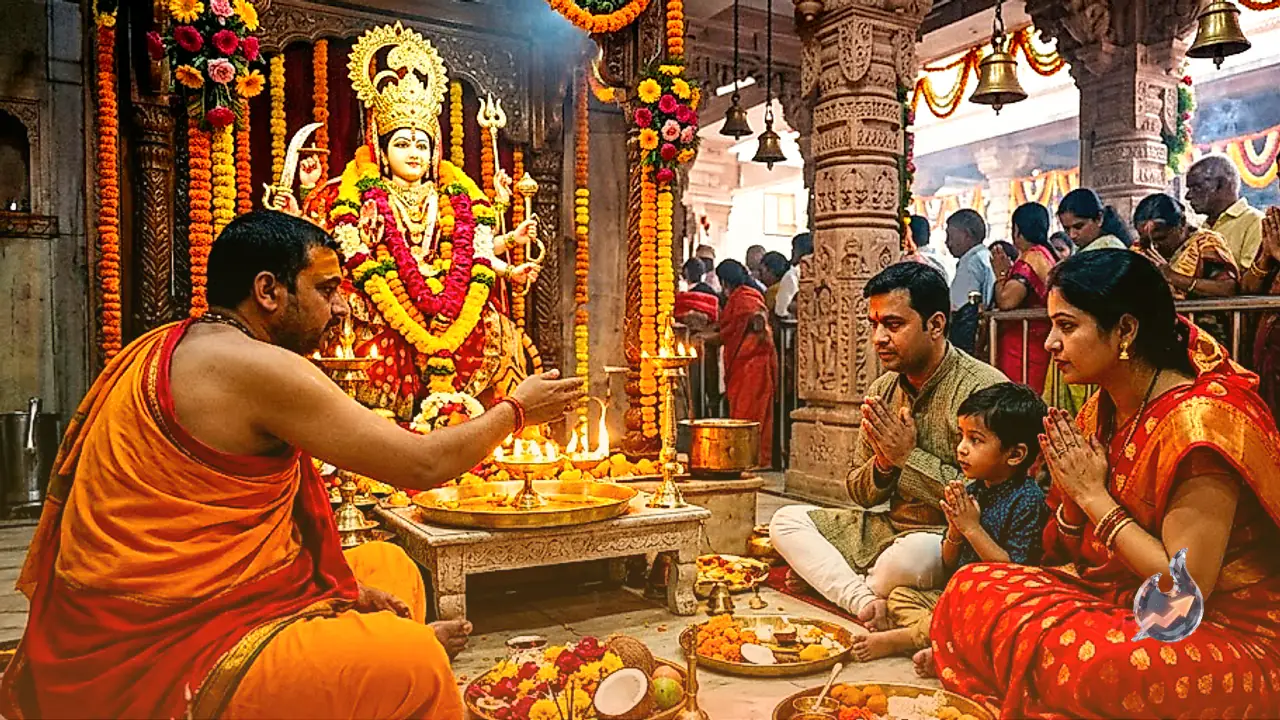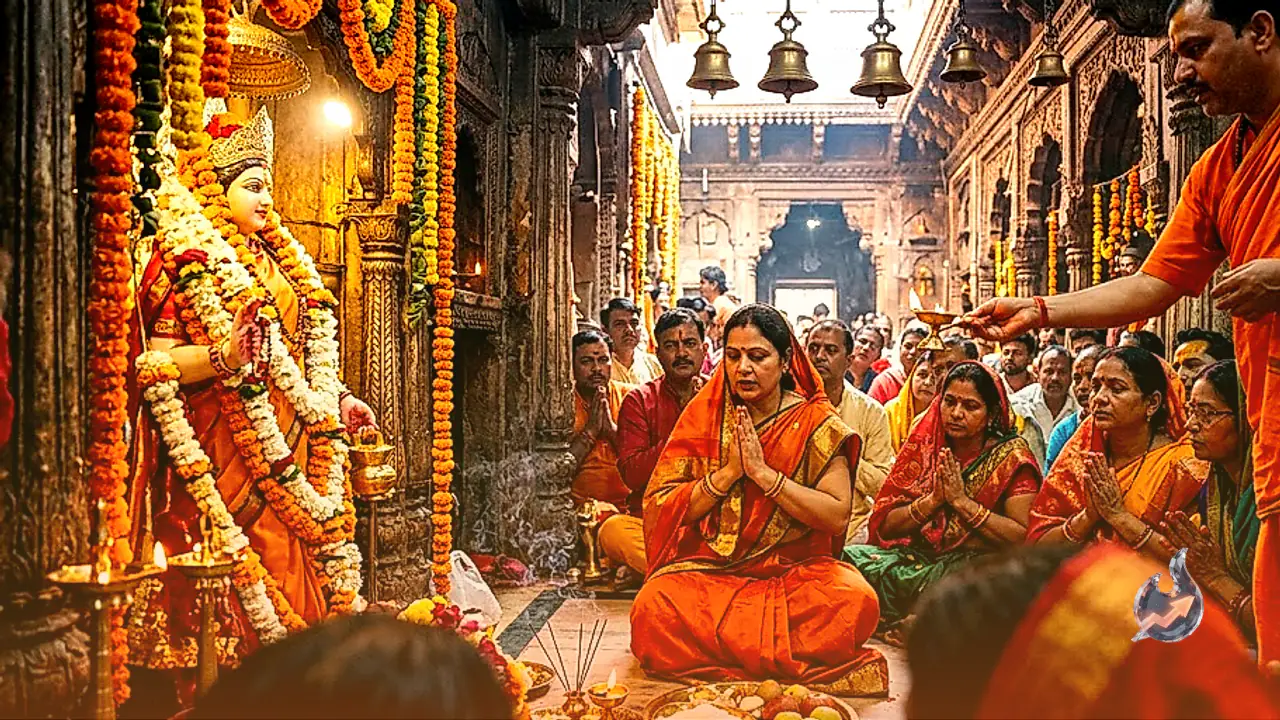




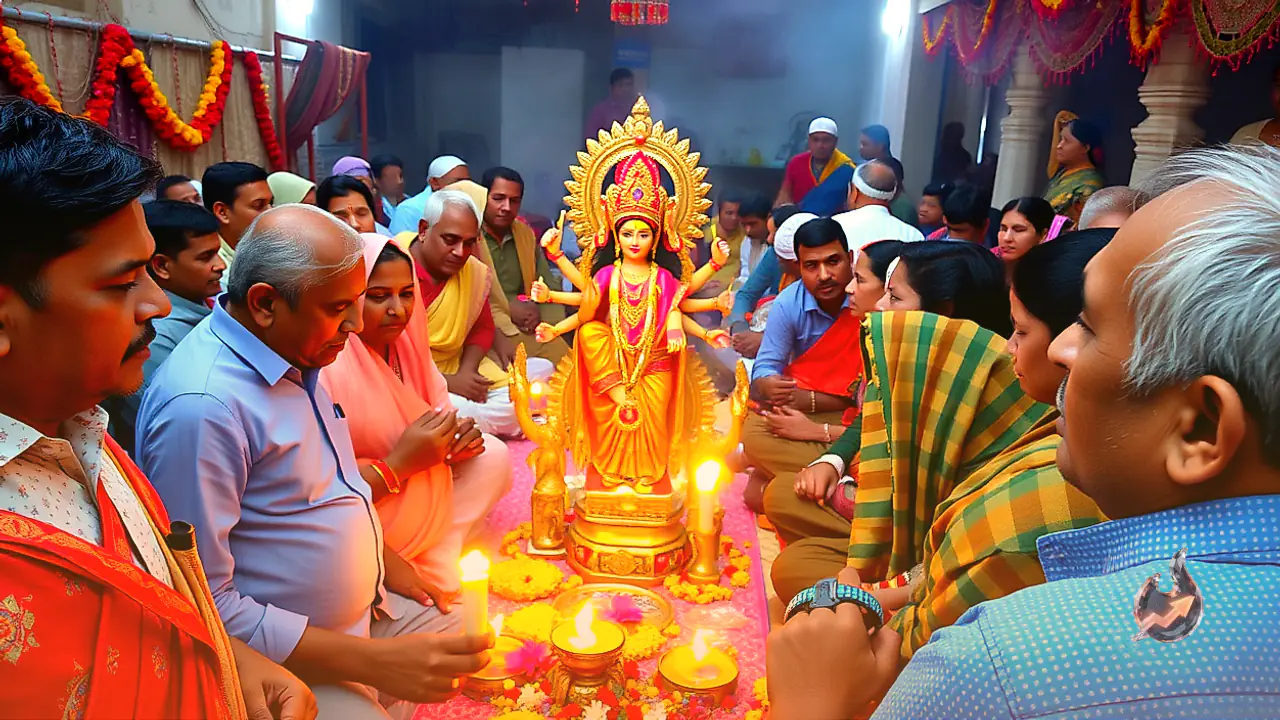
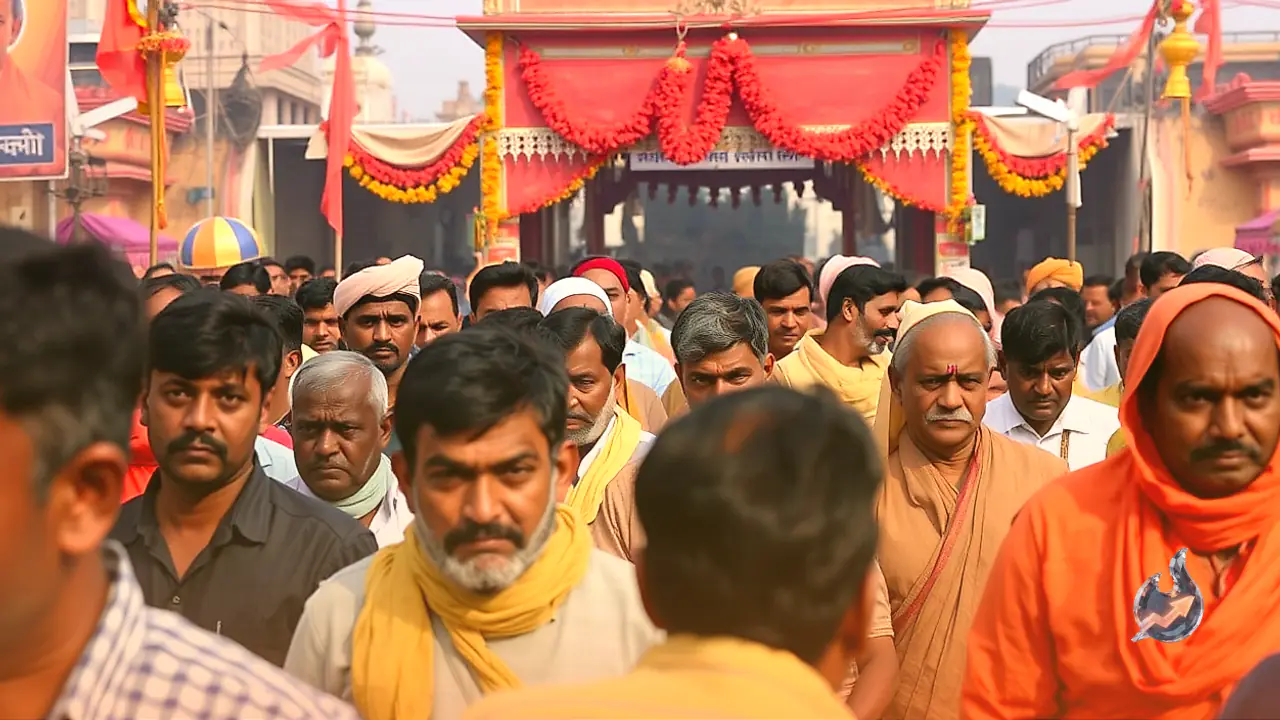














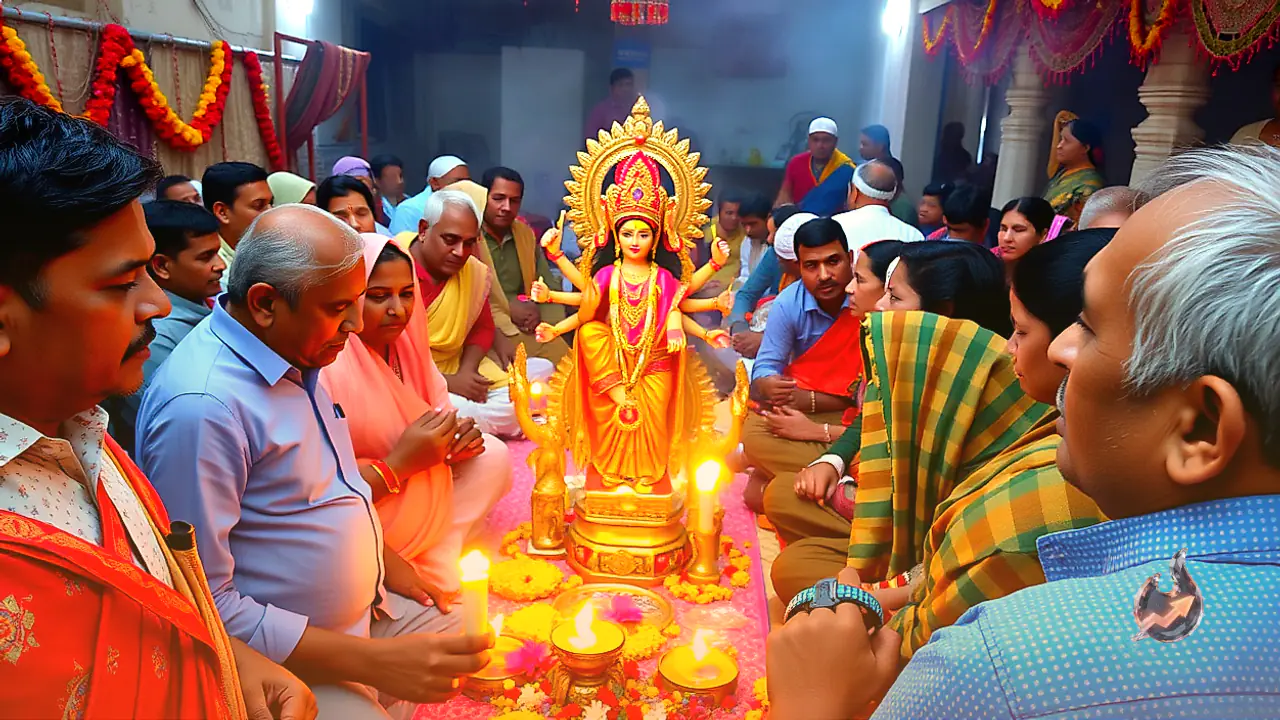

The festival of Shardiya Navratri holds immense significance in Hindu tradition, marked by deep devotion and elaborate rituals across households and temples. According to the lunar calendar, this grand celebration begins on the Pratipada Tithi of the bright fortnight in the month of Ashwin and concludes on Navami. This year, the festival spans from October 11 to October 20. Ancient scriptures note that sincere prayers offered to Goddess Durga during these days fulfill the deepest desires of devotees.
Significance of Fasts and Rituals
Observing fasts and performing ritualistic worship are central to invoking the divine grace of the Mother Goddess during Navratri. Homes are prepared with sacred altars, and continuous oil lamps are lit to maintain spiritual energy. Alongside these traditional customs, reciting the Durga Chalisa is considered essential for eliminating life troubles and attracting household prosperity. Devotees believe that routine devotional practices during this window create a protective shield around the family.
The Importance of Aarti
Scriptural traditions emphasize that any devotional practice remains incomplete without the customary performance of the evening and morning aarti. Following the recitation of the Durga Chalisa, singing praises through the aarti is vital to sealing the spiritual benefits of the ritual. This closing act allows worshippers to express their complete surrender and devotion to the deity.
Verses and Mythology in the Chalisa
The verses of the Chalisa capture the multifaceted nature of the Supreme Goddess, detailing her roles as both the creator and the destroyer of negative forces. From protecting young devotees like Prahlad in her fierce incarnations to vanquishing powerful demons like Mahishasura, the text chronicles her interventions on behalf of righteousness. These poetic lines serve as a reminder of divine protection during times of crisis.
Spiritual Rewards for Devotees
Those who approach the divine with a pure heart and unwavering faith find relief from poverty, sorrow, and worldly anxieties. Regular chanting of these sacred lines during the Navratri festival cleanses the mind and paves the way for spiritual liberation. Embracing these practices allows individuals to experience profound inner peace and divine guidance.