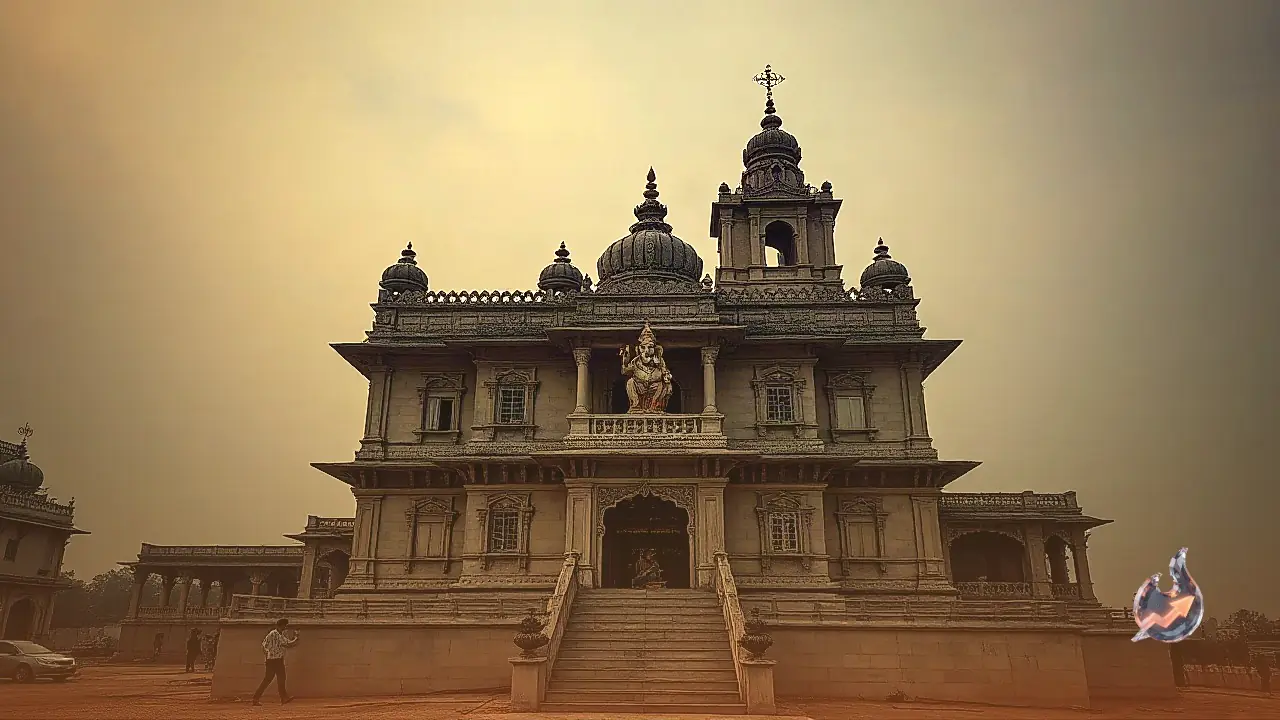




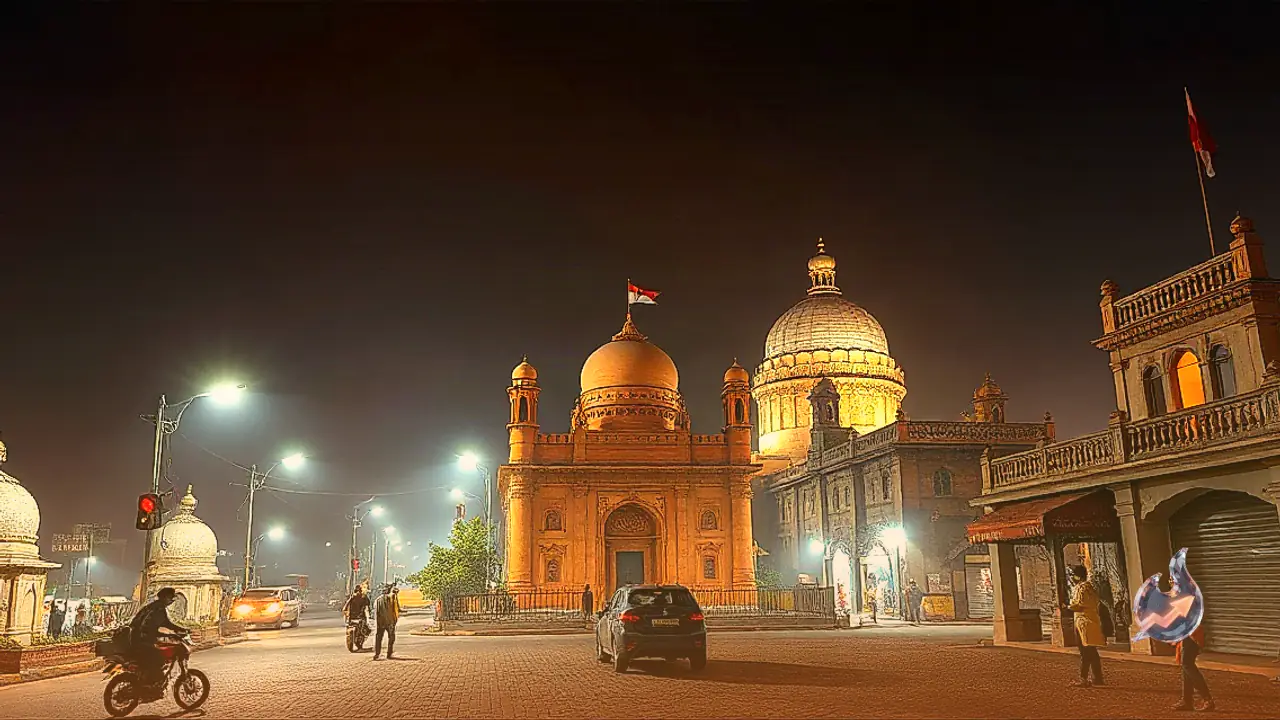
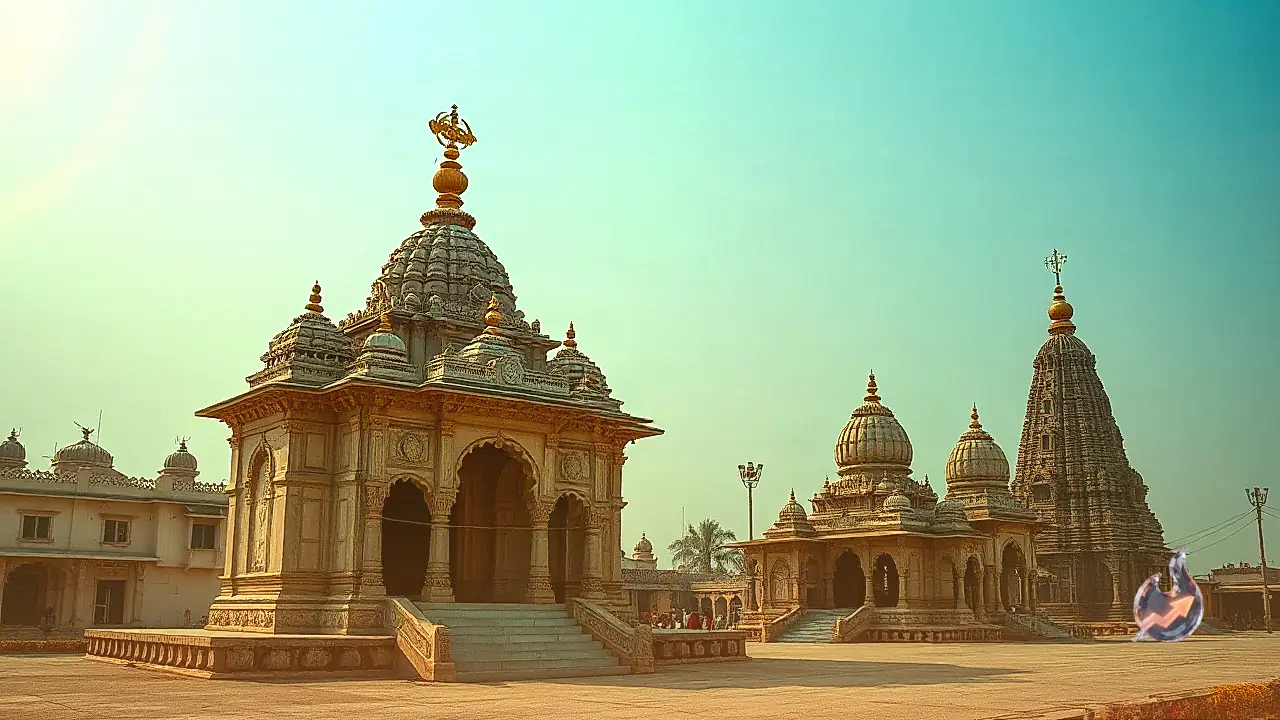














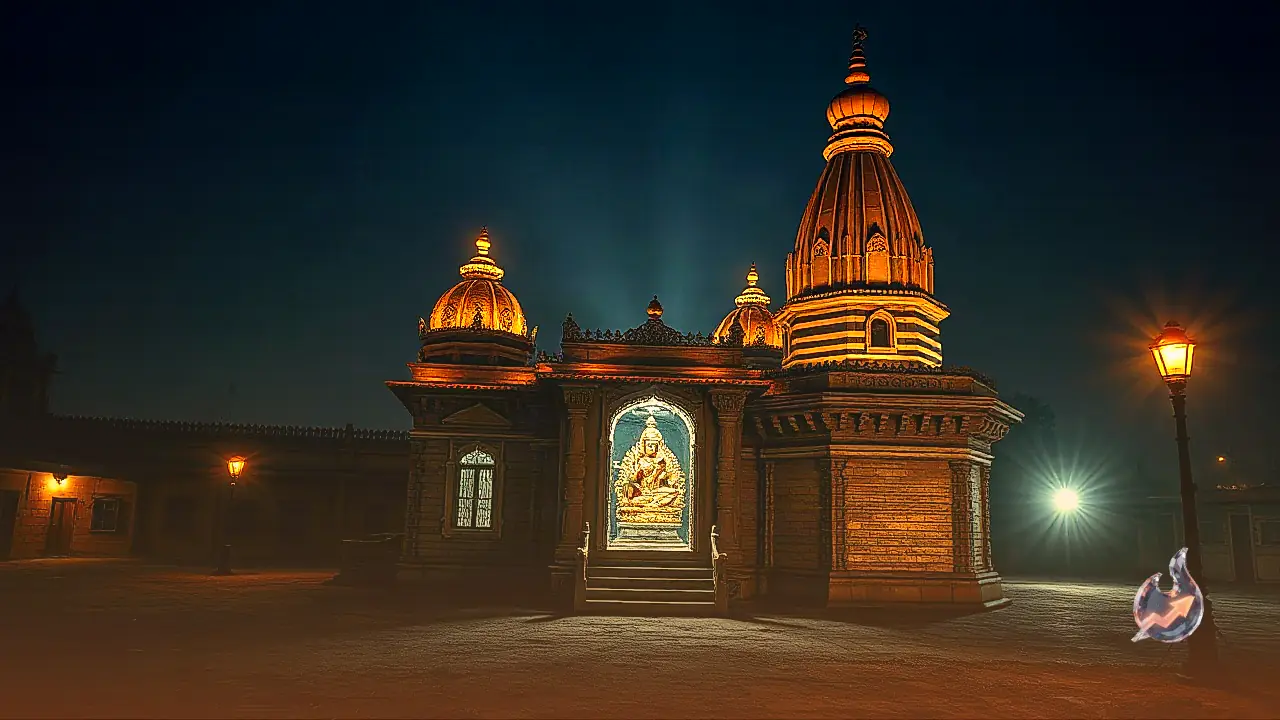

In the historical city of Agra, Uttar Pradesh, several ancient and revered shrines hold deep spiritual significance and fascinating origin stories. Among these, the Poornamasi Kalratri Temple, situated in the Pashchimpuri area of Sikandra, stands out as a major place of worship. Every day, large numbers of devotees gather at this holy shrine to offer prayers to Goddess Kali and Goddess Kalratri. Visitors from nearby and distant regions come to pay homage to the sacred footprints preserved within the complex, a tradition rooted in an extraordinary event from the past.
A Teenager's Vision and the Discovery of Sacred Footprints
The history surrounding the establishment of the Poornamasi Kalratri Temple is deeply mysterious. According to local traditions and accounts handed down over time, before the current temple structure was built, a 15-year-old child living in a nearby household experienced a divine dream of Goddess Kali. In this vision, the deity directed the teenager to visit the public park situated directly across from his residence, stating that her sacred footprints were marked there.
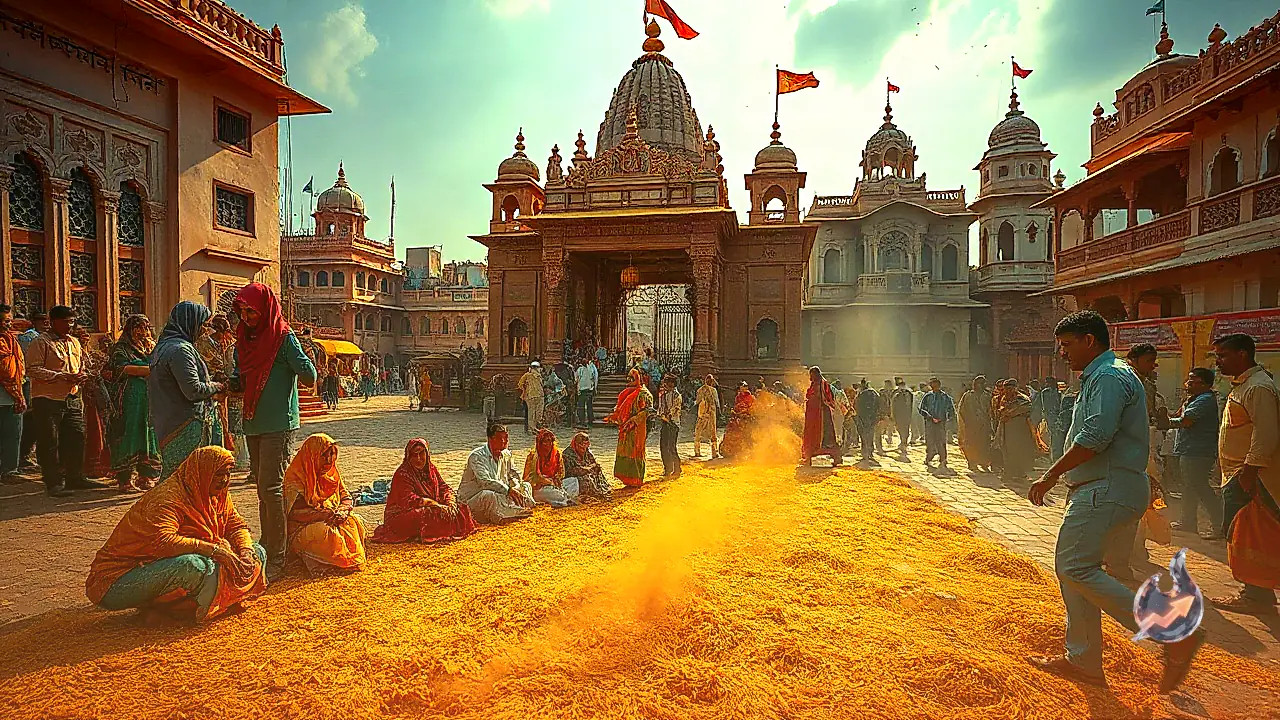
When the 15-year-old boy shared details of his dream with family members the following morning, they initially dismissed it as mere imagination. However, after he repeatedly insisted on what he had witnessed in his vision, a domestic worker from the household went to inspect the park. Upon arriving at the designated spot, she discovered clear footprints formed in the shape of rice grains. As word of this occurrence spread through the neighborhood, local residents began congregating at the site in large numbers to witness the phenomenon.
Ritual Consecration Explained by Chief Priest Pandit Devendra Tiwari
Over time, the site gained widespread reverence, leading to the formal establishment and construction of the Poornamasi Kalratri Temple. Sharing details about the shrine's heritage, Chief Priest Pandit Devendra Tiwari noted that at the exact spot where the rice grain footprints were originally discovered, the footprints of Goddess Kali have been ceremoniously consecrated in a new permanent form according to traditional Vedic rituals.
According to Chief Priest Pandit Devendra Tiwari, devotees continue to offer prayers and perform sacred rituals at this consecrated spot today. Worshipers visit the shrine with deep faith, believing that earnest prayers offered at the temple bring peace, prosperity, and the fulfillment of personal wishes.
Devotional Surge on Saturdays and During Navratri
While the shrine experiences a steady flow of visitors during regular weekdays, the footfall increases dramatically on Saturdays and during the festival of Navratri. Because Saturday is traditionally associated with special worship of Goddess Kali, thousands of devotees begin queuing outside the temple compound early in the morning.
During Navratri, the temple atmosphere turns intensely devotional, with special religious ceremonies, traditional chants, and continuous bhajan-kirtan sessions organized throughout the day. Devotees wait patiently in long queues to catch a glimpse of the deity, offering traditional items such as red chunri, coconuts, and sweets while seeking blessings for health, happiness, and overall well-being.