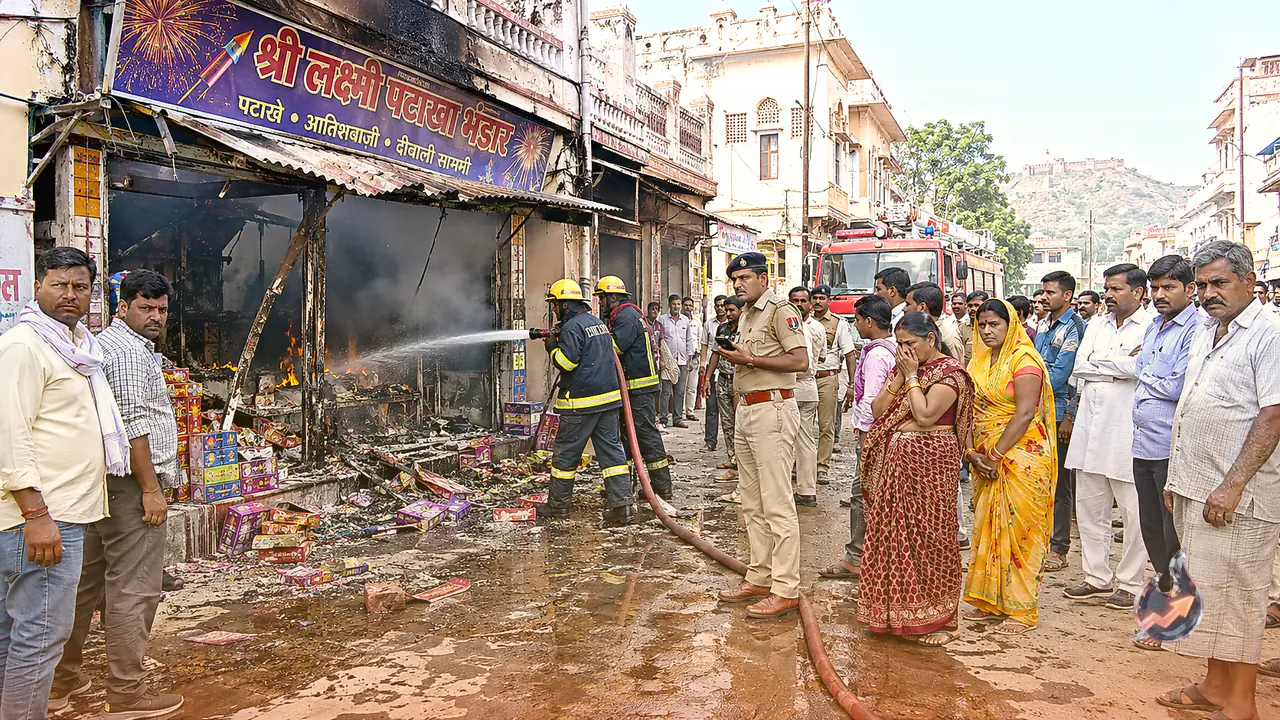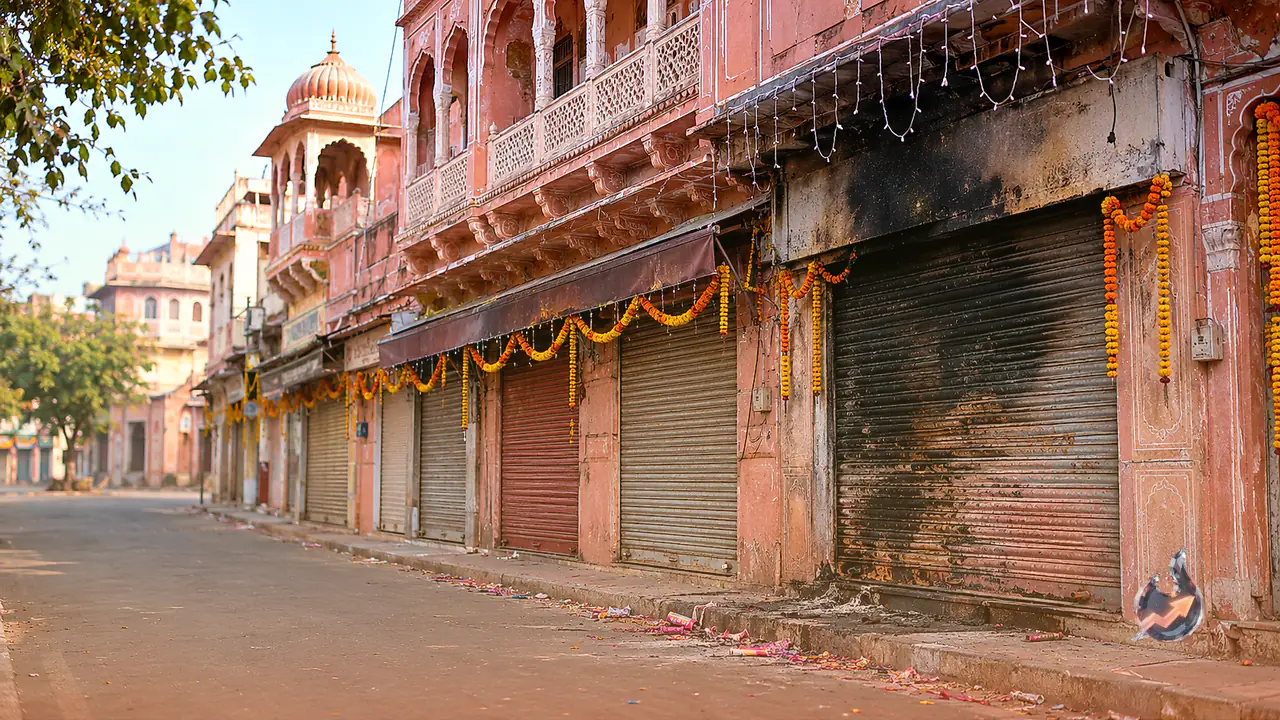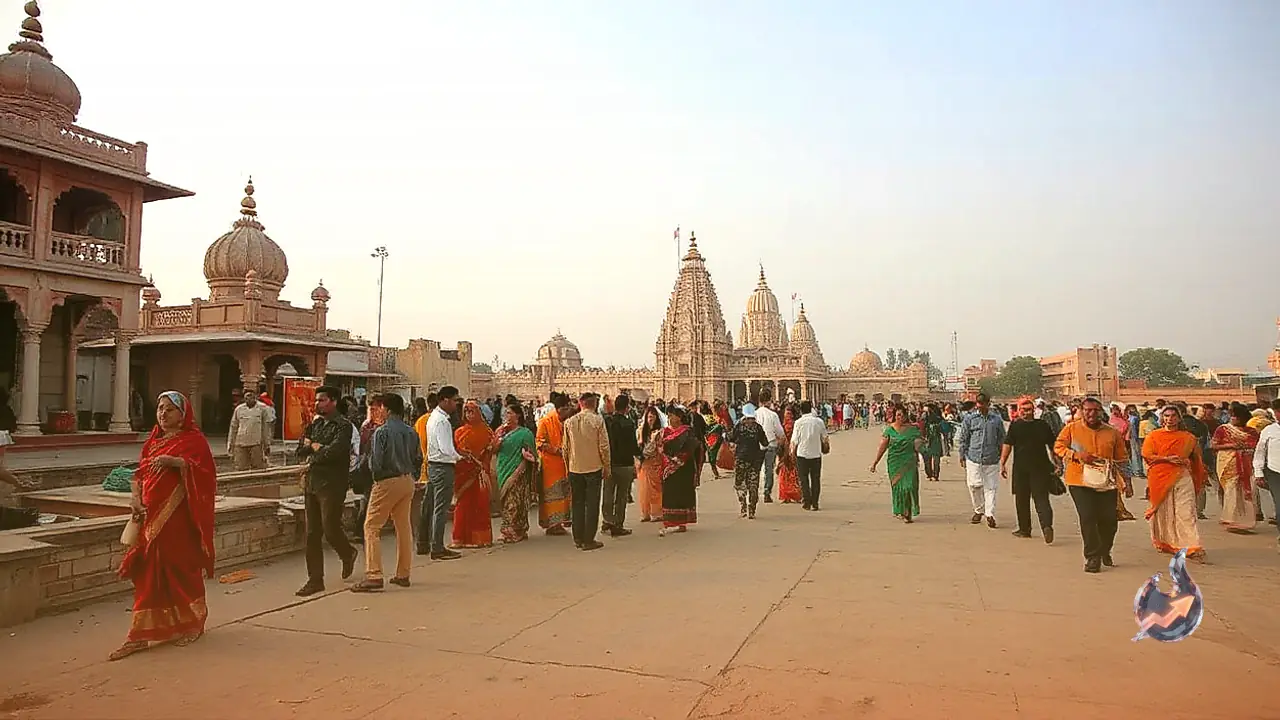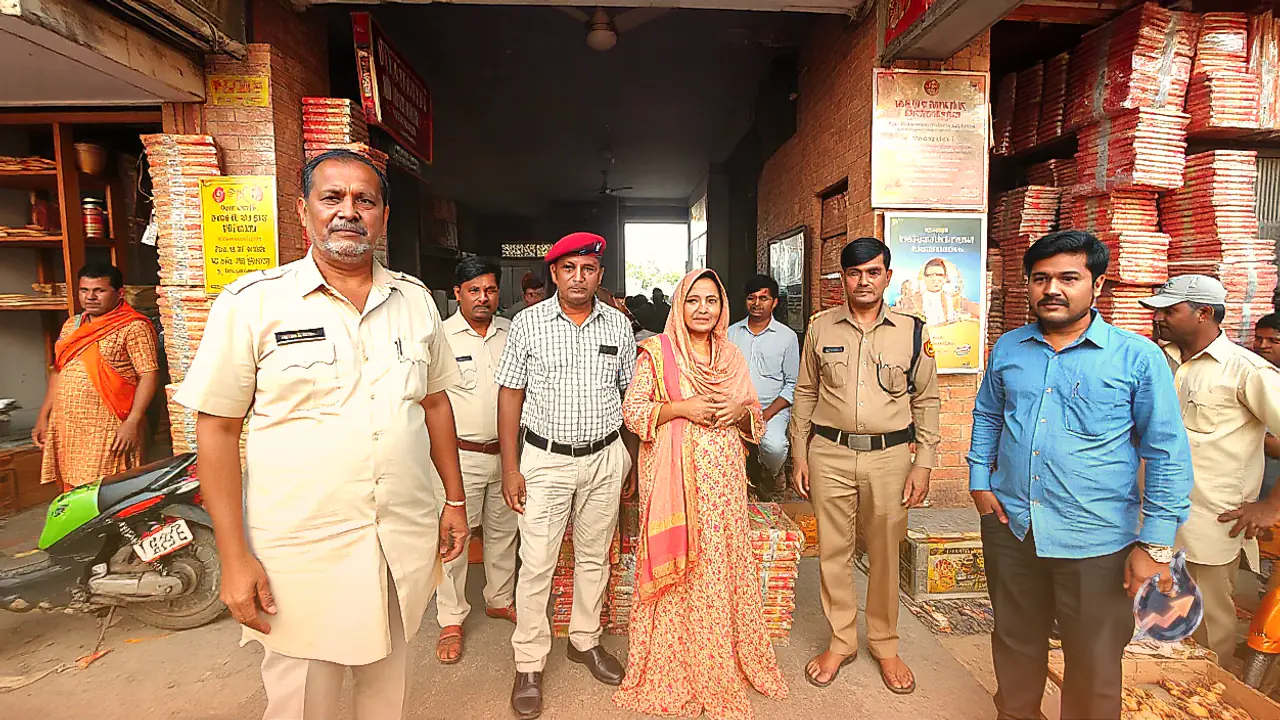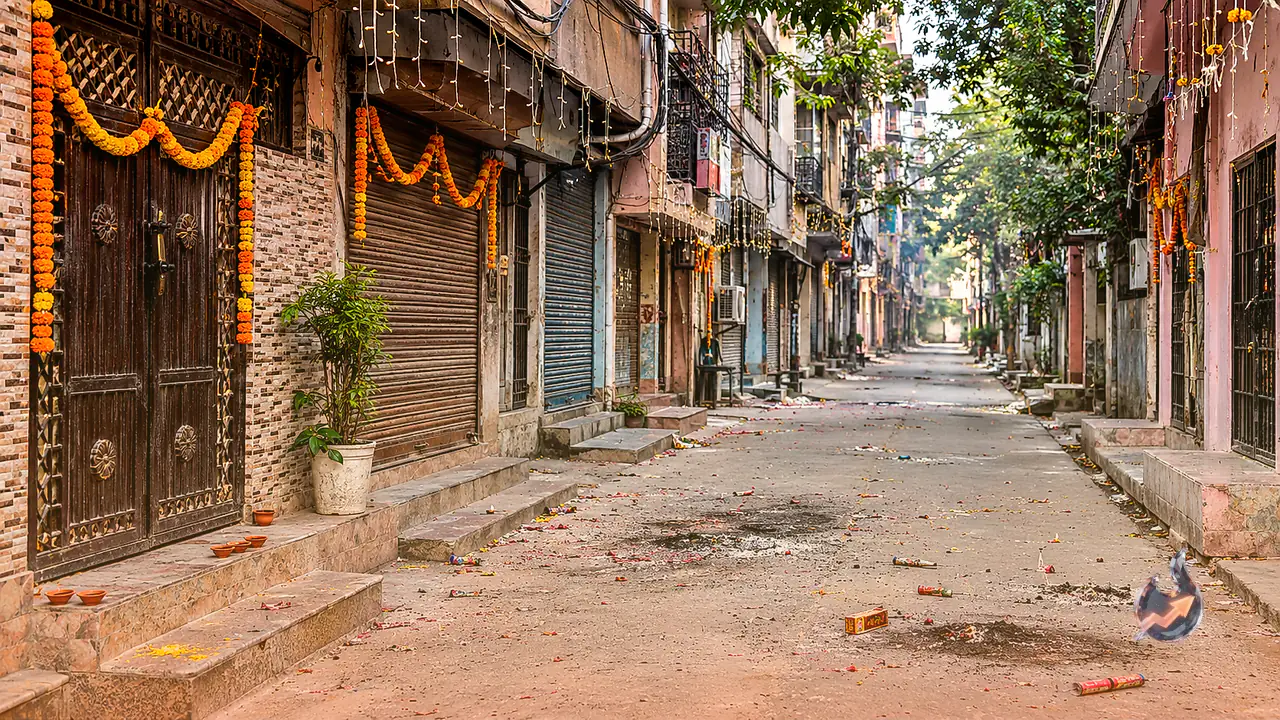


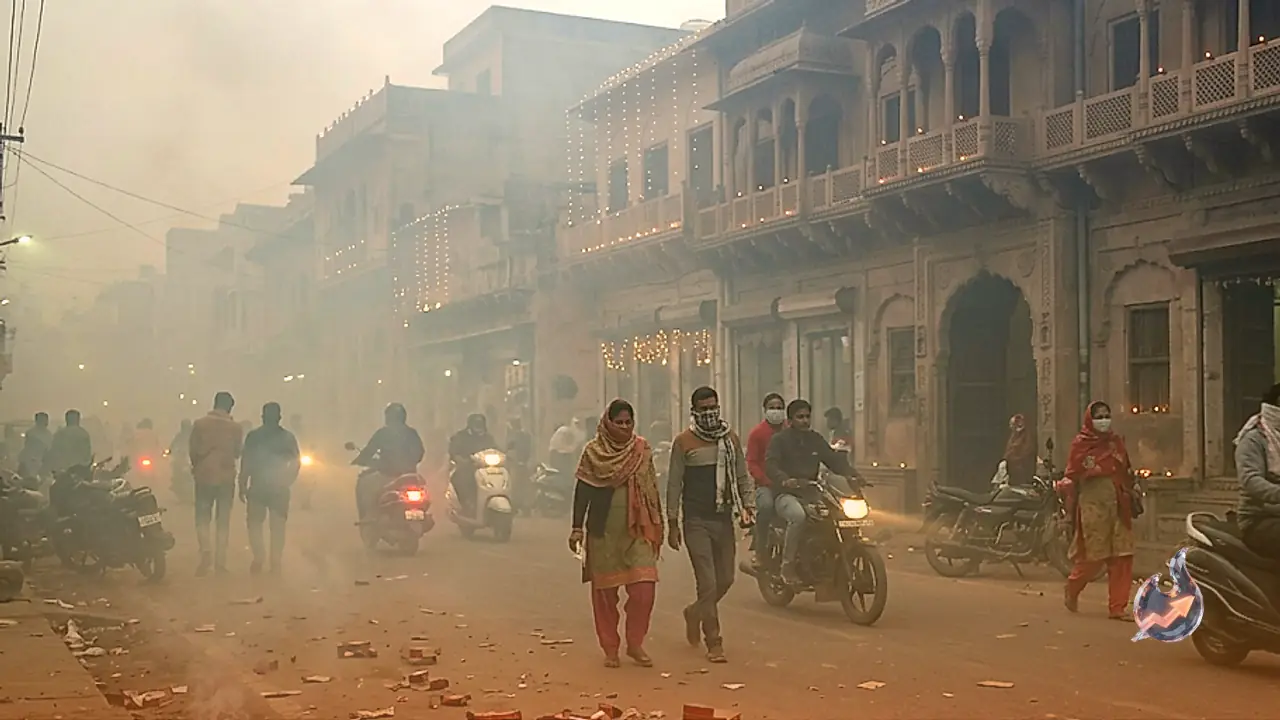
















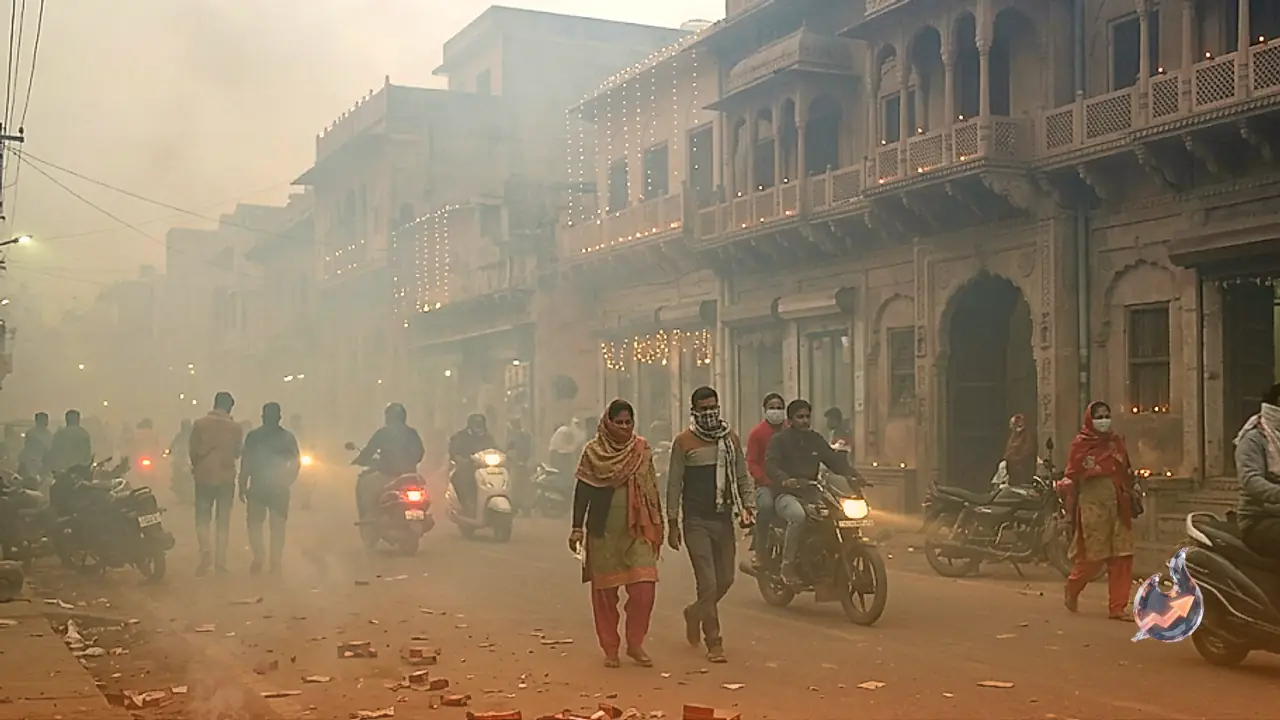

Jaipur. Heavy bursting of firecrackers during the festival of Diwali has severely polluted the atmosphere across Rajasthan, pushing the air quality index to alarming levels in numerous cities. Following the festivities, the AQI in several urban centres soared into the hazardous category, severely impacting daily life and breathing conditions. Alwar recorded a staggering AQI of 465, while Ajmer and Bhilwara touched 416 and 430 respectively. Cities like Bharatpur, Chittorgarh, and Bikaner also witnessed air quality plummeting into the very poor bracket.
Severe Pollution Levels Recorded Across Major Cities
Data gathered in the aftermath of the celebrations highlights a grim environmental scenario across the state. Alwar stood at 465, Bhilwara at 430, and Ajmer at 416, all pointing towards hazardous atmospheric conditions. Bharatpur registered an AQI of 369 while Chittorgarh touched 340, marking both locations as extremely unhealthy. Meanwhile, Bikaner recorded an AQI of 275, Bhiwadi 267, Bhakrasni 229, and Abu 196. Across various localities in the capital city of Jaipur, the AQI hovered between 211 and 286, demonstrating that the toxic fallout of the celebrations was widespread throughout the region.
Sri Ganganagar Air Quality Crosses 300 Mark
Sri Ganganagar also experienced a sharp spike in air pollution following Diwali, pushing figures past the crucial 300 threshold. Early Monday morning, the local AQI was recorded at 322. An index reading above 300 is categorized as extremely detrimental to human health, necessitating immediate protective measures for the local population. The health department issued special advisories urging senior citizens and asthma patients to exercise heightened caution. Individuals suffering from respiratory ailments were specifically advised to avoid stepping outdoors during early morning and late evening hours and to minimize direct exposure to smoke.
Health Risks and Recommended Precautionary Measures
The dense smoke and microscopic particulate matter released by firecrackers can easily penetrate deep into the lungs through inhalation, triggering a surge in coughing, breathing difficulties, eye irritation, and sore throats. Vulnerable groups such as young children, the elderly, and those with pre-existing respiratory and cardiovascular conditions face the highest risk. To mitigate these hazards, health authorities recommend staying indoors when unnecessary, avoiding outdoor physical exercises during peak pollution hours in the morning and late night, seeking medical consultation immediately if chest tightness or breathing trouble occurs, keeping indoor spaces shielded from dust and smoke intrusion, and strictly adhering to prescribed medications and inhaler routines.