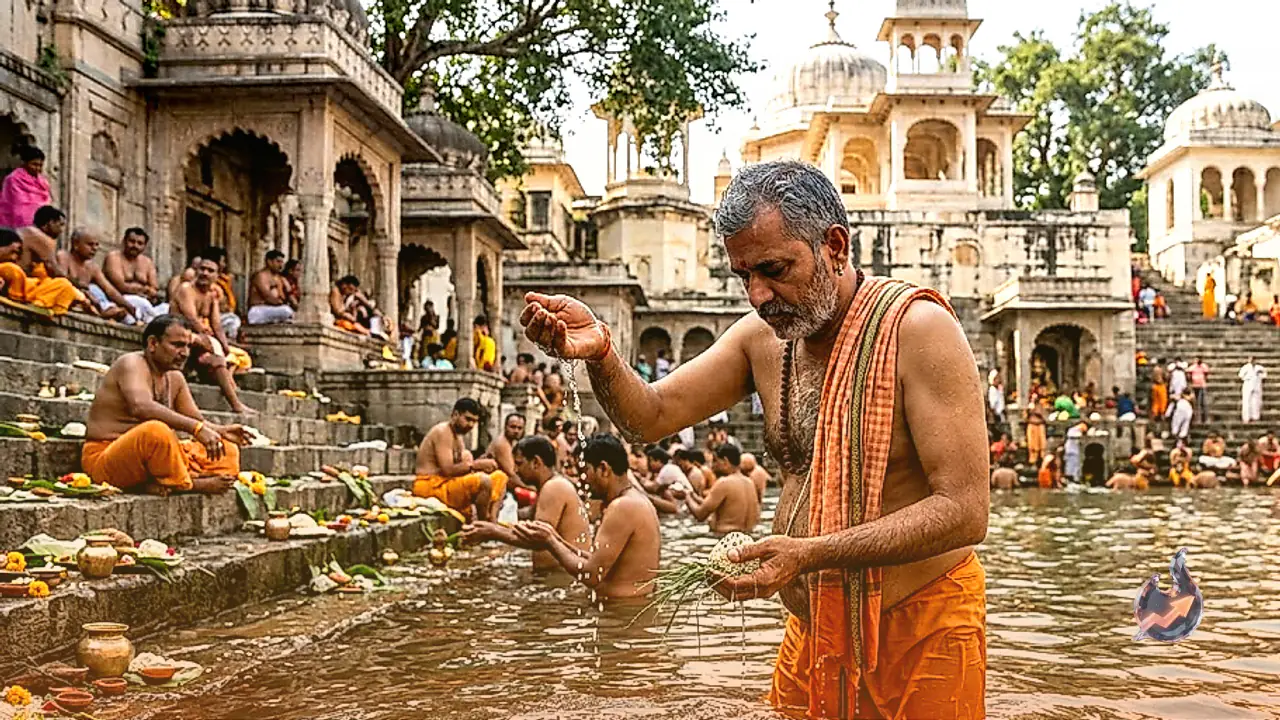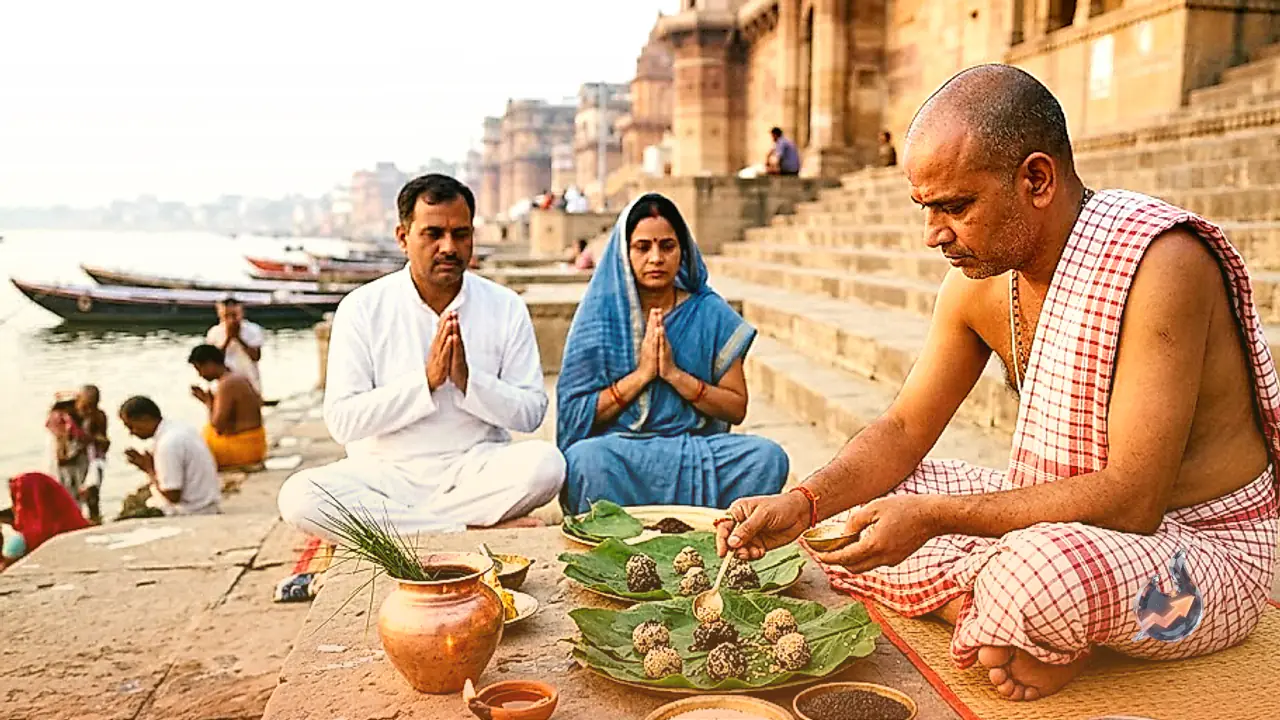






















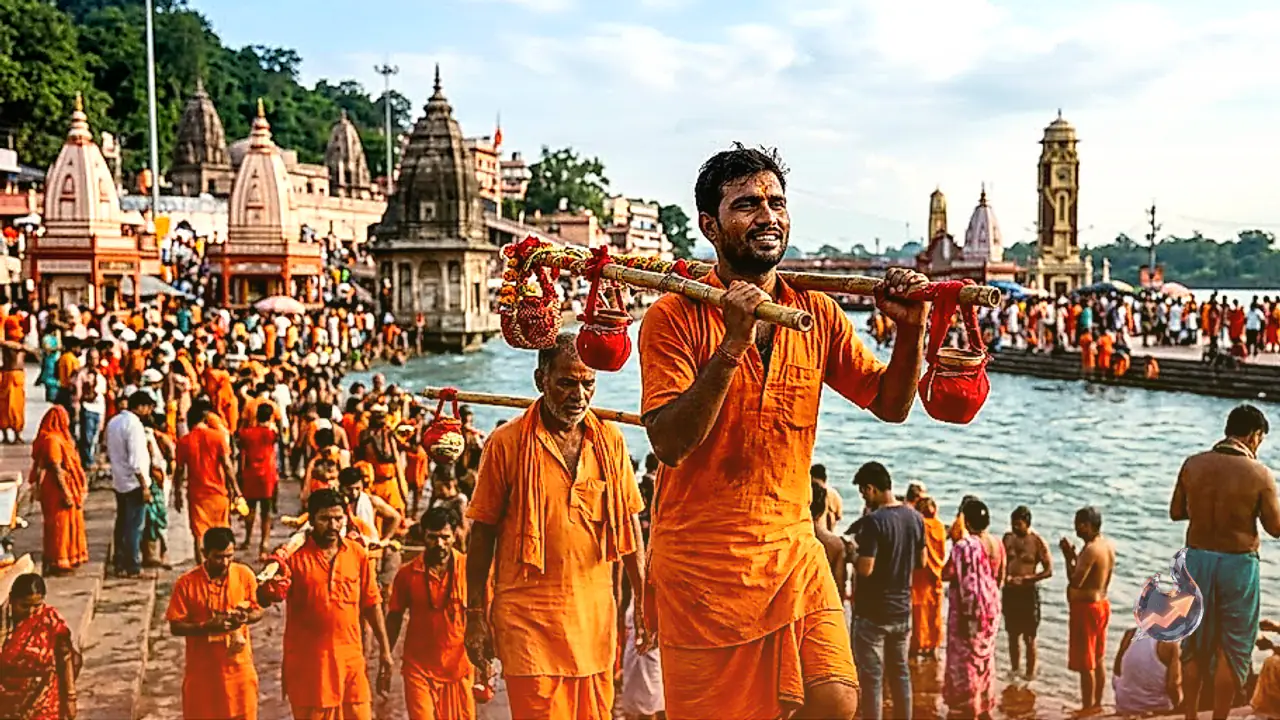

The holy month of Sawan is deeply revered by followers of Lord Shiva, and the Kanwar Yatra holds a special place of devotion during this period. Throughout these auspicious weeks, devoted followers embark on a sacred journey, carrying water from holy rivers on their shoulders while chanting devotional praises to Lord Shiva. The surroundings echo with powerful spiritual declarations, creating a deeply divine atmosphere everywhere. According to spiritual beliefs, offering this sacred water to a Shivling during Sawan fulfills the heartfelt desires of devotees and secures the divine grace of Mahadev. Tradition also holds that this journey frees individuals from the endless cycle of life and death, leading to ultimate spiritual liberation. Since the pilgrimage is already underway, many individuals naturally wonder about its timeline and when the sacred journey finally concludes.
The Conclusion on Sawan Shivratri
According to astrological calculations, the holy month of Sawan began on Thursday, July 30, marking the official commencement of the pilgrimage on the very same day. The journey traditionally reaches its conclusion on the Chaturdashi tithi of the Krishna Paksha in Sawan, which is observed as Sawan Shivratri. This auspicious date falls on Tuesday, August 11 this year. Additionally, August 10 marks the second Monday of Sawan, while August 11 brings Sawan Shivratri, during which the yatra concludes across numerous regions. However, in certain areas, the procession continues throughout the entire month of Sawan. As the festival of Shivratri approaches, the volume of travelers swells significantly along the routes. Countless devotees carrying decorated bamboo structures on their shoulders march toward their destinations, completely immersed in absolute devotion.
The Deep Significance of the Journey
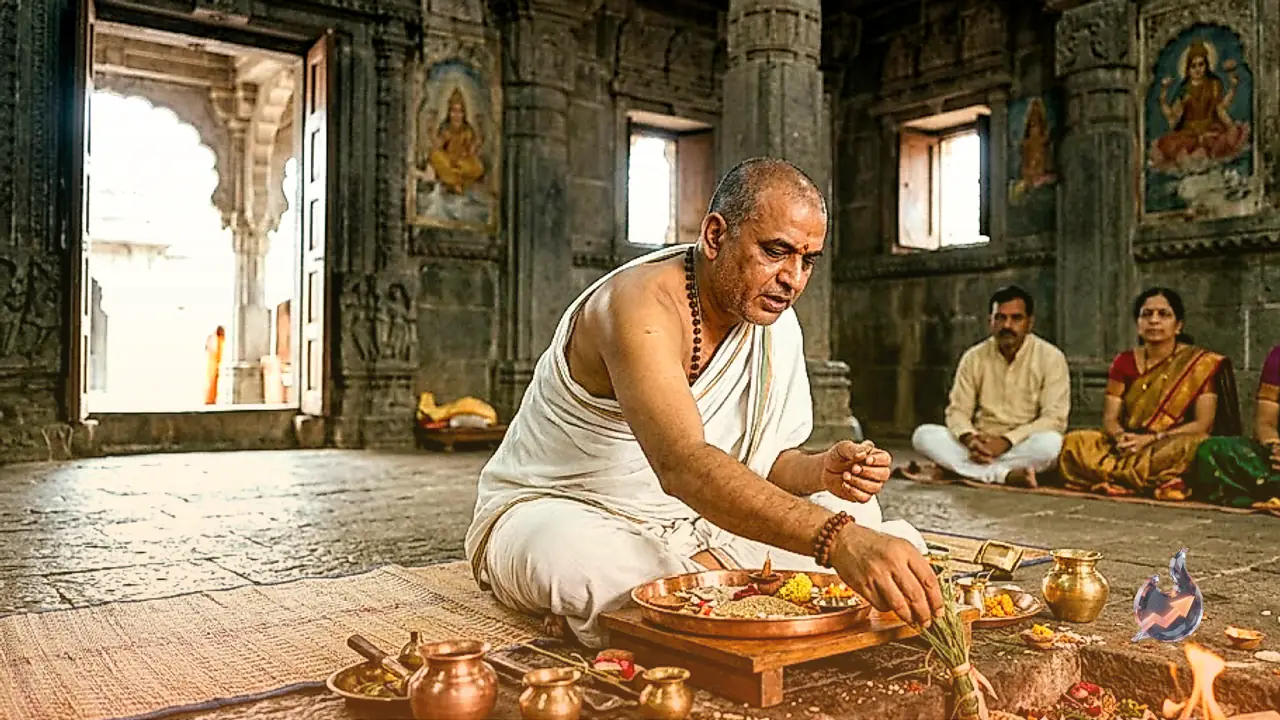
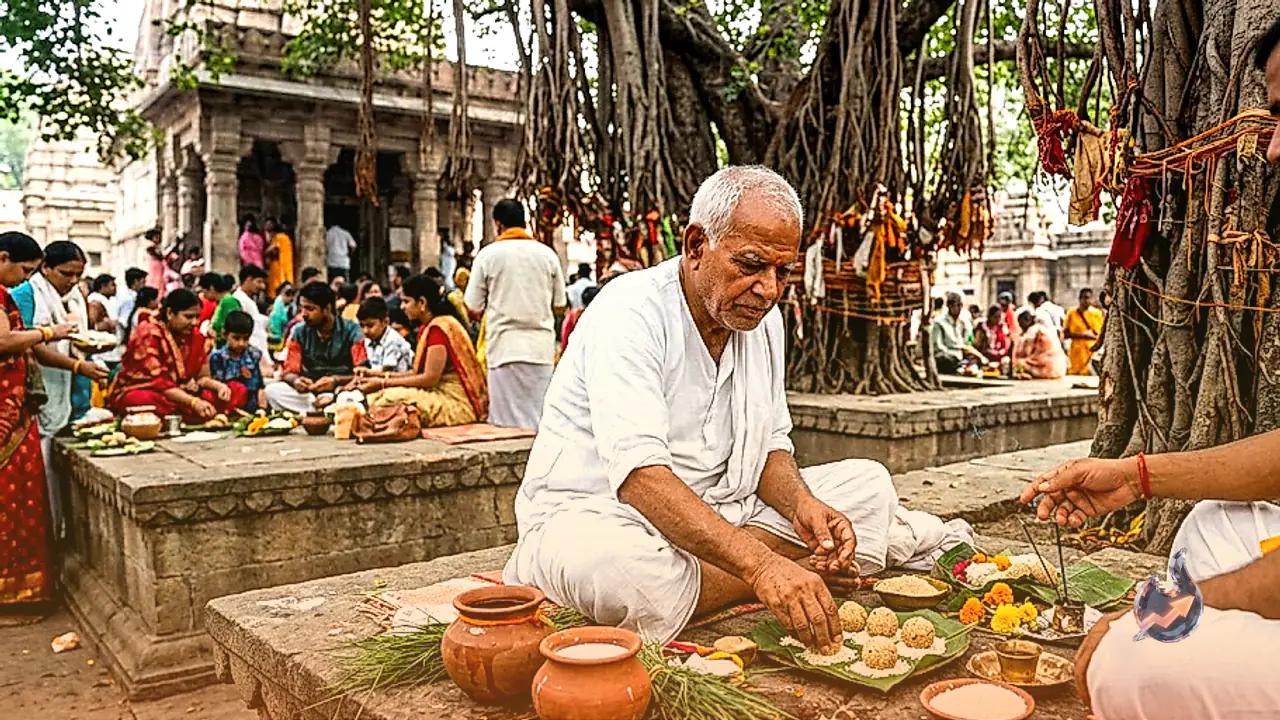
From a religious standpoint, this annual pilgrimage is intricately tied to the worship and ritualistic bathing of Lord Shiva. Participants collect water from a sacred river, secure it within their specialized containers, and complete a rigorous journey on foot to reach a temple and perform the abhishek. It is firmly believed that performing this ritual during Sawan pleases Mahadev immensely, bringing abundant blessings to the faithful. The pilgrimage is far more than just a religious trip; it serves as an enduring symbol of profound faith, strict personal discipline, and unwavering resolve. Many participants observe rigorous and demanding vows throughout the duration of their travel.
Surging Crowds at Temples
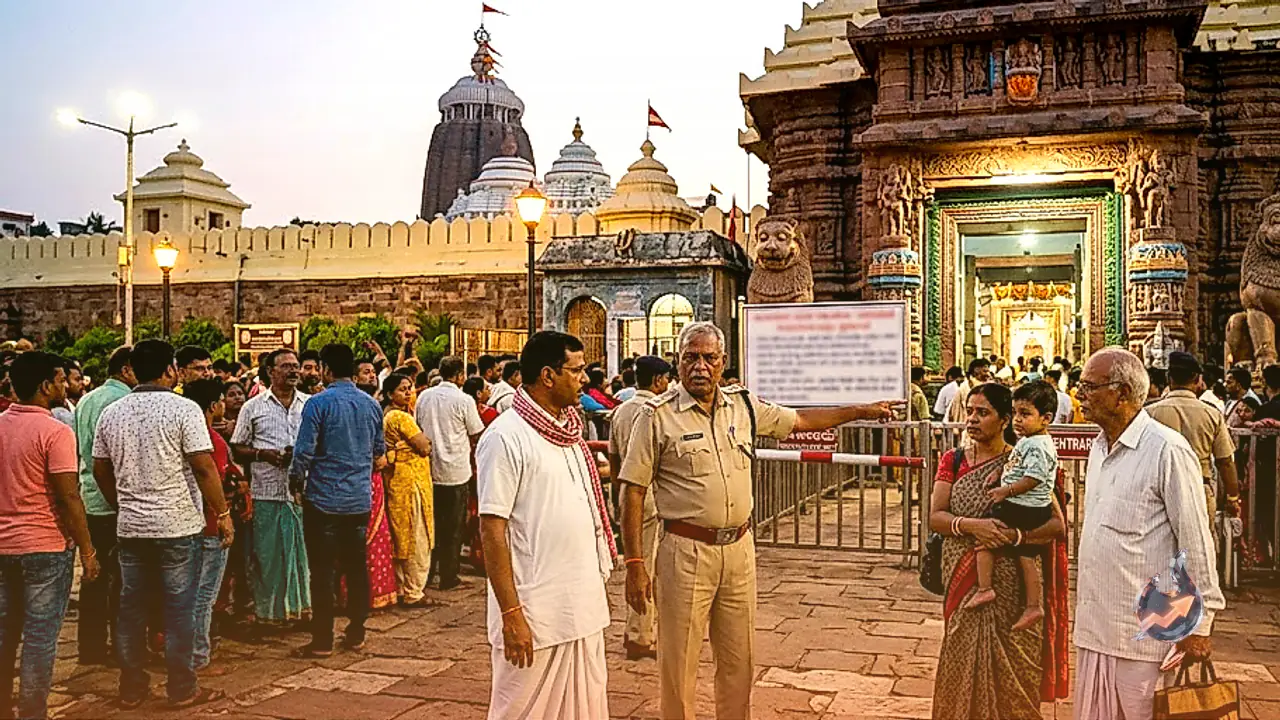
On August 11, coinciding with Sawan Shivratri, a massive influx of worshippers is anticipated at Shiva temples everywhere. Pilgrims carrying holy water converge on shrines from all directions. From the early morning hours, rituals such as water offerings, Rudrabhishek, and special prayers commence across the sanctuaries. Many temples are ornately decorated with vibrant flowers and illumination for the occasion. This remarkable display of dedication demonstrates how deep faith can make even the most challenging paths surmountable for believers.
Traffic Management and Route Adjustments
To ensure the safety and convenience of the massive crowds participating in the pilgrimage, local authorities frequently implement changes to transportation networks in various regions. Vehicular movement on specific routes may be restricted or diverted accordingly. Because large numbers of pedestrians occupy the roads during the concluding days and around Shivratri, commuters may encounter heavy traffic congestion. Travelers are strongly advised to check route updates and traffic advisories before planning any journey during this period.