Iran has stated that reopening the crucial Strait of Hormuz depends on the United States meeting several specific conditions and ending violations of an earlier interim agreement. While direct negotiations between Tehran and Washington remain suspended, both nations continue to communicate via third-party intermediaries.
 Tejasswi Prakash Praises Ektaa R Kapoor As A True Mastermind Who Adapts With Time
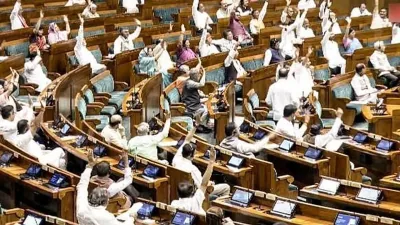
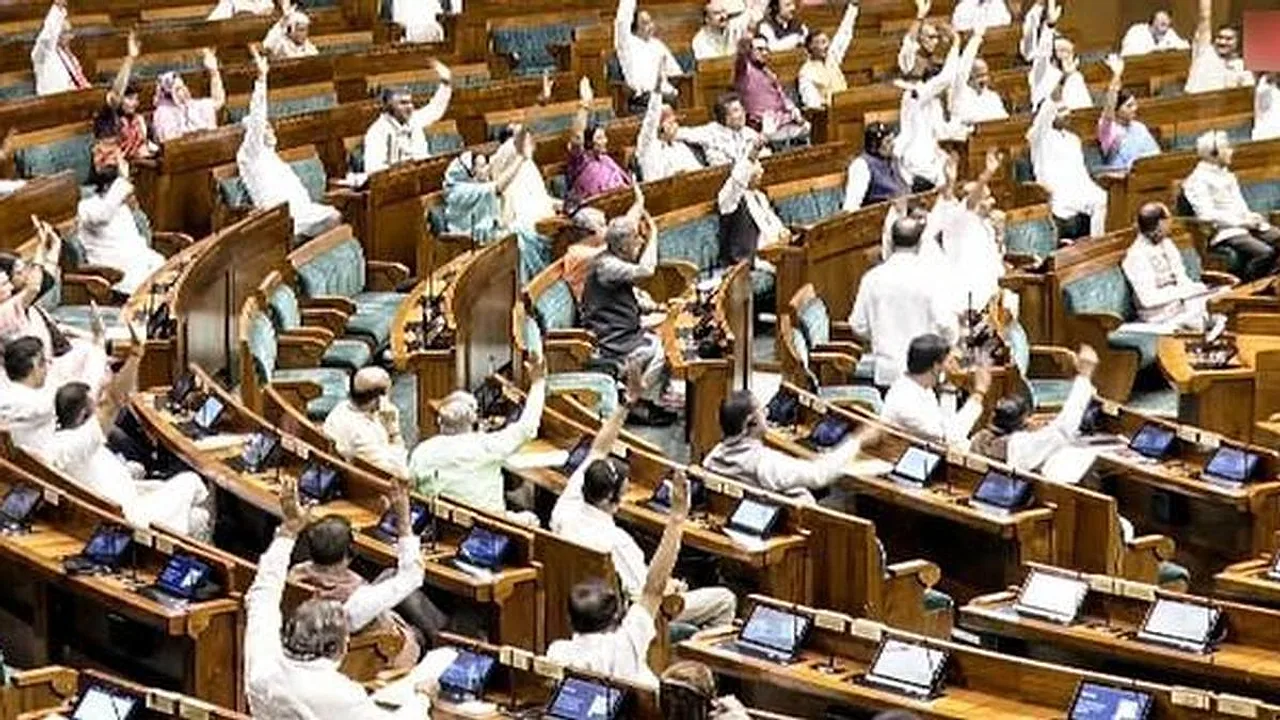 Live: Both Houses adjourned till 2 PM on Day 16 of Parliament Monsoon Session amid Opposition chaos; 4 legislation introduced in Lok Sabha
 Astrological Shifts in August 2026: Six Planetary Transits and Two Eclipses Set to Impact Zodiac Signs
 Shehnaaz Gill's Emotional Tribute: The Song That Still Makes SidNaaz Fans Cry
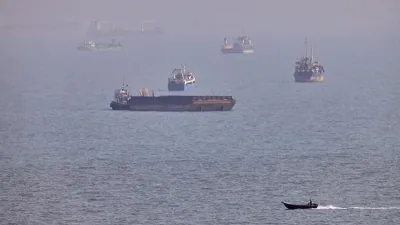
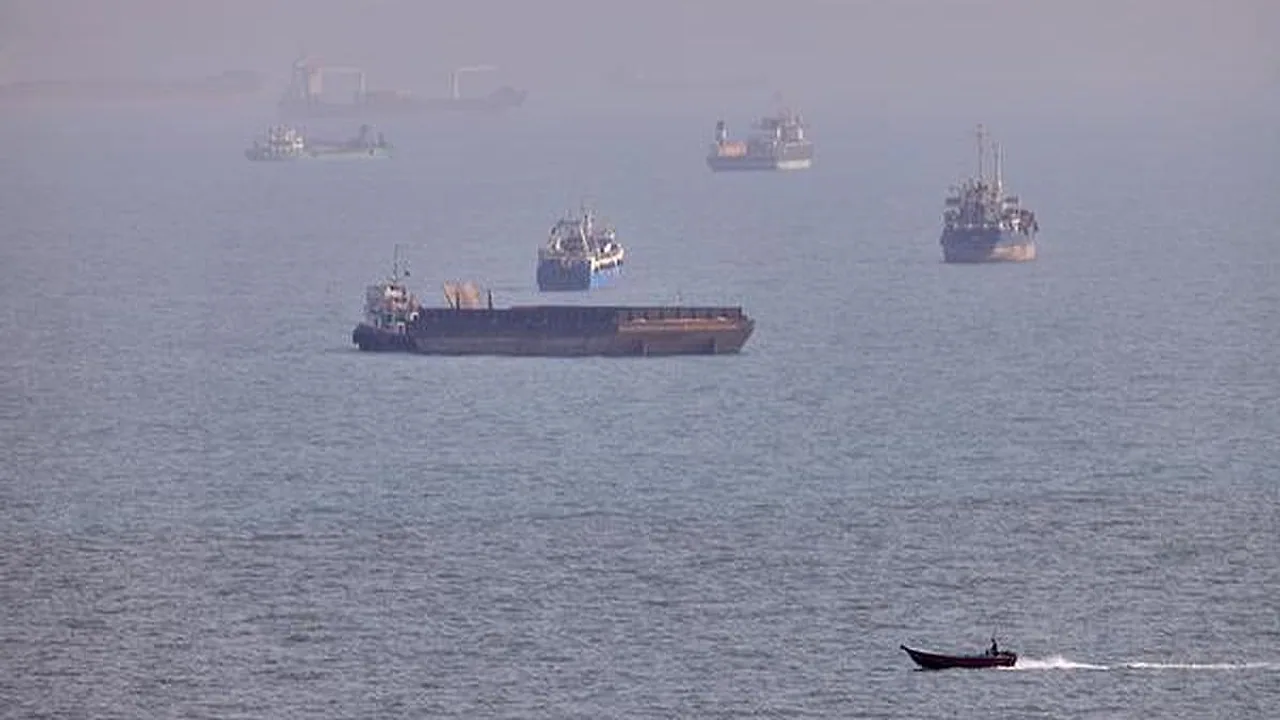 Live: Iran links reopening of Strait of Hormuz to U.S. fulfilling key demands
 Radix 5 Horoscope August 10, 2026: Career Growth Opportunities Await But Avoid This Common Mistake
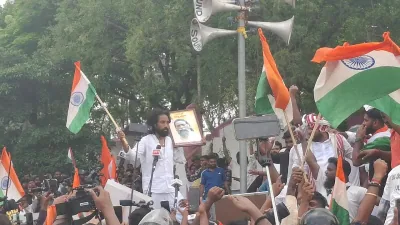
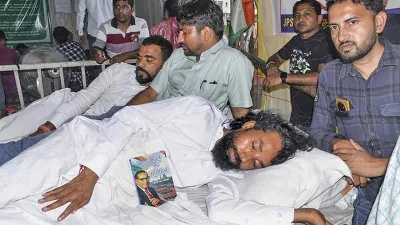
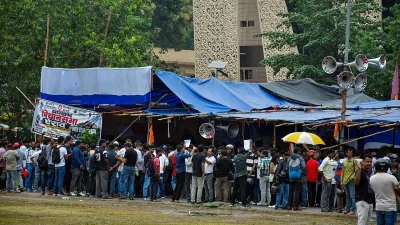
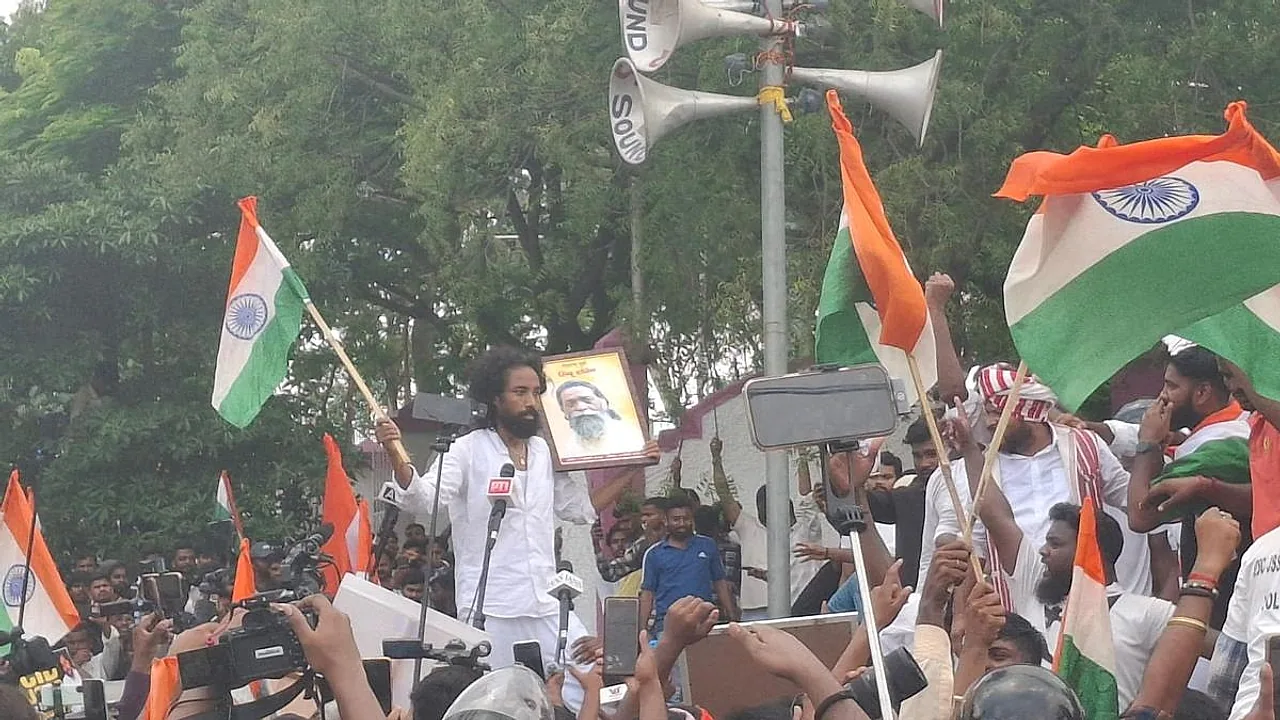 Live: Students in Jharkhand march to encircle Assembly; JLKM's Devendra Mahto joins protest
 Avoid Using This Herbicide If Your Paddy Crop Crosses 25 Days to Prevent Severe Yield Loss
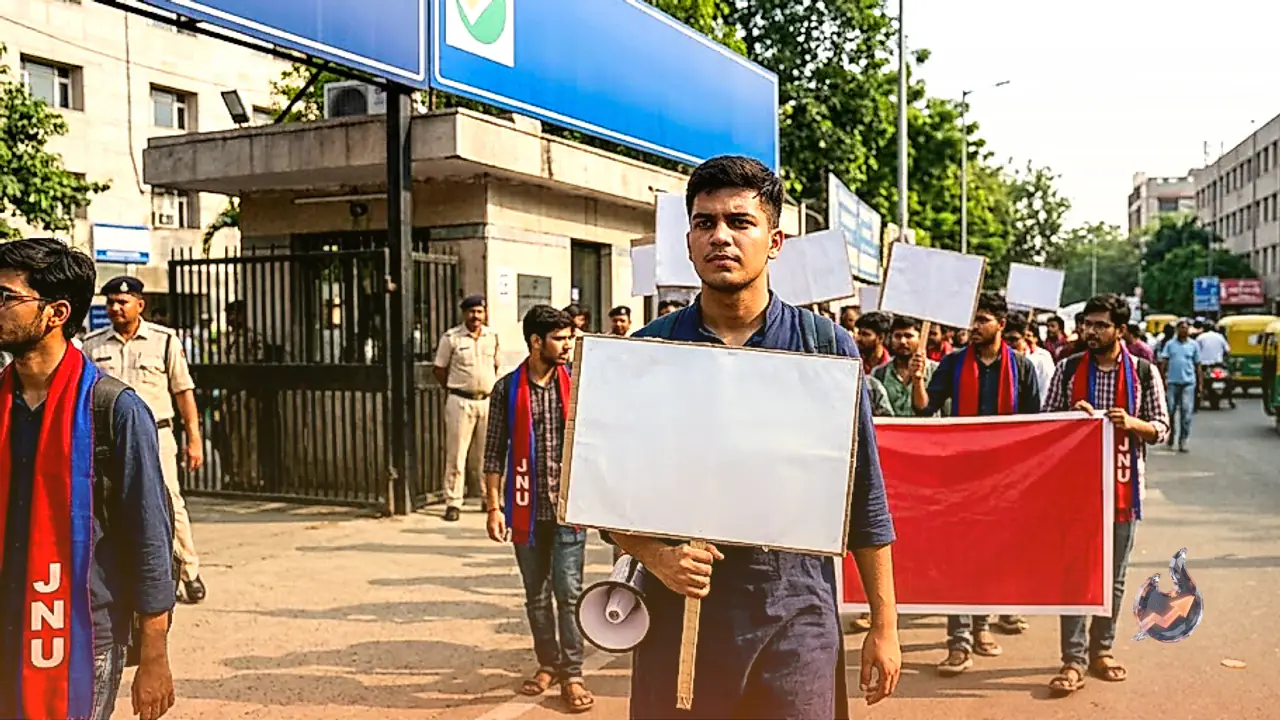 UGC NET 2026: JNUSU Calls For Massive Protest Outside NTA Office On August 11 Over Key Delays
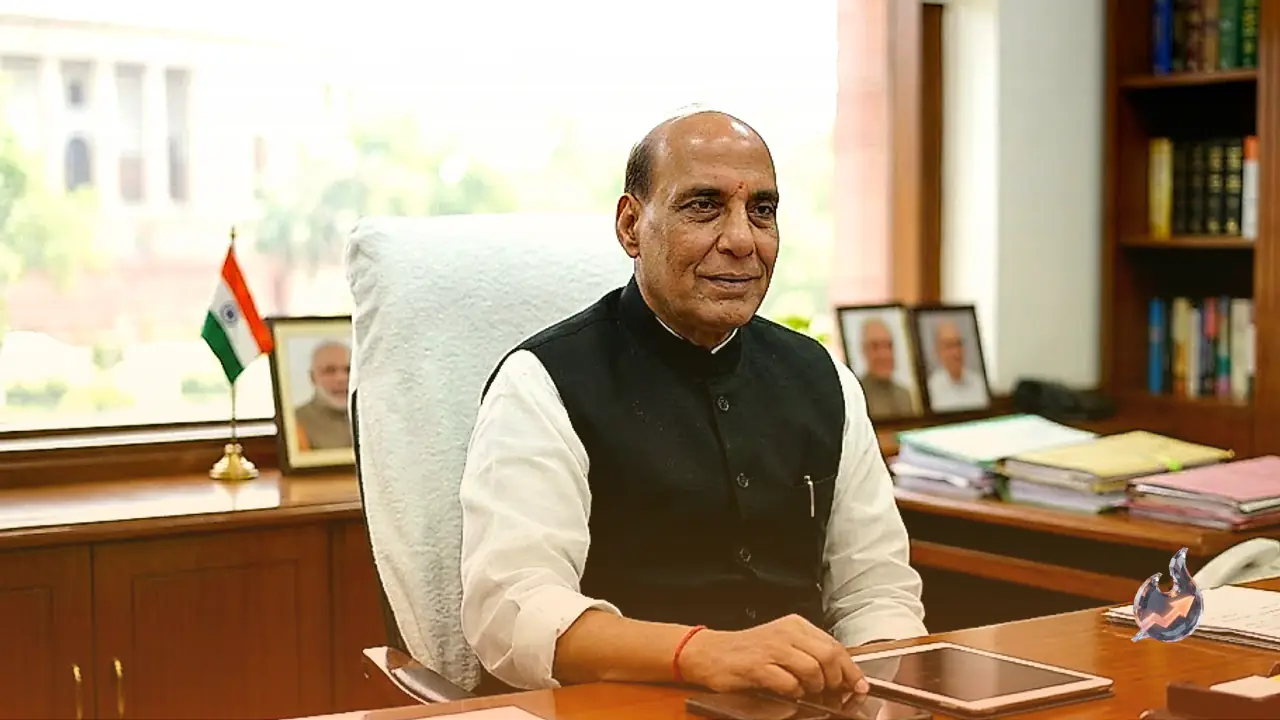 Union Minister Rajnath Singh Extends Birthday Greetings to Jharkhand Chief Minister Hemant SorenLive
Live: Iran links reopening of Strait of Hormuz to U.S. fulfilling key demands
Iran has stated that reopening the crucial Strait of Hormuz depends on the United States meeting several specific conditions and ending violations of an earlier interim agreement. While direct negotiations between Tehran and Washington remain suspended, both nations continue to communicate via third-party intermediaries.
Also read
Live updates
Crude oil surge depresses domestic equity benchmarks in opening sessions
Geopolitical tensions triggered a jump in international petroleum prices, pulling main Indian equity indices Sensex and Nifty down during early trading hours on Monday (August 10, 2026). The 30-stock BSE Sensex slid 19.38 points to settle at 78,479.79 in initial deals. Simultaneously, the 50-stock NSE Nifty declined 5.10 points, touching 24,567.45. Global crude benchmark Brent crude experienced a 1.03% increase, reaching $84.41 a barrel.Seven dead following Houthi strike on Mocha port, confirms Yemeni military
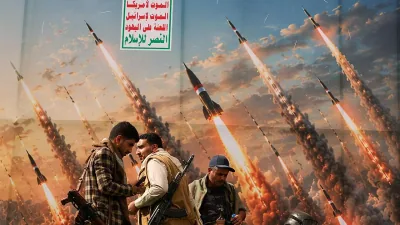
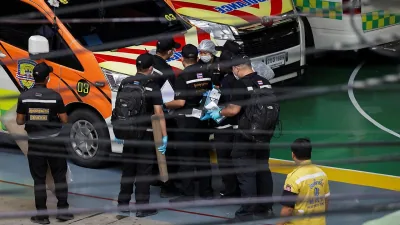
According to the armed forces of Yemen, a Houthi assault targeted the port of Mocha, leaving 7 people dead and injuring 30 others.Potential Iran-Oman agreement details surface regarding Strait of Hormuz
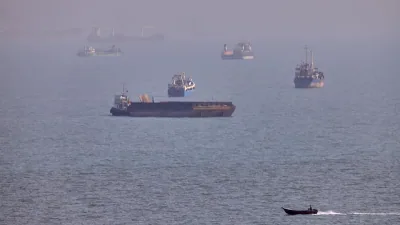
Iran and Oman—positioned across the Strait of Hormuz—are negotiating to finalize a temporary agreement to restart transit through the waterway, wherein vessels would enter on the Iranian side and exit along Oman's coast, according to two informed sources speaking anonymously due to lack of authorization. Commercial vessels would navigate fee-free during this transitional phase. This proposed pact aims to revive a separate provisional understanding between Washington and Tehran. Backed by GCC member nations, the deal is set to be formally proclaimed jointly by Iran, Oman, the United States, and the UN's International Maritime Organization, though terms remain subject to adjustment. Meanwhile, Iranian state media reported that parliament's National Security Committee endorsed the basic outline of a strategy to oversee the strait. However, a legislator noted that ships from 'enemy nations' will be barred, while a parliamentary board member added that states causing harm to Iran must provide financial restitution before being permitted passage. Additional details were not disclosed.Tehran insists talks remain halted until Washington satisfies stipulations
Iranian Foreign Minister Abbas Araghchi informed journalists that discussions with Oman over 'new maritime routes' through the Strait of Hormuz were nearing completion, though he emphasized this 'does not mean that the Strait of Hormuz will reopen.' Reopening requires meeting prerequisites that have been forwarded via indirect channels. Iran's Supreme National Security Council stated on Saturday that opening the maritime corridor is contingent upon Washington 'correcting its behavior.' Their demands include an absolute cessation of U.S. threats against Iran, a permanent stop to military actions against Iran and its allied forces, lifting naval blockades on Iranian ports, and withdrawing U.S. forces from the region. Furthermore, Tehran demands full compensation for war damages, lifting all sanctions, and the 'unconditional' release of frozen assets. American officials offered no reaction to these conditions. However, President Donald Trump previously told Axios that Washington is merely 'semi-negotiating' while allowing economic strain to weigh on Tehran. Araghchi noted that while indirect messages continue to be exchanged with Washington, formal talks remain impossible until U.S. violations of the interim pact cease and past non-compliance is fully rectified.Mohsen Rezaei appointed to head Iran's Supreme National Security Council
State outlets reported that Tehran has appointed a new leader for its influential Supreme National Security Council. Mohsen Rezaei, previously a military consultant to Supreme Leader Ayatollah Mojtaba Khamenei and former commander of the Revolutionary Guard, assumes the position. This marks another leadership change within the high-level council, which manages internal political rivalries while adjusting to the wartime deaths of several key figures. Rezaei takes over from Mohammad Bagher Zolghadr, who stepped into the role following Ali Larijani's death in an Israeli military strike in March. Zolghadr will now transition to serving as a political advisor to Khamenei. Earlier this month, Rezaei asserted that Tehran would prohibit any unapproved navigation through the Strait of Hormuz, a maritime passage historically viewed as international waters prior to the war and Iran's takeover.
Comments 0
Sign in to join the conversation.
Sign inNo comments yet — be the first.
Citizen journalism
Become a TrendKia journalist
Voice of the peopleShare news, photos and videos from your area with TrendKia and let your voice reach the nation. Every citizen a journalist.
Join nowCH 01 LIVE
TrendKia TV ON AIR