
In Sanatan tradition, Lord Vishnu holds a revered position, and Shaligram is worshipped as a direct manifestation of the deity himself. Characterized as a smooth, round black stone, Shaligram is considered deeply sacred. According to long-standing belief, a household where Shaligram is worshipped with proper rituals and devotion receives the enduring blessings of Lord Vishnu, fostering peace, happiness, and prosperity. However, establishing Shaligram in a home altar entails dedicated care and strict adherence to specific religious practices that differ from routine worship. For anyone planning to install Shaligram at home or currently caring for one, understanding these essential rules is vital.
Bringing Shaligram Home and Proper Placement
Bringing Shaligram into the home requires deep reverence and spiritual discipline. According to traditional beliefs, acquiring Shaligram as a gift or blessing from a recognized saint or holy person is considered most auspicious. If a devotee chooses to purchase Shaligram, it must be bought strictly using one's honest, hard-earned money. Acquiring the sacred stone through unearned wealth or improper means is believed to negate the spiritual benefits of worship.
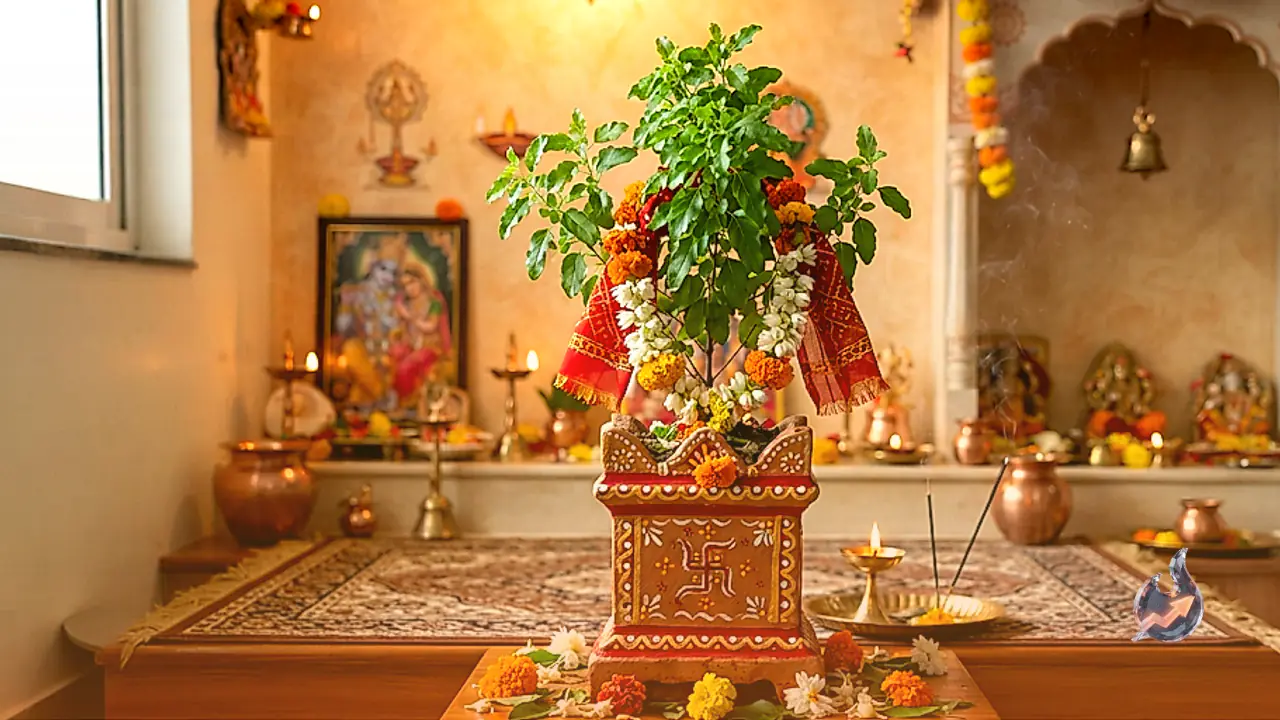
Once brought home, Shaligram must be installed in a clean and sanctified location, typically within the primary home temple. The placement should allow for regular daily worship without interruption. Religious customs emphasize placing Shaligram alongside a Tulsi plant or fresh Tulsi leaves, as the worship of Shaligram is deemed incomplete without the presence of holy basil.
Daily Worship Protocols and Ritual Offerings
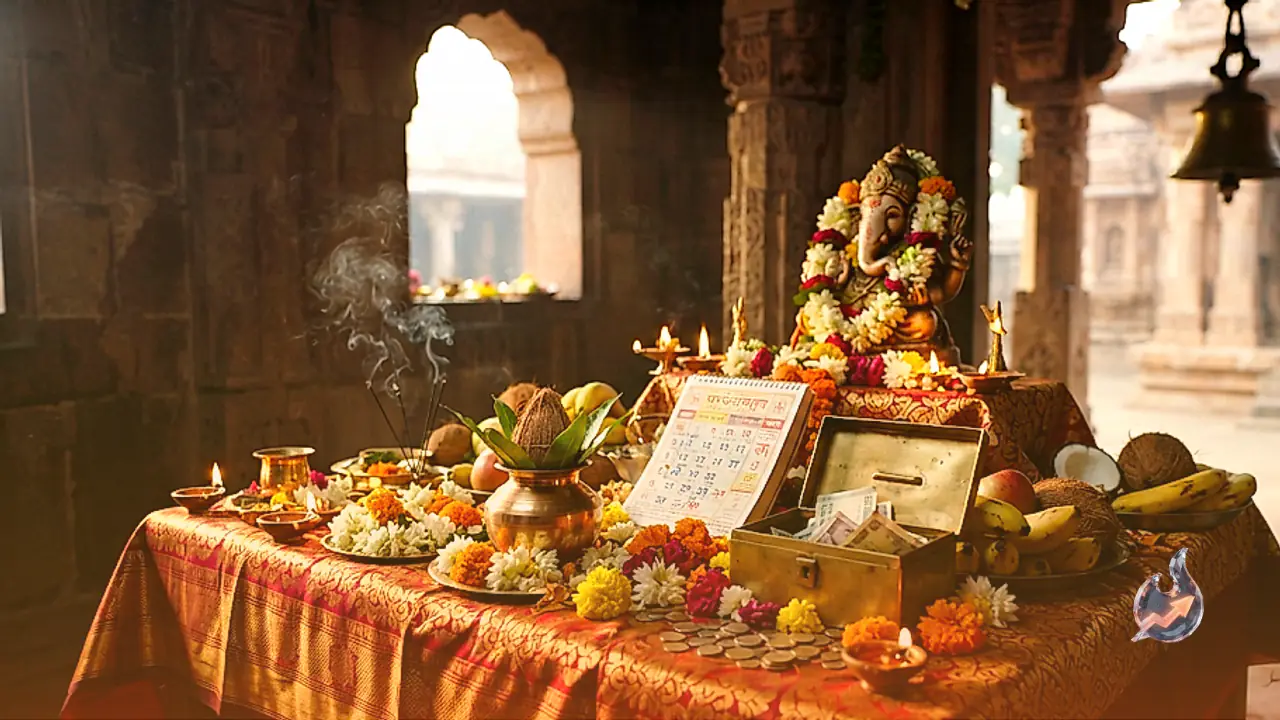
Maintaining a regular worship schedule is mandatory when keeping Shaligram at home. Devotees are expected to observe daily rituals without neglect. The routine includes bathing the sacred stone, applying sandalwood paste, and making offerings of fresh flowers and sweets.
A vital aspect of Shaligram worship is the offering of Tulsi leaves. Religious tradition holds that Lord Vishnu does not accept offerings without Tulsi. Therefore, placing Tulsi leaves upon Shaligram during daily morning and evening prayers forms a crucial part of the ritual sequence.
Specific Restrictions Regarding Rice Offerings
While offering plain white uncooked rice, known as Akshat, is common in standard Hindu rituals, doing so directly on Shaligram is strictly prohibited. Traditional guidelines forbid placing plain white rice grains on the sacred stone.
If rice must be used during a specific ritual procedure, the grains must first be thoroughly dyed with turmeric powder. Only turmeric-stained yellow Akshat is considered acceptable for offering to Shaligram, ensuring the sanctity of the ritual is preserved.
Rules on Quantity, Lifestyle Discipline, and Gifting
Religious texts specify clear guidelines regarding the number of Shaligram stones permitted in a single household. Devotees are advised against keeping more than one Shaligram in the home shrine. Belief holds that maintaining multiple Shaligram stones can invite financial instability, familial discord, or health issues. Keeping a single Shaligram and caring for it with complete dedication is recommended.
Dietary and lifestyle discipline is another strict requirement following the installation of Shaligram. Household members are expected to abstain from consuming meat and alcohol. If a family finds it difficult to adhere strictly to abstinence every day, they must refrain from non-vegetarian food and alcohol at least on Thursdays, a day dedicated to Lord Vishnu.
Finally, traditions caution against gifting Shaligram to a householder or accepting one as a gift from a householder. Before placing Shaligram in a home temple, families should consult lineage traditions and knowledgeable scholars to ensure all code of conduct rules are properly followed.