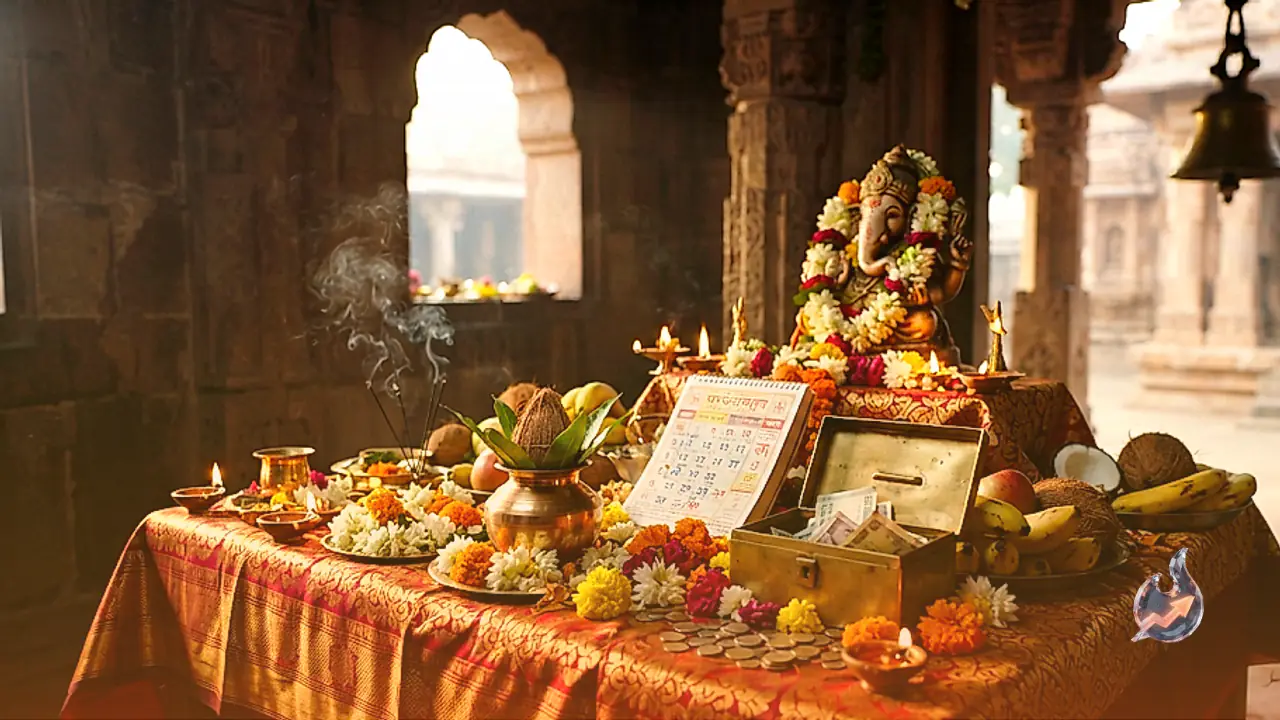

In the traditional Hindu calendar, the eleventh lunar day of the waxing moon phase in the month of Kartik holds profound spiritual importance. Commonly referred to as Dev Uthani Ekadashi, Dev Prabodhini Ekadashi, or Devotthan Ekadashi, this sacred date marks the culmination of the four month Chaturmas period. Sacred beliefs hold that Lord Vishnu awakens from his cosmic sleep on this auspicious day, signaling the resumption of auspicious rites including weddings, housewarmings, and thread ceremonies across households. Devotees honor this day by fasting, conducting elaborate worship of Lord Vishnu, and revering the sacred Tulsi plant. To ensure the spiritual efficacy of these rituals, ancient guidelines specify clear rules and prohibitions that every observer is expected to honor.
Timings and Calendar Schedule for Fasting
According to astronomical calculations, the Kartik Shukla Ekadashi tithi commences on November 20, 2026, at 7:15 AM and concludes on November 21, 2026, at 6:31 AM. Following the traditional sunrise standard known as Udayatithi, devotees will observe the fast on November 20. Worshippers observing the vow dedicate their day to structured prayers before Lord Vishnu, seeking harmony, spiritual merit, and enduring prosperity for their families.
Essential Rituals to Perform During the Festival
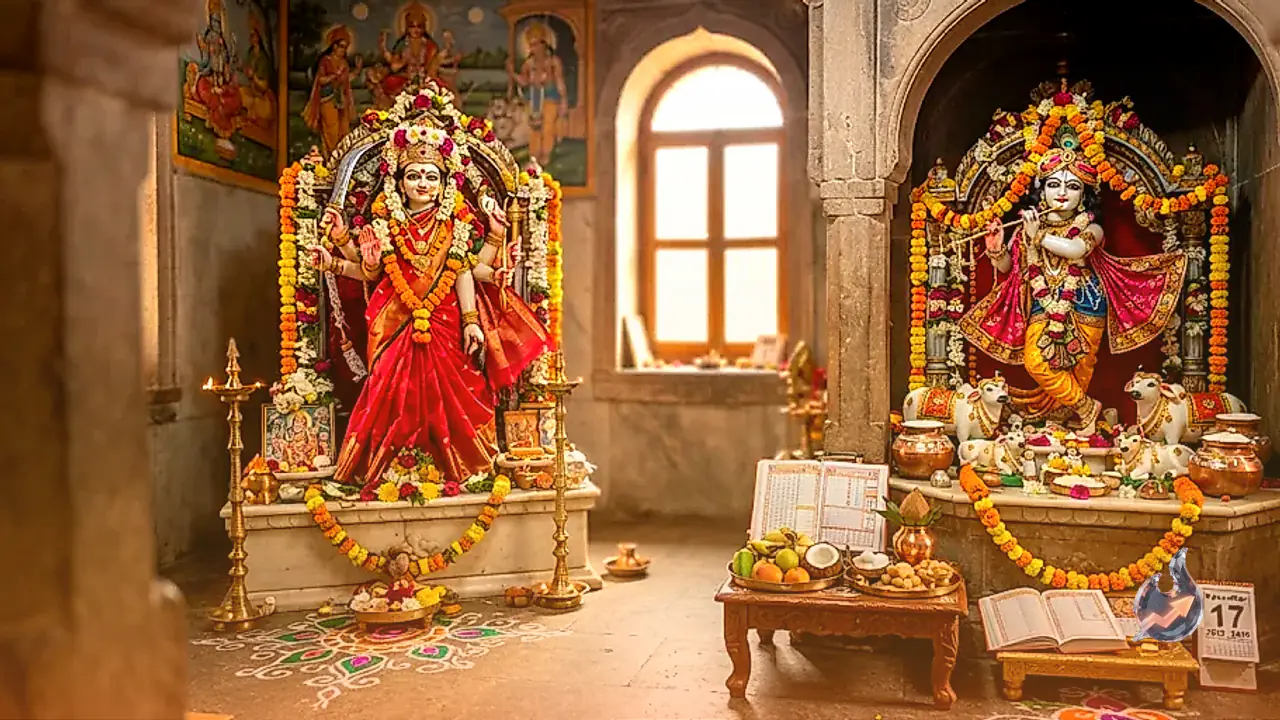
The observance begins at dawn with a purifying bath, after which the devotee dons clean clothes and formally takes the sacred pledge of fasting before Lord Vishnu. Wearing yellow attire is regarded as particularly auspicious, given that the color yellow is deeply associated with Lord Vishnu. Worship should include the ceremonial lighting of an oil or ghee lamp, accompanied by offerings of fresh flowers, seasonal fruits, and sacred Tulsi leaves. A central element of this festival involves celebrating the awakening of Lord Vishnu through family gatherings and devotional songs honoring the divine awakening.
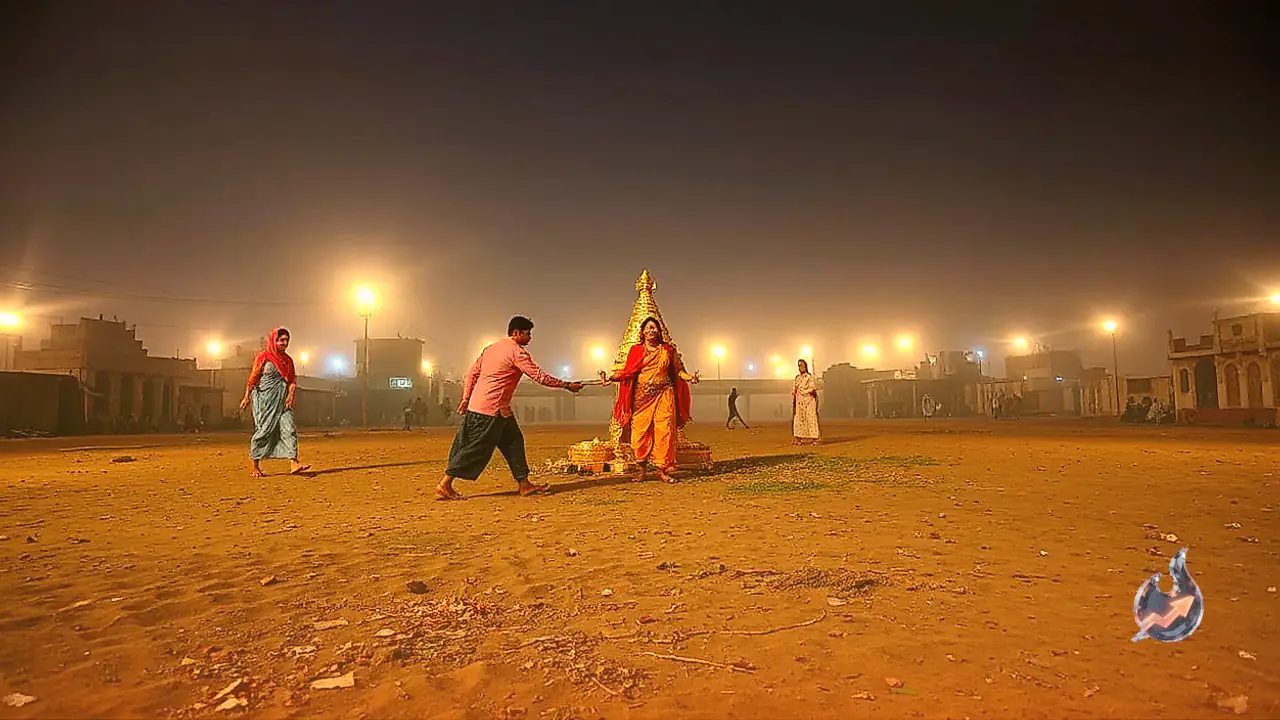
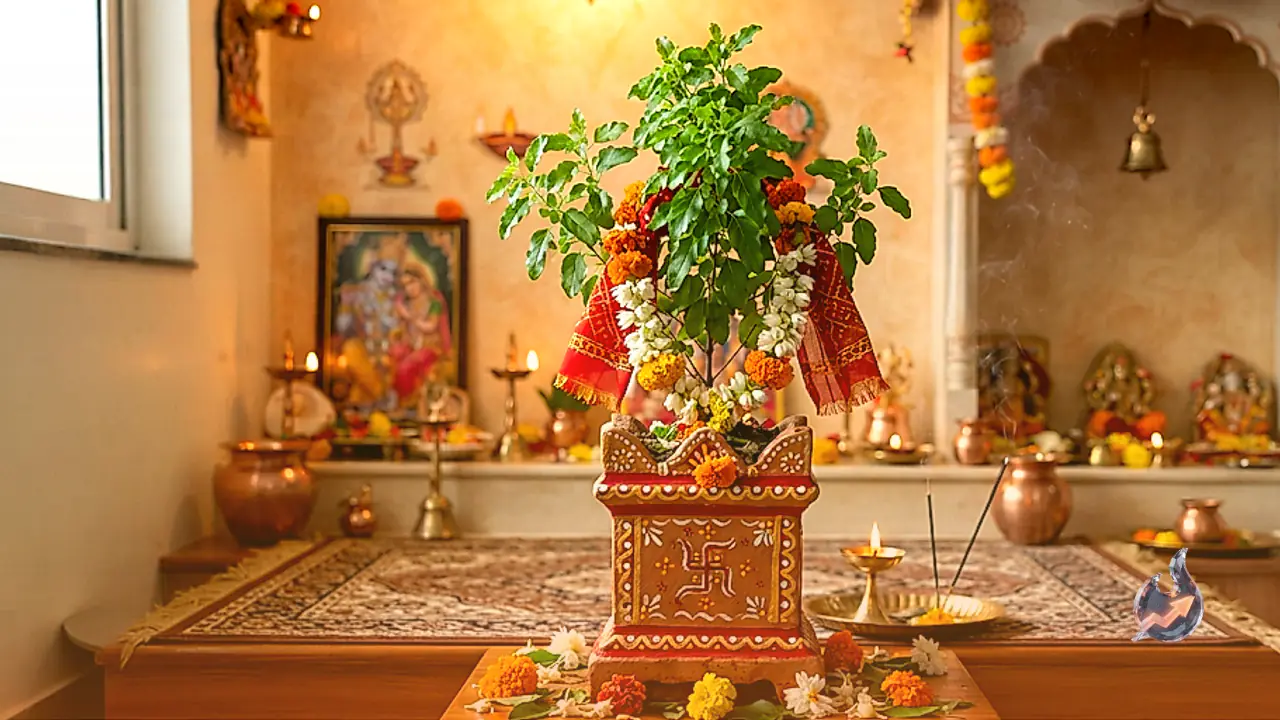
In the evening, the area surrounding the Tulsi altar must be cleaned thoroughly, followed by lighting a sacred lamp nearby. Tradition encourages offering a traditional red veil and marital adornments to the sacred basil plant. Devotees are also encouraged to spend their hours reciting holy scriptures or chanting the divine names of Vishnu. Performing charitable deeds such as distributing grain, seasonal fruits, clean clothing, or monetary assistance to the destitute and underprivileged multiplies the spiritual rewards of the vow.
Actions and Foods Strictly Prohibited on Ekadashi
Tradition explicitly outlines several prohibitions to protect the sanctity of the fast. All non-vegetarian food, alcohol, onions, and garlic must be avoided starting from the evening of Dashami to maintain internal purity. The consumption of rice or any item derived from rice is strictly forbidden on Ekadashi across all orthodox traditions. Similarly, vegetables such as radishes, eggplants, and leafy greens are traditionally excluded from meals around this observance.
While Tulsi leaves are indispensable for the divine offering, plucking them on Ekadashi day is considered an offense. Devotees must harvest the necessary leaves a day earlier during Dashami. Pouring water at the base of the plant or physically touching Tulsi on this specific day is also avoided. Devotees should refrain from sleeping during daytime hours or resting excessively late in the morning. Avoiding harsh language, abstaining from heated disputes, keeping an even temperament, and never disrespecting the vulnerable are essential moral rules. Additionally, even after concluding the fast the following morning, resting during the daytime should be avoided.