

















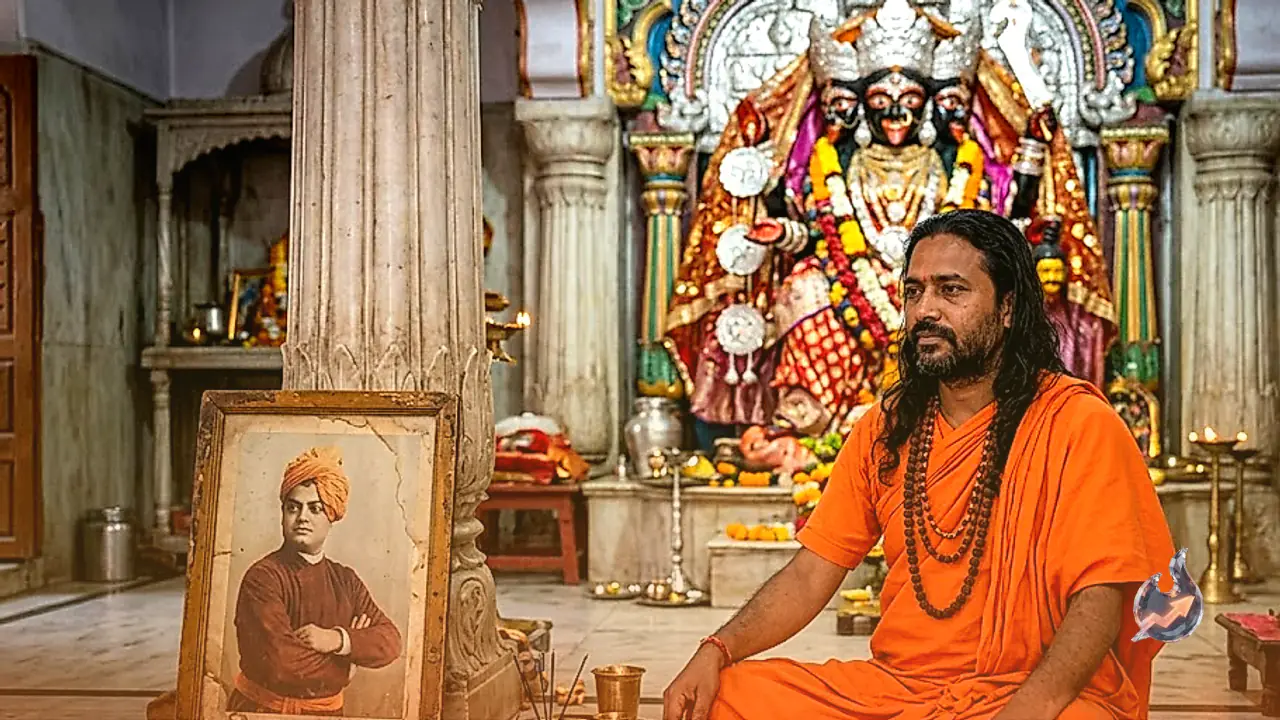

The soil of Bihar has nurtured numerous saints and spiritual figures who carved out a distinct identity through rigorous devotion and dedicated social service. Prominent among them is Sevak Sanjay Nath Ji Maharaj, the head priest of the widely known Dashmukhi Kali Nyas Mandir located in Raxaul within the East Champaran district. For years, alongside his worship of Goddess Kali, he has actively engaged in philanthropic endeavors spanning education, medical care, housing, and food distribution for the needy. Holding Swami Vivekananda as his ultimate role model, the spiritual journey that led Maharaj toward asceticism remains a fascinating tale.
An Ordinary Upbringing and Early Inspiration
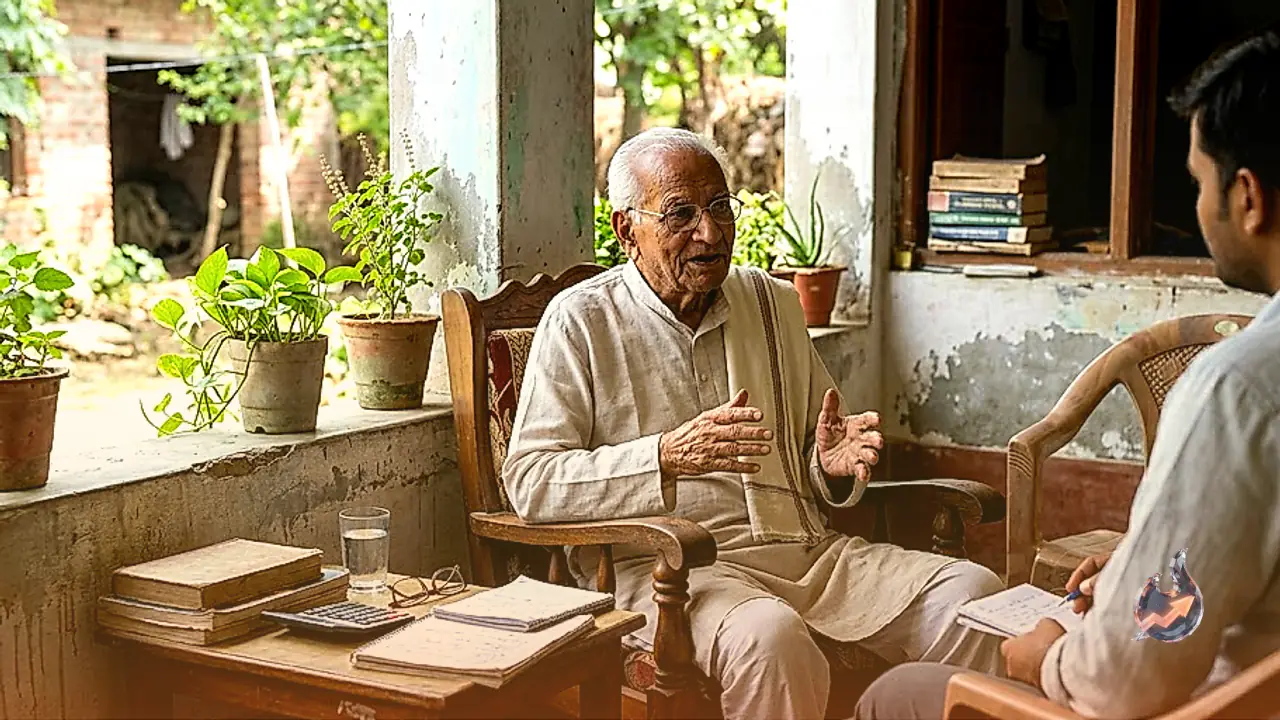
Sevak Sanjay Nath Ji Maharaj shares that he belongs to an ordinary Kayastha family. His father practiced as a homeopathic physician. Much like any typical young person, he was deeply engrossed in his studies and academic pursuits. However, the personality, ideals, and profound thoughts of Swami Vivekananda exerted a tremendous influence on his mind. He deeply yearned to walk the path laid down by the great philosopher. Driven by this inner calling and inspiration, he made the monumental decision to renounce worldly life and embrace asceticism at the tender age of just 17.
A Shivji Dream During the Patna to Madras Journey
Recounting a pivotal moment in his life, Maharaj explains that on one occasion, he was traveling from Patna to Madras to secure admission into an engineering program. During this very journey, he experienced a divine dream in which he beheld Lord Shiva. According to him, Mahadev gave him clear indications to adopt the path of asceticism and move forward with the construction of a temple. He experienced a similar dream a second time and asserts that he even received a sacred mantra from Lord Shiva within the dream state. Following these profound spiritual experiences, he abandoned his engineering studies entirely and chose the renunciate path. His decision faced stiff opposition from his family members.
Family Concerns and a Life of Devotion
Maharaj notes that his mother grew deeply worried that after taking up asceticism, her son would have to resort to begging door-to-door for his daily meals. According to him, however, he never once begged for food in his life. He remained completely immersed in the devotion of Goddess Kali, making do with whatever food became available to him naturally and effortlessly. This phase tested his resolve, yet he stayed steadfastly committed to his spiritual path without seeking worldly comforts.
The Seven-Bigha Dashmukhi Kali Temple
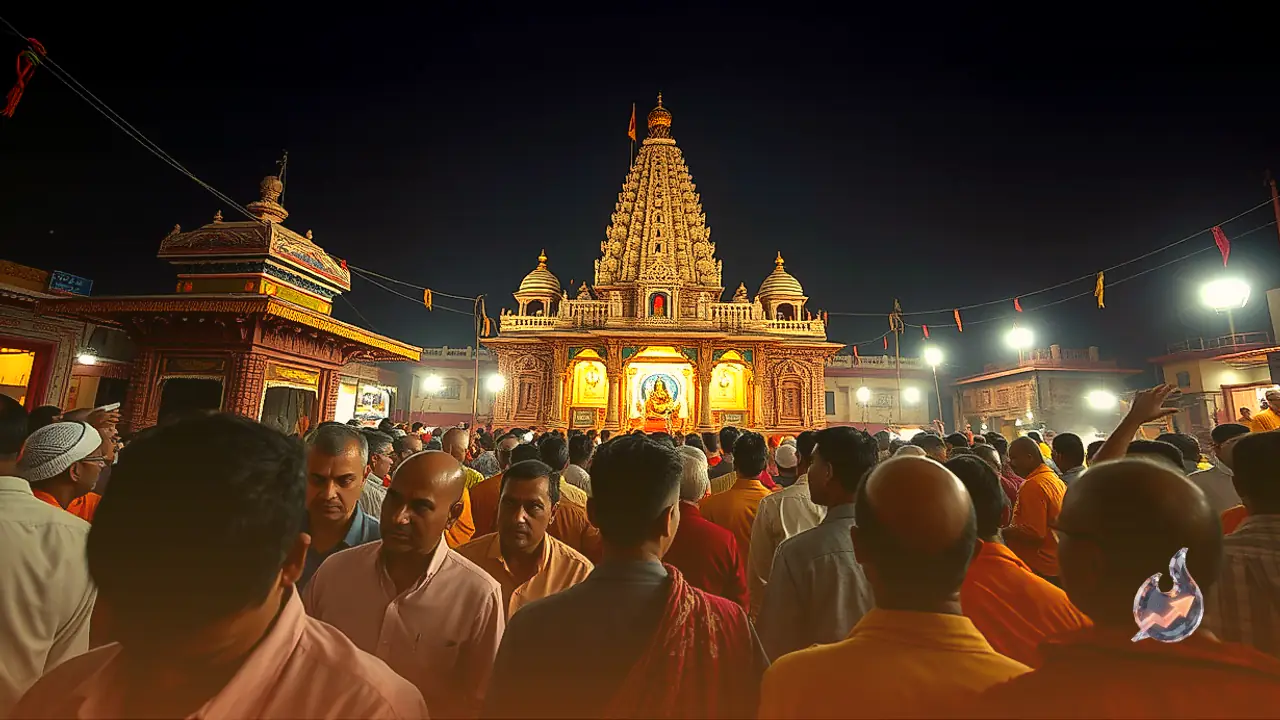
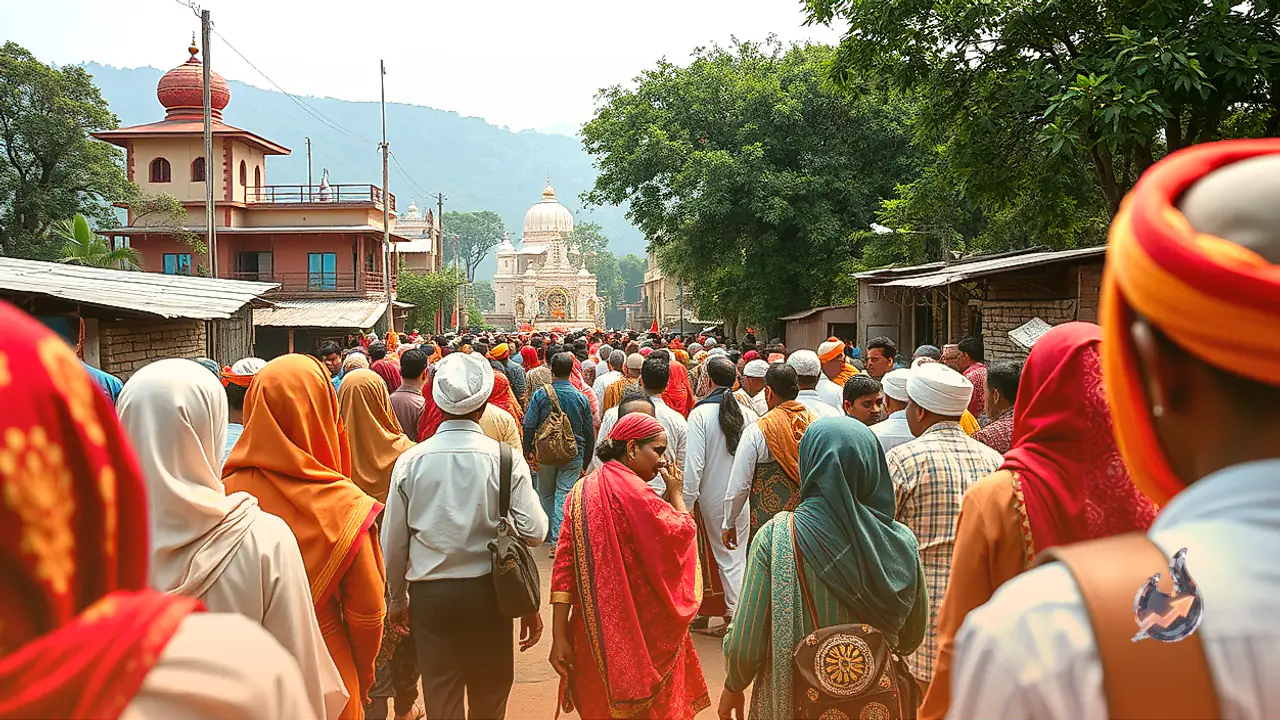
According to Sanjay Nath Ji Maharaj, a prominent landlord named Ramkishun Ram donated a sprawling seven-bigha plot of land to him. It was upon this gifted land that construction for the temple officially commenced in the year 1990. By 1993, the construction concluded, and the temple stood ready. Today, this holy site serves as a central pillar of faith and devotion for countless devotees visiting Raxaul.
Combining Spiritual Practice with Social Welfare
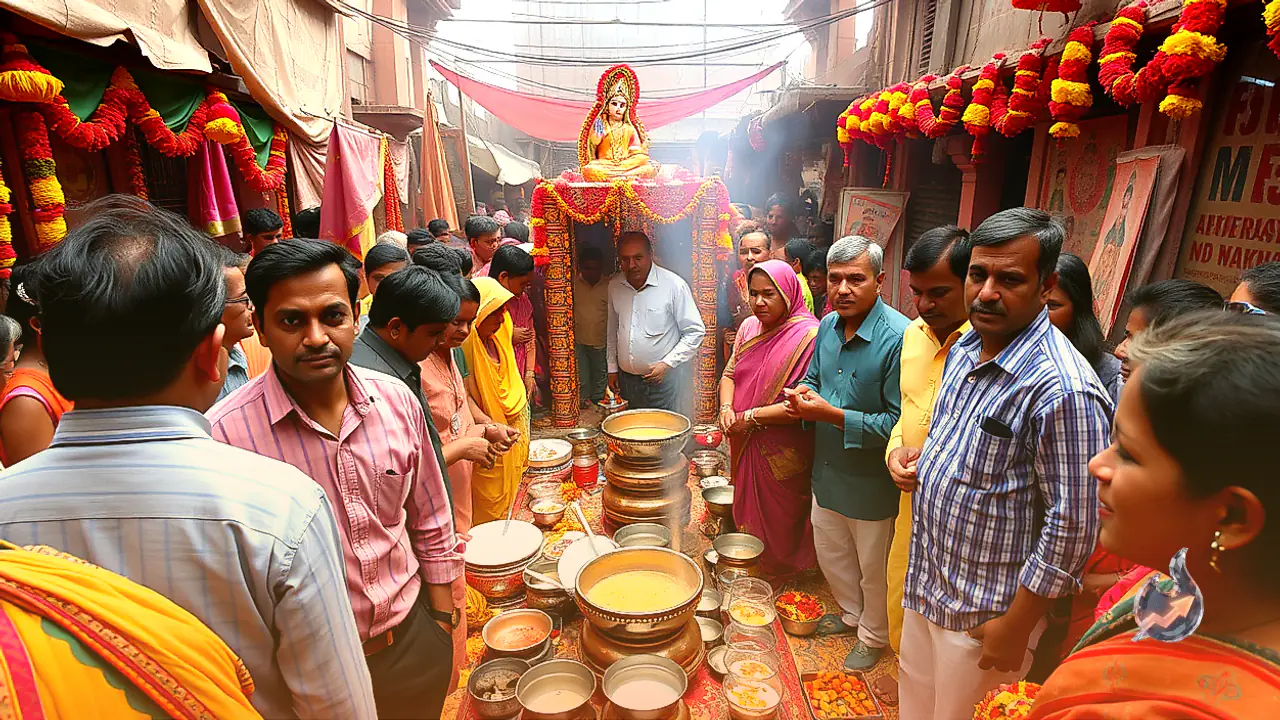
Maharaj explains that all monetary offerings and donations received at the temple are channeled directly into social welfare projects connected with education, medical assistance, housing, and feeding the destitute. Fulfilling religious devotion while simultaneously uplifting the vulnerable forms a crucial pillar of his service work. His journey from an ordinary household background into a revered ascetic continues to spark widespread curiosity and admiration among people today.