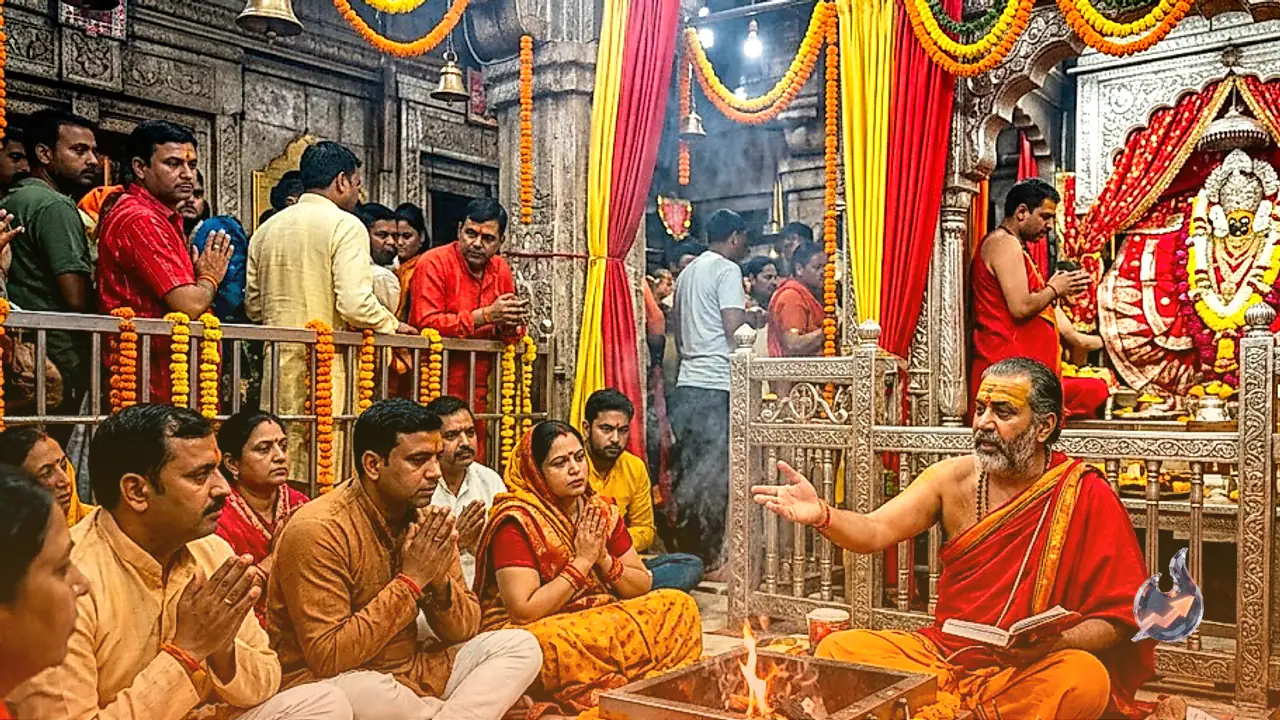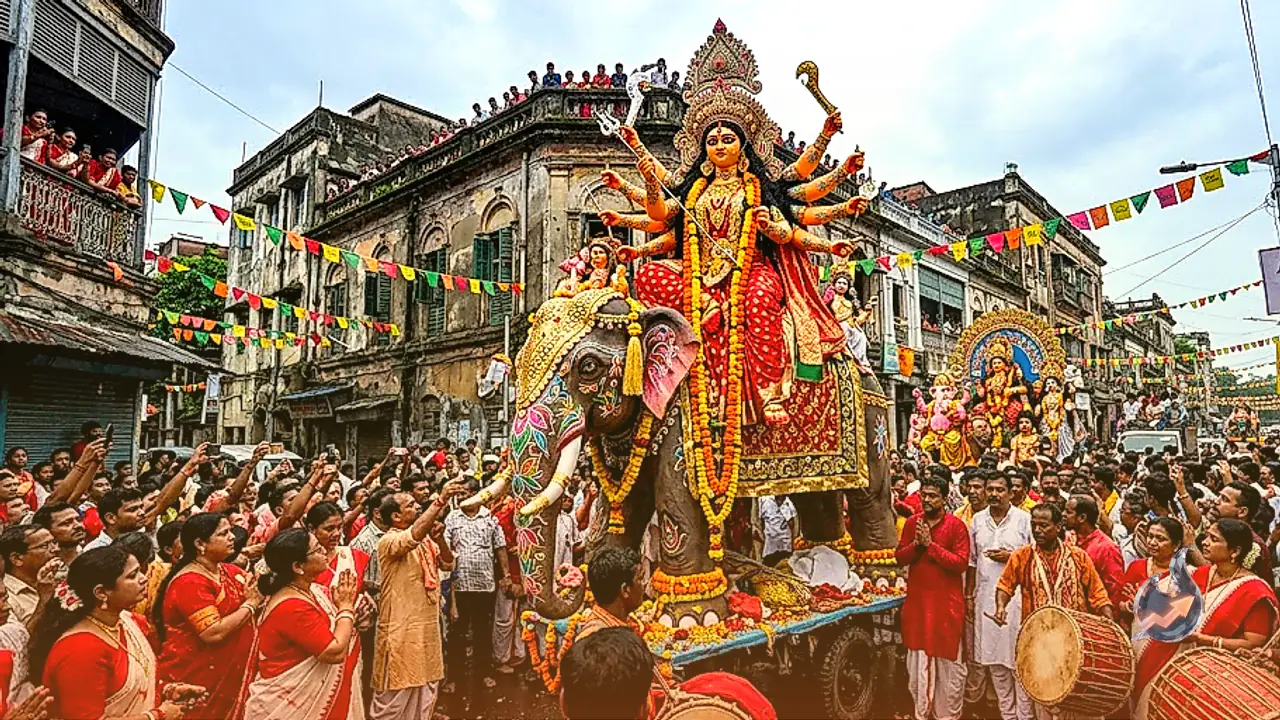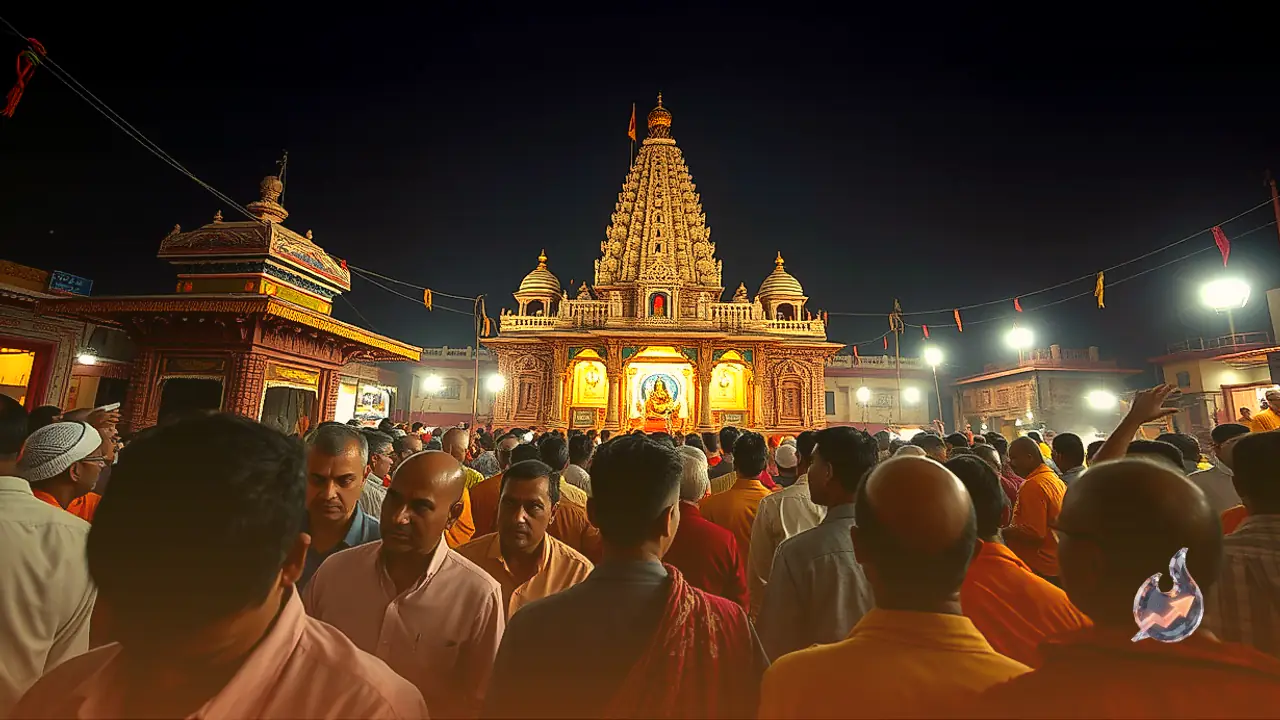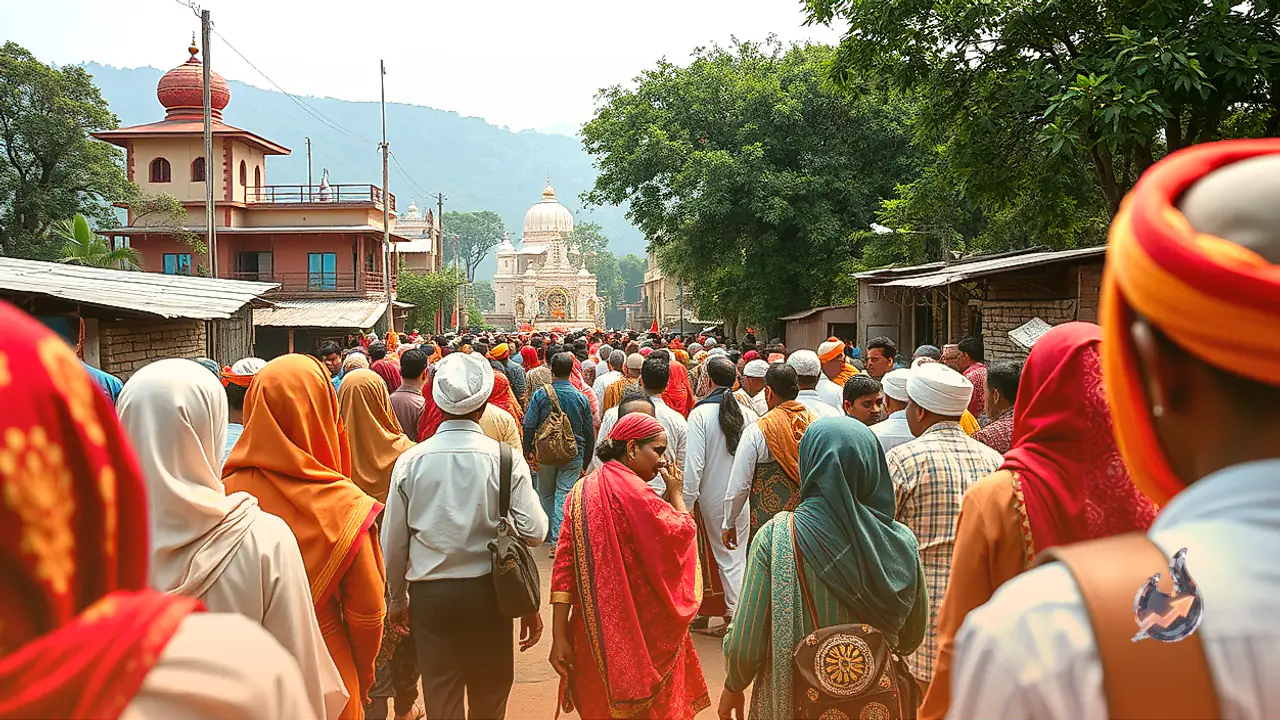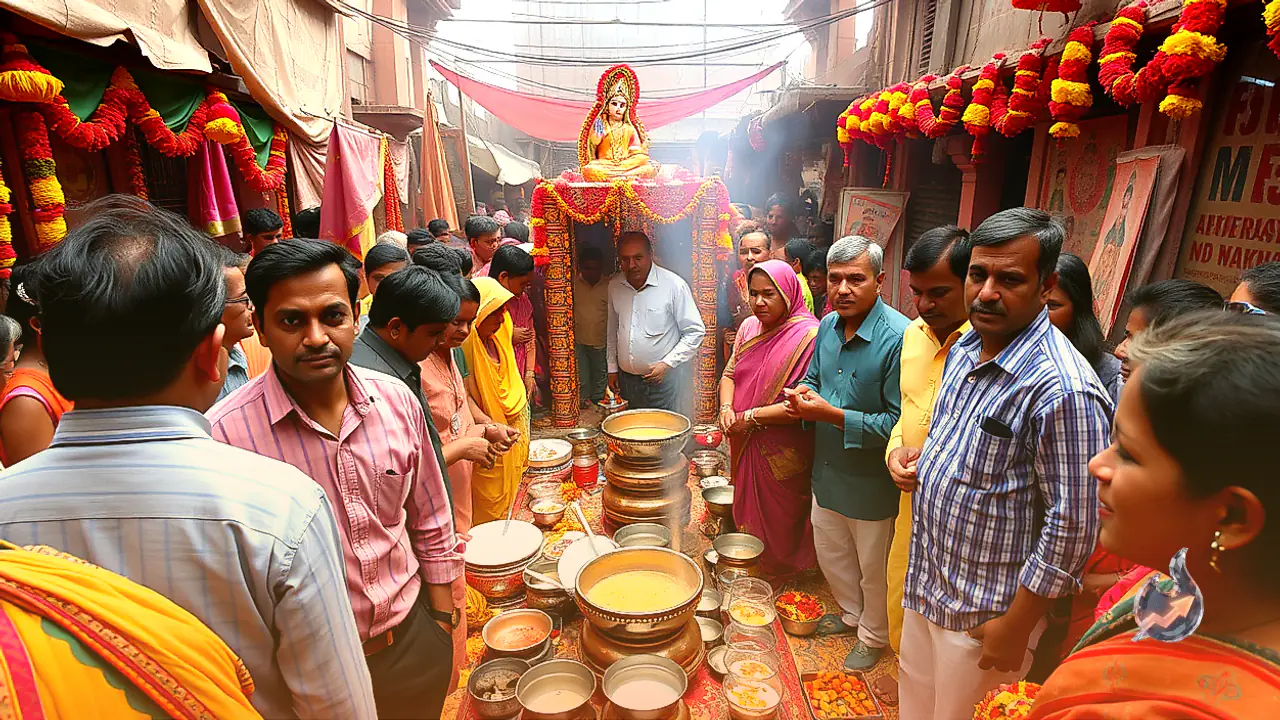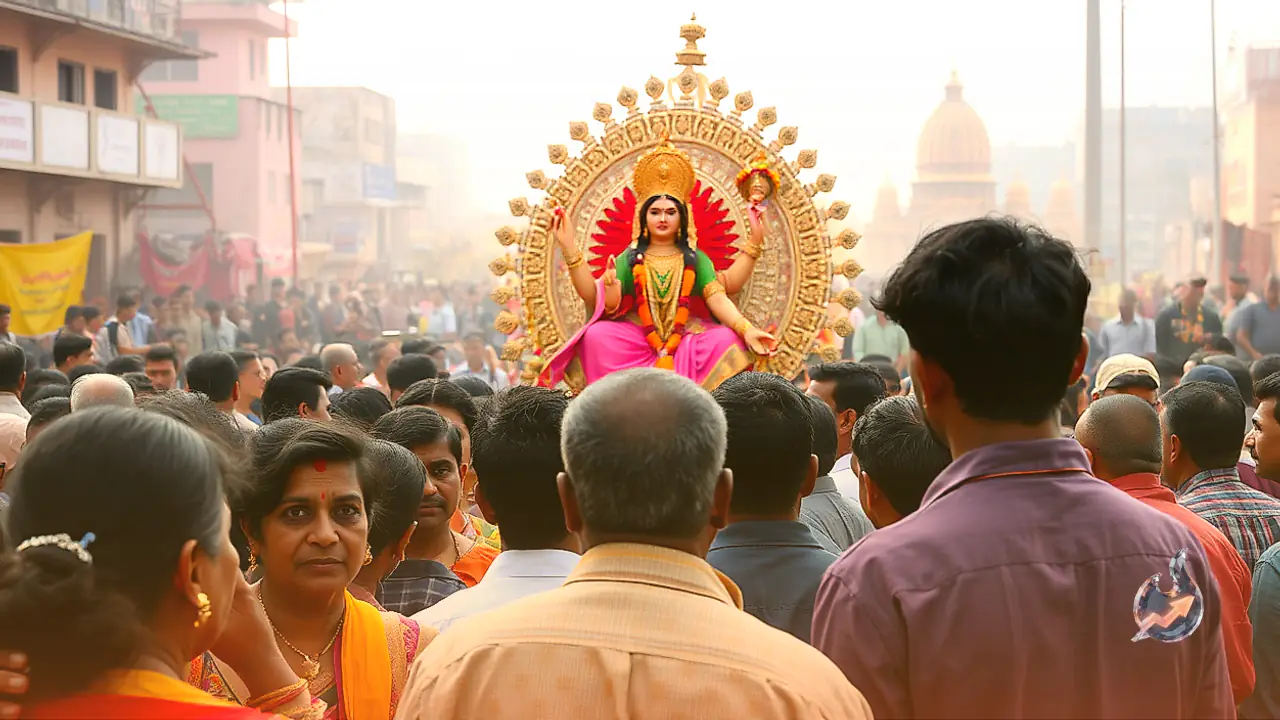

















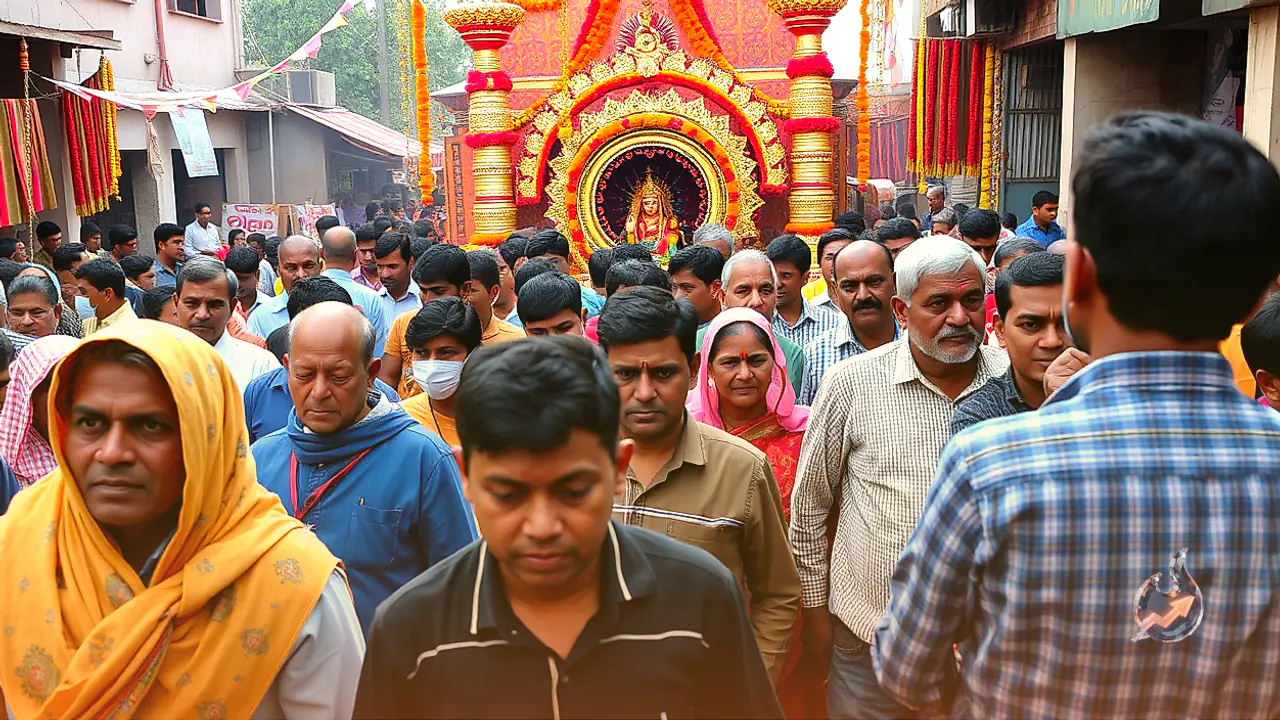

The auspicious occasion of Shardiya Navratri enters its third day on the Tritiya tithi of Ashwin Shukla Paksha. Falling on Tuesday, October 13, this day is traditionally dedicated to the reverence of Maa Chandraghanta, the third manifestation of Goddess Durga. According to astronomical and calendar calculations, the Tritiya tithi will remain in effect until 11:28 PM on Tuesday night. Worshipping this fierce yet protective form of the divine mother is believed to bring courage and eliminate distress from the lives of devotees.
Planetary Alignments and Astrological Combinations
A notable set of celestial configurations marks the third day of the festival. On October 13, Priti Yoga will prevail until 8:24 PM in the evening. Furthermore, the Vishakha Nakshatra will stay active until late night at 1:43 AM. Astrological guidance indicates that prayers performed under these yogas foster inner tranquility and spiritual strength. The day begins with sunrise at 06:20 AM and concludes with sunset at 05:53 PM.
Favourable Muhurat Timings on October 13
Devotees seeking auspicious windows for special prayers, rituals, and initiating meaningful tasks can take note of the following specific spans throughout the day
- Brahma Muhurta: 04:54 AM to 05:43 AM
- Pratah Sandhya: 05:19 AM to 06:32 AM
- Abhijit Muhurta: 12:01 PM to 12:48 PM
- Vijaya Muhurta: 02:22 PM to 03:09 PM
- Amrit Kaal: 04:14 PM to 05:57 PM
- Godhuli Muhurta: 06:17 PM to 06:42 PM
- Sayahna Sandhya: 06:17 PM to 07:31 PM
City-Wise Rahukal Timings Across India
In classical astrology, Rahukal is regarded as an inauspicious window during which fresh undertakings and important journeys are traditionally deferred. The local timings for Rahukal across several major Indian cities on October 13 are as follows
- Delhi: 03:00 PM to 04:27 PM
- Mumbai: 03:21 PM to 04:49 PM
- Chandigarh: 03:01 PM to 04:28 PM
- Lucknow: 02:46 PM to 04:13 PM
- Bhopal: 03:01 PM to 04:29 PM
- Kolkata: 02:18 PM to 03:46 PM
- Ahmedabad: 03:21 PM to 04:48 PM
- Chennai: 02:53 PM to 04:22 PM
Divine Iconography and Worship of Maa Chandraghanta
The iconography of Maa Chandraghanta reflects a unique balance of serene benevolence and formidable warrior prowess. A crescent moon shaped like a bell adorns her forehead, providing the divine entity with her distinctive name. Mounted atop a lion, she represents an ardent defender against malevolence while remaining deeply compassionate toward her devotees.
Goddess Chandraghanta is depicted with ten arms bearing sacred items and armaments. Her four right hands hold a lotus flower, a bow, prayer beads, and an arrow, while her fifth right hand is held in the protective Abhaya mudra. Her four left hands grasp a trident, mace, holy water pot, and sword, with her fifth left hand extending the boon-giving Varada mudra. Tradition holds that the resonance of her bell dispels formidable adversaries. Offering sacred kheer made from fresh cow milk as prasad on this day is regarded as an effective remedy for overcoming hardships and obstacles.