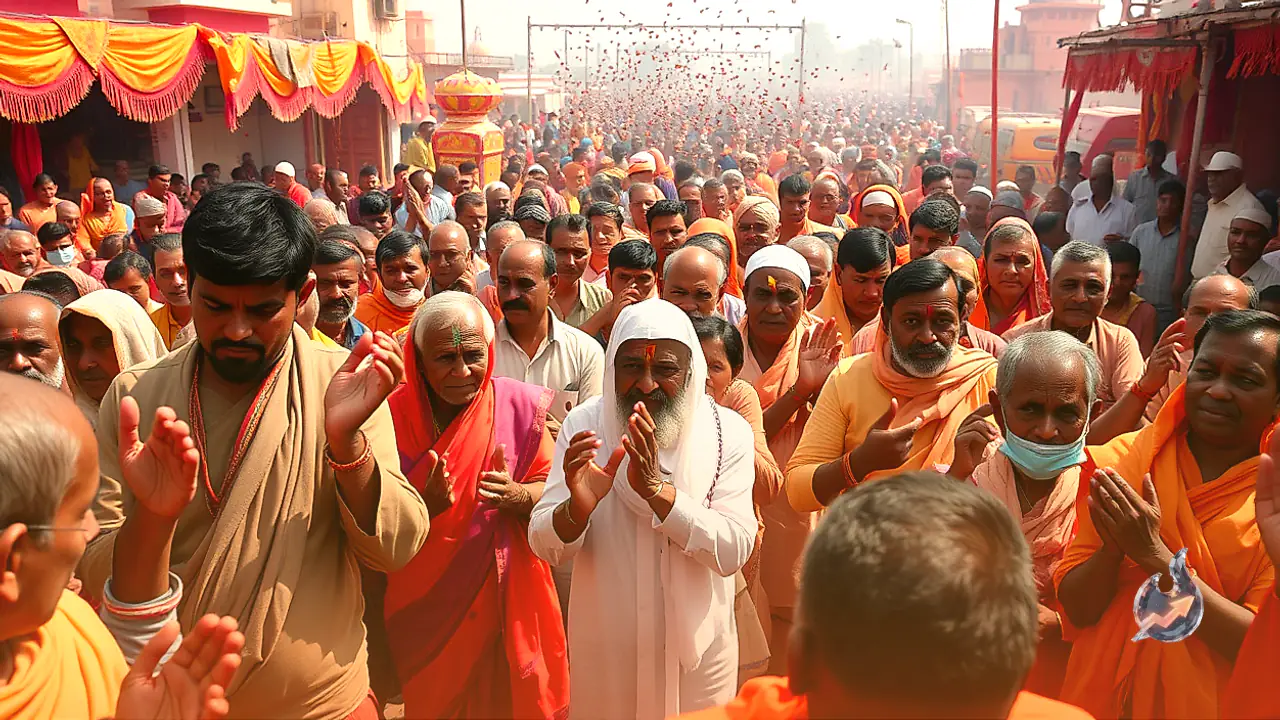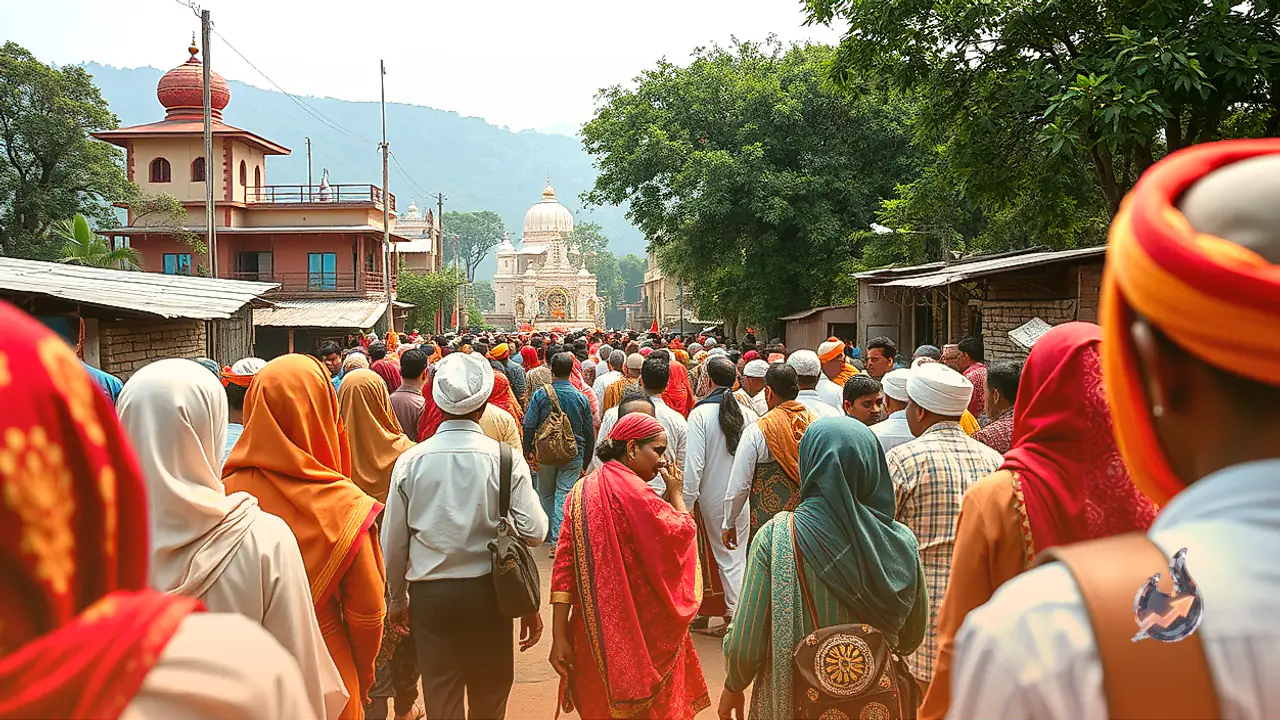






















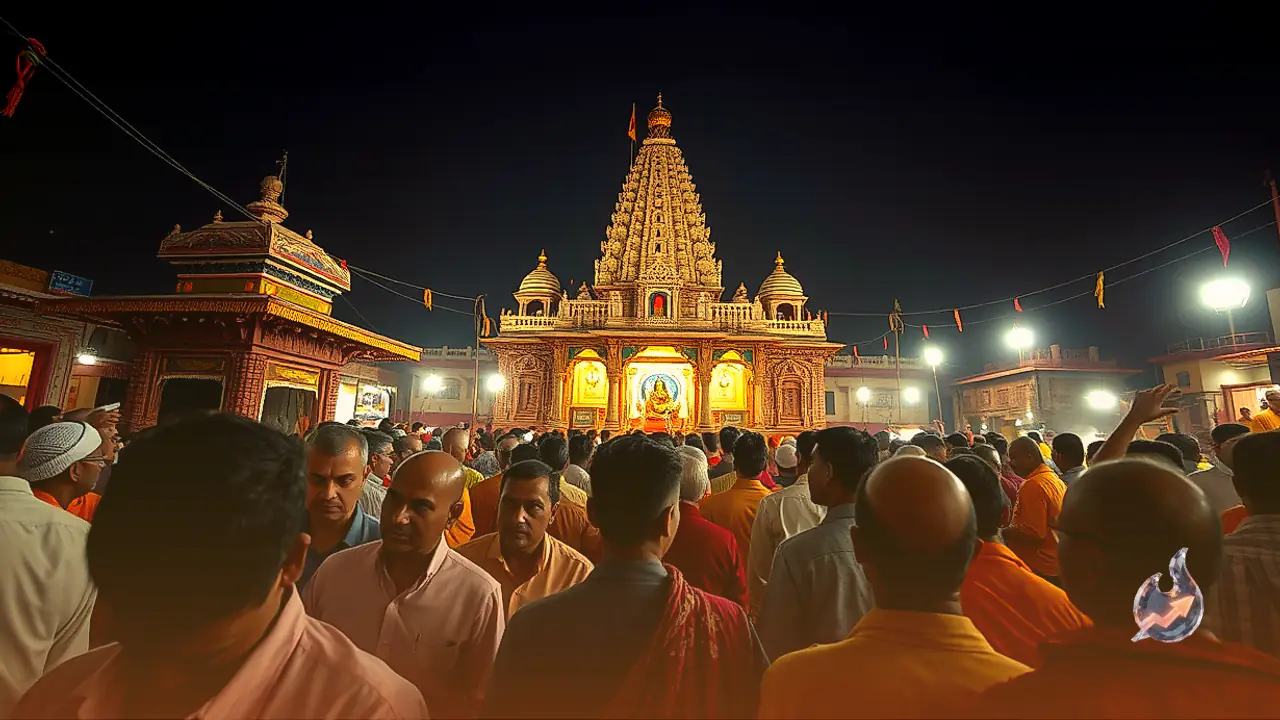

Special religious protocols were enforced at the revered Baba Baidyanath Jyotirlinga temple in Deoghar, Jharkhand, on the occasion of Bhadrapada Purnima on September 7, 2025, due to a lunar eclipse. Across India, the astronomical occurrence commenced at 9:58 PM and lasted until 1:26 AM past midnight, while the accompanying Sutak period began earlier at 12:57 PM in the afternoon. Although religious shrines typically suspend holy offerings during Sutak hours, the unique Tantric foundations of Baidyanath Dham allowed specialized rituals, meditative practices, and sacred chanting to continue, even as access for routine worship and water offerings was placed under strict timelines.
Adjustments to Worship Timings and Jal Arpan Procedures
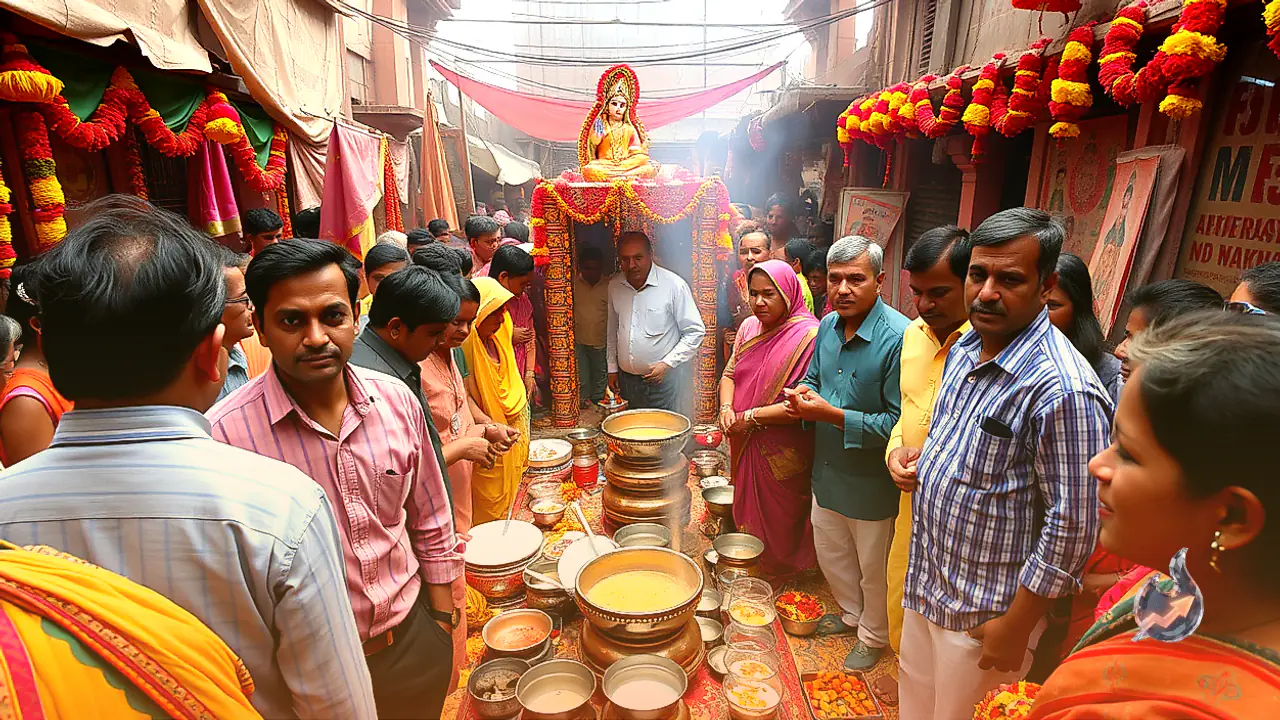
In view of the planetary event, temple administrators modified the schedule for regular devotees visiting the shrine to offer holy water. The Jal Arpan process was entirely concluded by 5:00 PM in the evening, after which water offerings were halted on account of the Sutak rules and the impending eclipse. Immediately following the closure of Jal Arpan, the traditional Sandhya Shringar Puja of Baba Baidyanath was conducted with full ceremonial rituals. As part of this elaborate custom, an auspicious Bhog offering was presented to Lord Shiva, marking one of the daily devotional highlights celebrated for its visual and spiritual grace.
Sanctum Doors Closed Early Ahead of Morning Cleansing
Following the evening adornment rituals, the sanctum sanctorum doors were formally closed at 8:22 PM, roughly one and a half hours prior to the start of the eclipse. Under regular shrine custom, the doors are shut approximately two hours before an eclipse begins, which made this closure considerably earlier than on normal operating days. Following the complete conclusion of the celestial event at 1:26 AM, preparations were laid down for a comprehensive purification ceremony on the morning of September 8. During this ritual, the entire temple courtyard and surrounding sanctum are washed with holy water from the Ganges before regular public darshan and daily prayers officially resume.
Tantric Worship Traditions and Shaktipeeth Significance
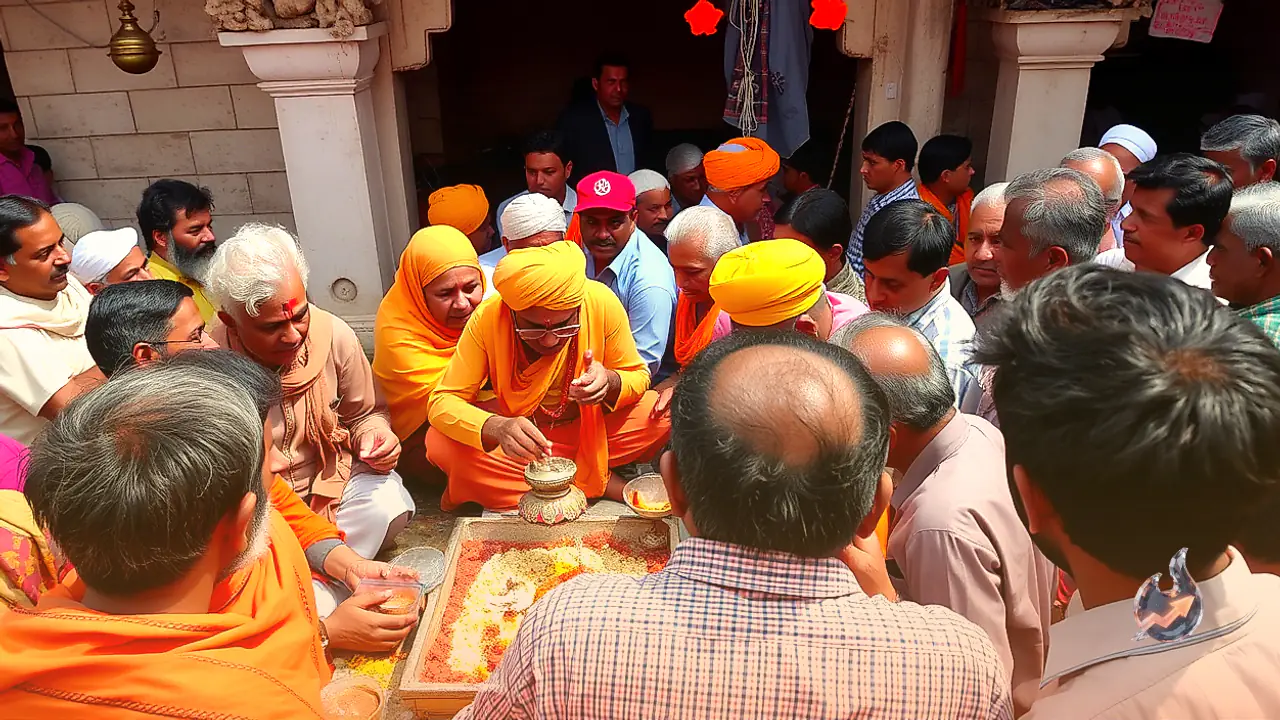
The devotional traditions of Baba Baidyanath Temple are deeply anchored in Tantric rites, distinguishing this holy shrine from other sacred Jyotirlingas across the country. While conventional Hindu practices treat the Sutak window as an inauspicious phase during which temple offerings are halted, Tantric spiritual traditions view this time as an extraordinary window for deep meditation, inner concentration, and sacred invocations. As a consequence, special Tantric rituals and focused Shiva mantra chanting are permissible and conducted at the complex during the eclipse phase.
Devotees hold the temple in high regard as both a Jyotirlinga and a prominent Shaktipeeth, drawing on the belief that the divine heart of Mata Sati fell at this sacred geographical spot. This union makes Deoghar a vital hub for both Shaivite pilgrims and Tantric practitioners. Symbolizing the sacred communion of Shiva and Shakti, a vibrant red sacred thread visibly connects the spires of the Baba Baidyanath Temple and the adjoining Mata Parvati Temple. Known popularly as the 'Kamna Linga' for fulfilling earnest prayers, the shrine is also crowned by the mystical Panchshool. Revered as an invulnerable protective shield, mere visual sight of this sacred five-pronged finial is believed by pilgrims to grant fulfillment of their deepest wishes. Devotees were asked to adhere strictly to the 5:00 PM water offering cut-off and encouraged to chant the sacred mantra Om Namah Shivaya to maintain inner tranquility and positive vitality.