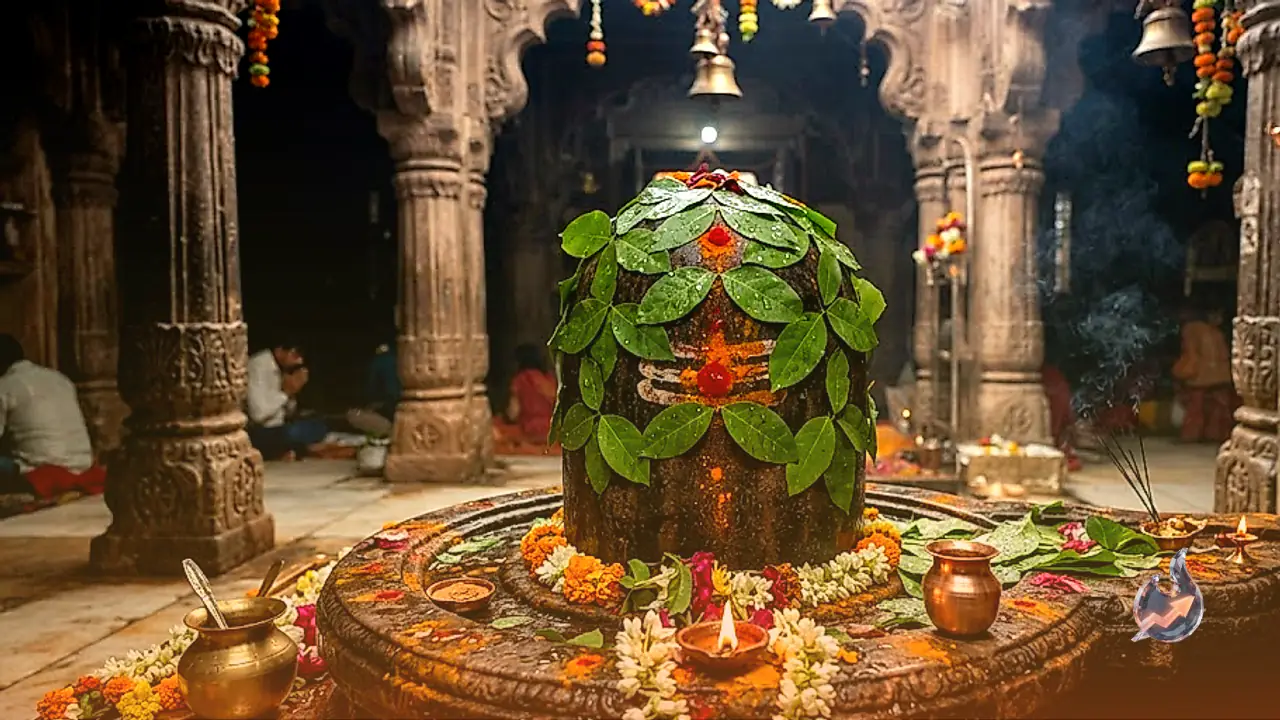






















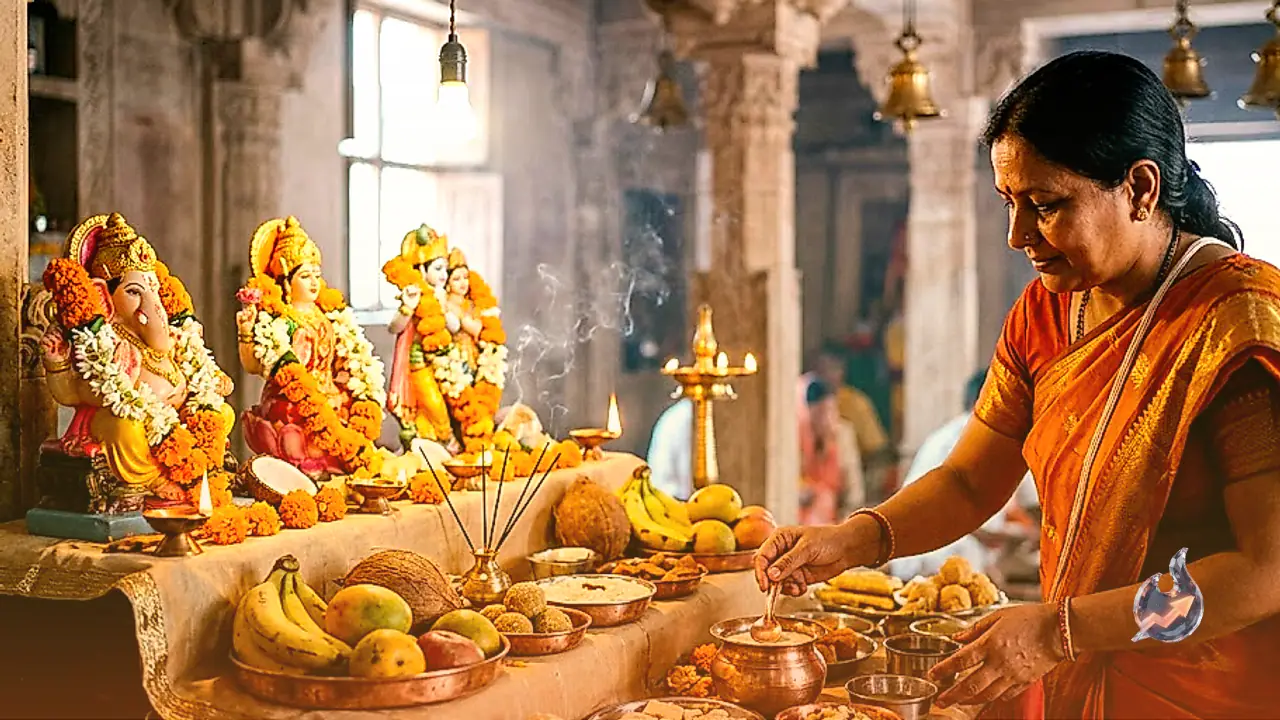

In Sanatan Dharma, offering food known as Bhog to deities during daily prayers holds deep spiritual significance. Devotees offer sweets, fruits, and traditional dishes according to their faith, later consuming the items as sacred Prasad. However, a common mistake made in many households is leaving the offered food at the puja altar for hours or even overnight. According to traditional religious guidelines, specific rules govern how long Bhog should remain before the deity, how it should be removed, and how it ought to be distributed.
Ideal Timing for Keeping and Removing Bhog
According to sacred traditions, Bhog should never be removed immediately after being offered to the deity. When food is placed before the altar, it must remain there for a minimum of 5 minutes. This initial duration allows the offering to be spiritually accepted by the divine presence through faith and devotion.
Following this initial period, the offered food should ideally be removed from the altar within 15 to 20 minutes. Allowing the food to remain beyond this 20-minute window is considered improper. Once removed, the sacred Prasad should be promptly distributed among family members and devotees so everyone can partake in the divine blessings.
Why Leaving Bhog at the Altar for Hours is Discouraged
In many homes, people perform morning or evening prayers, present the food offering, and leave it unattended for long hours or overnight. Religious beliefs indicate that leaving food at the worship altar for an extended period compromises its sanctity and spiritual purity. Over time, the sacred vibrations associated with the offering diminish.
Proper Placement and Selection of Sacred Utensils
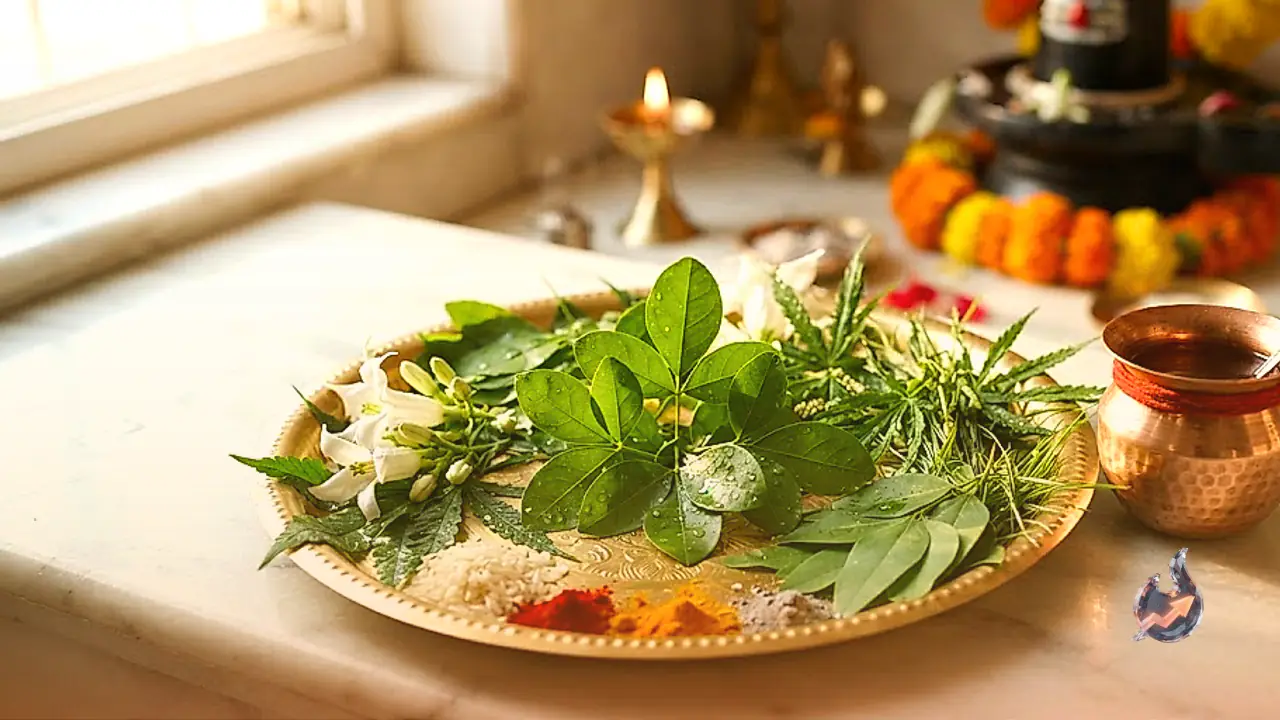
Sanctity begins with how the food offering is presented. Bhog must never be placed directly on the bare floor or ground. The serving vessel should always rest on a clean wooden altar stand, a consecrated platform, or a dedicated puja tray. Direct contact with the floor is viewed as disrespectful and impure.
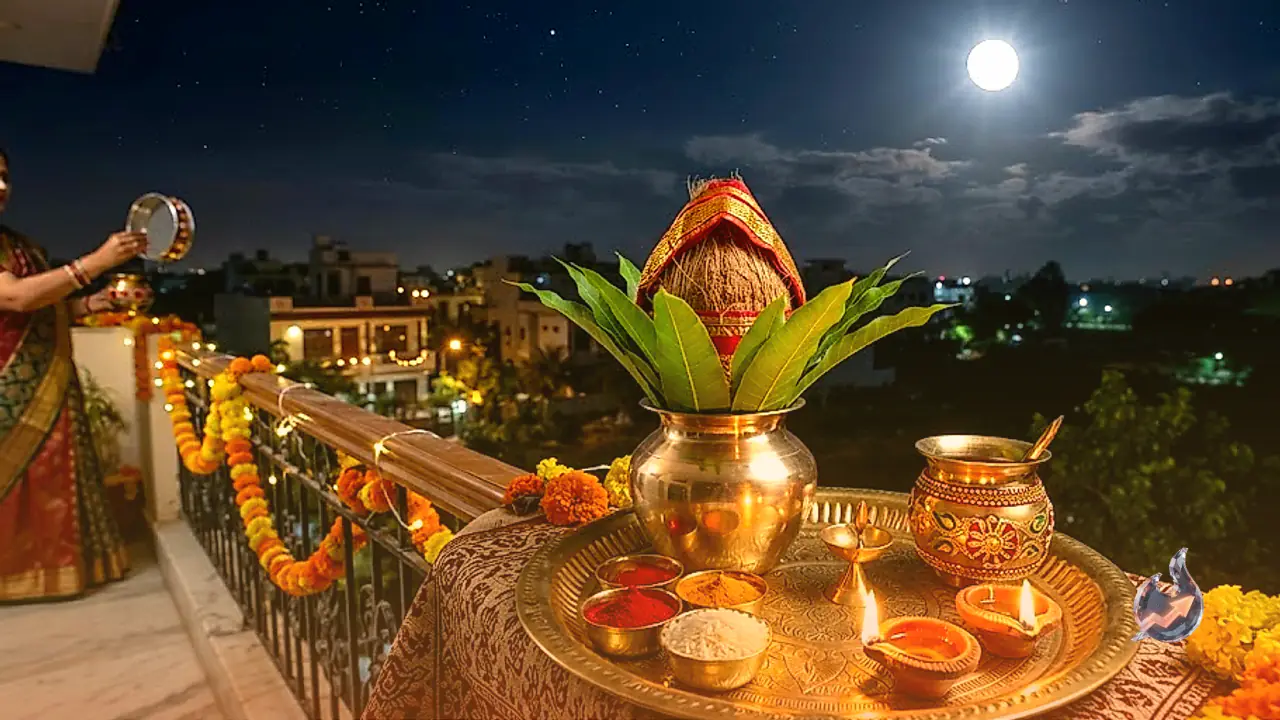
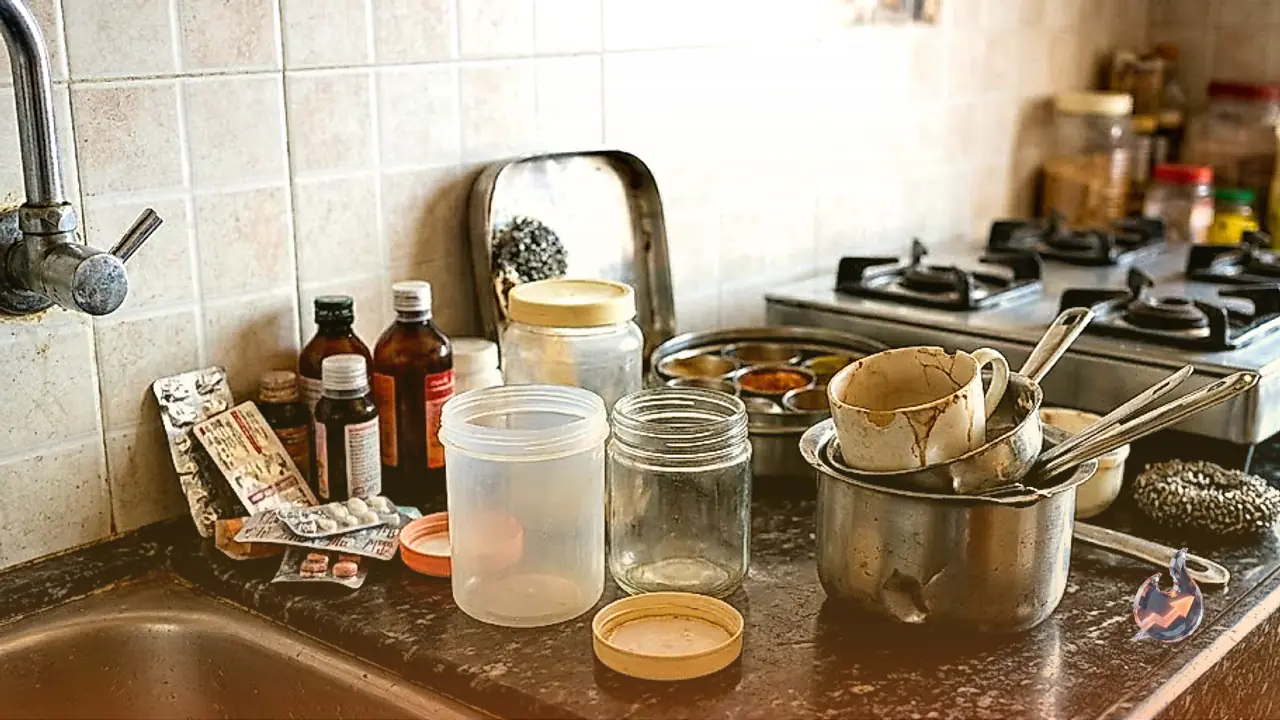
Furthermore, the material of the utensils used for offering Bhog plays a vital role. Traditional guidelines recommend using vessels crafted from auspicious metals such as bronze, brass, copper, silver, or gold. Conversely, materials like plastic, glass, and aluminum should be strictly avoided in worship rituals, as they are not deemed suitable for divine offerings.
Essential Rituals: Covering Food, Offering Water, and Maintaining Privacy
Several additional practices ensure that the ritual of offering Bhog is performed correctly. The food placed before the altar should always be kept covered with a clean cloth or lid. Additionally, a small vessel containing fresh drinking water must always be placed alongside the food offering.
It is also a widespread custom in both home shrines and temples to draw a curtain or close the sanctuary doors briefly during Bhog. This tradition is based on the belief that deities accept the offering in solitude and privacy. After a brief period, the curtain is reopened, and the sacred food is respectfully retrieved for distribution.