

















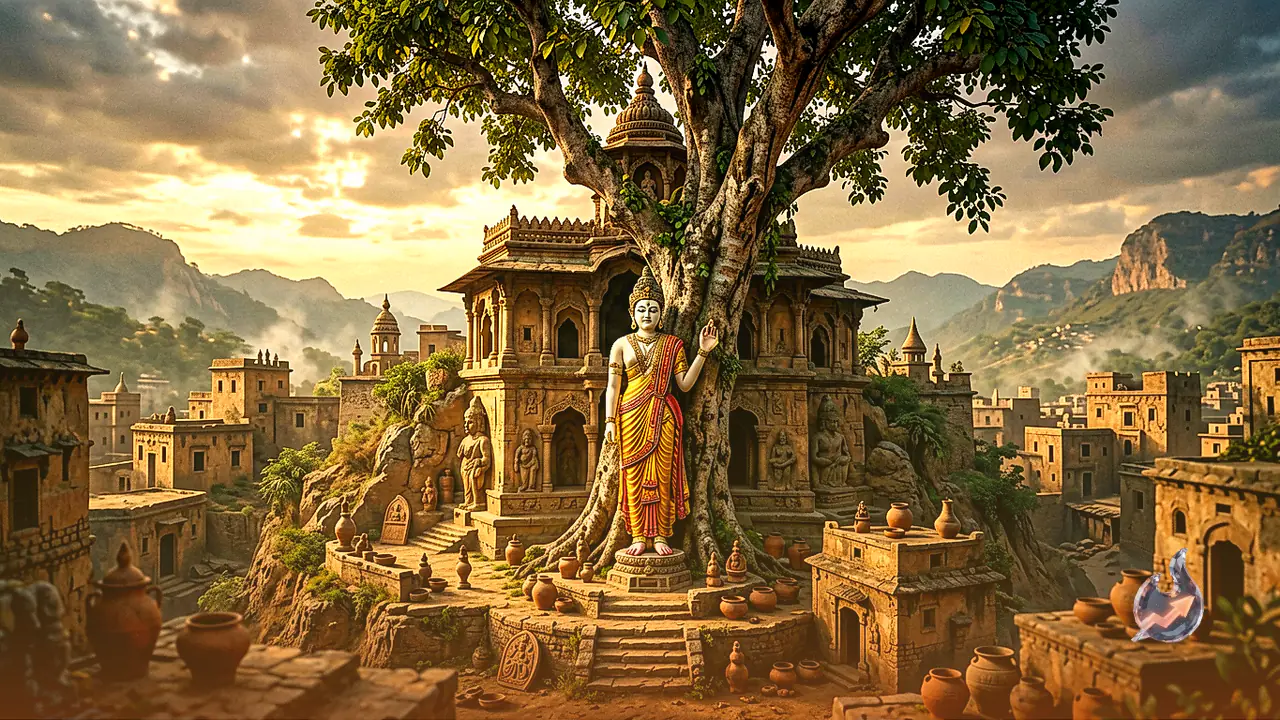

Palri village, situated in the Viratnagar region of Rajasthan's Kotputli-Behror district, holds a distinctive place due to its rich historical legacy and deep-rooted spiritual traditions. The defining identity of this village rests upon an ancient temple of Bhomiya Ji Maharaj, located atop a 300-foot-high hill. Built naturally inside a cave, local belief holds that this sacred sanctuary is more than 1,000 years old. Over the centuries, it has evolved into a prominent center of faith for both locals and residents from nearby regions.
The Historical Origin Behind the Name Palri
The naming of Palri village is closely tied to its natural heritage. According to local traditions, centuries ago the surrounding landscape was densely covered with Simal trees. Over generations, the word 'Simal' underwent linguistic changes, transforming first into 'Seemal', then into 'Padli', and eventually settling into the present-day name 'Palri'. Even today, the region retains its pristine natural surroundings. The lush greenery, serene hill terrain, and winding approach path set this spot apart from typical rural areas, turning it into a unique eco-religious destination.
Ascending 200 Steps to the Scenic Hillside Sanctuary
Reaching the temple offers devotees a memorable blend of spiritual devotion and natural exploration. From the base of the hill, pilgrims climb approximately 200 stone steps to reach the shrine. As one ascends higher, sweeping panoramic views of Palri village and the surrounding countryside unfold below. The tranquil atmosphere of the elevated hill, combined with the peaceful environment inside the natural cave, creates a profound spiritual experience for visitors, making the journey much more than a standard temple visit.
The Sacred Tradition of Worshipping the Ancient Neem Tree
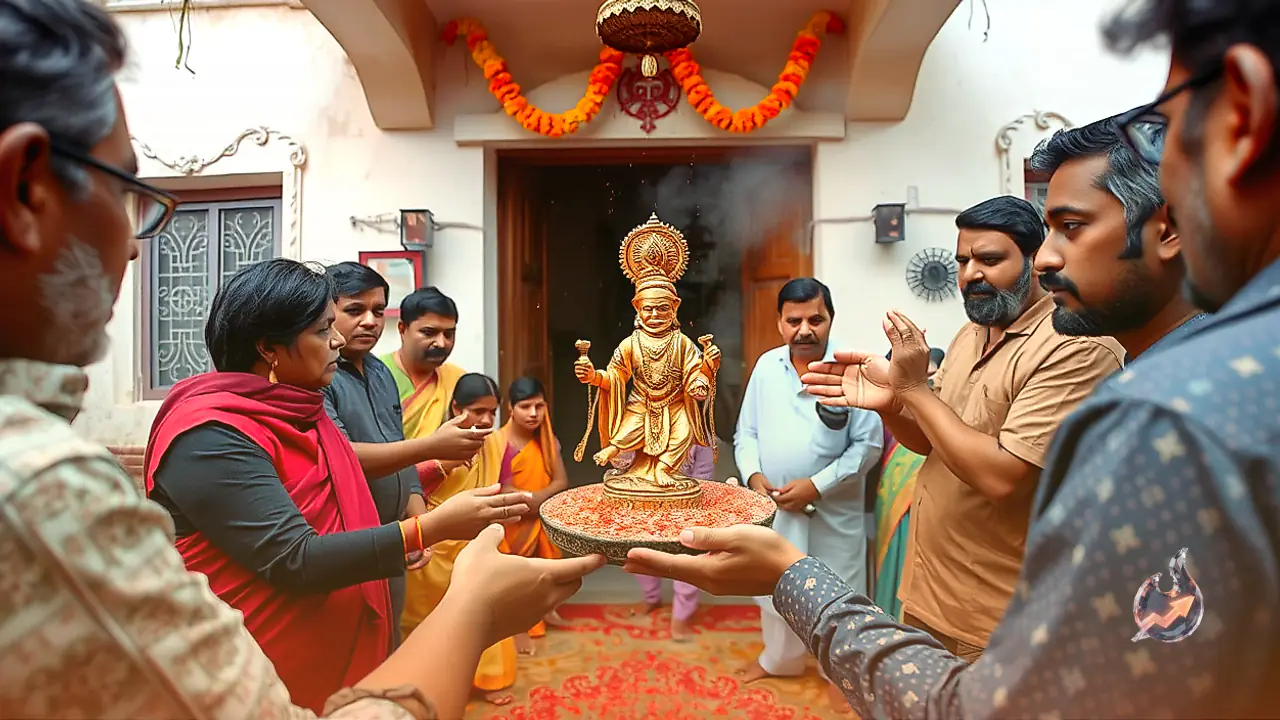
One of the most notable customs at this shrine is the ritual observed prior to entering the main cave. Devotees are required to offer prayers to a massive, centuries-old neem tree standing in the temple courtyard before proceeding to the deity. Pilgrims bow their heads and perform rituals at the tree first, and only then do they enter the natural cave to offer prayers to Bhomiya Ji Maharaj. This ancient tree and the surrounding natural cave together form the spiritual cornerstone of the temple's identity.
From a Modest Shrine to a Growing Religious Tourism Hub
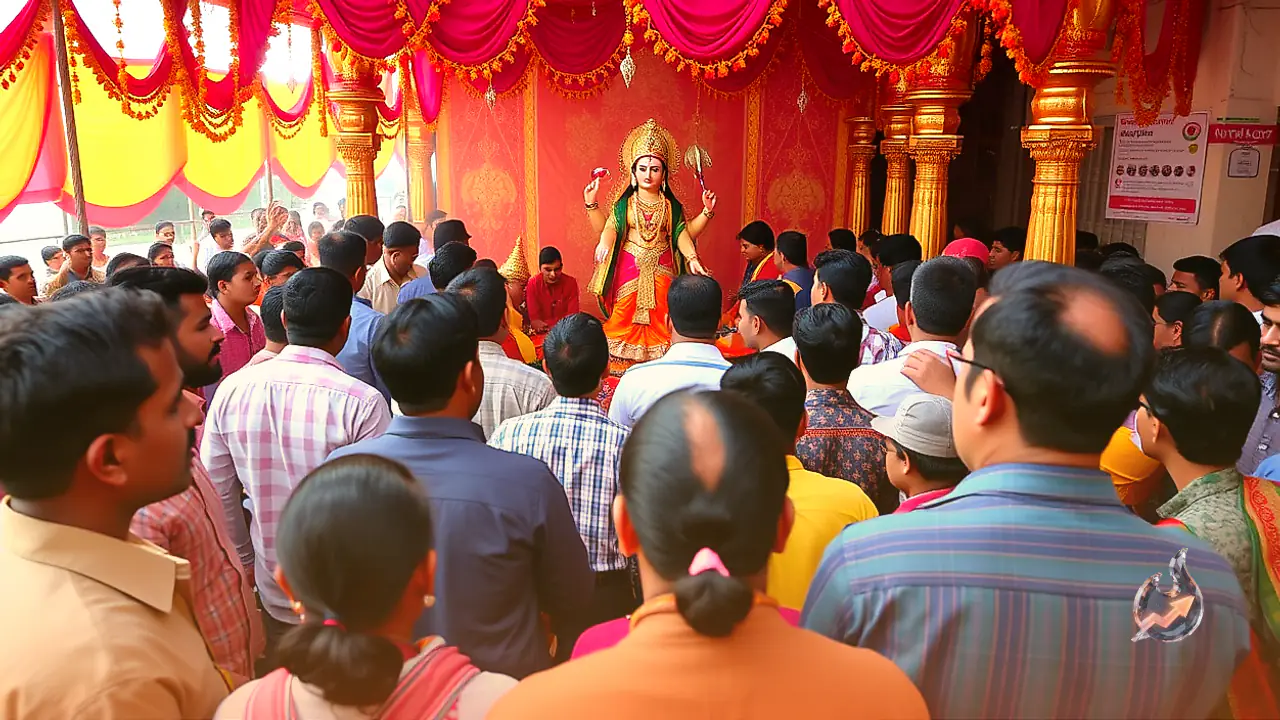
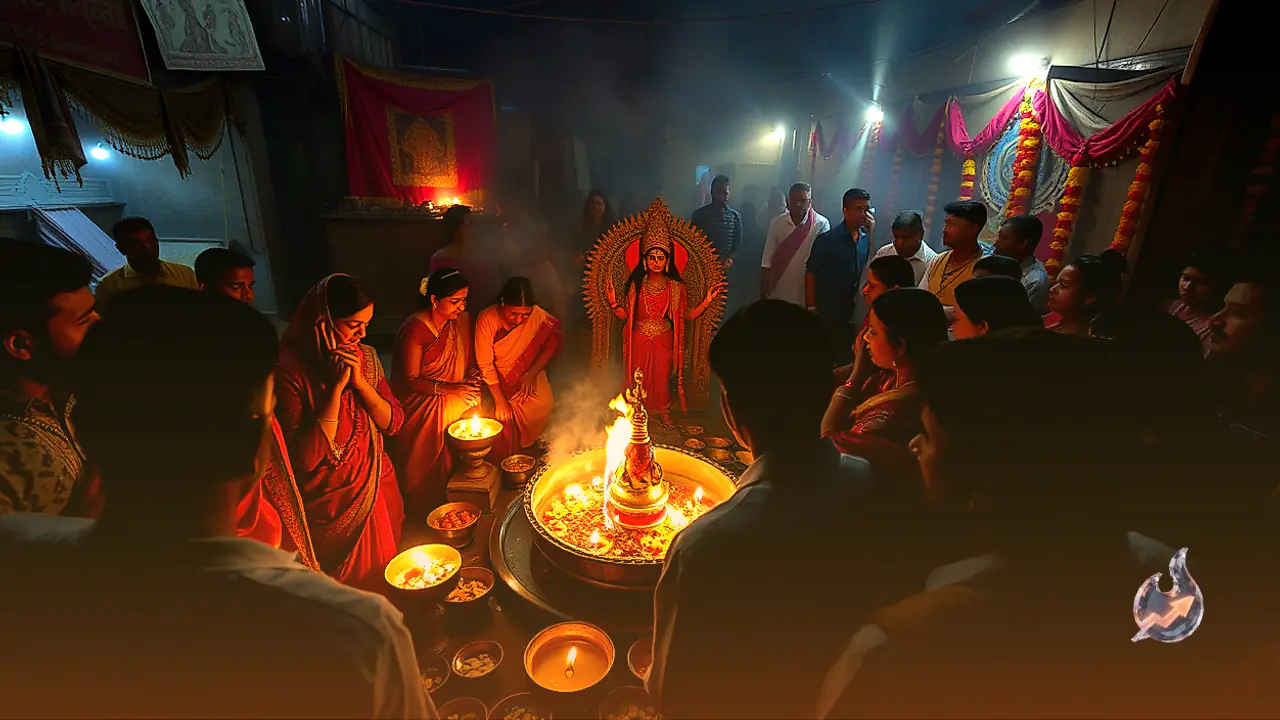
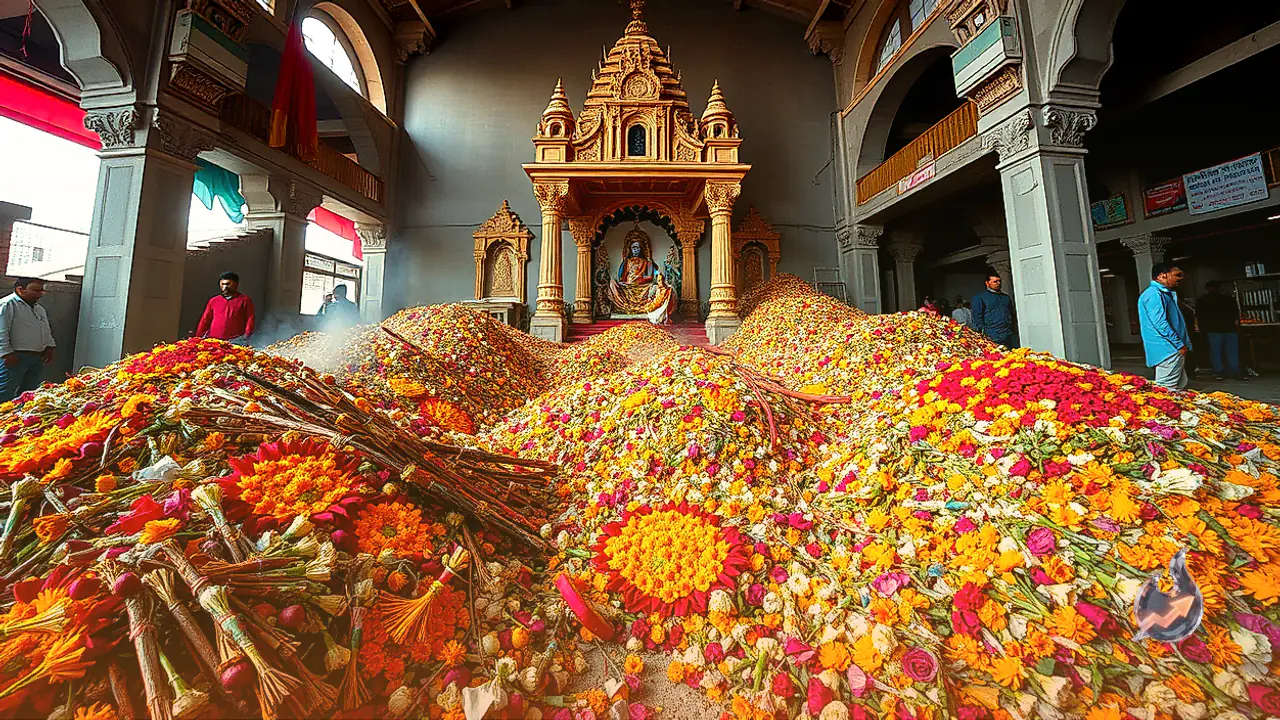
Local accounts indicate that the deity was originally enshrined within a small, modest structure known as a gumti. As faith in Bhomiya Ji Maharaj grew over time, community members came together to renovate and expand the site into a structured temple complex. Former Sarpanch Ramgopal Mittal noted that the temple has increasingly established itself on the map of religious tourism. Devotees visit the shrine throughout the year, while major festivals and religious gatherings attract thousands of pilgrims from across Rajasthan. Additionally, the scenic hill location has become a favored spot for nature enthusiasts seeking quietude amid green surroundings.