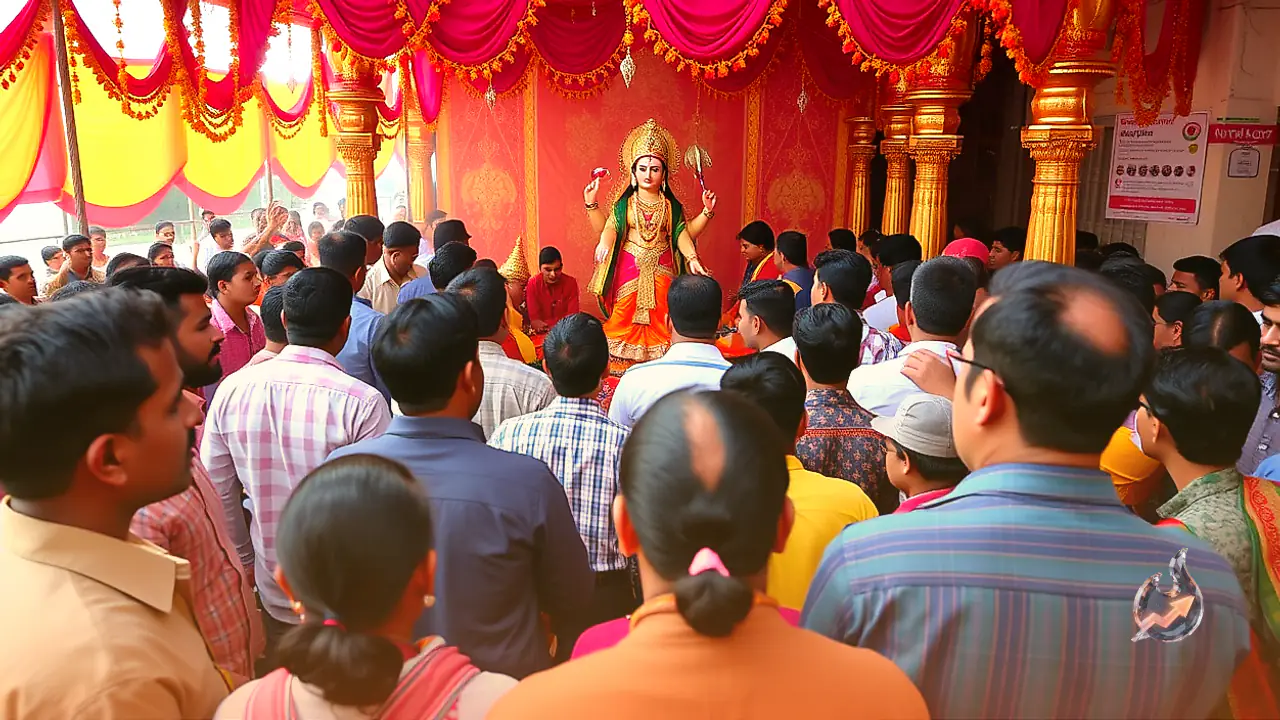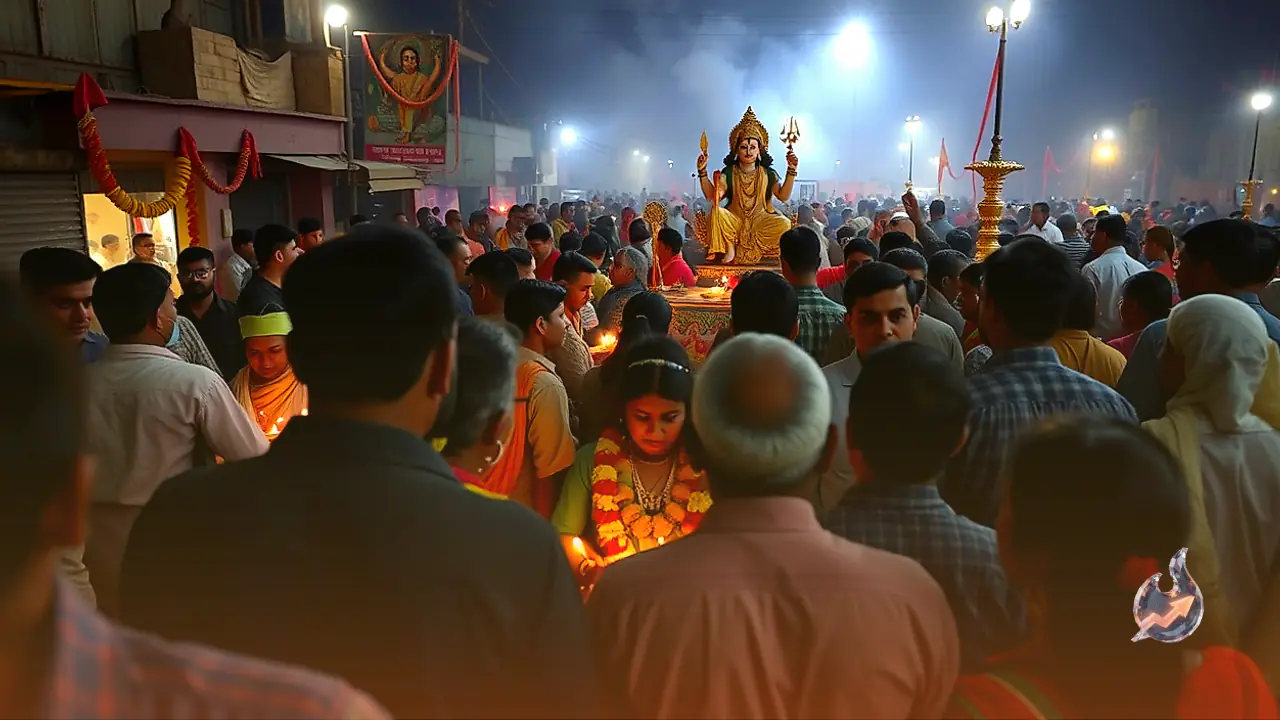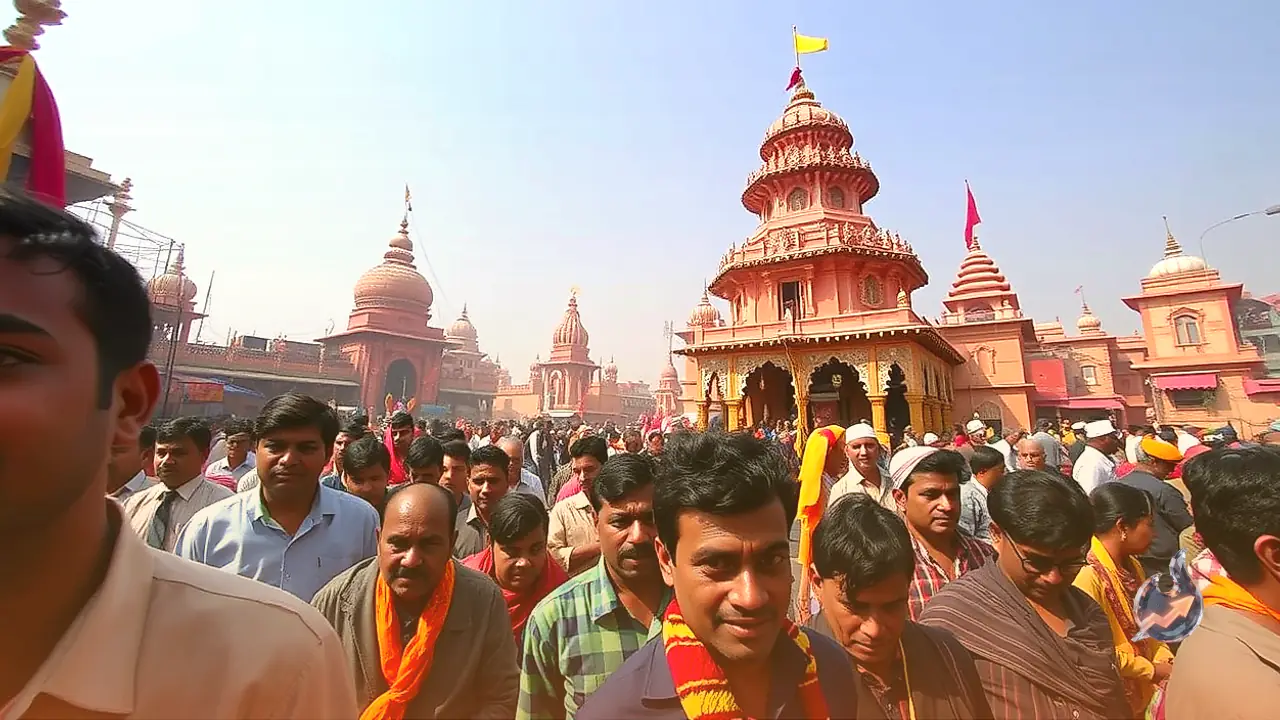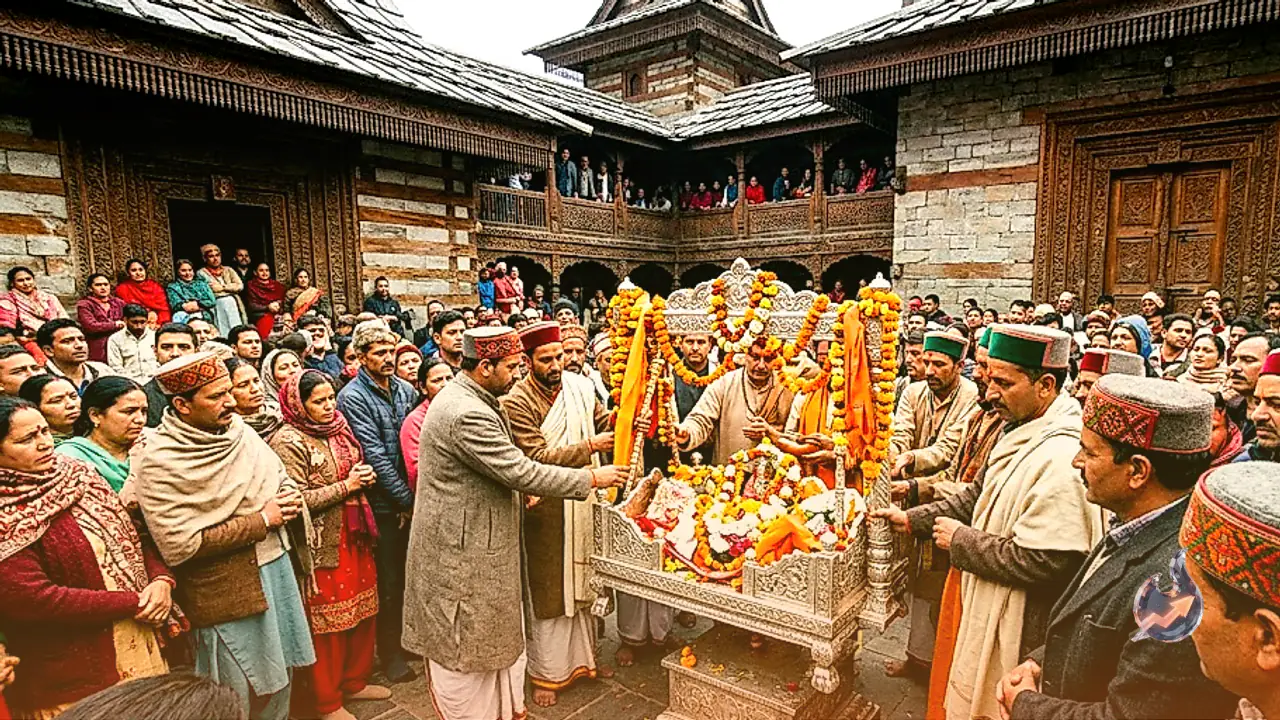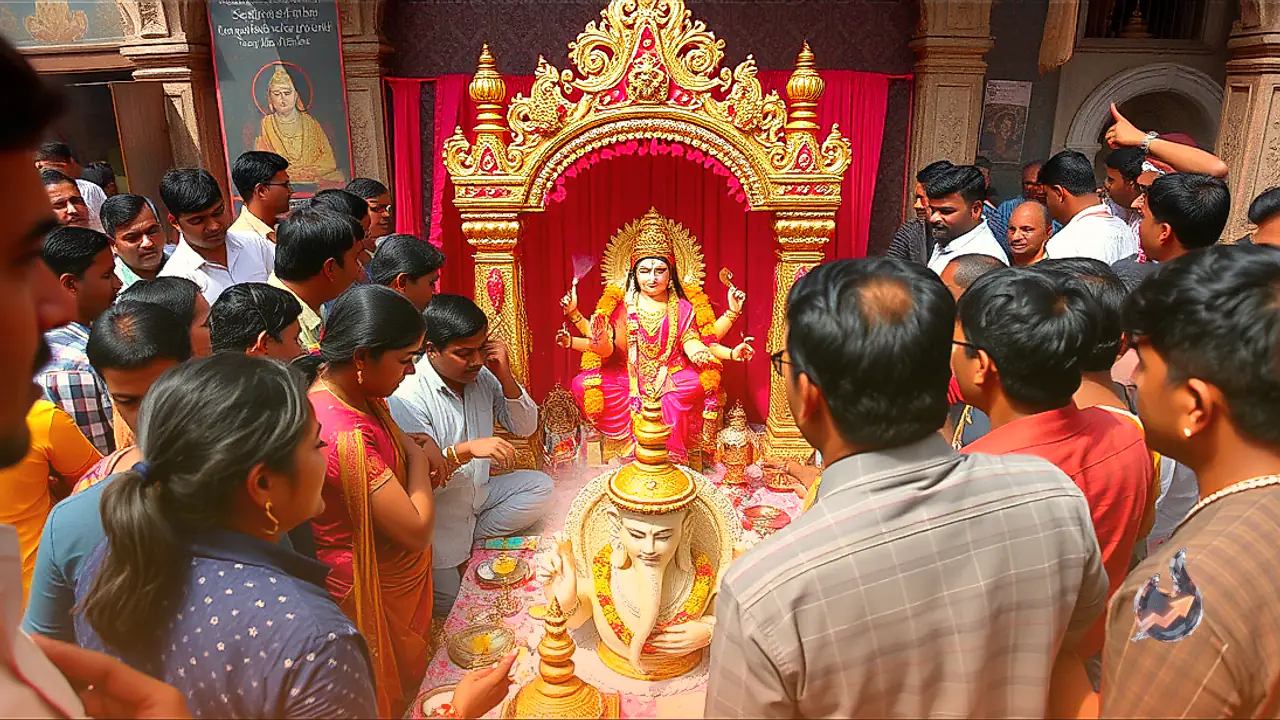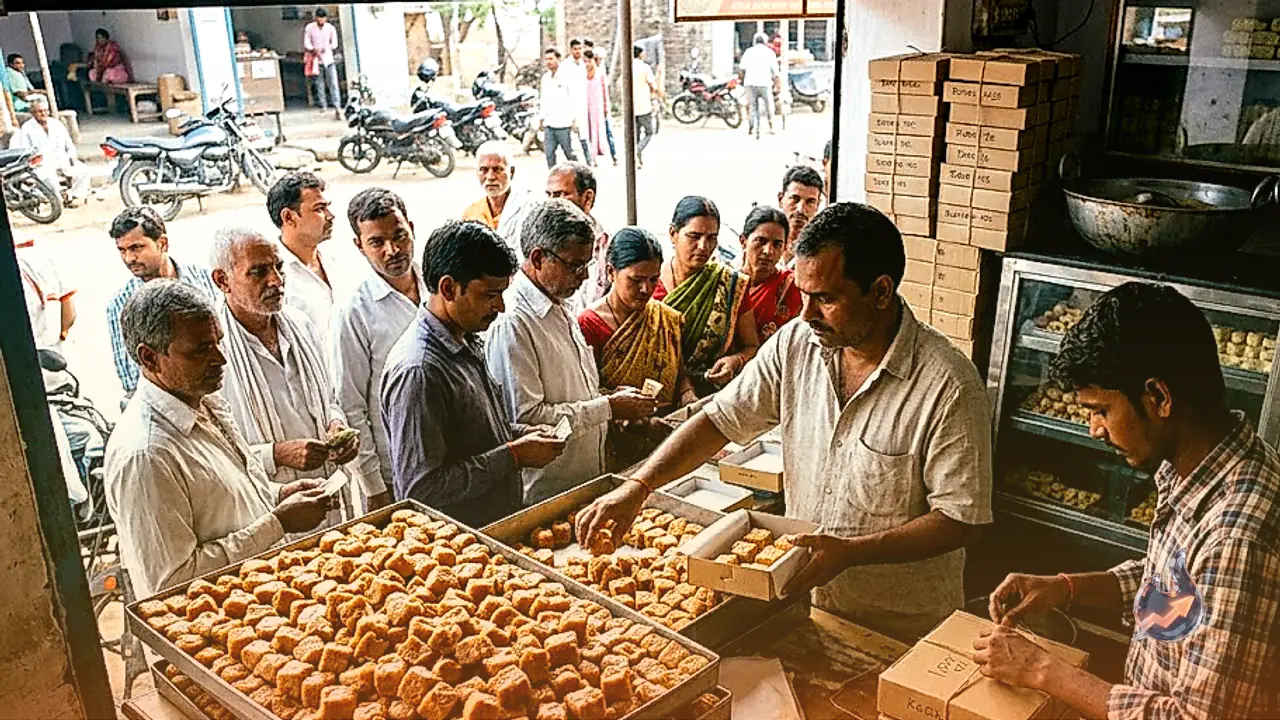















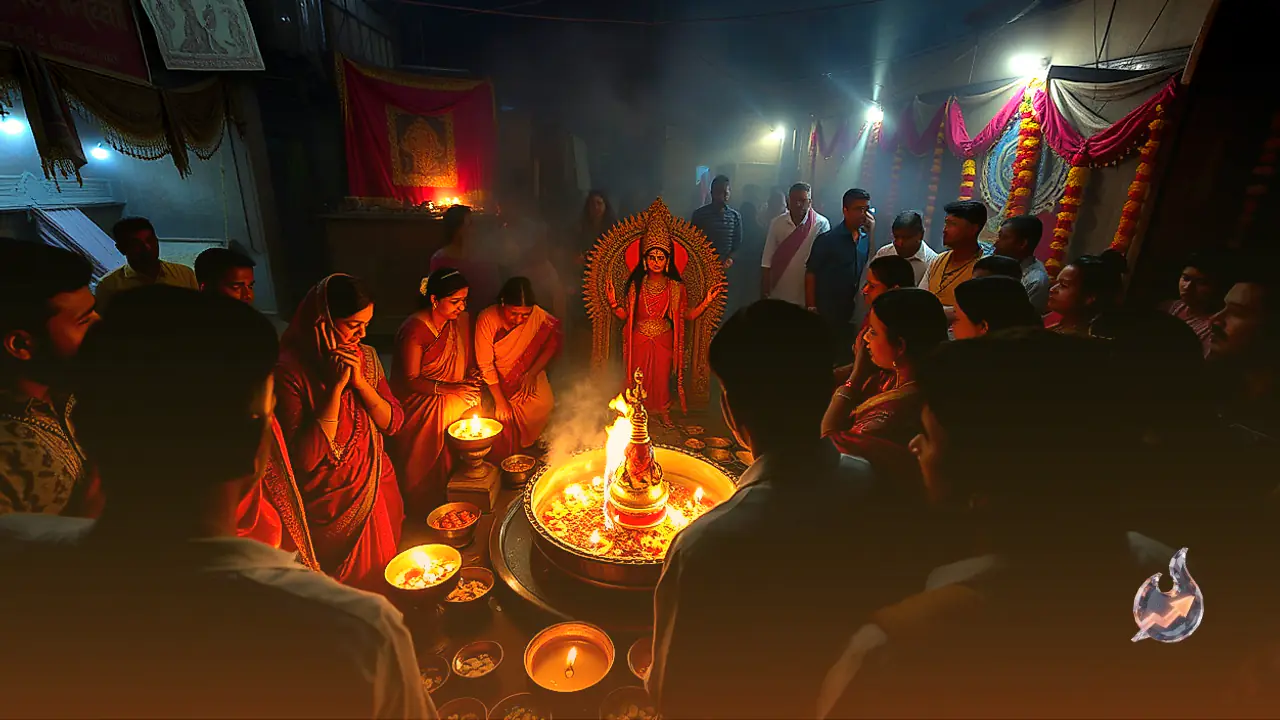

On the seventh day of Shardiya Navratri, falling on a Saturday, devotees across the nation engage in the sacred worship of Maa Kalaratri, the seventh manifestation of Goddess Durga. Performing the midnight ritual known as Nisha Puja holds profound spiritual significance for seeking the rare benevolence of both Maa Kalaratri and Mahakali. According to long-standing religious convictions, divine energy and cosmic power reach heightened intensity during the deep hours of the night. Worshippers believe that invoking the Goddess during this sacred window grants immense fortitude and spiritual protection. Within esoteric and Tantric traditions, this nocturnal period is considered uniquely auspicious for specialized sadhanas aimed at propitiating the fiercest and most formidable aspect of the Divine Mother.
The Symbolism of Time, Darkness, and Victory Over Evil
The observance of Navratri Saptami is consecrated to Goddess Kalaratri. Etymologically, 'Kala' denotes time as well as mortality, whereas 'Ratri' translates to absolute darkness. Worship directed toward this divine form is believed to obliterate deep-seated ignorance, inner dread, and malefic energies that afflict human consciousness. Ancient lore recounts how Maa Kalaratri decimated formidable demons, notably Raktabija and the duo Chanda-Munda. Worshipping the deity during this nocturnal phase is held to subdue adversaries and eliminate severe obstacles from a practitioner's path. Furthermore, Maa Kalaratri is intimately associated with the planetary deity of justice, Shani (Saturn). Devotees actively pray to her to alleviate severe astrological afflictions, hardships, and unfavorable influences linked with Saturn.
Four Hours of Midnight Sadhana in Nishitha Kaal
Scriptural customs stipulate that Nisha Puja is carried out in the stillness of midnight during Nishitha Kaal, with rituals traditionally spanning approximately 4 hours. Engaging in rigorous meditation and prayers at this time is believed to bestow psychological balance, immense bravery, and the awakening of the Sahasrara chakra. Iconographically, Maa Kalaratri is depicted with a fierce and awe-inspiring presence. She is visualized mounted on a donkey (gardabha), characterized by unkempt flowing locks and an outstretched tongue. Yet, despite this fearsome depiction, she remains fundamentally benevolent toward her genuine seekers, assuring welfare and protection, which earns her the auspicious title of 'Shubhankari'.
Offerings, Sacred Mantras, and Symbolic Sacrifice
The ritual offerings for Maa Kalaratri during Nisha Puja prominently feature night-blooming flowers, along with jaggery and delicacies prepared with jaggery. Practitioners also respectfully offer complete traditional cosmetic articles (shringar) to the Goddess. In specialized and Tantric rites, an integral element of Nisha Puja is the presentation of a symbolic, traditional sacrifice. Rather than involving living beings, this ritual utilizes ash gourd (petha), coconut, or other customary items to perform the symbolic offering. The theological core of this sacrifice is the total renunciation of negativity, ego, and destructive tendencies. Throughout the extended midnight ceremony, the revered seed mantra 'Om Aim Hreem Kleem Kalaratryai Namah' is chanted systematically to channel divine protection.
Celebrations Across Prominent Shrines and Shaktipeeths
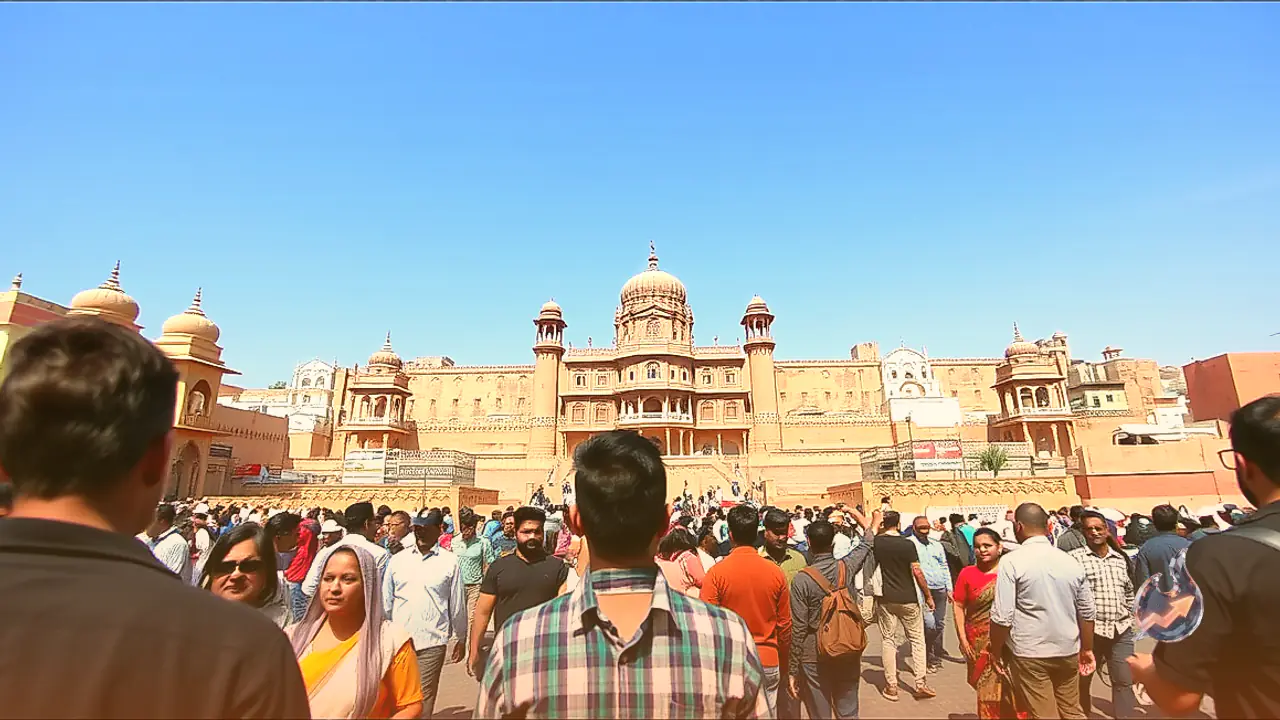
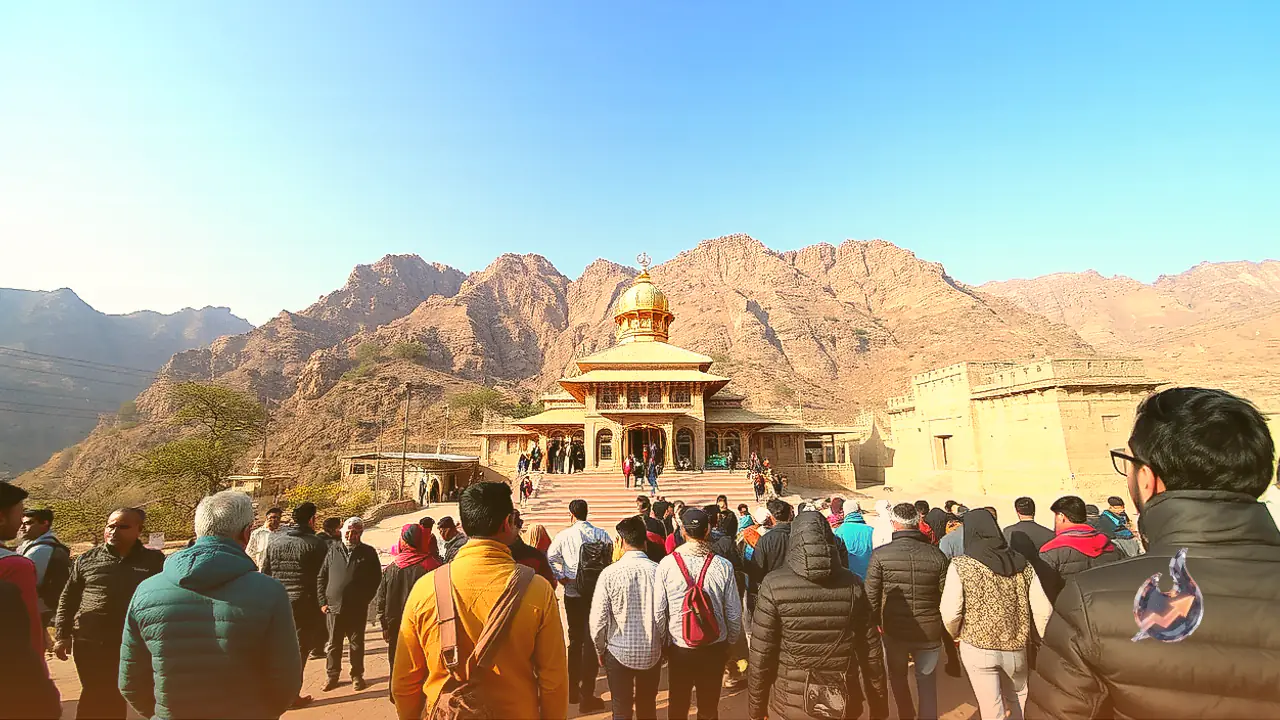
Nisha Puja is celebrated with solemn reverence across notable Shaktipeeths and sanctified shrines throughout India. In West Bengal, major observances take place at various Kalibari temples and the renowned pilgrimage center of Tarapith. Devotees also assemble in the northeast at the revered Kamakhya Temple in Assam and the Maa Tripureshwari Temple situated in Udaipur, Tripura. In Bihar, midnight ceremonies are conducted at the Thawe Bhawani Temple in Gopalganj, the Maa Mangla Gauri Temple in Gaya, both the Maa Koteshwari Devi Temple and the Baglamukhi Temple in Muzaffarpur, the Kali Bagh Temple in Bettiah, and the Jaidurga Temple in Madhubani. In Uttar Pradesh, ceremonies unfold at the Kaushiki Devi Temple in Gorakhpur and the Maa Keteshwari Devi Temple in Kushinagar. Similarly, in Rajasthan, the ancient Shila Mata Temple inside the Amer Fort in Jaipur preserves this grand nocturnal worship tradition.