


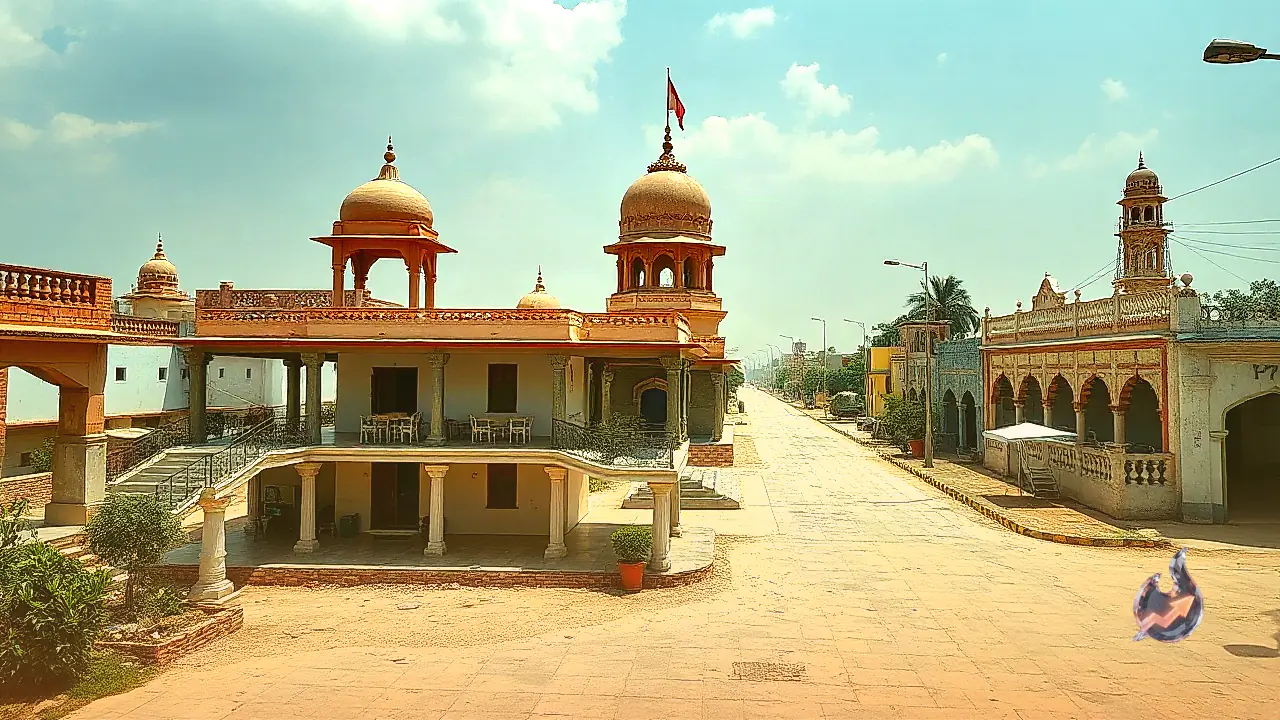
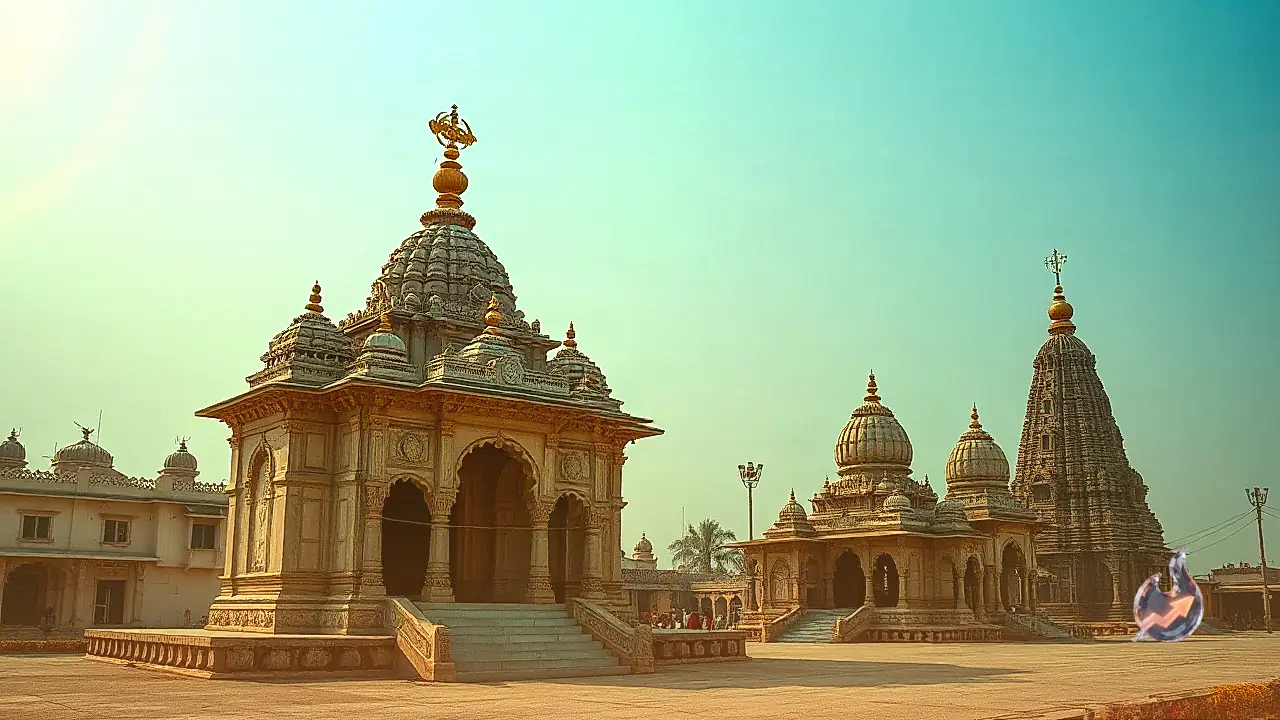
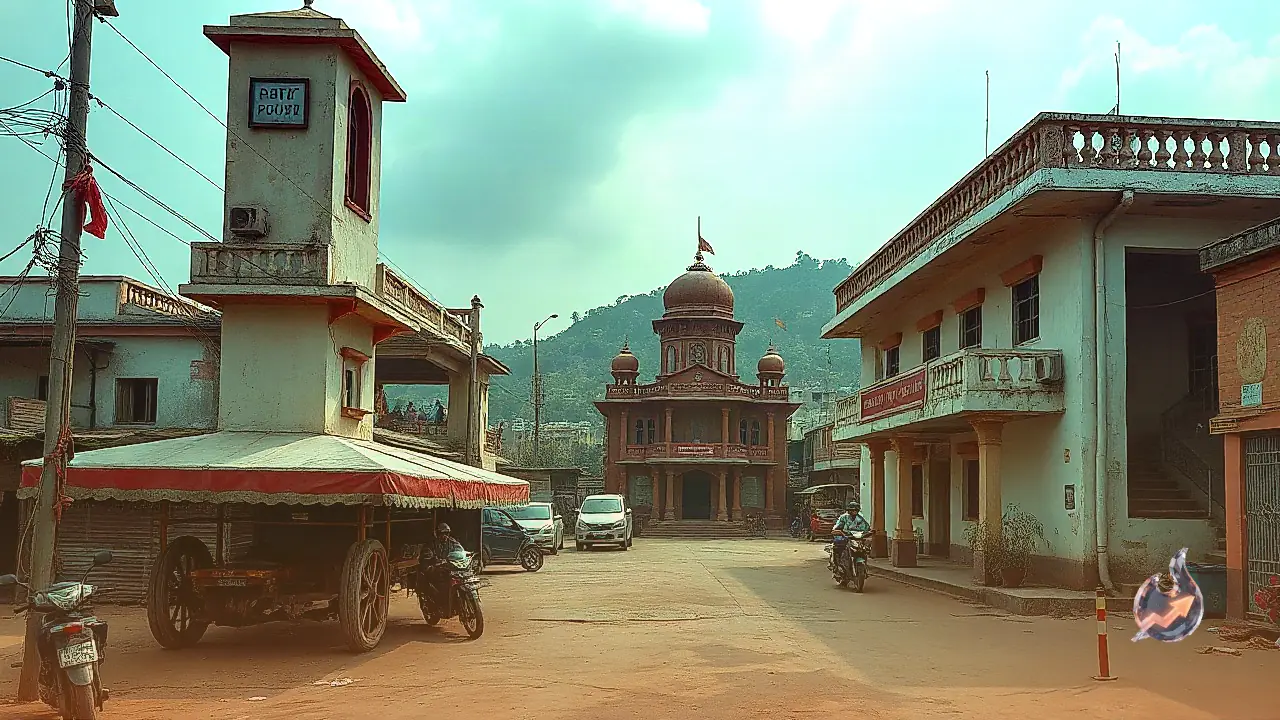
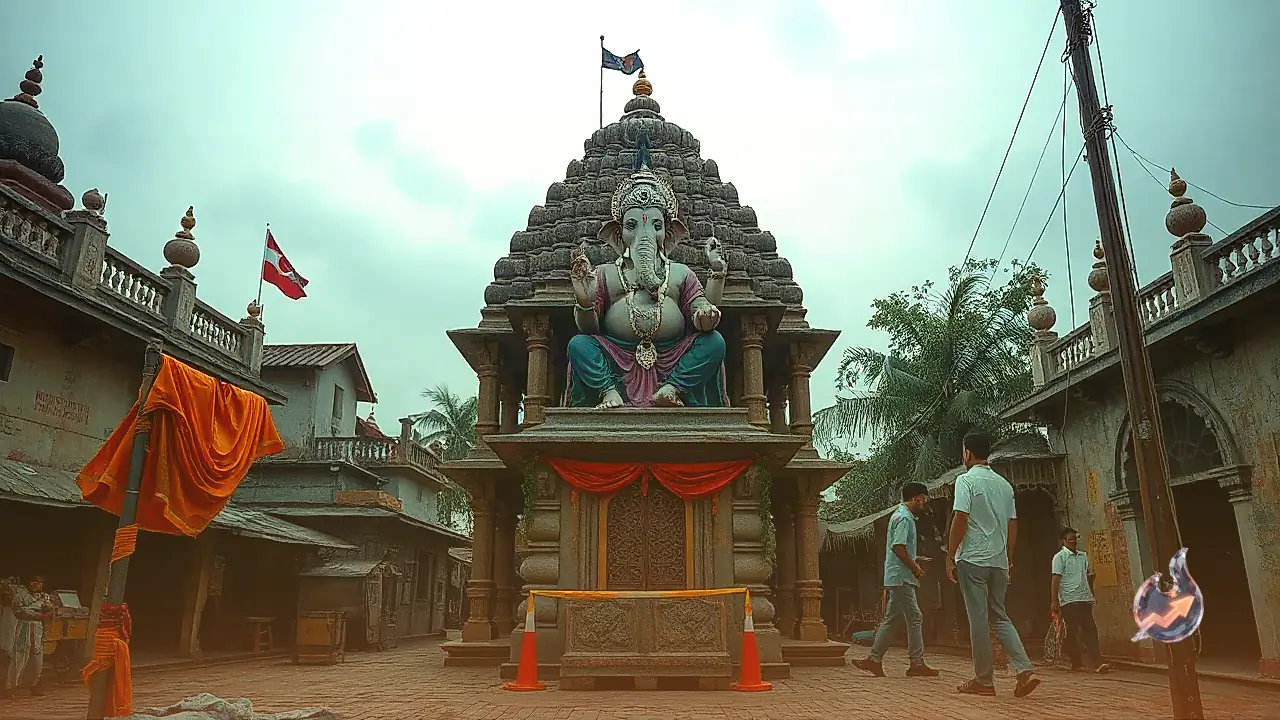














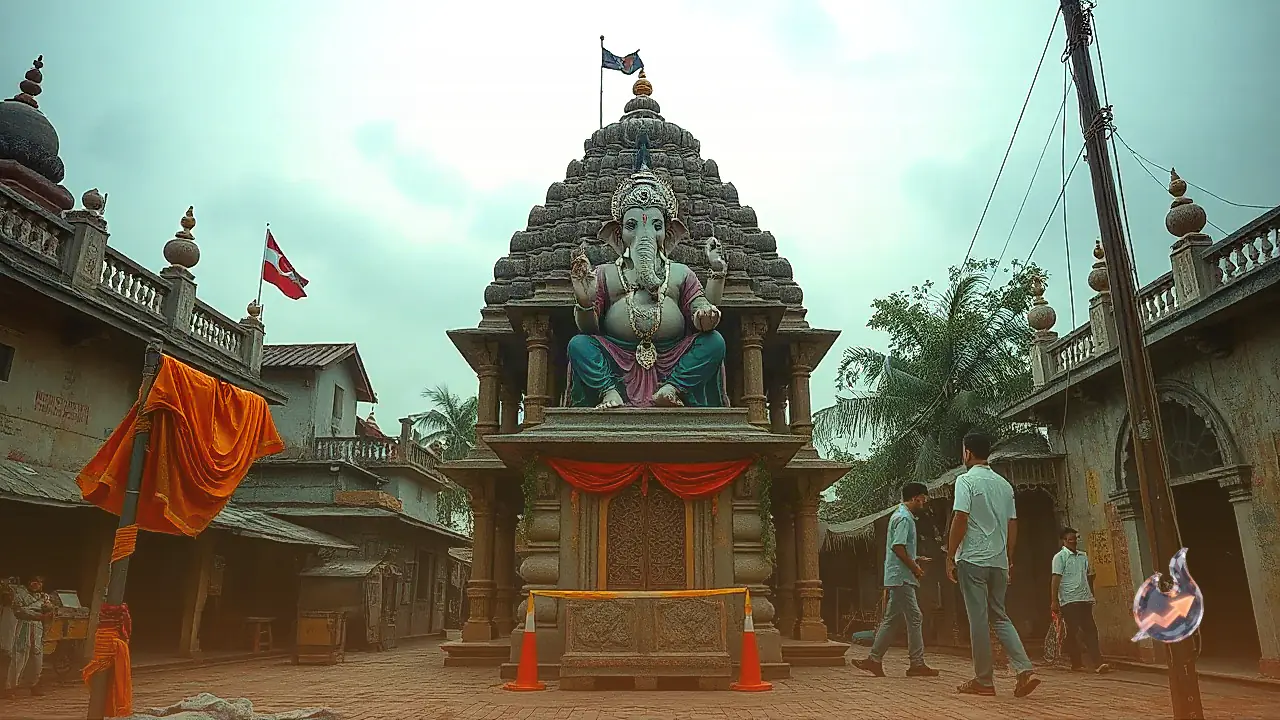

The historical city of Ghazipur in Uttar Pradesh is renowned not only for its grand Ganges ghats and old architecture, but also for the deep-rooted spiritual traditions preserved within its ancient neighborhoods. Near the well-known Chetnath Ghat lies an area locally remembered as Kot Kila. According to long-standing regional traditions, this locality was once the fortified stronghold of King Gadhi, the ancient ruler after whom the town was originally named Gadhipuri before evolving into its present name Ghazipur. Nestled within this historic Kot Kila precinct stands a deeply revered Ganesha temple that occupies a special place in the town's cultural and spiritual identity.
Historical Connection to King Gadhi and Kot Kila
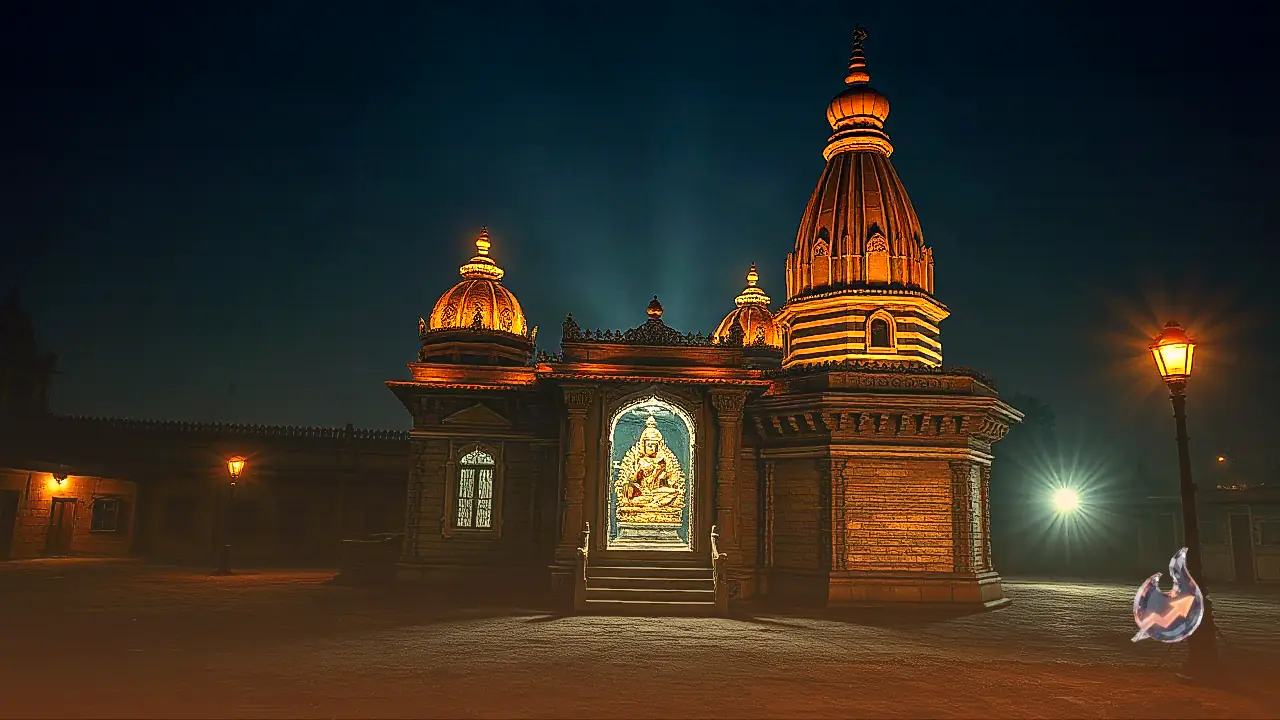
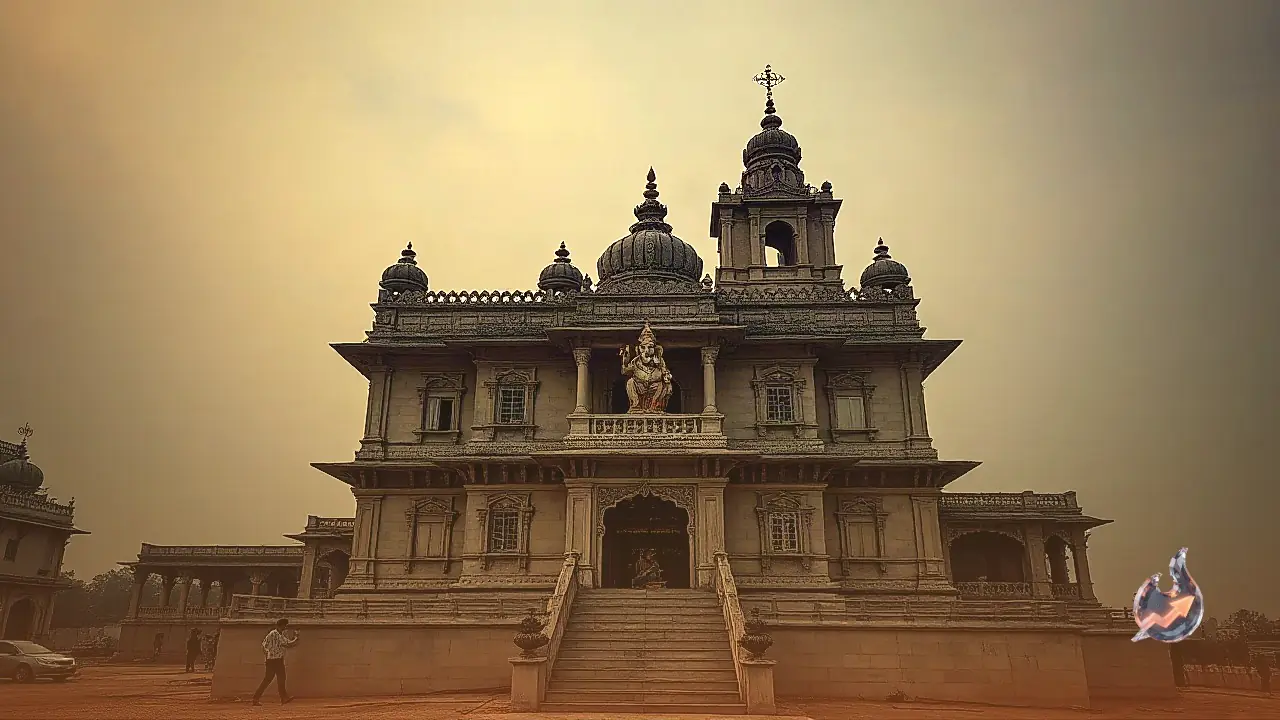
Tucked inside the narrow lanes of the Kot Kila area, this ancient Ganesha shrine attracts visitors due to its traditional architecture, serene atmosphere, and unique deity idol. Local residents and scholars of regional lore connect the temple's surroundings to the historic fort of King Gadhi. While formal archaeological records proving a direct timeline back to King Gadhi's era are not available, the connection remains firmly etched in oral histories and community memory passed down across generations. The temple is viewed by locals as a surviving symbol of the city's ancient roots.
Significance of the Dakshinavarti Ganesha Idol
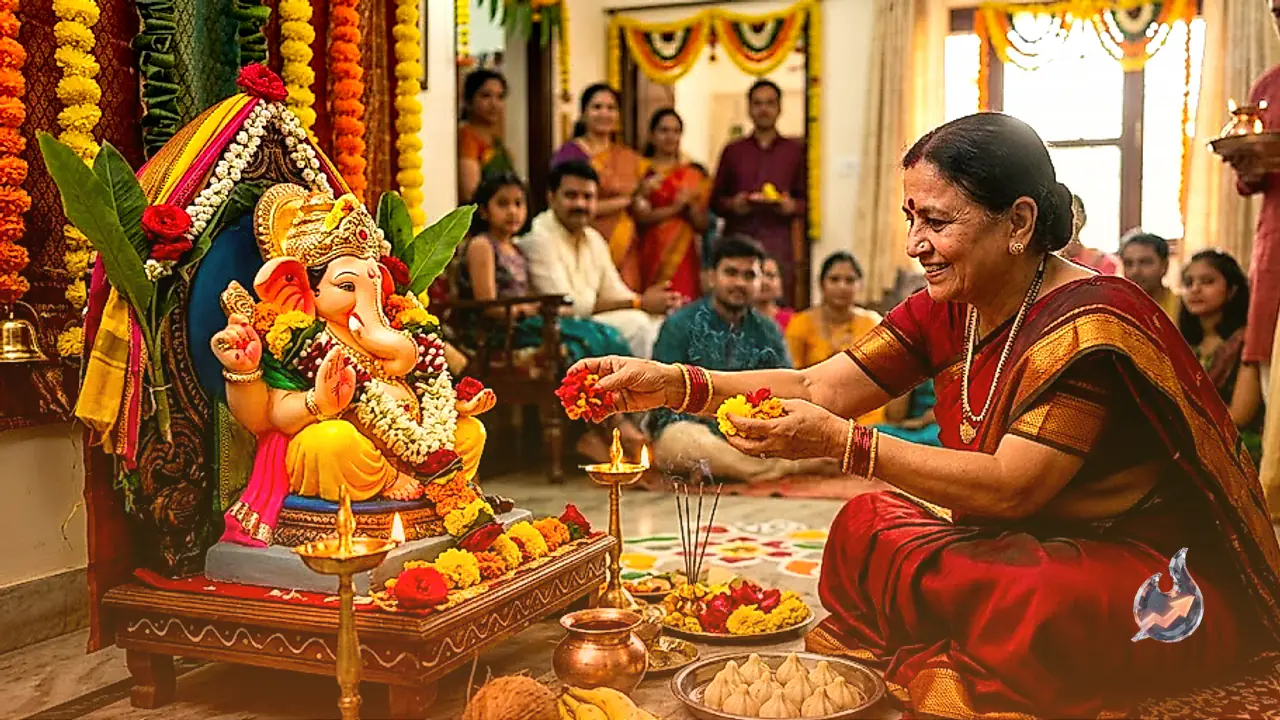
The central attraction of the shrine's sanctum sanctorum is the idol of Lord Ganesha itself. Unlike most idols where the trunk turns toward the left, the trunk of this sacred idol is distinctly curved toward the right, facing south. In Hindu iconography, an idol with a right-turned trunk is referred to as Dakshinavarti Ganesha. Religious traditions attribute profound spiritual energy and specific ritual practices to Dakshinavarti idols. For the local community, the rare orientation of the trunk signifies divine protection, inner tranquility, and deep spiritual sanctity.
Centuries of Faith and Weekly Devotional Traditions
Usha, a local resident associated with the daily upkeep of the temple, notes that the shrine carries a history spanning at least two hundred and fifty to three hundred years. Devotees visit the shrine daily, but Wednesdays witness a particularly large gathering of worshippers seeking blessings. During the sacred Hindu month of Magh, the influx of pilgrims increases significantly, with special prayers and chanting taking place throughout the month. Locals maintain an unshakeable faith that offering prayers at this ancient site brings immense mental peace and spiritual fulfillment.
Traditional Craftsmanship and Architectural Details
Manoj, a local resident who regularly offers prayers at the shrine, highlights how the structural details, artistic carvings, and vibrant wall paintings reflect the temple's antiquity. The entrance features intricate floral borders, colorful decorative panels, and traditional religious motifs. Inside the sanctum, the idol of Lord Ganesha is beautifully adorned in yellow garments and traditional ornaments. The interior floor displays classic black and white tiles, flanked by aged wooden doorframes and heavy brass bells that echo during morning and evening prayers, accentuating its historical charm.
A Living Symbol of Ghazipur's Cultural Heritage
The Kot Kila Ganesha temple is far more than a neighborhood place of worship; it serves as a living repository of Ghazipur's rich cultural history. Even in the absence of formal excavation documents, the temple continues to thrive on community faith and oral tradition. Positioned close to the banks of the Ganges, this three-century-old shrine highlights how ancient religious heritage remains vibrantly preserved within the historic quarters of northern India.