

















Celebrated on the auspicious Ashtami tithi of Bhadrapada Krishna Paksha under the Rohini Nakshatra, Krishna Janmashtami is a deeply revered festival across India. In the year 2026, this sacred date falls on Friday, September 4. Lord Krishna occupies a central position in Indian spiritual tradition and cultural heritage. Numerous grand temples dedicated to his life, divine plays, and eternal teachings are scattered across various states, holding immense religious significance. The uniqueness of these temples extends far beyond their architectural grandeur; they are deeply intertwined with ancient scriptural narratives, royal history, and rare rituals. On this festival of Janmashtami, let us journey through four renowned Krishna temples that represent the vibrant spiritual landscape of India.
Ananta Vasudeva Temple: Odisha's Sacred Kitchen and Ancient Heritage
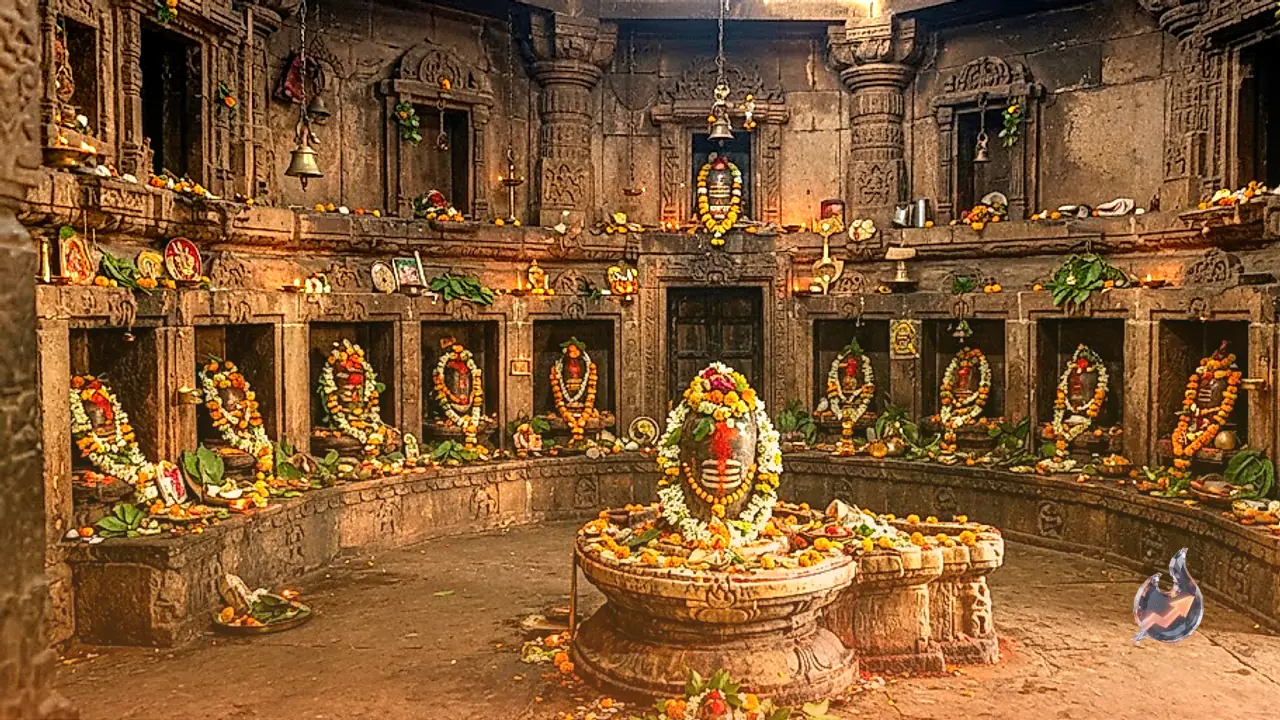
Situated near the sacred Bindu Sarovar and the famous Lingaraj Temple in Bhubaneswar, Odisha, the Ananta Vasudeva Temple is a major pillar of Vaishnava devotion. The sanctum sanctorum houses deities of Lord Krishna, Lord Ananta (Balarama), and Goddess Subhadra. One of the most remarkable features of this temple is its daily Mahaprasad. Following ancient traditions, the holy food offerings are cooked in unglazed earthenware pots over open fire stoves, attracting large numbers of devotees who gather to partake in the sanctified meal.
The current temple structure was constructed in the 13th century by Queen Chandrika Devi of the Eastern Ganga dynasty. However, long before her intervention, historical accounts and local traditions indicate that a shrine dedicated to Lord Vishnu had existed at the very same site. Later, in the second half of the 17th century, the Marathas, having expanded their dominion over Odisha (formerly known as Kalinga), undertook extensive restoration of the complex. During Janmashtami, the temple grounds come alive with vibrant festivities, illuminated by thousands of traditional oil lamps and adorned with elaborate floral decorations.
ISKCON Mayapur and the Grand Vedic Temple: Global Hub of Gaudiya Traditions
Located in the Nadia district of West Bengal, Mayapur serves as the spiritual headquarters of the Gaudiya Vaishnava lineage. In the 15th century, Chaitanya Mahaprabhu launched the transformative 'Sankirtan Movement' from this very region, spreading the congregational chanting of the Hare Krishna Mahamantra across the subcontinent and eventually the globe.
In modern times, Mayapur has attained international fame as the site of the world's largest Vedic temple complex, currently nearing completion. Known as the Temple of the Vedic Planetarium, this monumental structure represents the fulfilled vision of Srila Prabhupada, the founder-acharya of ISKCON. He envisioned Mayapur as a global sanctuary where seekers from all walks of life could experience Vedic wisdom and devotional culture. Janmashtami celebrations here draw thousands of international pilgrims for round-the-clock kirtans and cultural pageantry.
Gupt Vrindavan Navadvipa Dham: The Holy Birthplace of Chaitanya Mahaprabhu
Also situated in the Nadia district of West Bengal, Navadvipa Dham occupies a golden chapter in the history of Indian devotional movements. On the auspicious day of Phalgun Purnima in 1486, Chaitanya Mahaprabhu was born in Navadvipa. According to sacred Gaudiya texts, Navadvipa is reverently called 'Gupt Vrindavan' (the Hidden Vrindavan). Scriptural traditions maintain that Lord Krishna reincarnated as Chaitanya Mahaprabhu specifically to taste the sublime devotional mood of Radha Rani and experience the supreme bliss of a devotee.
Mahaprabhu pioneered public street chanting, leading processions through the thoroughfares of Navadvipa accompanied by the rhythmic beats of the mridanga drum and the clash of kartal cymbals. At the young age of 24, he accepted ascetic vows (sannyasa) from Keshava Bharati at Katwa, after which he was named 'Krishna Chaitanya'. His departure from household life plunged the entire region of Nadia into profound grief. The poignant tales of devotion and separation borne by his wife Vishnupriya and mother Shachi Devi remain immortalized in regional folklore and historical songs.
Dwarakadheesh Gopal Temple Ujjain: Historic Silver Doors and the Harihar Reunion
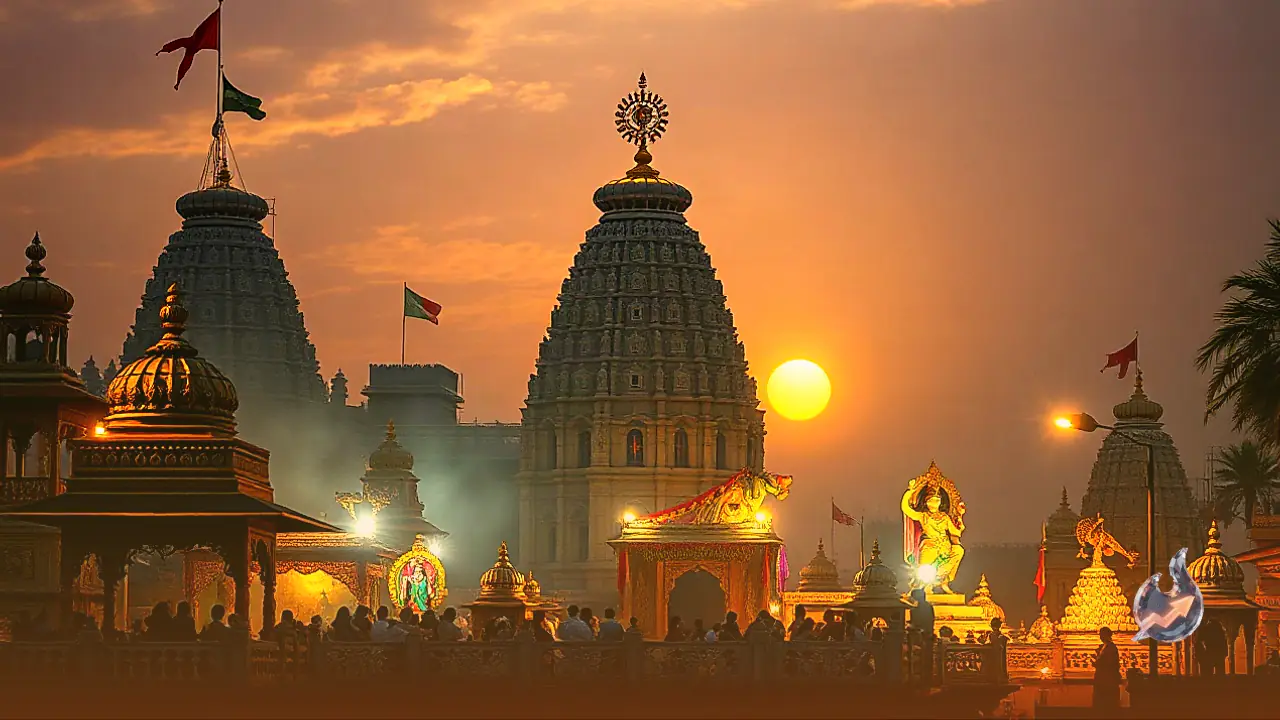
Located in the holy city of Ujjain, Madhya Pradesh, the Dwarakadheesh Gopal Temple is celebrated nationwide for its striking Maratha architecture and legendary silver-plated doors. The temple was built in the 19th century by Queen Baijabai Shinde, the wife of Maratha ruler Daulatrao Scindia. Originally held as private property of the Scindia royal family, the complex was subsequently established as a public shrine dedicated to Lord Krishna, standing today as a monument of faith, history, and craftsmanship.
A sacred and unusual ritual connected to this shrine is known as 'Harihar Parv'. According to tradition, once a year during Janmashtami or associated festival nights, the royal grand procession (sawari) of Lord Mahakal (Shiva) makes a midnight journey to the Gopal Temple. Local belief holds that this event marks the divine union of Hari (Lord Krishna/Vishnu) and Har (Lord Shiva). Upon the procession's arrival, joint worship and elaborate midnight ceremonies continue for hours, attracting dense crowds of worshippers eager to witness this rare inter-sectarian harmony.