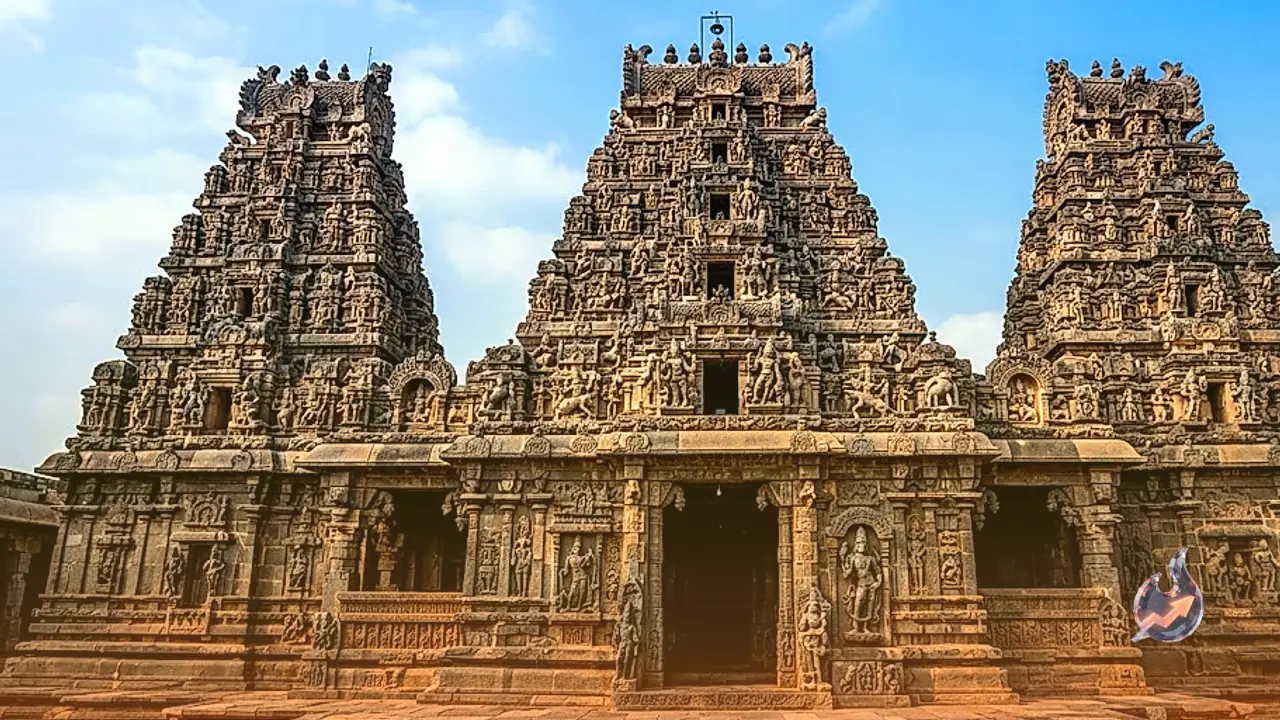
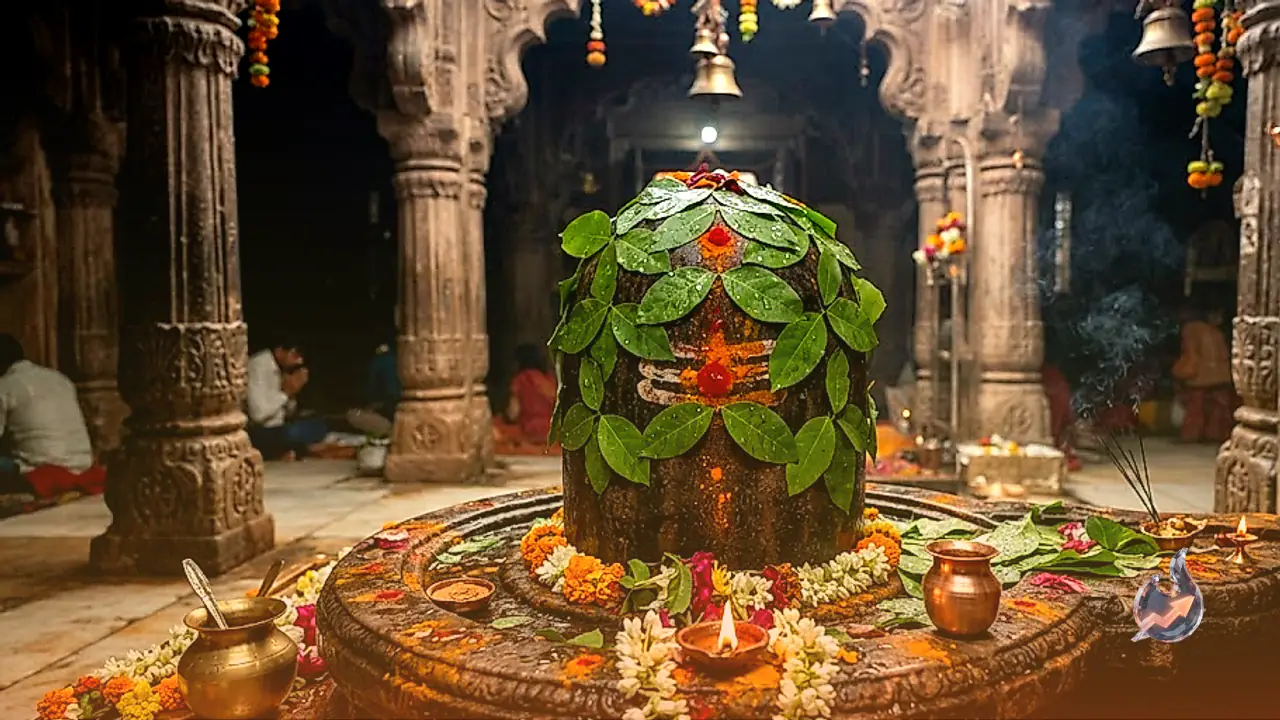




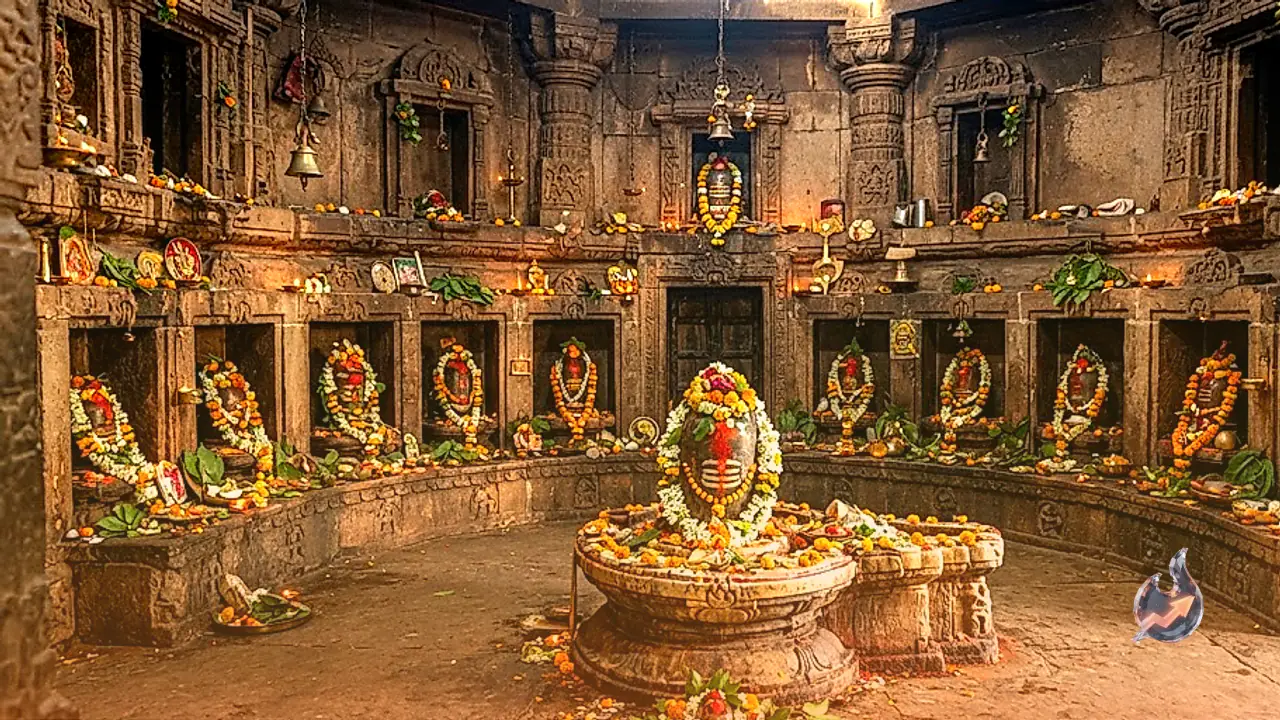

















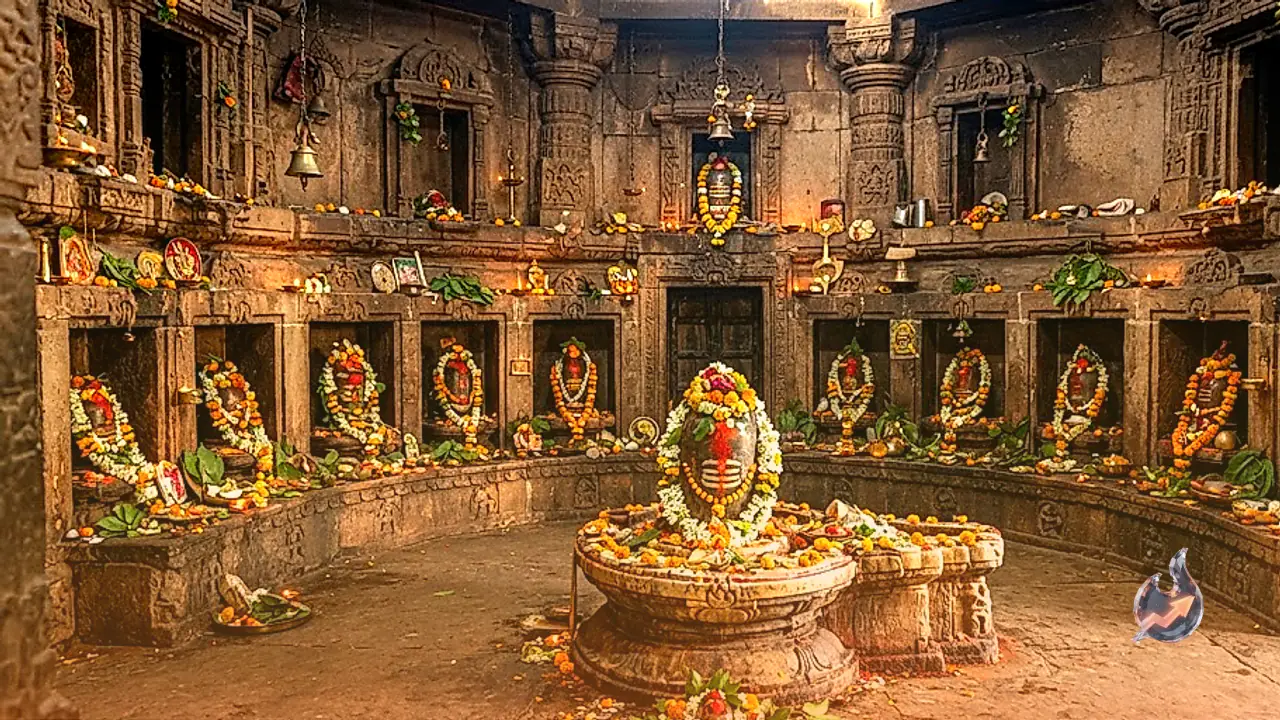

A remarkable and ancient temple located in the Farrukhabad district of Uttar Pradesh has become a major center of faith and devotion for pilgrims. The most distinctive feature of this sacred site is that devotees can catch a glimpse of all twelve divine Jyotirlingas of Lord Shiva in a single location. This revered temple is renowned not only for its spiritual ambiance but also because its history is directly intertwined with the legendary events of the Mahabharata. Often celebrated as a mini Kashi, the city of Farrukhabad witnesses millions of devotees arriving during the holy month of Shravan to worship Lord Shiva.
According to the temple head priest Umesh Sharma, this historical shrine was established during the period when the Pandavas were wandering through forests during their exile. At that time, the surrounding area was heavily forested and featured a settlement of potters nearby. Mata Kunti and her sons, the Pandavas, stayed at this very location. Mata Kunti instructed her sons to install a sacred Shivling at the site. The Shivling brought by Yudhishthira was duly consecrated under the guidance of Rishi Dhaumya, and this hallowed ground eventually came to be known as Pandeshwar Nath.
The historical significance of the temple is deeply rooted in the installation of these Shivlings by the Pandavas during the epic era. Centuries ago, long before the modern city of Farrukhabad was founded, the Pandavas had established these divine Shiva Jyotirlingas on a raised platform near an ancient peepal tree in the wilderness. Locals who dedicate their time to the temple's service note that their families have been devoted to this shrine for generations. Anshukh, a caretaker at the temple, shares that his grandparents also served the deity here, and he now continues the tradition of worshiping Lord Shiva with utmost devotion.
The spiritual vibrancy of the temple peaks during the holy month of Shravan, transforming the atmosphere completely. Priest Umesh Sharma highlights that this year's Shravan holds special significance as both the opening and closing days commence and conclude with elaborate special rituals. Thousands of devotees begin thronging the temple premises throughout the Shravan season. As early as 4:30 in the morning, worshippers start arriving to form queues, eager to catch an early glimpse of the deity and offer their prayers.
Historical lore indicates that King Drupad's fort and the ashram of Rishi Dhaumya were once situated near the banks of the Ganges River, where the Pandavas spent a considerable amount of time. Three ancient wells in the vicinity fulfilled their daily water requirements during their stay. Continuing this age-old tradition, people from the surrounding region still fetch holy water from the Ganges and carry it to the Pandeshwar Nath Temple to perform Rudrabhishek. According to local belief and deep-seated faith, all sincere wishes of devotees who visit this temple are invariably fulfilled.