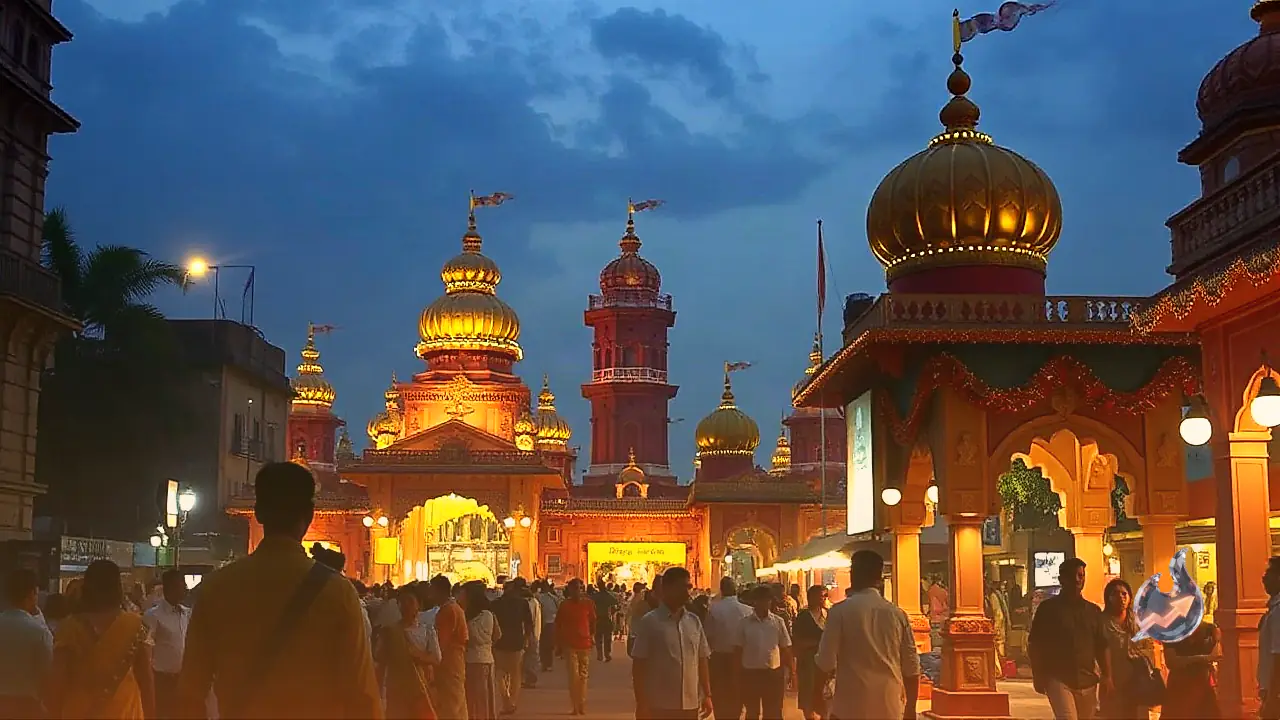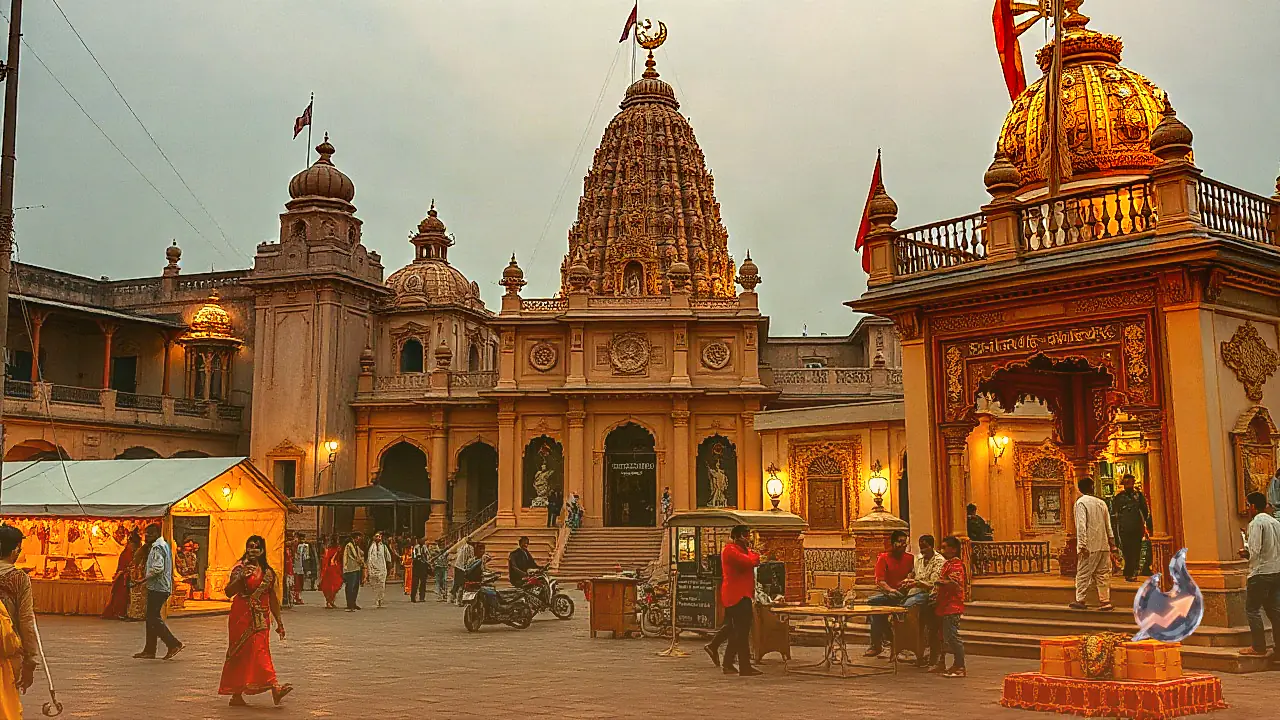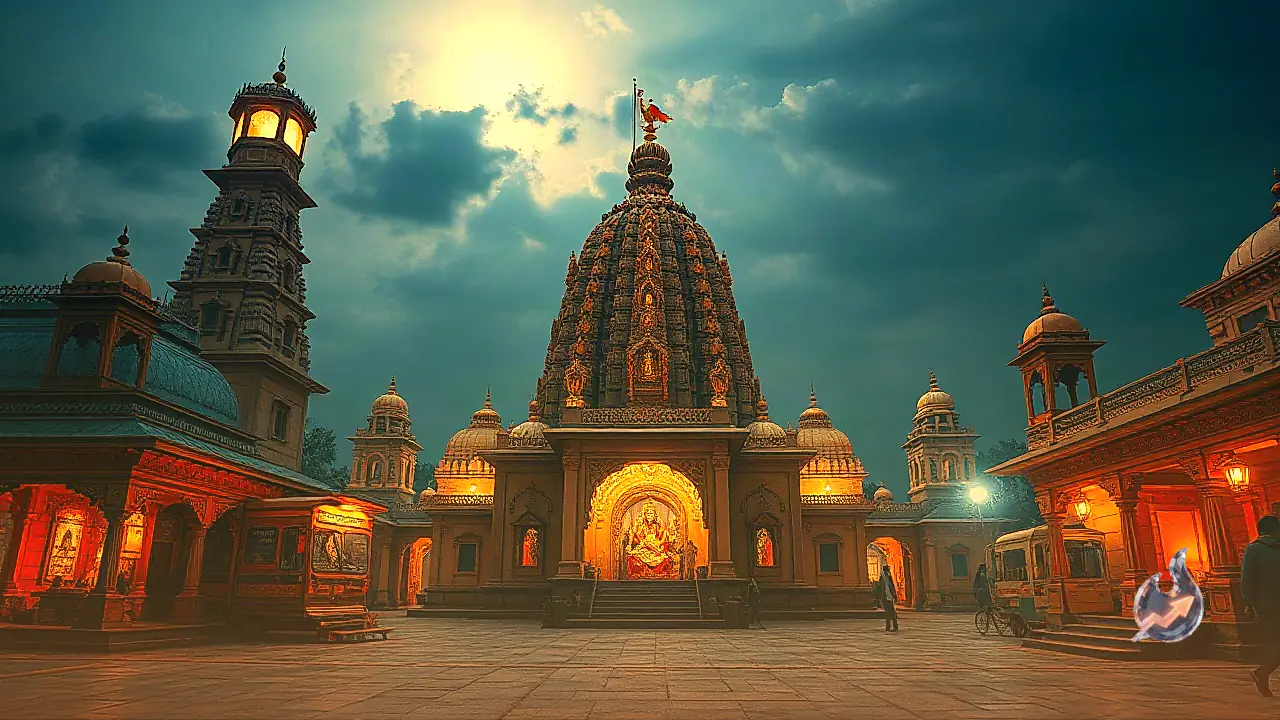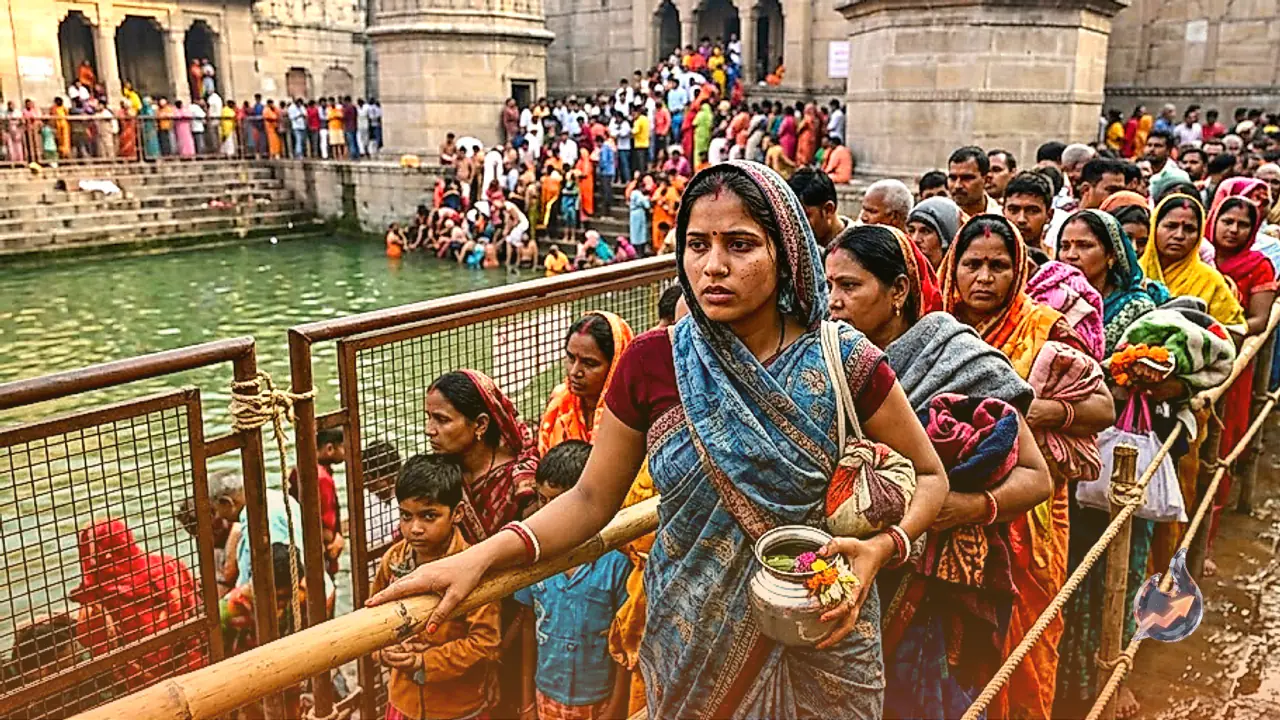



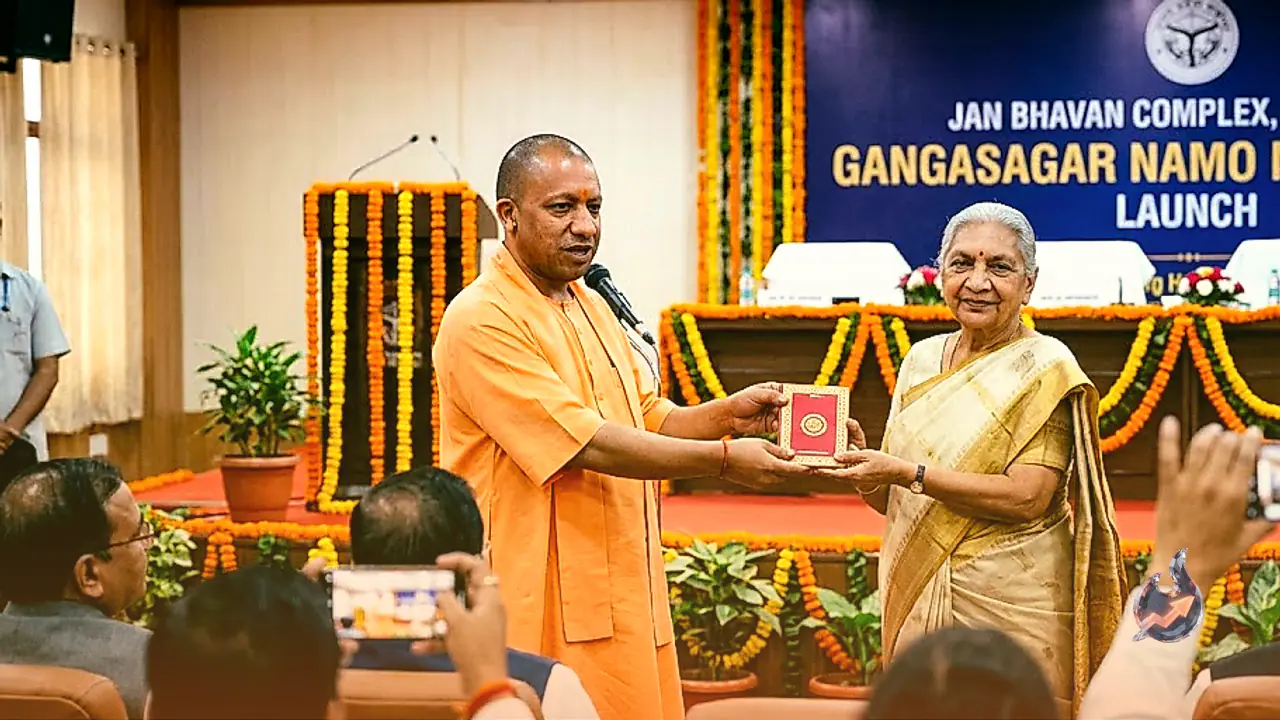














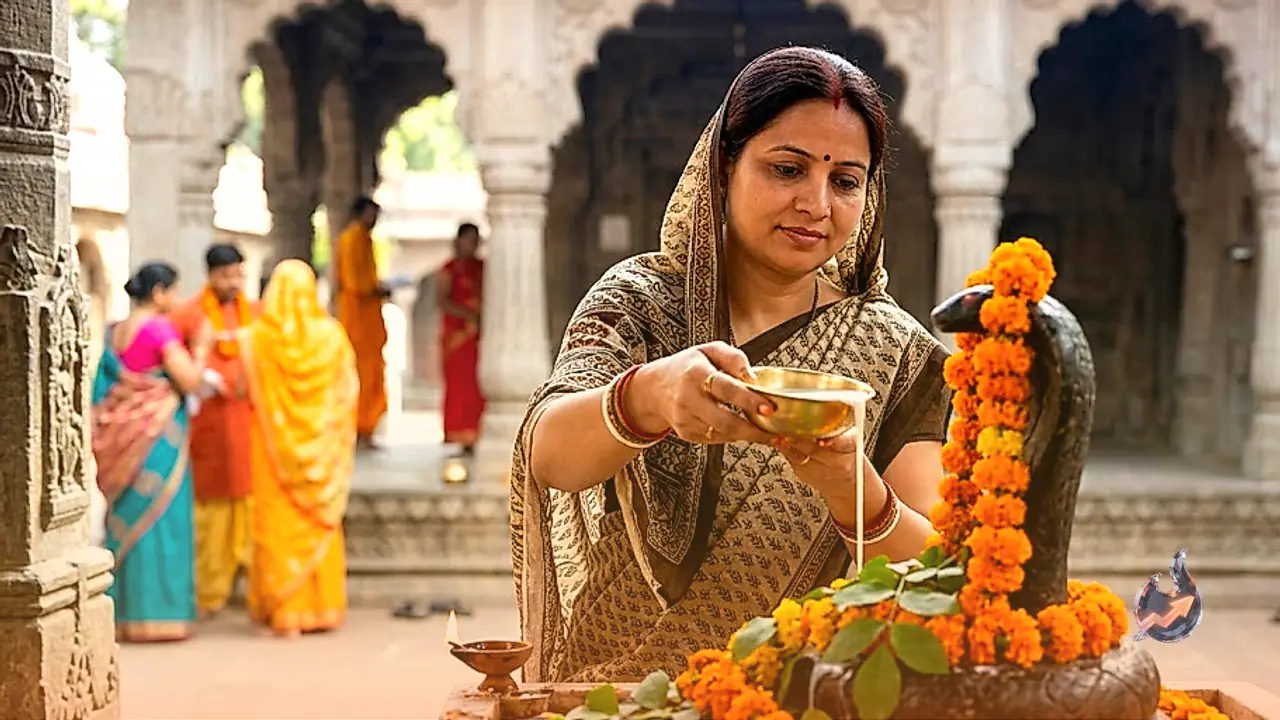

The holy month of Sawan is considered the most auspicious period of the year for worshipping Lord Shiva and Goddess Parvati. Devotees across the country observe fasts, offer prayers, and perform rituals like Rudrabhishek and Jalabhishek using water, milk, curd, honey, and belpatra to seek the divine blessings of Lord Shiva. While most people are familiar with the traditional Sawan Monday fasts, the holy month also includes several other powerful religious observances. These include the 16 Somvar Vrat, Mangla Gauri Vrat, Pradosh Vrat, Sawan Shivratri, and Nag Panchami. Observing these rites according to religious traditions is believed to neutralize planetary afflictions and alleviate life's struggles.
Significance and Dates of Sawan Monday Fasts
Every Monday during the month of Sawan is dedicated to the special worship of Lord Shiva. This year, four Sawan Monday fasts will be observed. The first Monday fast falls on August 3, followed by the second on August 10. The third Monday fast will take place on August 17, while the fourth and final Monday fast will occur on August 24. Religious tradition dictates that offering water, milk, curd, honey, and belpatra to the Shivling while fasting pleases Lord Shiva swiftly. This fast symbolizes health, prosperity, peace, and the fulfillment of deep desires. Unmarried individuals also observe this fast with pure devotion to pray for a suitable life partner.
Religious Importance of 16 Somvar Vrat
According to the Shiv Puran, observing sixteen consecutive Monday fasts, known as the 16 Somvar Vrat, brings immense spiritual merit. Devotees who strictly follow the fasting rules and perform ritual offerings of water, milk, belpatra, dhatura, and bhang on the Shivling earn the divine grace of Lord Shiva. This observance is undertaken to ensure marital bliss, find an ideal spouse, gain the joy of parenthood, maintain good health, and attract financial well-being. Sincere devotion during the 16 Somvar Vrat is believed to remove obstacles and guide the practitioner toward mental clarity and spiritual growth.
Marital Blessings through Mangla Gauri Vrat
Just as Mondays in Sawan are devoted to Lord Shiva, Tuesdays are dedicated to Goddess Parvati through the ritual fast known as Mangla Gauri Vrat. Four Mangla Gauri fasts will take place during this Sawan season. The first Mangla Gauri Vrat falls on August 4, the second on August 11, the third on August 18, and the fourth on August 25. Married women observe this fast to pray for the longevity of their marriage, harmony in family life, and overall prosperity. Unmarried women also participate in worshipping Goddess Gauri with sincere devotion to seek a desirable life partner.
Spiritual Merits of Sawan Pradosh Vrat
The twilight hour of the Trayodashi date in both fortnights of a lunar month is known as Pradosh Kaal, and the fast kept on this occasion is called Pradosh Vrat. Observing Pradosh Vrat during the month of Sawan holds exceptional spiritual significance. This Sawan, two Pradosh Vrats will be observed, falling on August 10 and August 25. Performing joint rituals for Lord Shiva and Goddess Parvati on these evenings helps cleanse past sins and brings happiness, serenity, and wealth. The Shiv Puran states that if someone cannot keep Pradosh fasts throughout the year, keeping them during Sawan grants equivalent spiritual benefits.
Four-Pahar Worship on Sawan Shivratri
Sawan Shivratri, celebrated on the Chaturdashi date of the Krishna Paksha in the month of Sawan, is considered exceptionally sacred. This year, the Sawan Shivratri fast will be observed on August 11. On this day, devotees maintain a complete fast, stay awake through the night, recite the Mahamrityunjaya Mantra, and offer special prayers to the Shivling. A core aspect of Sawan Shivratri is performing ritual worship across all four pahars (quarters) of the night. Sincere prayers offered during Sawan Shivratri are believed to grant Lord Shiva's immediate blessings, peace, and spiritual advancement.
Relief from Kalsarp Dosh on Nag Panchami
Nag Panchami is celebrated on the Panchami date of the Shukla Paksha in Sawan. Because serpents adorn the neck of Lord Shiva, Nag Devta is worshipped alongside Lord Shiva on this day. This year, Nag Panchami falls on August 17. Religious beliefs suggest that worshipping on Nag Panchami protects individuals from Kalsarp Dosh, fear, and negative energies, while fostering lasting prosperity and harmony within the household.