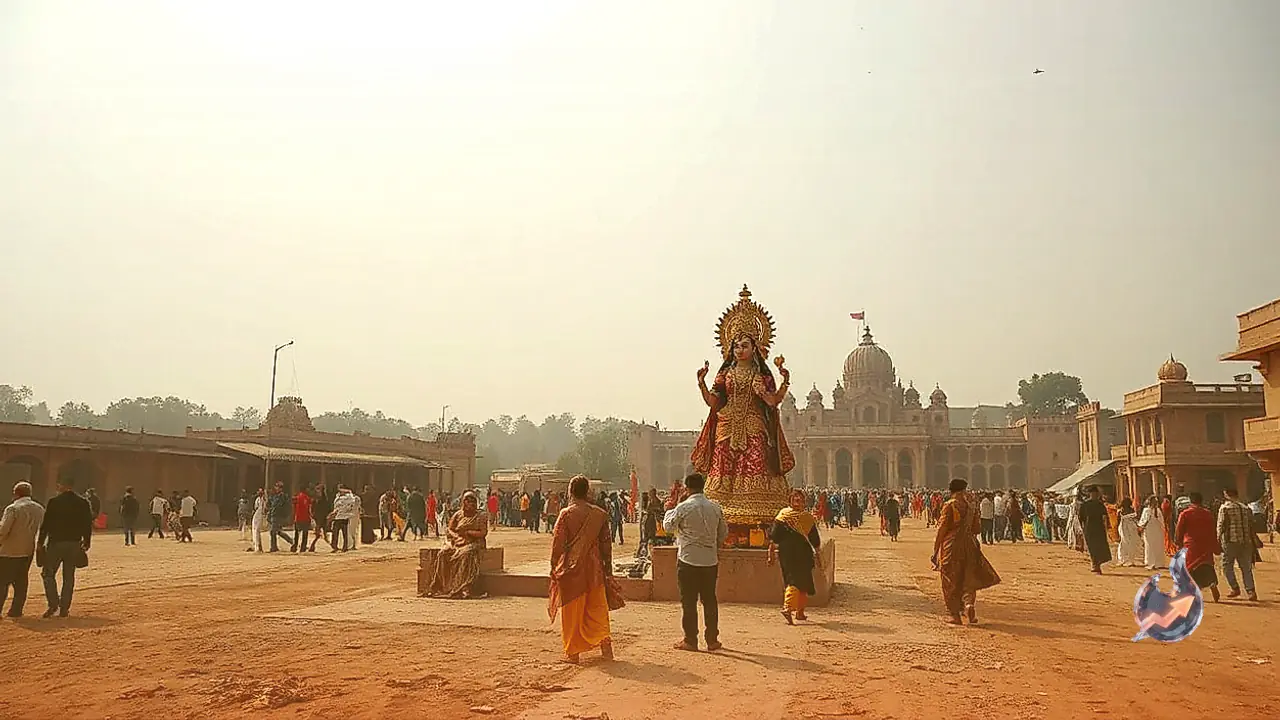























In Sanatan tradition, the festival of Gopashtami holds special significance for the worship and service of the sacred cow. This celebration is deeply connected to the cow-herding pastimes of Lord Krishna. According to religious beliefs, worshipping cows and calves on this day, feeding them fresh green fodder and jaggery, and serving them in cow shelters bestows immense spiritual merit. When will this grand festival fall this year, and what is its religious significance? Let us understand the date, worship rituals, and traditional remedies associated with this auspicious occasion.
When is Gopashtami 2026?
According to the traditional calendar, Gopashtami is observed on the eighth day of the bright fortnight in the month of Kartik. This year, the festival falls on Tuesday, November 17. According to sacred scriptures, it was on this exact lunar date during the Dwapara Yuga that Lord Krishna first took on the responsibility of herding cows. Ever since that era, the tradition of worshipping and serving the divine cow on Gopashtami has continued unbroken.
Significance of Gopashtami
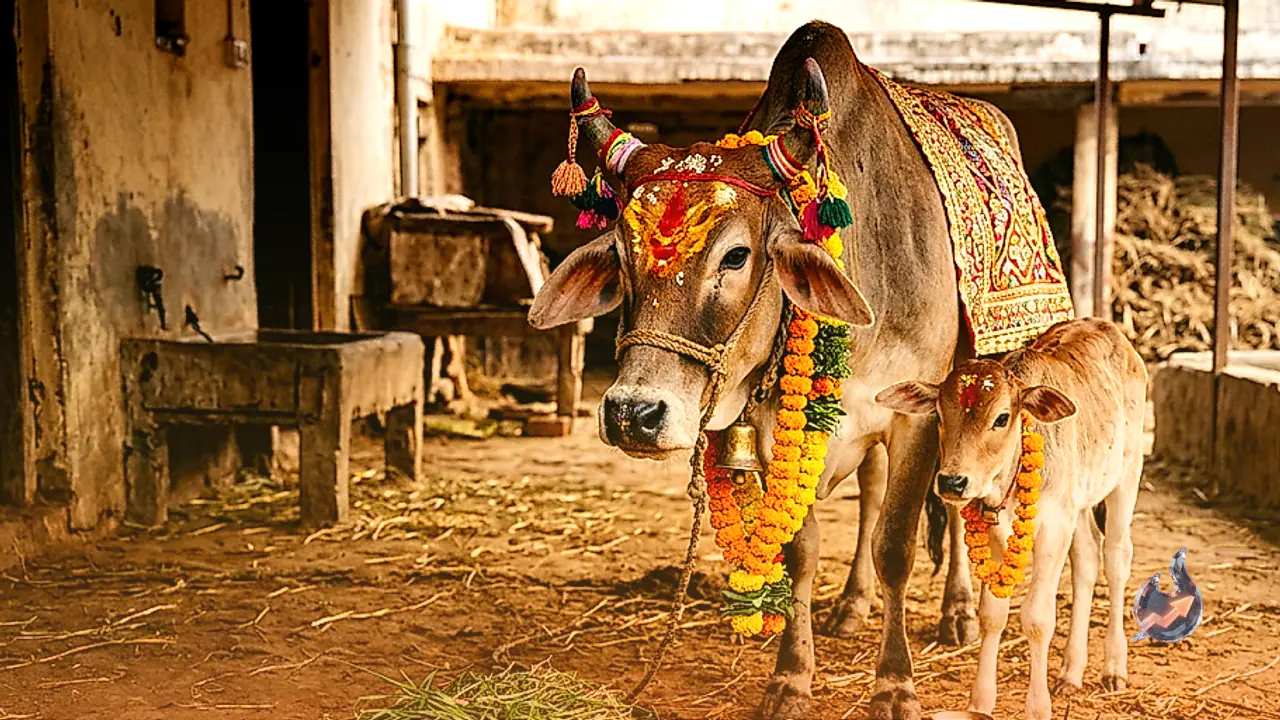
The cow is revered as an object of utmost worship in traditional culture. Religious belief holds that thirty-three crore deities reside within the divine form of the cow. Consequently, worshipping and serving them is considered highly virtuous. On Gopashtami, cows and their calves are bathed, adorned with floral garlands, and venerated with deep devotion. Serving the cow on this day is believed to invite happiness, peace, and abundance into one's life.
How to Perform Cow Worship
On the morning of Gopashtami, devotees should wake up early, bathe, and put on clean clothes. Following this, the cows and calves should be bathed and decorated with beautiful flower garlands. Apply a sacred mark of vermilion and sandalwood on their foreheads. Offer flowers, fodder, jaggery, and fresh fruits, followed by the performance of a traditional aarti. Devotees can also offer a sacred food offering of kheer and poori to the cow. If performing worship at home is not feasible, individuals can visit a local cow shelter and offer their service there.
Special Remedies for Gopashtami
According to traditional customs, feeding jaggery and green grass to the cow on this day is considered extremely auspicious. This practice is undertaken with the aspiration of alleviating life's difficulties and strengthening financial stability. There is also a tradition of applying dust from the cow shelter as a sacred mark, which is associated with the blessings of Goddess Lakshmi and domestic prosperity. Furthermore, the act of donating a cow is regarded as highly meritorious.