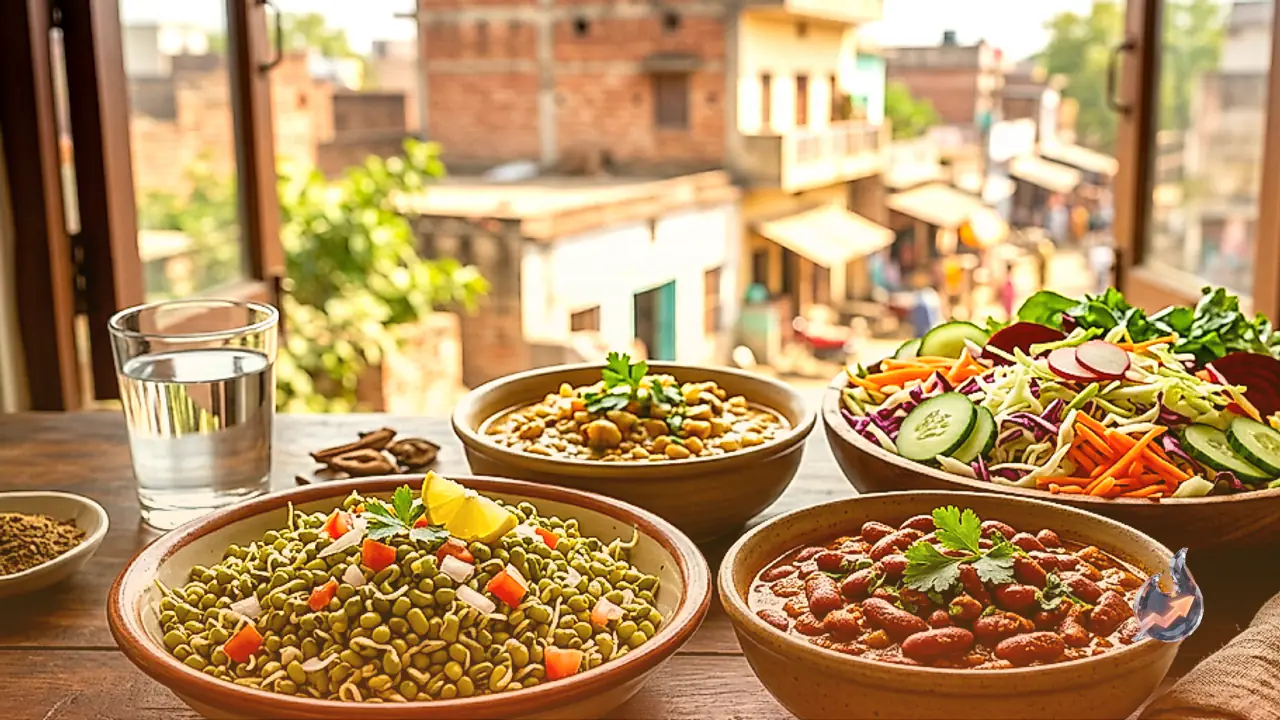



















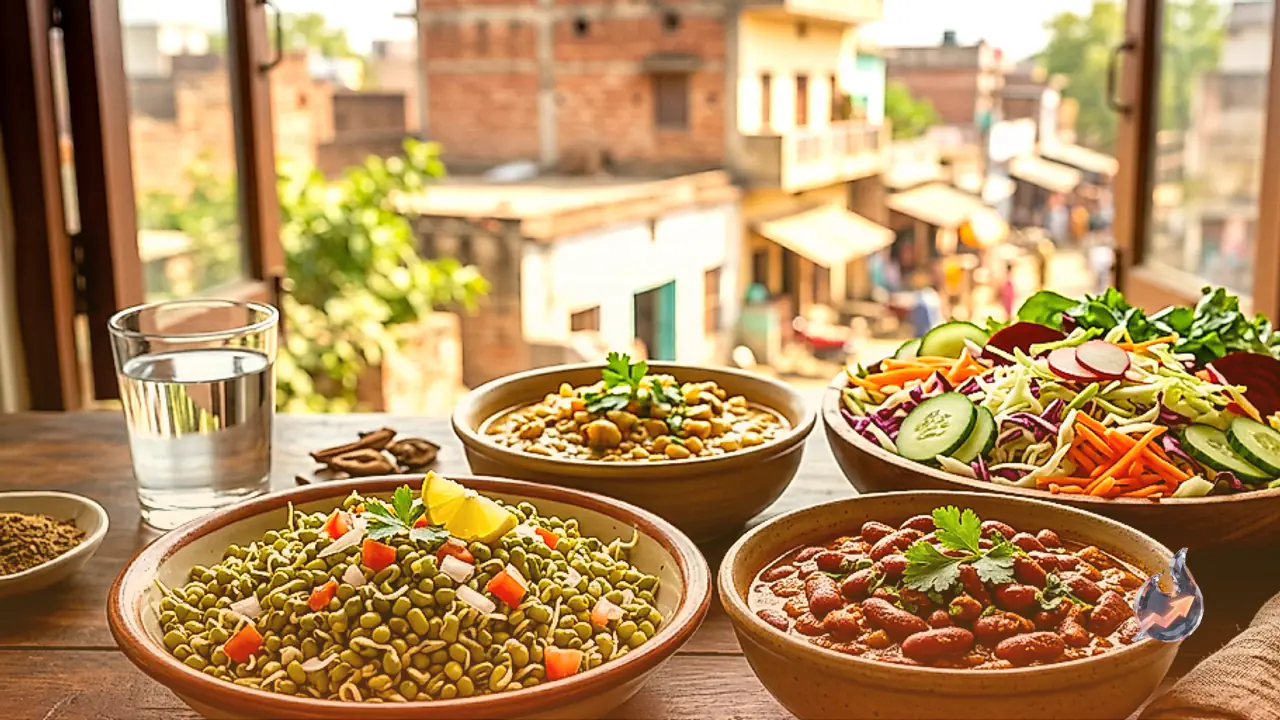

Health experts in Mirzapur frequently emphasize the importance of paying close attention to daily dietary habits and lifestyle routines. If you are already managing diabetes or wish to protect yourself from developing the condition, incorporating moong, rajma, and salads into your regular diet can prove highly beneficial. Making mindful choices about what you eat helps eliminate the various risks associated with blood sugar fluctuations. Neglecting nutritional balance over time often serves as a primary trigger for the onset of diabetes.
The Importance of Protein and Fiber
According to experts, keeping diabetes at a distance requires increasing the consumption of protein-rich food items in daily meals. Lentils and rajma stand out as excellent options for this purpose. Additionally, consuming a salad made from cucumbers, tomatoes, and onions is strongly advised. Including adequate amounts of protein and fiber in your meals makes it significantly easier to keep blood sugar levels under proper control.
Common Misconceptions and Lifestyle Triggers
Dr. Jyoti Singh, a dietitian at the divisional hospital in Mirzapur, shares in a discussion with Local 18 that many individuals operate under the false assumption that completely avoiding sweets and cutting down on excessive tea or coffee is enough to prevent diabetes. However, this belief is entirely mistaken. If your daily diet contains an excessively high proportion of rotis, if you lie down or go to sleep immediately after eating without taking a walk, or if you lead a completely sedentary lifestyle with zero physical activity, your chances of developing diabetes increase significantly. Furthermore, maintaining high stress levels also contributes to a higher probability of falling ill. Individuals should make a conscious effort to avoid these triggering habits.
Recommended Dietary Adjustments
Dr. Jyoti Singh advises that diabetes patients must consume fiber-rich salads alongside their main meals. Cucumbers, tomatoes, and onions are ideal choices for this. People can also soak chana and moong to prepare and eat them as a fresh salad. The overall proportion of protein in meals should be raised, while the intake of rotis and rice, which contain high amounts of carbohydrates, should be reduced. In place of heavy carbohydrates, individuals are encouraged to increase portions of lentils, rajma, soybeans, and kadi.
Managing Hunger and Blood Sugar Levels
Keeping a serving of salad alongside your meal helps curb the frequent urge to eat throughout the day. For those who constantly feel compelled to snack, this habit reduces untimely hunger pangs. Consequently, the actual quantity of food consumed during meals decreases naturally, allowing the blood sugar level to drop gradually on its own.
Timing Your Meals and Evening Walks
Dietitian Dr. Jyoti Singh also suggests altering the timing of your dinner. There should be a gap of at least twelve hours between your evening meal and the first meal of the following day. For instance, if you finish dinner at seven o'clock in the evening, you should consume your next meal at seven o'clock the next morning. Walking after meals is another essential requirement. If you want to successfully maintain your blood sugar levels, incorporating a routine walk is mandatory.
Dispelling Myths About Overeating and Exercise
Many people mistakenly believe that if they overeat during a meal, walking for an extended hour will instantly burn it off and completely reverse the sugar spike. Dr. Jyoti Singh clarifies that this is not how the body works. Extreme walking sessions cannot simply undo the effects of an excessively heavy meal in that manner.
Steering Clear of Salty and Sugary Items
According to Dr. Jyoti Singh, individuals should maintain a normal, balanced diet and follow it up with a moderate walk lasting just ten to fifteen minutes. This short walk is all it takes to kickstart the natural digestion process of the body. Beyond that, people must strictly avoid sweets, soft drinks, and energy drinks of any kind. Highly salted food items should also be kept off the plate.