



















Raksha Bandhan celebrates the timeless bond of love and trust between brothers and sisters, traditionally observed during the Shukla Paksha of the Shravan month. This year, the auspicious festival falls on Friday, August 28, and preparations are already in full swing across households and markets alike. Although a lunar eclipse is slated to occur around the time of the festival, it will not be visible in India, allowing sisters to celebrate the occasion seamlessly without any worries. Amidst the various customs associated with this celebration, one important tradition involves tying knots in the sacred thread. Many wonder just how many knots should be tied when securing the thread around a brother's wrist and what spiritual connection these knots hold with the holy trinity.
The Significance of the Rakhi Thread and Knots
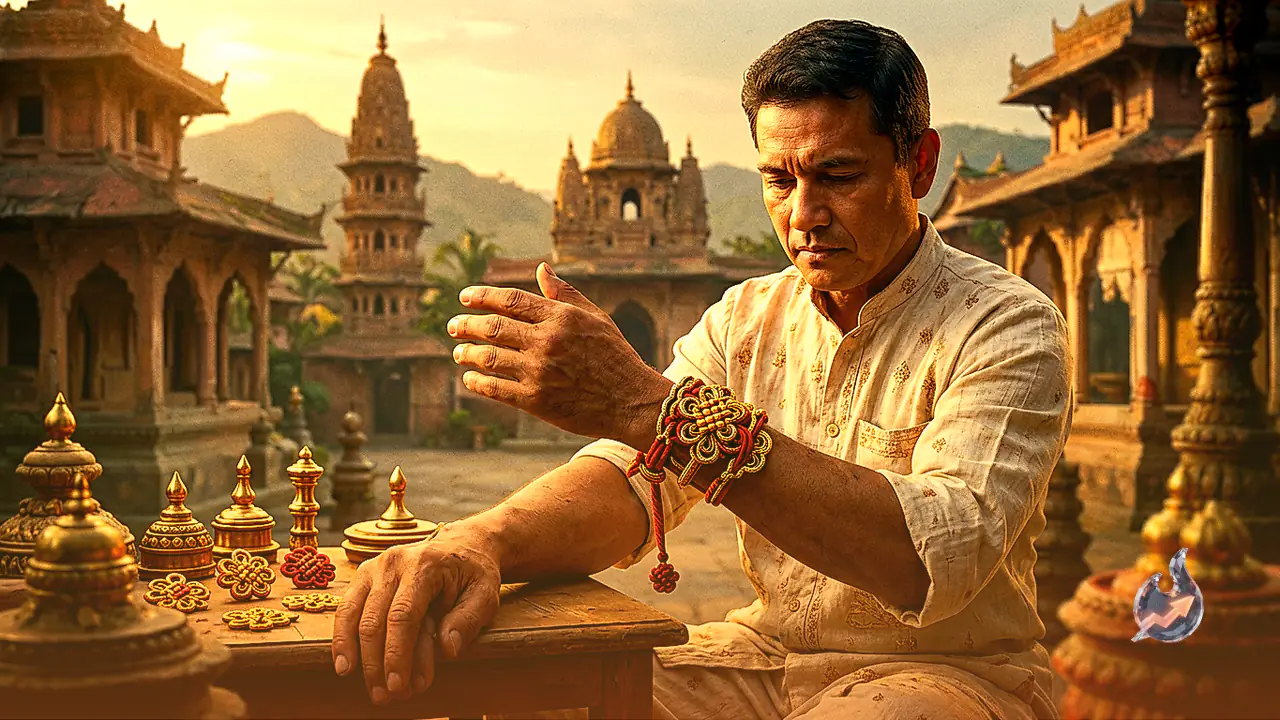
When a sister ties a rakhi on her brother's wrist, she prays for his longevity, happiness, prosperity, and success, while the brother offers gifts and a lifelong promise of protection. This emotional knot creates an unbreakable bond for life. However, questions often arise regarding the exact number of knots to tie during the ritual. Different regions and families follow their own customs, with some tying three knots while others prefer five, reflecting diverse cultural practices passed down through generations.
Three Knots of Rakhi: Symbol of the Holy Trinity
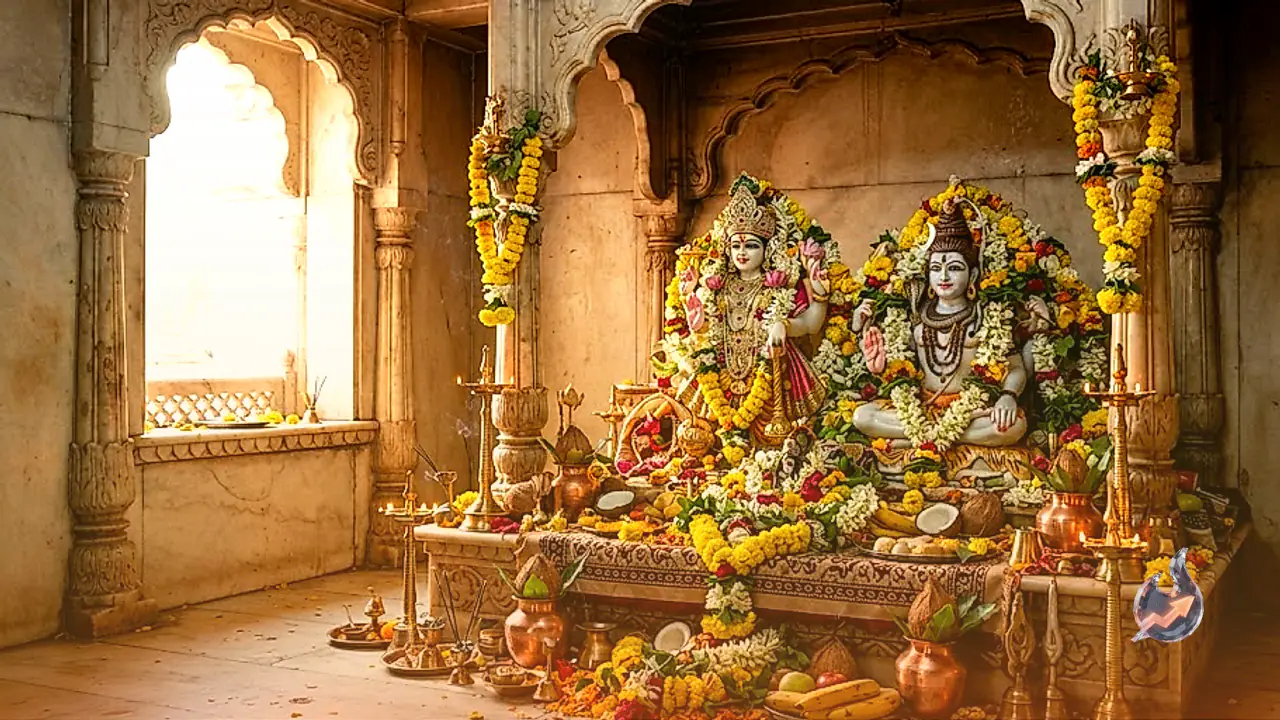
In many households, tying three knots in the sacred thread is considered standard practice. These three knots represent the divine Trimurti consisting of Lord Brahma, Lord Vishnu, and Lord Shiva. It is believed that the combined blessings of these three deities ensure lifelong security, happiness, and prosperity for the brother. The first knot is dedicated to Lord Brahma, the creator of the universe, bringing fresh ideas, creativity, and constant progress into the brother's life. The second knot represents Lord Vishnu, the preserver, who shields the brother from troubles and brings stability and peace. The third knot symbolizes Lord Shiva, the destroyer, which drives away negativity, obstacles, and hardships, making the brother resilient at every turn of life.
Five Knots of Rakhi: Symbol of the Five Elements
Alternatively, several traditions recommend tying five knots on the brother's wrist. These five knots represent the Panchamahabhutas or the five fundamental elements of nature which are earth, water, fire, air, and space. The first knot signifies earth, granting patience and stability to the brother. The second knot represents water, bringing simplicity, softness, and calmness. The third knot is dedicated to fire, instilling courage, valor, energy, and self-confidence. The fourth knot represents air, encouraging free thinking, positivity, and continuous progress. Finally, the fifth knot is tied for space, opening up boundless success, new possibilities, and a large heart.
Choosing Between Three and Five Knots
Anyone feeling uncertain about the correct number of knots to tie can rest assured that both three and five knots hold deeply auspicious meanings. While three knots represent the divine trinity, five knots honor the natural elements of the universe. Sisters can freely choose either option based on their family traditions and personal beliefs to shower their brothers with blessings.