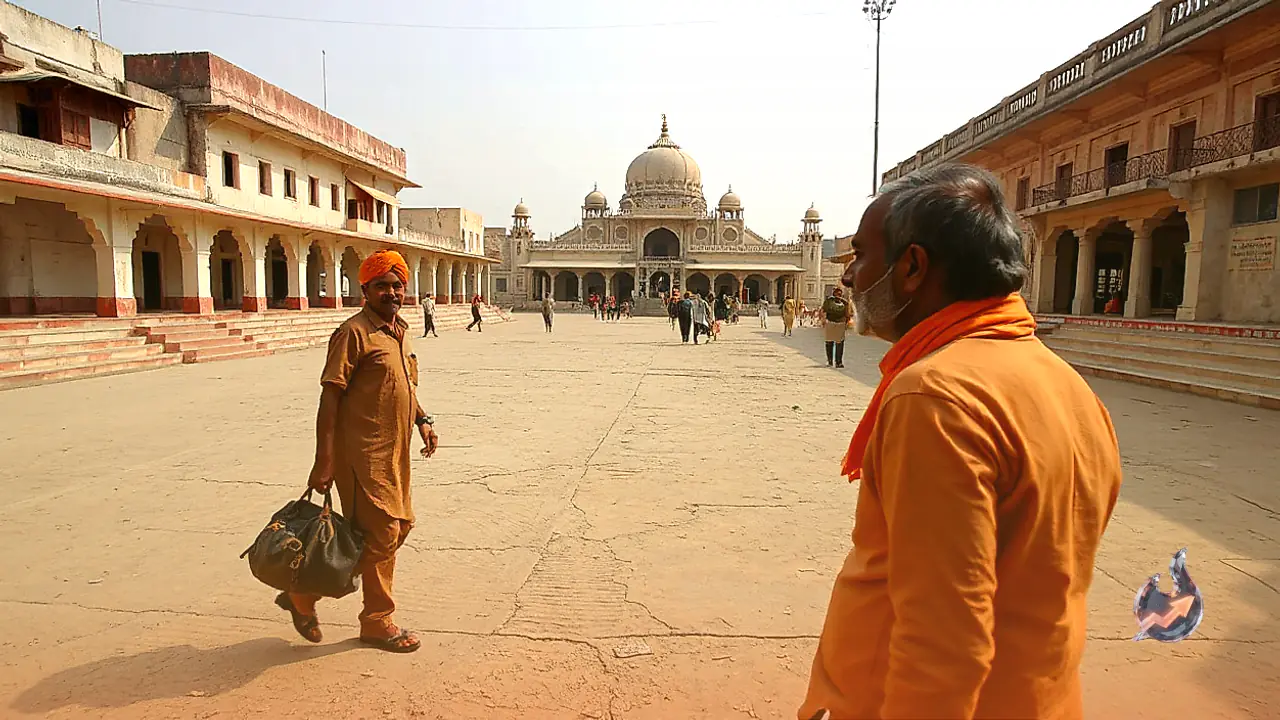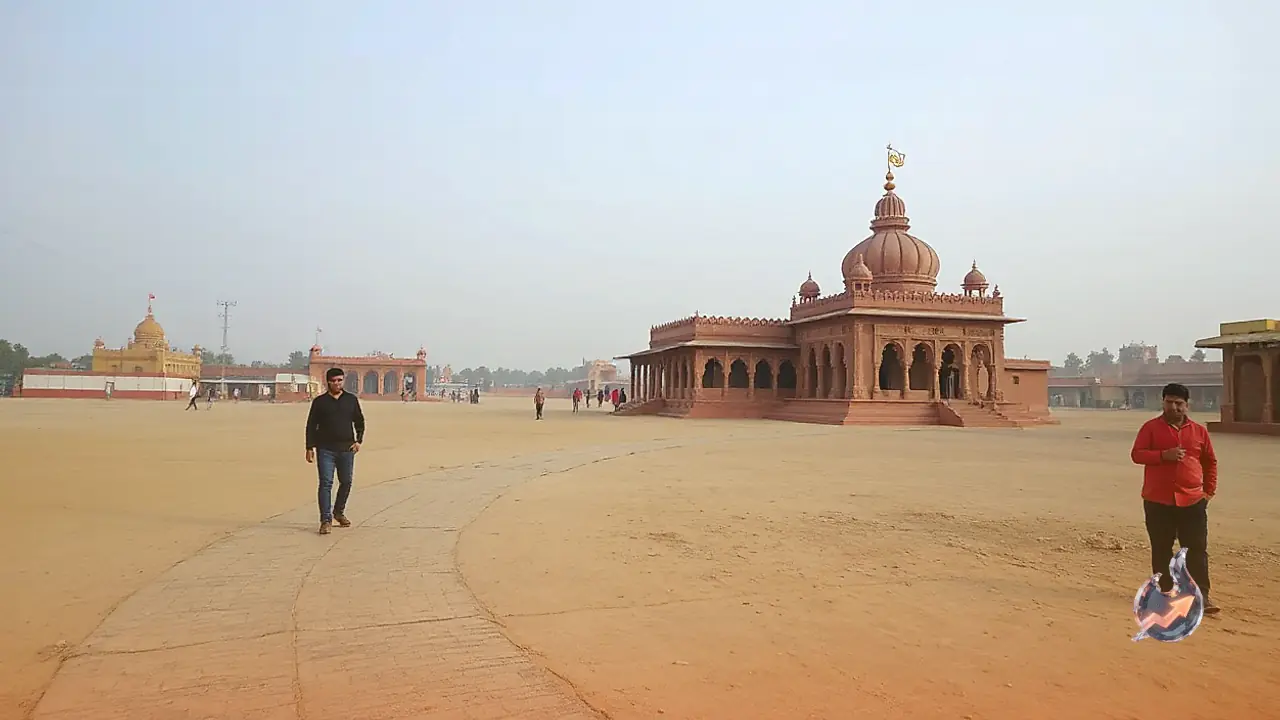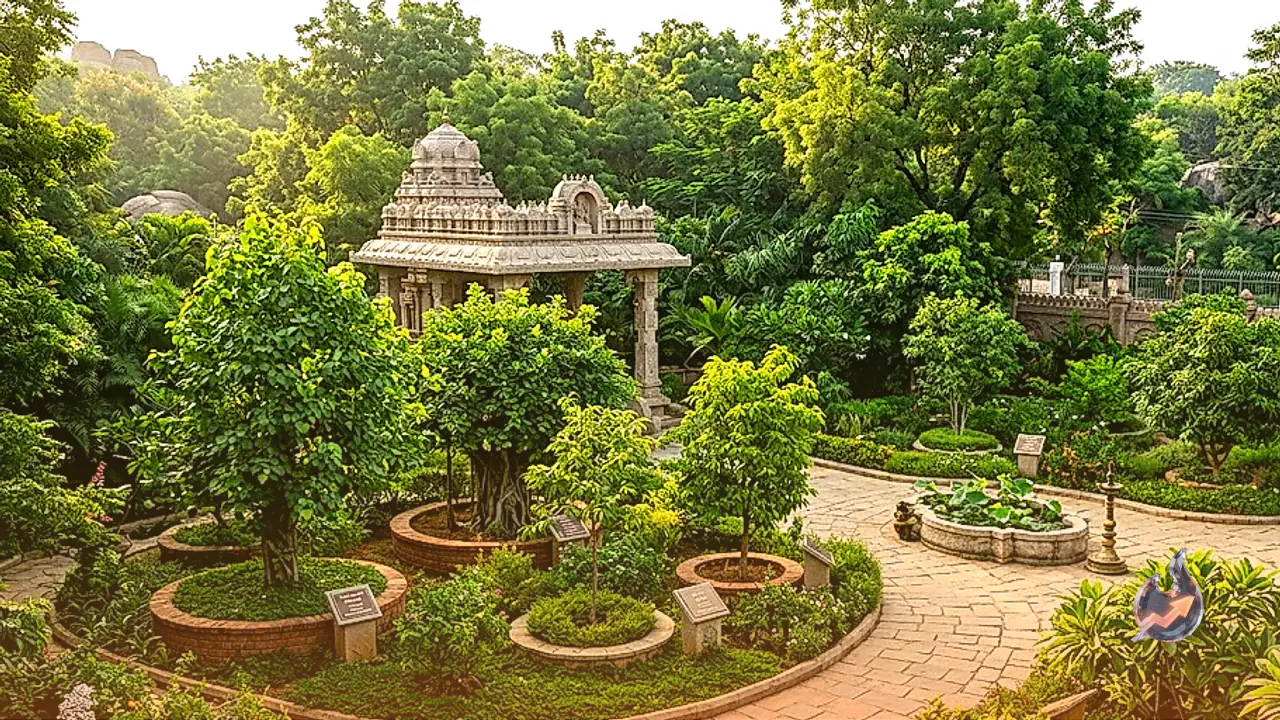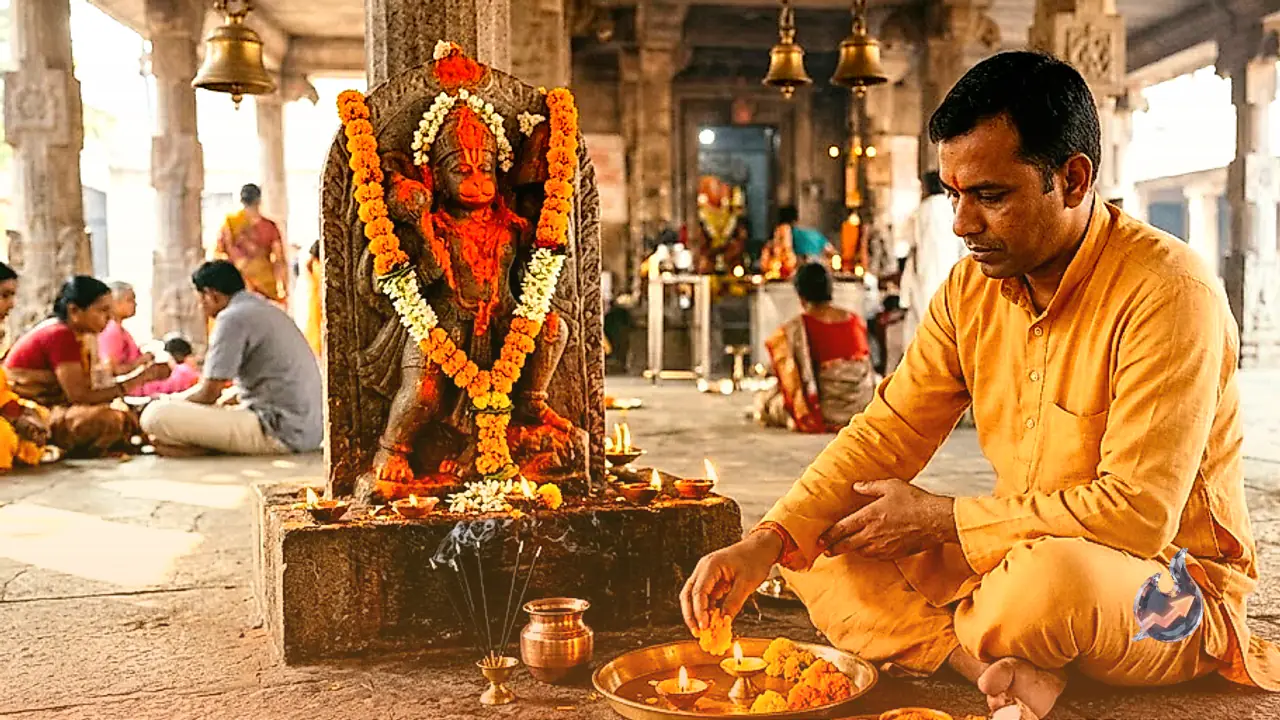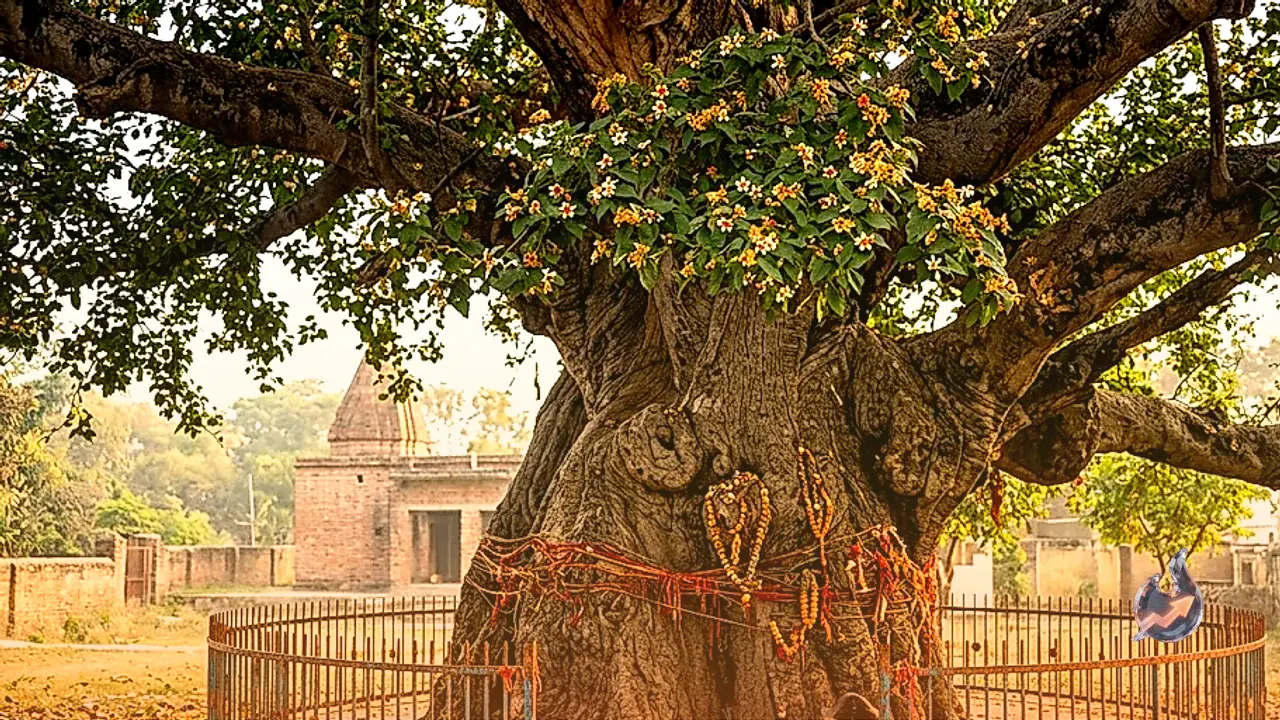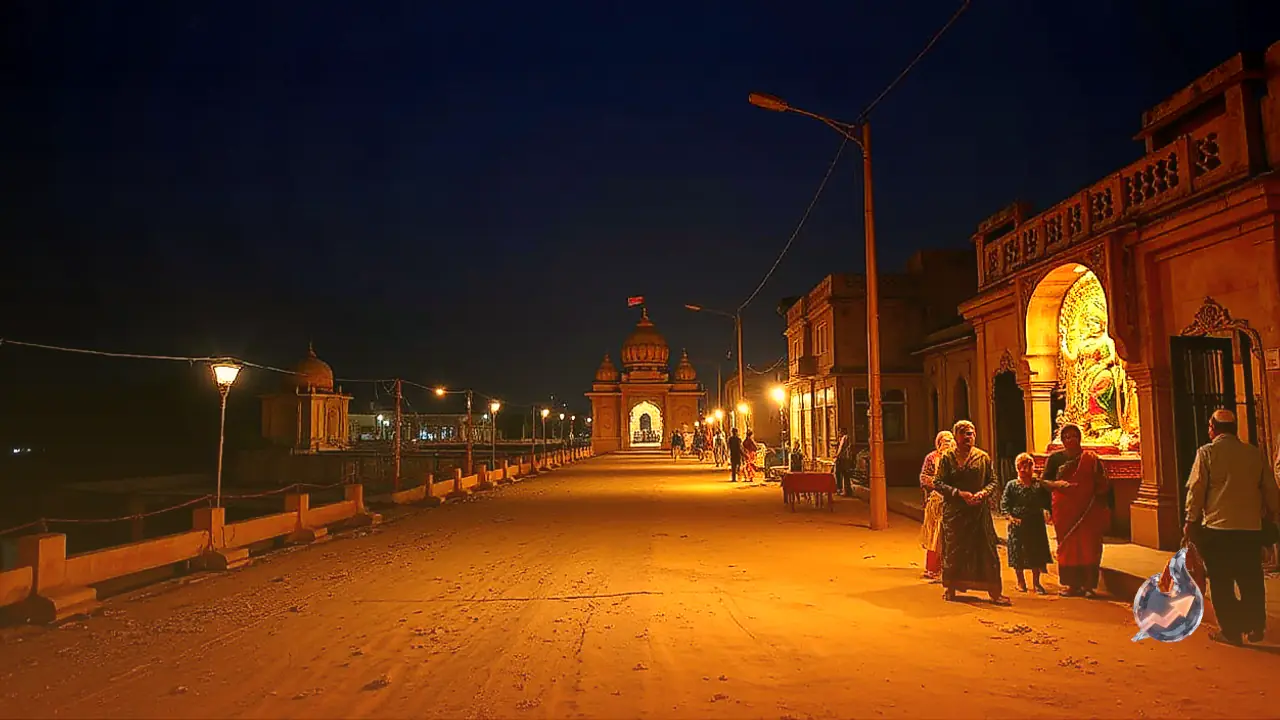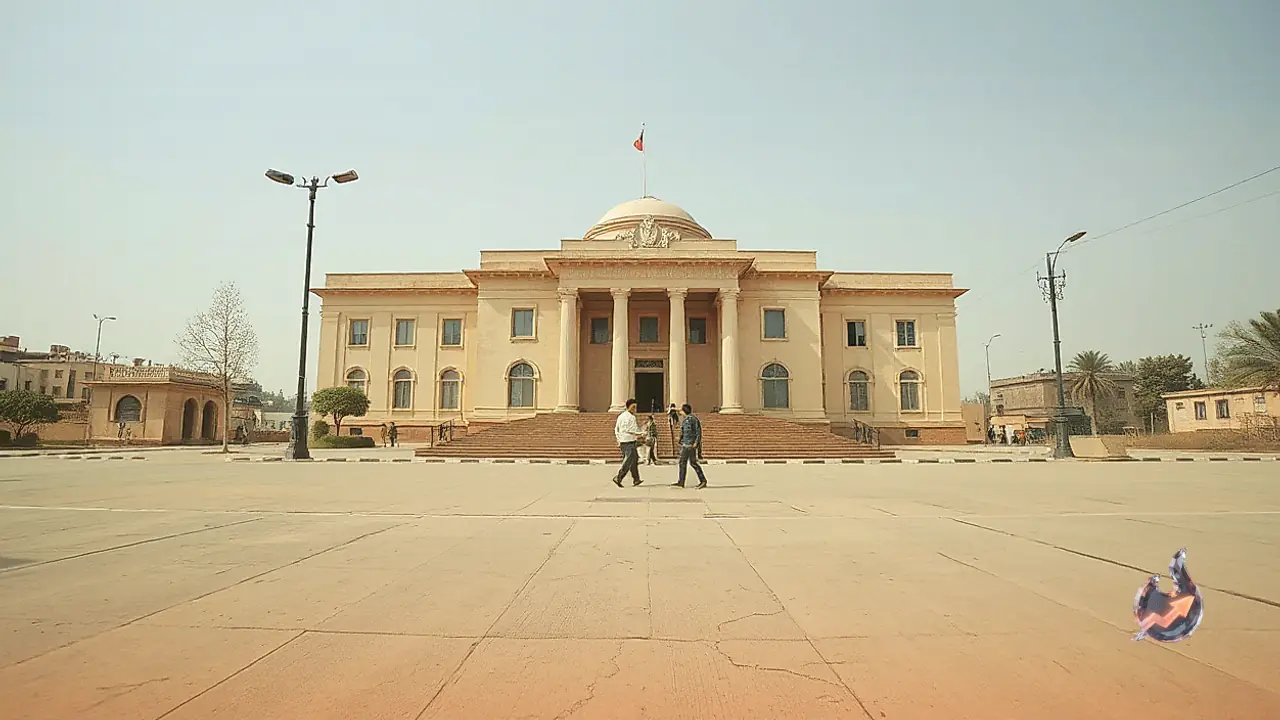







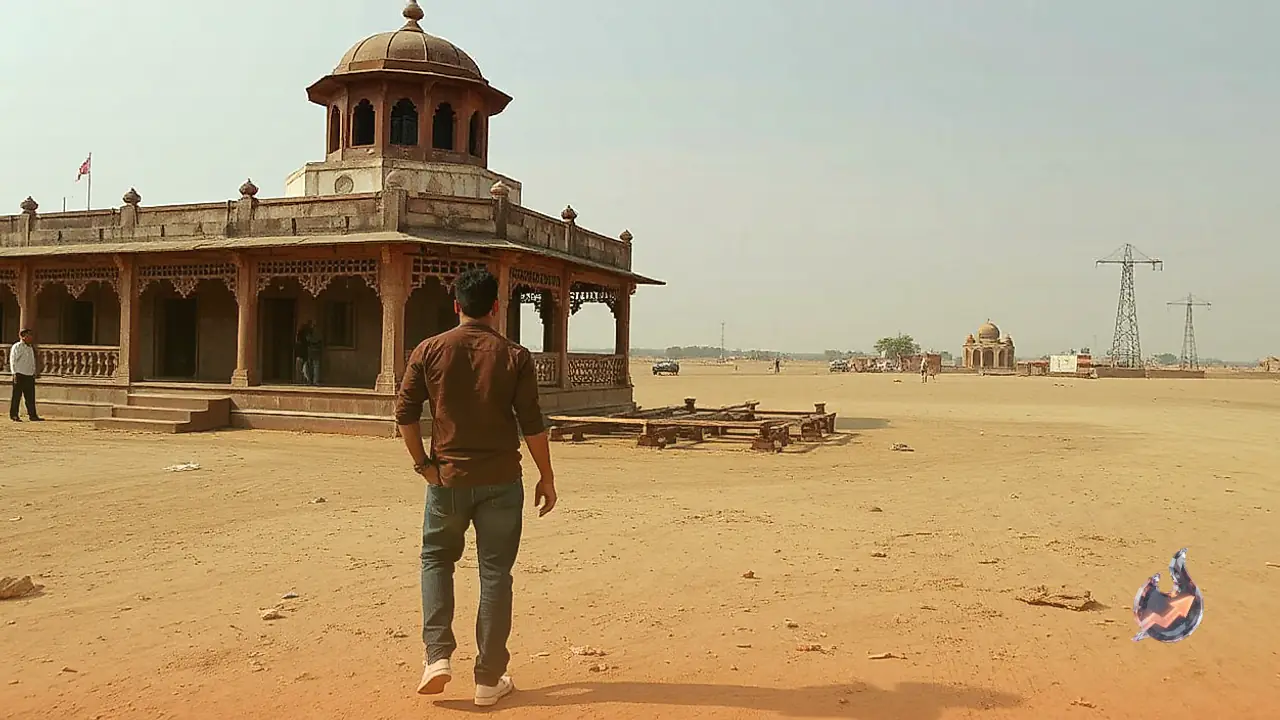














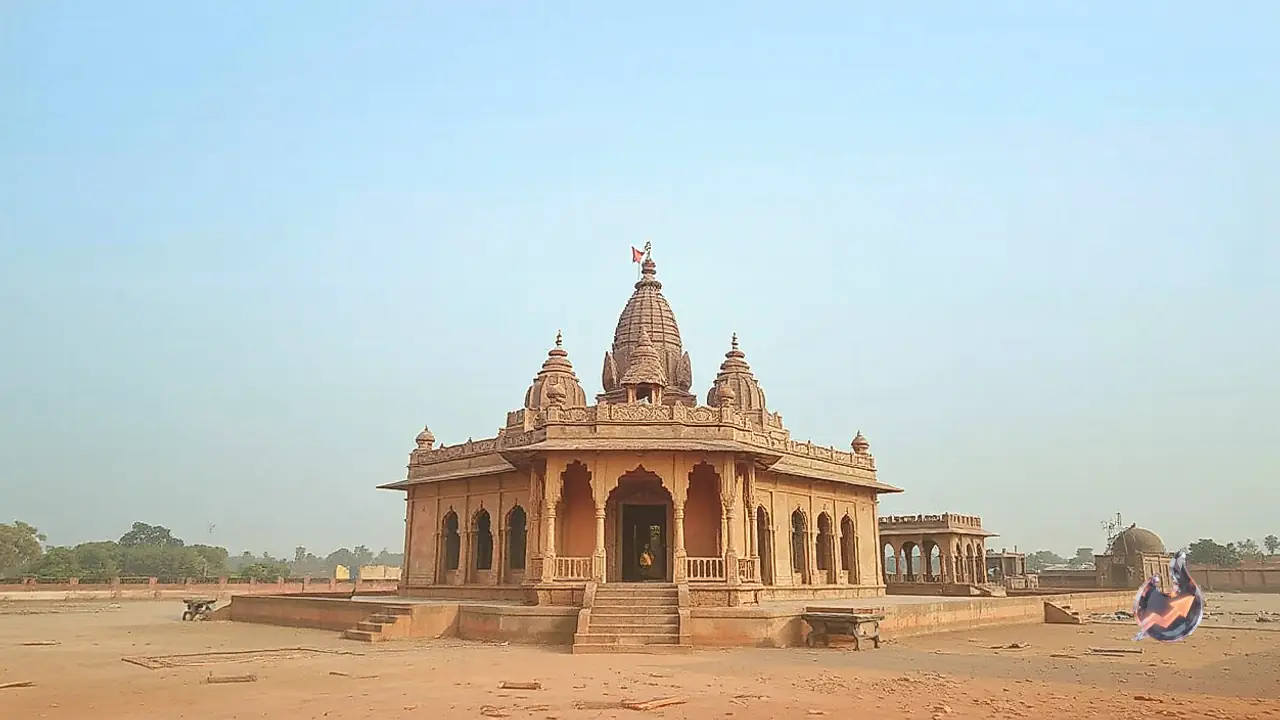

Tucked away in Larwak village of Mirzapur district in Uttar Pradesh lies an ancient and deeply revered Shiva temple. According to local beliefs, offering prayers at this sacred shrine fulfills every wish of the devotees. Bearing a striking resemblance to the famous Karmdeshwar Mahadev temple in Varanasi, the exact origins and original builder of this Mirzapur shrine remain a complete mystery, yet it continues to draw worshippers from far and wide.
Origins Dating Back to the Seventh Century
According to temple priest Nandlal Goswami, several popular legends surround the establishment of this holy site. It is widely believed that the structure was built during the seventh century. The temple shares a unique bond with the holy river Ganga, and during the severe floods of 1978, the river water reportedly reached the shrine to bathe the deity itself.
Exquisite Architecture and Sawan Fair
Nandlal Goswami noted that the temple features remarkable and intricate carvings across its structure. During the auspicious month of Sawan, a massive number of devotees gather here to perform Rudrabhishek and various other rituals. A month-long fair is organized on the premises, attracting pilgrims from distant regions.
The Attack by Aurangzeb
Temple authorities recount that the Mughal ruler Aurangzeb personally visited the site with the intention of destroying the temple. During his assault, he used a sword to sever the head of Nandi, the sacred bull, and inflicted considerable damage to other idols within the complex. Historical lore also suggests the existence of a secret underground tunnel connecting the temple directly to the Chunar Fort.
Archaeological Protection and Unread Inscriptions
The temple walls bear several inscriptions written in scripts that remain completely undeciphered to this day. Recognizing its historical value, the Archaeological Survey of India has brought the site under its protection, strictly prohibiting any structural alterations. Archaeological preservation worker Anand Patel confirmed that historical evidence points to Aurangzeb's arrival here in 1669 AD. Standing as one of the oldest structures in the region, the cryptic engravings on its stones continue to baffle experts who have yet to decode them.