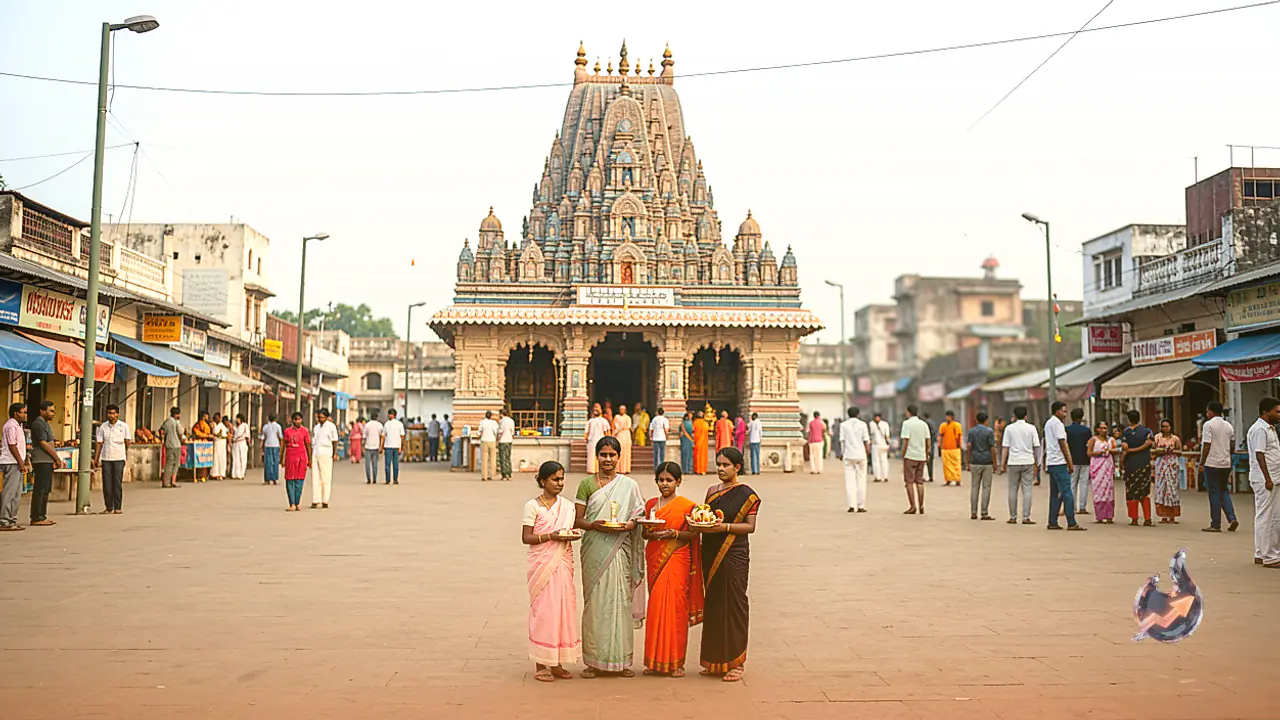


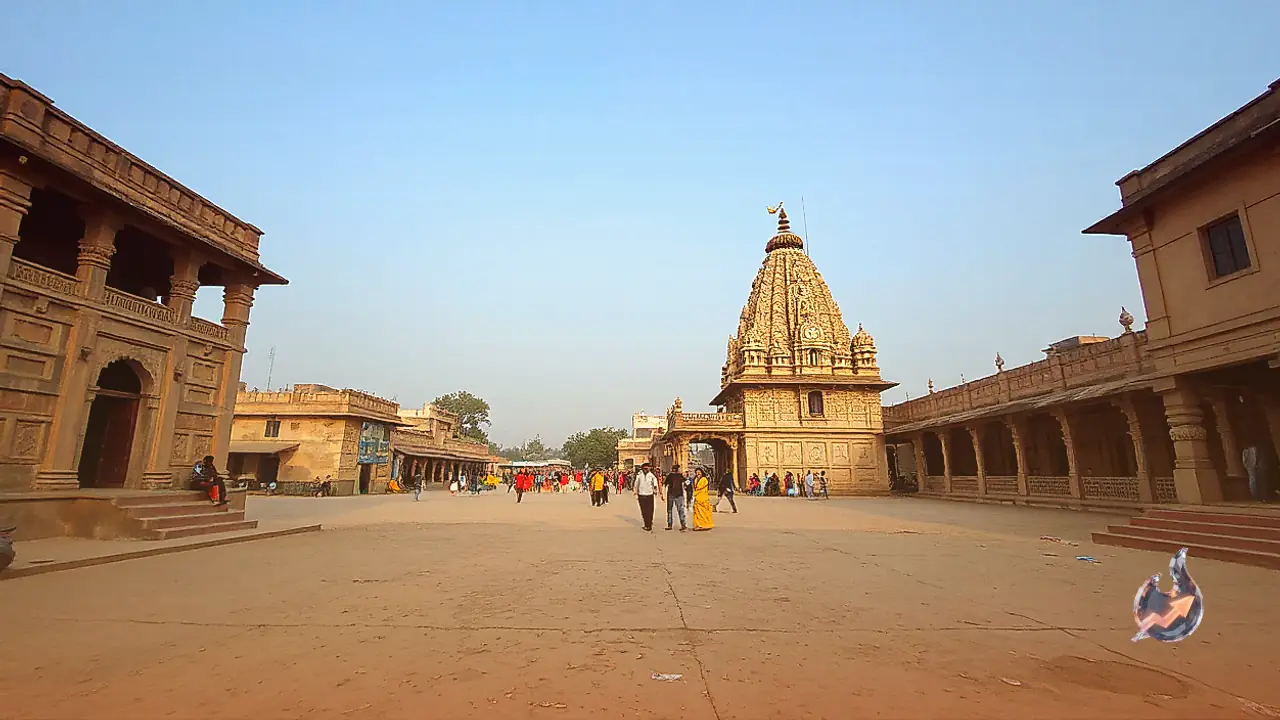



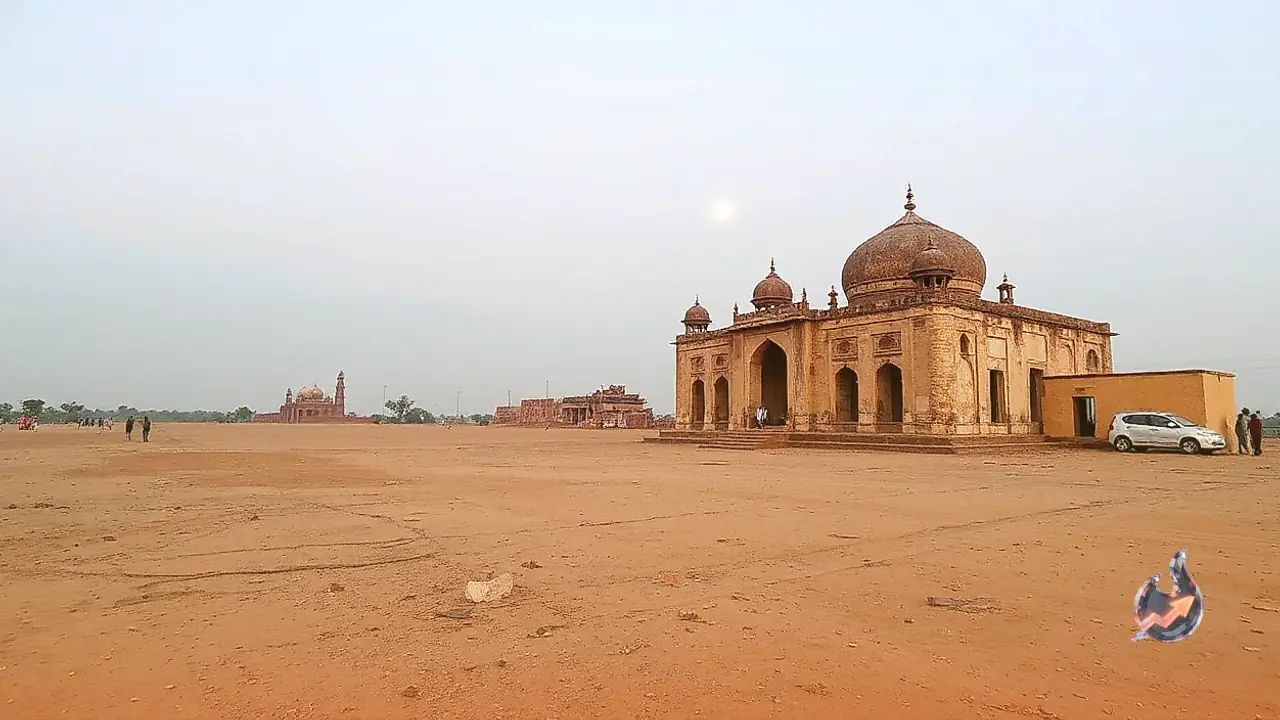














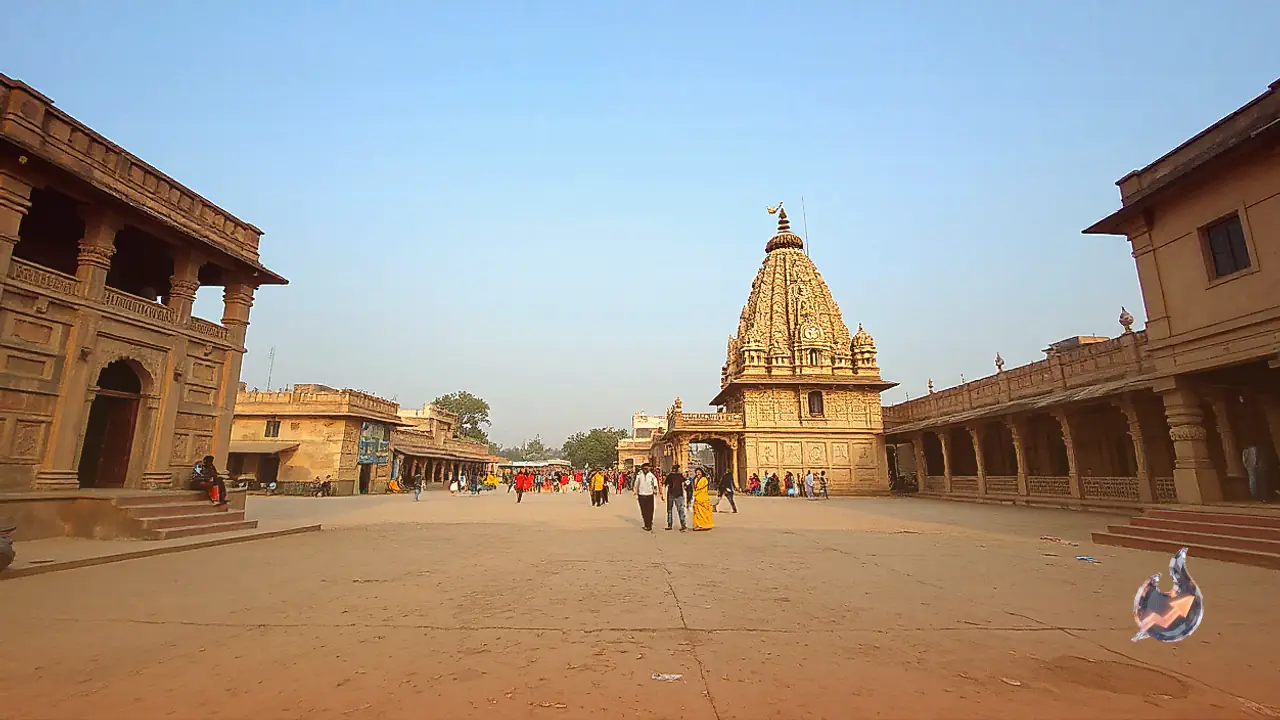

Nestled in the Gonda district of Uttar Pradesh, the Pachrannath Temple stands as a remarkable center of devotion, drawing people with its deep-rooted antiquity and legendary history. Situated roughly 35 kilometers away from the district headquarters, this sacred site is far from being a modern construction, tracing its origins back to the Dvapara Yuga. Throughout the holy month of Sawan and on major festive occasions, devotees from nearby districts as well as distant parts of the country and abroad arrive in massive numbers to seek the blessings of Lord Shiva.
Connection to the Pandavas and the Origin of the Name
According to age-old traditions and regional beliefs, the temple predates recent centuries, having been established by the five Pandavas during their period of exile. Because the temple was founded by the five brothers, it came to be known as the Pachrannath Temple. This historical link forms a core part of the spiritual identity carried by the shrine down through the generations, making it a prominent landmark of faith in the region.
The Day Bees Swarmed Aurangzeb's Troops
The temple's chronicles hold several striking accounts passed down through local lore. Budhram Baba, the temple priest, recounts an episode when soldiers sent by Aurangzeb attempted to cut and desecrate the sacred shivling. The moment the troops began their destructive attempt, a massive swarm of bees descended upon them in a fierce counter-attack. Overwhelmed by the stinging swarm, Aurangzeb and his soldiers were forced to flee the premises in panic. To this day, physical marks left from those attempted cuts remain visible on the sacred stone surface.
Unique Architecture and the Massive Argha
The structural layout of the shrine adds to its distinct character. Budhram Baba explains that much like the visible shivling on top, six identical shivlings lie concealed beneath it. The argha of this shivling is exceptionally large, serving as the foundational base upon which the entire sanctum structure rests. Visitors to the temple perform their ritual circumambulation directly over this massive argha.
Massive Devotee Turnout During Sawan and Mahashivratri
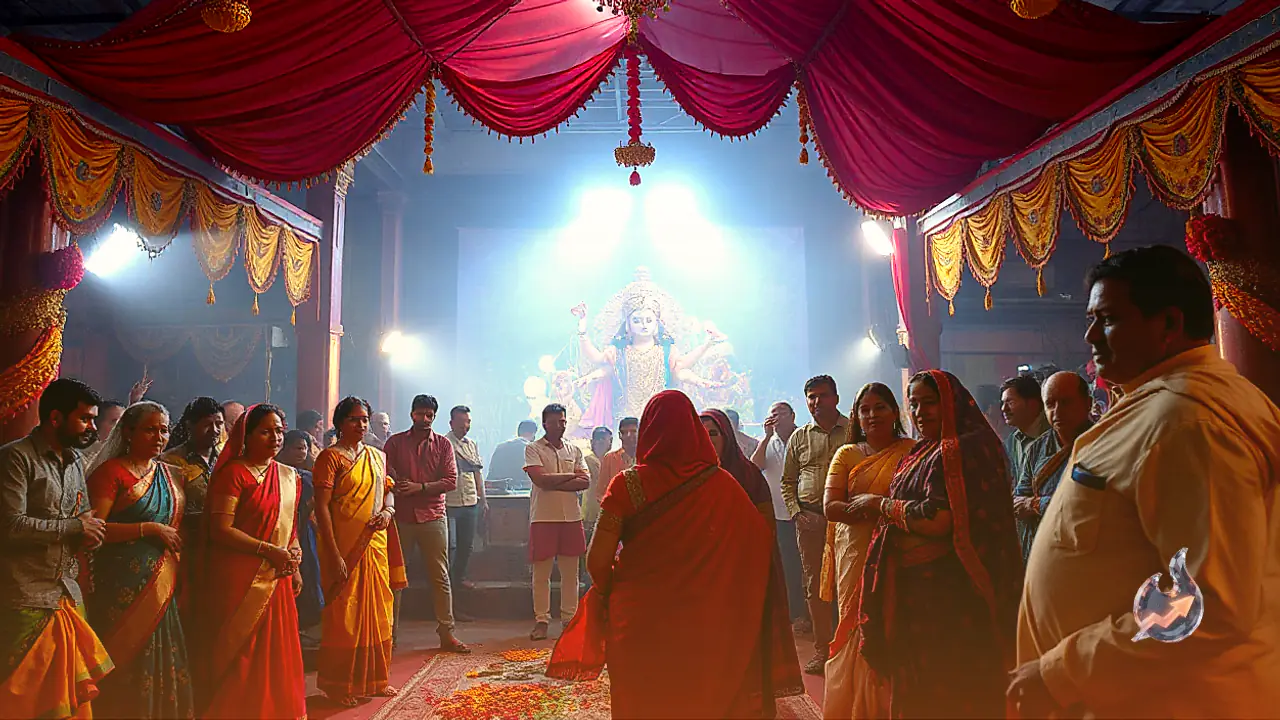
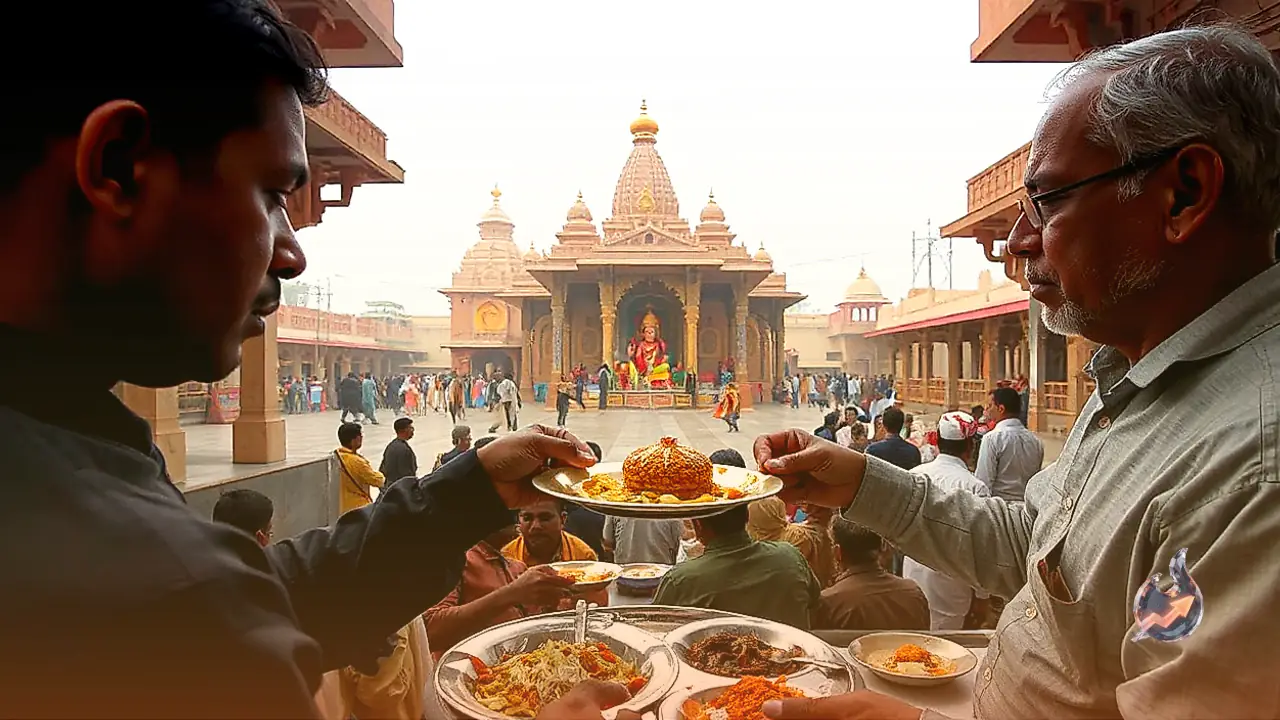
While the shrine receives visitors year-round, certain periods witness extraordinary crowds. During Mahashivratri and throughout the auspicious month of Sawan, hundreds of thousands of worshippers gather at the grounds daily. Local resident Dinanath Yadav notes that Mondays and Fridays consistently draw massive throngs of devotees. Believers hold a firm faith that performing a ritual water offering on the shivling relieves all sorrows and hardships in life.