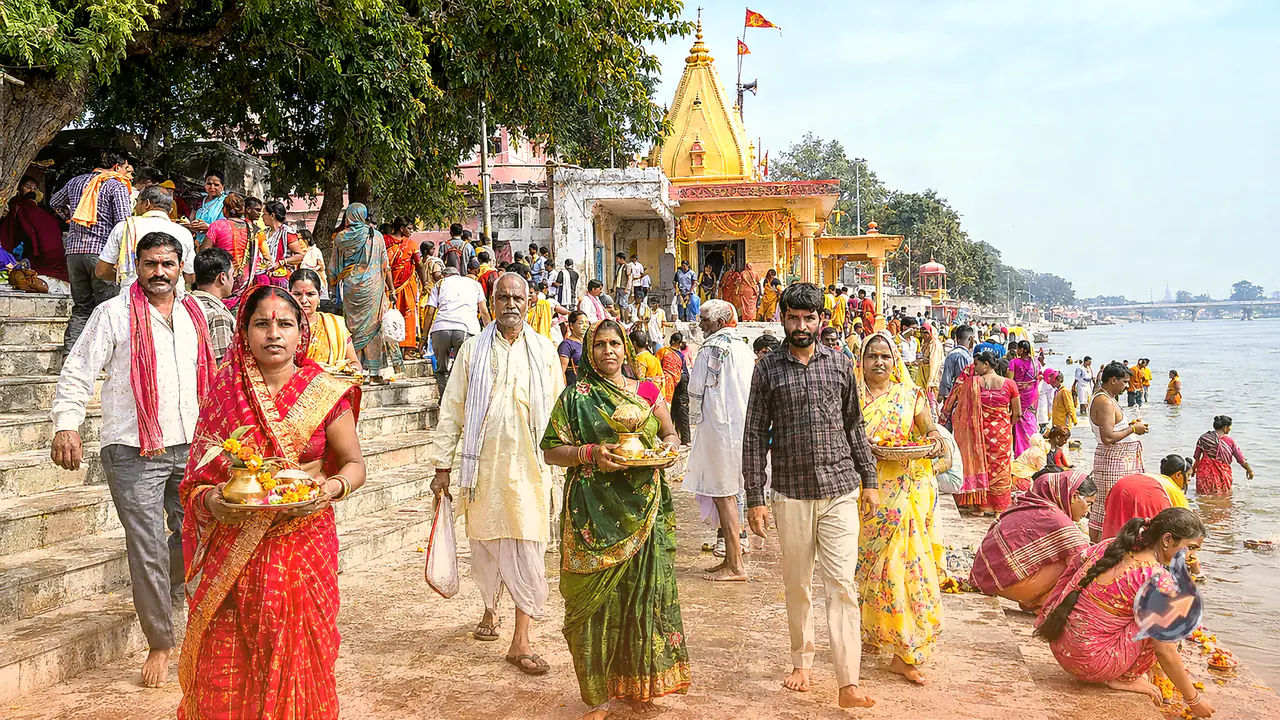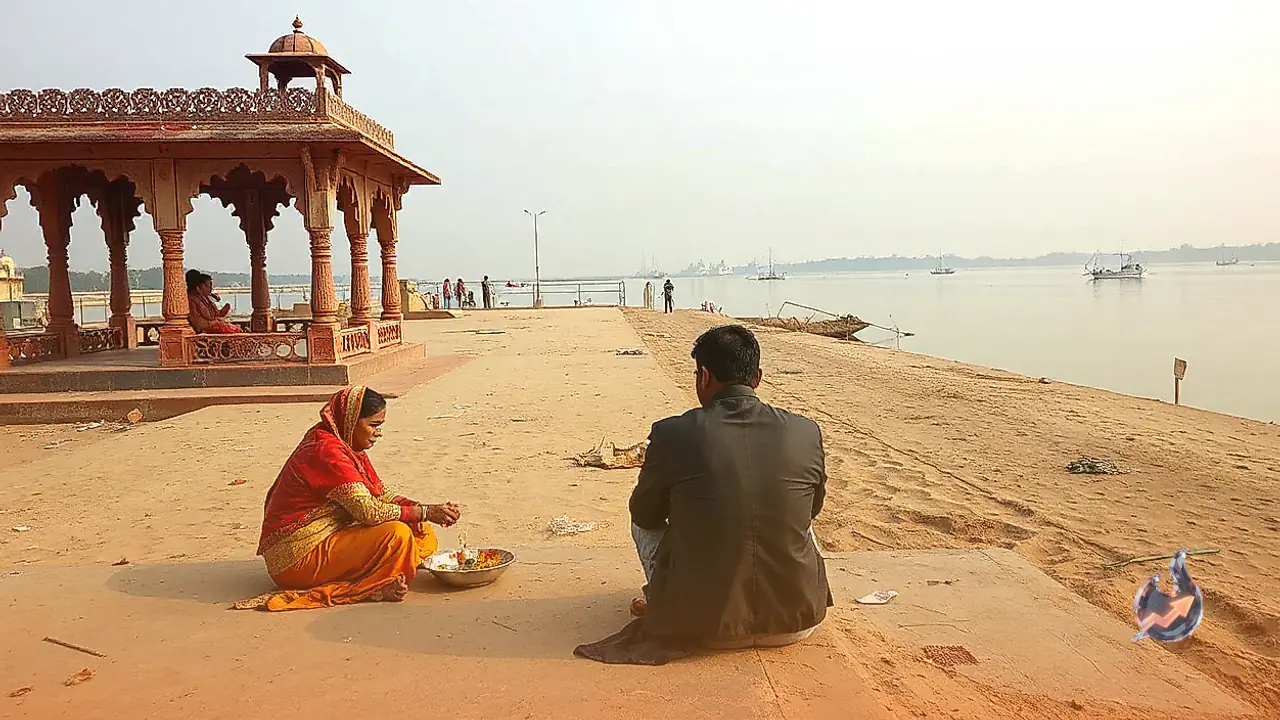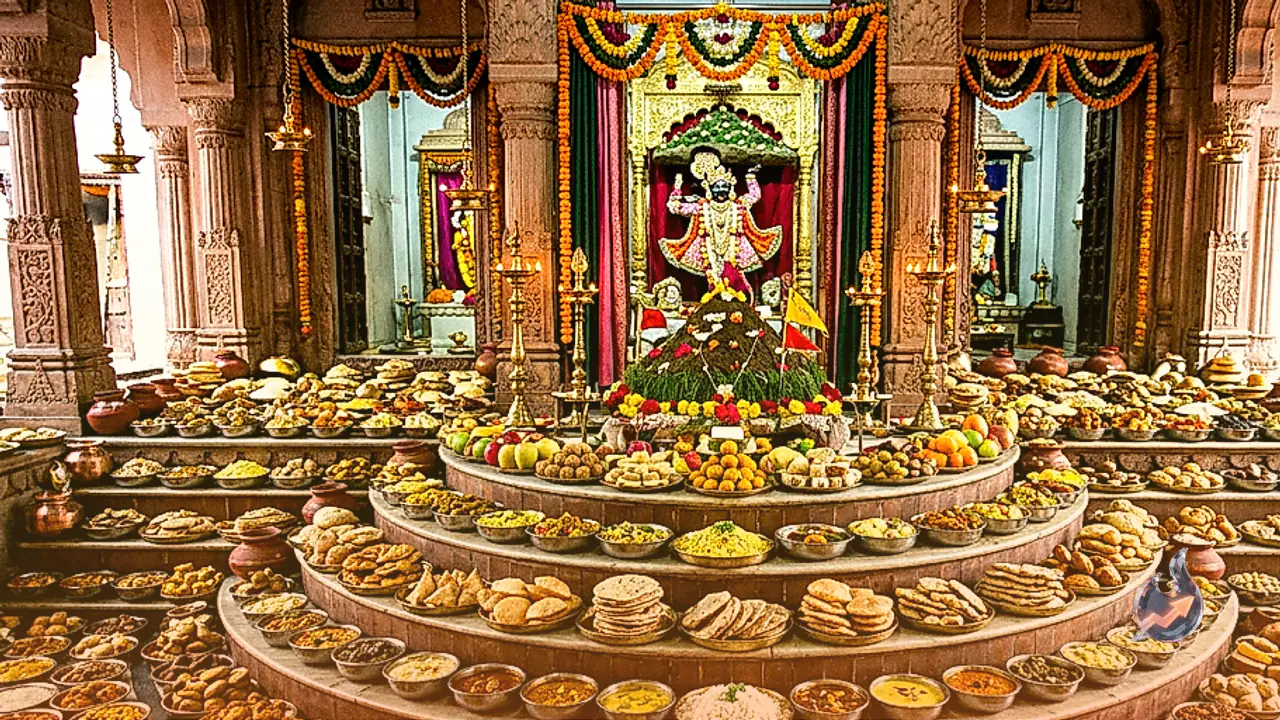




















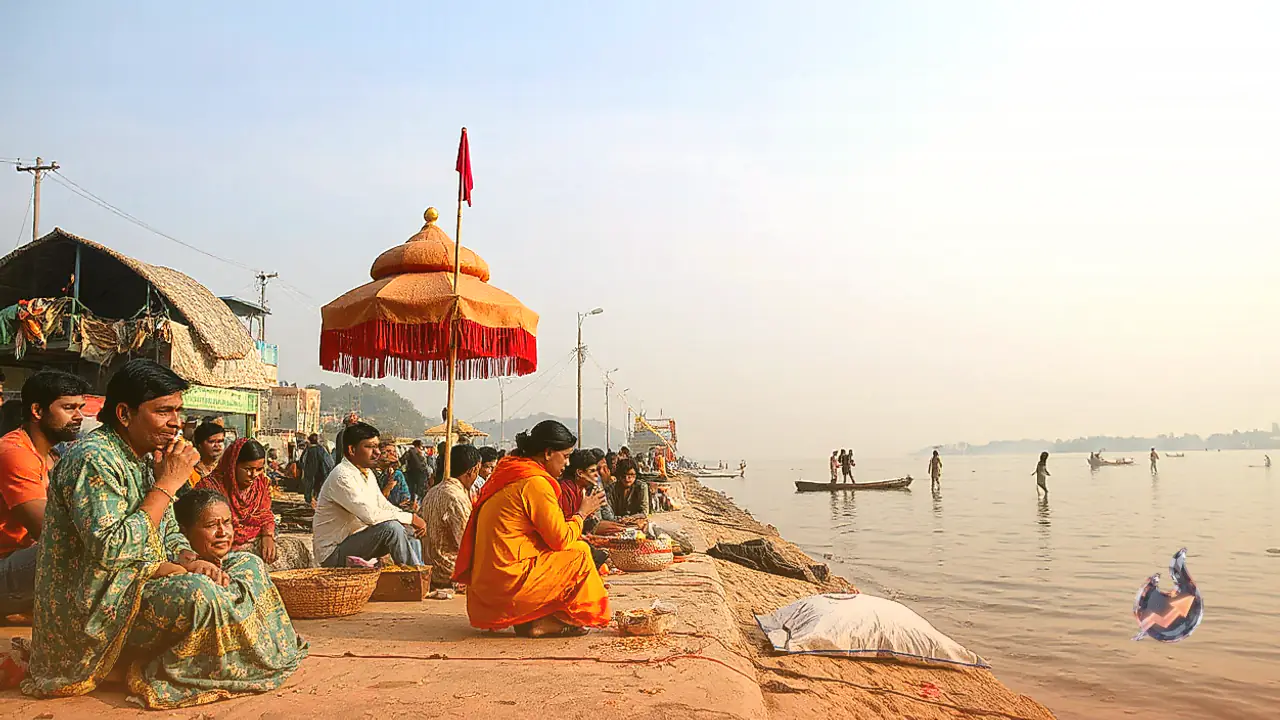

With the commencement of the four-day festivities dedicated to the Sun God and expressions of gratitude toward nature, a distinct spiritual vitality envelopes both households and riverbanks. The most vibrant dimension of this sacred ritual is found in its traditional folk compositions, which resonate deeply with every devotee. Without these timeless melodies, the spiritual depth of the festival feels incomplete, as their verses encapsulate the stringent vows of the fast, collective prayers for family well-being, and centuries-old customs of solar reverence.
Celebrated Folk Melodies Embodying Devotion
A cherished repertoire of folk songs has been passed down across generations, forming an integral soundtrack to the festivities. Among the prominent compositions are
- Kanch Hi Bans Ke Bahangiya: Captures the journey of carrying bamboo baskets loaded with sacred offerings toward the riverbanks.
- Kelwa Ke Paat Par Ugelan Suruj Mal: Evokes vivid imagery of the rising Sun illuminating offerings arranged on banana leaves.
- Kabhun Na Chhooti Chhathi Maiya: Affirms unbroken devotion and a lifelong vow to observe the sacred fast.
- Uga Hai Suraj Dev: A heartfelt invocation urging the Sun deity to emerge at dawn.
- Sona Sat Kuniya, Ho Deenanath: Celebrates the golden radiance and boundless glory of the solar deity.
- Patna Ke Ghaat Par, Hamhu Aragiya Deb: Reflects the collective enthusiasm of gathering at the riverfront to offer sacred oblations.
- Bhorwe Mein Nadiya Nahila: Highlights the pre-dawn ritual of river bathing followed by sincere prayers to the deity.
- Nariyal Je Farela Awadh Se: Celebrates the significance of sacred fruits and regional harvest offerings.
- Om Jai Kashyap Nandan: Offers classical praise to the divine son of sage Kashyap and mother Aditi.
- Jode Jode Falwa Suruj Dev: Depicts the offering of seasonal fruits in pairs to seek divine blessings.
The Resilient Bamboo Basket and the Journey to the Riverbank
Bamboo carriers hold central importance throughout the preparations for the rituals. As male members of the devotee's household lift baskets laden with fruits and ceremonial prasad onto their shoulders, verses depicting the flexible bamboo pole swinging under the weight of offerings echo along the streets. The lyrics convey tender requests to family members to carry the carrier carefully to the waterside. When curious passersby inquire whose procession it is, the songs reply that the sacred basket belongs entirely to Chhathi Maiya. This narrative highlights how entire families unite to fulfill the responsibilities of a demanding penance.
The Universal Cry for Dawn and Morning Oblations
Another deeply evocative aspect of the festival centers on waiting for the morning oblation, poignantly reflected in songs pleading for the break of dawn. As worshippers stand waist-deep in chilly water gazing eastwards, verses rise calling on the Sun deity to make his radiant appearance. The beauty of these compositions lies in their inclusive embrace of all humanity. Within the verses, the childless, the blind, the impoverished, and the afflicted stand side-by-side with folded hands seeking solace and grace. The hymns emphasize that the divine light makes no distinctions among individuals, offering sustenance and hope equally to every living soul.
Vows of the First-Time Devotee and Seeking Forgiveness
The emotions of individuals observing the rigorous fast for the very first time are tenderly captured in hymns that acknowledge human fallibility. Those undertaking the prolonged waterless fast often experience a mix of profound reverence and the quiet anxiety of inadvertently violating exacting ritual standards. Through these songs, devotees implore the deity to overlook unintentional mistakes while praying for the safety of children, domestic harmony, and the flourishing of the lineage. Standing by riverfronts adorned with clusters of bananas and coconuts, the act of presenting offerings becomes a complete surrender in faith.