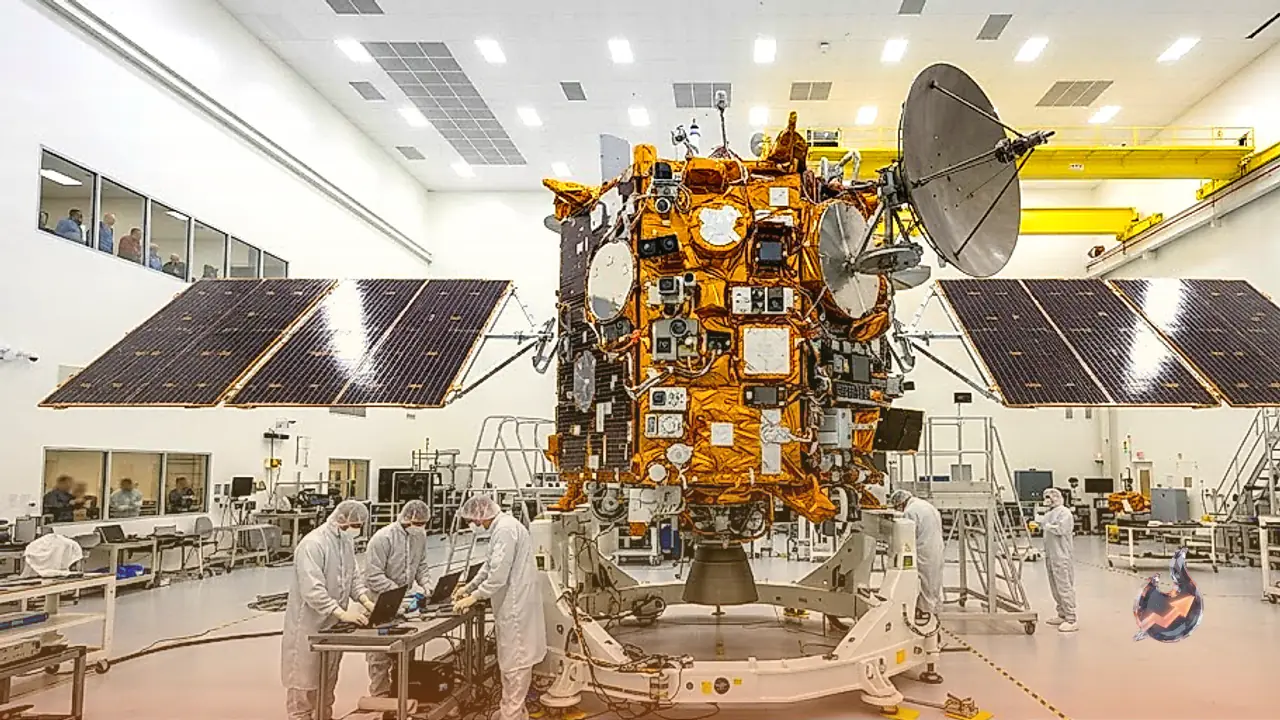





















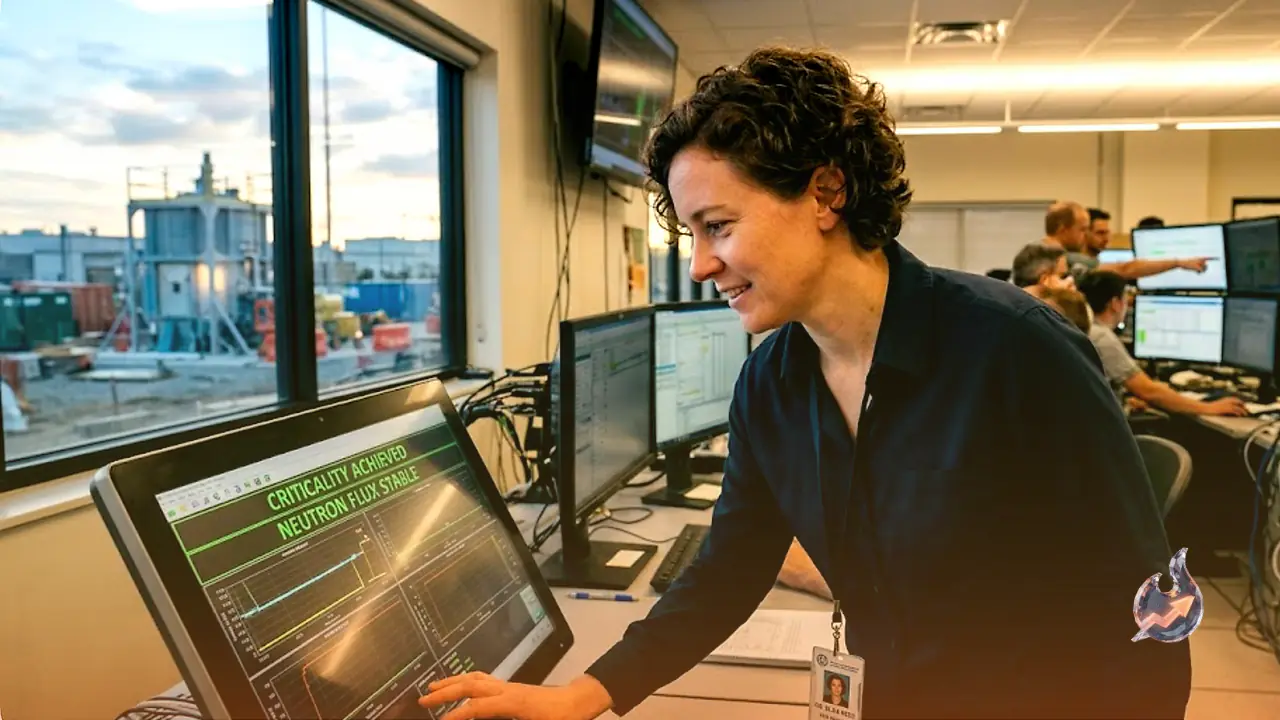

A cluster of nuclear startups enrolled in a government pilot program have pushed their experimental reactors past criticality, the stage at which a nuclear reactor sustains its own chain reaction, a key milestone on the road to generating power. The achievement is landing just ahead of a July 4 deadline that President Donald Trump set in an executive order last year, which called for at least three reactors to go critical. Industry watchers describe the moment as good publicity for the sector, but they caution that new reactor designs still have a long road ahead before they become real commercial products.
"These prototypes mean everything and nothing," says Adam Stein, the director of the Nuclear Energy Innovation program at the Breakthrough Institute. "They do a lot for the companies reaching criticality, but even for those companies, they're not commercial products. They're test reactors."
A Decades-Old Reliance On One Design
For decades, the American nuclear landscape has been dominated by large, light-water reactors, which use water to move heat and sustain the nuclear reaction. Building smaller reactors around different, more innovative designs remained mostly out of reach, slowed down by a sluggish regulatory environment and the enormous upfront cost required for small companies to develop new reactor designs.
"The industry has long been viewed as stuck, a nuclear reactor was always 10 years away," Stein says. He argues the pilot program "shows that's not true, if you intentionally move faster. It changes the narrative, and it changes the perception. That means a lot for the investment community."
Silicon Valley's Bet And Washington's Push
A growing number of investors and tech figures now see smaller nuclear reactors, capable of delivering 24/7 carbon-free energy for data centers and other operations, as part of a new golden age of technology. The tech world has leaned heavily on the Trump administration to slash regulations and accelerate development of smaller nuclear designs, and the administration has responded with several actions, including creating this pilot program through last year's executive order. Issued in May 2025, the order set an aggressive timeline to get at least three reactors critical, timed to coincide with the country's 250th anniversary celebrations on July 4.
Regulatory Cuts And National Lab Support
In February, the Department of Energy quietly slashed a number of environmental and safety regulations for reactors that fall under its purview, including the ones being built through the pilot program. Similar regulatory cuts are now being worked out at the Nuclear Regulatory Commission, which approves reactors destined for commercial sale. Stein says shortening processes for requirements like environmental impact statements, which can otherwise drag on for years, created "significant time savings" for companies in the program.
The reactor designs haven't benefited only from cutting red tape. Several of the companies also received help from federally funded national laboratories. Valar Atomics reached criticality late last year onsite at Los Alamos National Laboratory, using a core built with the startup's fuel and key structural components supplied by the lab. Earlier this month, the company reached criticality again with a second reactor at a state-funded lab site in Utah. Antares Nuclear and Deployable Energy, the other startups in the pilot program to meet the executive order's July 4 deadline, also reached criticality at national labs.
Aalo Atomics Is Racing To Catch Up
Matt Loszak, the cofounder and chief executive officer of Aalo Atomics, credits the government's prioritization of new reactor development for the speed at which his company has been able to move. His company is part of the pilot program and has yet to hit criticality, though it expects to do so soon.
"Before, you'd try to get a signature, and maybe it would sit on someone's desk for five weeks," he says. "Now, it's like, done the next day, because it's a priority for the nation."
Criticality Isn't The Same As Making Electricity
Reaching criticality does not mean these reactors are necessarily generating electricity. Aalo's reactor, for instance, is still lacking the sodium component that the company's final commercial reactor will have. On Thursday, Valar's reactor design did power an Nvidia chip during a short demonstration, becoming the first advanced reactor in the US to provide electricity. But simply proving that criticality can happen in a lab setting, something numerous college campuses across the country already do, does not mean a small reactor is ready to be hooked up to the grid or deployed to power a data center.
Licensing And Fuel Supply Chains Remain Hurdles
Commercial products will still have to go through licensing with the Nuclear Regulatory Commission, a process that has traditionally taken years, though regulatory cuts from the Trump administration could significantly shorten it. Wright told CNBC that the NRC is working with his agency to create a "fast" timeline for commercialization for the reactors in the program. Stein says supply chains, especially for fuel, could also pose a massive hurdle for companies in the pilot program looking to take their products to market, a challenge that is particularly true for companies that have relied on the Department of Energy to help source fuel.
A Warning Against Over-Romanticizing The Moment
"It's an amazing achievement to bring new reactors critical and deploy new reactor technology in 2026," says Brett Rampal, the senior director of nuclear and power strategy at Veriten, an investing and strategy firm whose clients include Aalo. But Rampal cautions that some in the industry may be over-romanticizing the idea of a new golden age for nuclear energy without fully acknowledging the financial realities that plants remain expensive and time-consuming to build.
"If you go back and you look at all the nuclear power plants we built throughout the country, on average, they were over cost and over budget," he says.