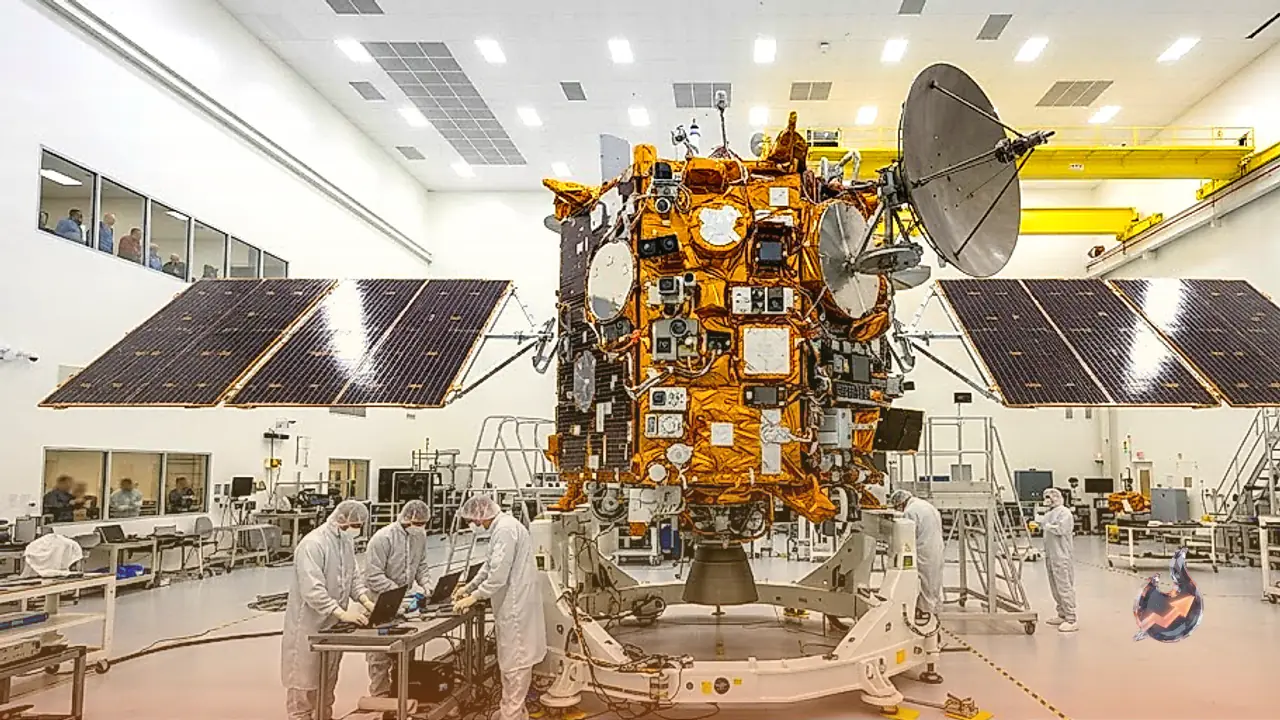






















In a major leap for space technology, China has achieved a significant milestone by successfully recovering the first stage booster of an orbital-class rocket using vertical landing. This achievement places China among the elite group of nations capable of developing reusable launch systems. For India, this development serves as a critical benchmark, as the Indian Space Research Organisation (ISRO) is still in the preliminary development phases of its Next Generation Launch Vehicle (NGLV), with its first demonstration flight likely several years away.
The Chinese Milestone and Global Context
According to the China Manned Space Agency (CMSA), the first stage of the Long March-10B rocket was successfully landed near the Hainan coast through a vertical powered descent. Reports indicate that China plans to reuse this same booster within the current year, a move intended to drastically reduce the costs of space launches. Currently, the US-based company SpaceX leads this sector, having regularly recovered and reflown its Falcon-9 rocket boosters for nearly a decade. Blue Origin is also pursuing similar technology for its New Glenn rocket. China's success underscores that reusable launch systems are no longer a US-exclusive capability and are considered essential for future lunar missions and commercial space endeavors.
India's NGLV Program
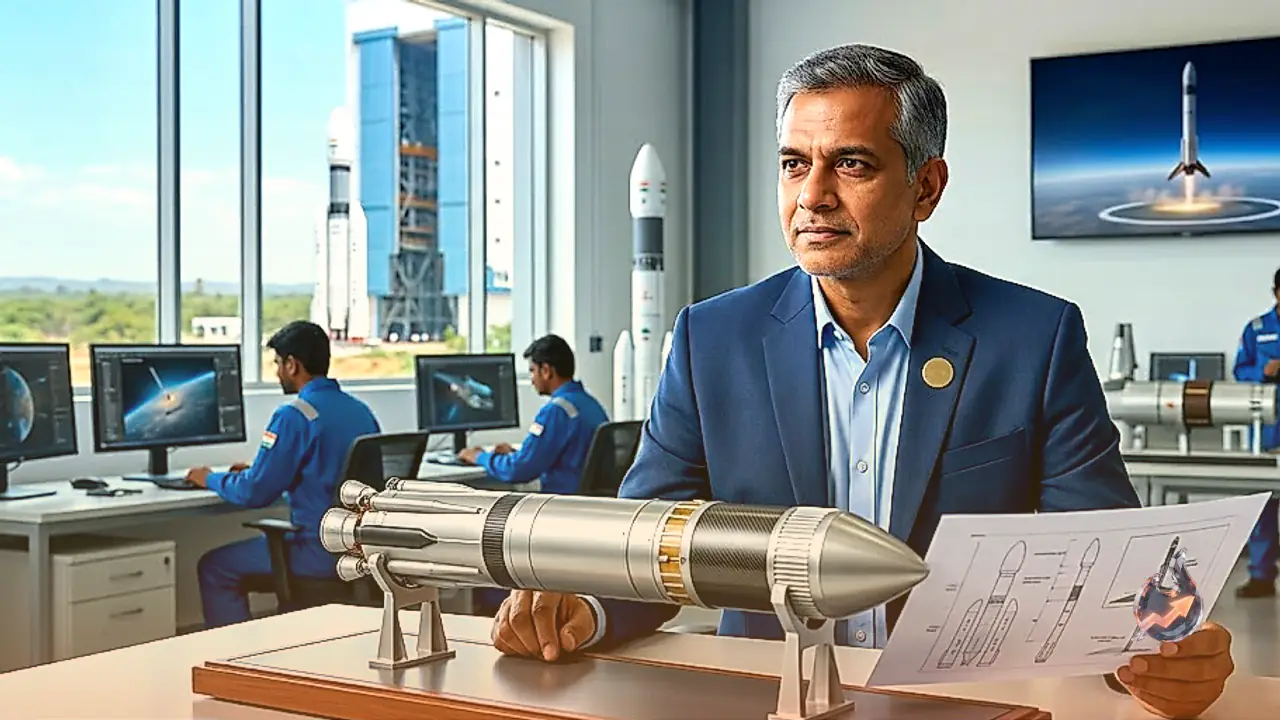
Regarding India, ISRO has officially embarked on its Next Generation Launch Vehicle (NGLV) program. The vehicle is being designed as a partially reusable, human-rated, and commercially viable launcher. This three-stage rocket is aimed at achieving a payload capacity of approximately 30 tonnes to Low Earth Orbit. Two versions of this vehicle are currently under development: one featuring solid strap-on boosters and another configured without them.
ISRO's Technological Progress
ISRO's objective for the NGLV is to design the first stage for recovery through vertical landing to enable reuse. The agency has already finalized the preliminary design, mission requirements, flight path simulations, wind tunnel models, 3D modeling, and the preliminary design of the LOX-methane-based LME-1100 engine. Furthermore, the process of inviting an expression of interest from private industries for the manufacturing of these methane-based engines has commenced. While ISRO has previously demonstrated autonomous runway landing technology with its Reusable Launch Vehicle-Technology Demonstrator (RLV-TD), the capability to return a rocket's first stage via vertical landing will be specifically demonstrated under the NGLV program. While China's recent success has injected new momentum into the global space race, India continues its steady, albeit longer, roadmap toward achieving this sophisticated capability.